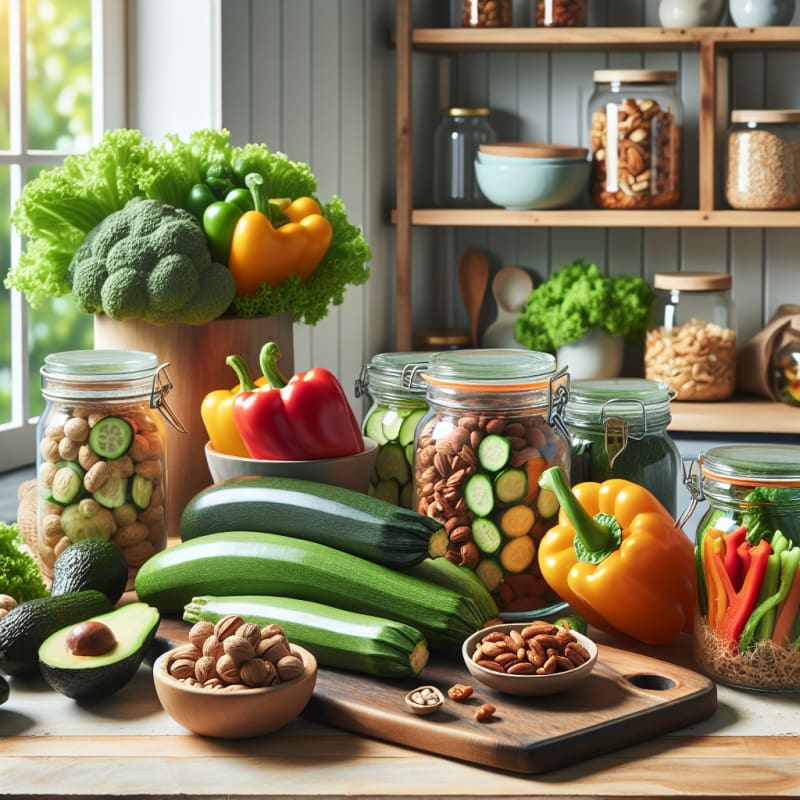
Keto 3.0 in 2025: Plant-Forward, Gut-Healthy Trends Revolutionizing Low-Carb Eating
Keto trends in 2025 are evolving fast. While the classic high-fat, low-carb diet once focused on meat and butter, the new generation—dubbed Keto 3.0—is turning toward plants, gut health, and sustainability. This shift reflects changing consumer values and scientific insights into how our bodies and microbiomes respond to food.
According to GlobeNewswire, the global ketogenic food market is projected to exceed $20.13 billion by 2034, growing steadily even as overall interest in strict keto diets declines. Meanwhile, FoodNavigator reports that brands are adapting by introducing “eco-keto” and “gut-friendly keto” options that align with modern wellness and environmental goals.
What Is Keto 3.0?
Keto 3.0 represents the next evolution of the ketogenic diet. It blends the metabolic benefits of low-carb eating with the nutritional diversity of plant-based foods and the science of gut health. Instead of relying solely on animal fats, Keto 3.0 emphasizes avocado, olive oil, nuts, seeds, and fermented vegetables—all rich in micronutrients and prebiotic fibers.
Core Principles of Keto 3.0
- Plant-forward fats: Prioritize avocado, coconut, and olive oils over butter and bacon.
- Fiber-rich low-carb vegetables: Include leafy greens, cauliflower, and zucchini to support digestion.
- Gut health focus: Add fermented foods like kimchi, kefir, and sauerkraut for probiotic benefits.
- Sustainable sourcing: Choose eco-friendly, ethically produced ingredients.
- AI personalization: Use tech tools to tailor macros and food choices to your unique metabolism.
Why Keto Trends in 2025 Are Shifting Toward Sustainability
Consumers are increasingly aware of the environmental impact of their diets. The eco-keto</strong movement aligns low-carb eating with sustainability by reducing reliance on animal products and promoting regenerative agriculture. This approach appeals to those seeking both personal health and planetary well-being.
Plant-based keto meals use ingredients like hemp seeds, chia, and algae oils, which offer omega-3s without the carbon footprint of fish. Many brands are now labeling their products as “carbon-conscious keto,” signaling transparency and responsibility.
Eco-Keto in Action
| Traditional Keto Ingredient | Eco-Keto Alternative | Benefit |
|---|---|---|
| Butter | Coconut oil or avocado oil | Plant-based fats with lower environmental impact |
| Beef | Tempeh or tofu | Reduced carbon footprint and improved gut health |
| Pork rinds | Kale chips or roasted seaweed | Fiber-rich, nutrient-dense snacking |
Gut Health Keto: The Rise of Prebiotic and Fermented Foods
One of the most exciting keto diet trends for 2025 is the integration of gut health science. Traditional keto diets often lack fiber, which can disrupt the microbiome. Keto 3.0 solves this by incorporating prebiotic fibers like inulin and resistant starches found in chicory root, asparagus, and Jerusalem artichokes.
Fermented foods—such as kimchi, kefir, and sauerkraut—are now staples in modern keto meal plans. These foods support digestion, immunity, and even mental health through the gut-brain axis.
Best Prebiotic Fibers for Keto Gut Health
- Inulin: Found in chicory root; supports beneficial gut bacteria.
- Glucomannan: A fiber from konjac root that aids satiety and blood sugar balance.
- Resistant starch: Present in cooled potatoes and green bananas (in moderation).
AI-Personalized Keto Plans: Technology Meets Nutrition
Artificial intelligence is transforming how people approach keto. Apps and wearables now analyze biomarkers, sleep patterns, and gut data to create AI-personalized keto plans. This technology helps users overcome the restrictiveness of traditional keto by recommending foods that fit their metabolism and preferences.
Tools like Food Scan Genius are leading this movement. The app scans food labels to detect hidden carbs, allergens, and additives, helping users maintain a clean keto lifestyle. It’s especially valuable for those following plant-based or eco-keto diets where ingredient transparency matters.
“Food Scan Genius helped me discover hidden sugars in my favorite keto snacks. Now I feel confident choosing foods that support both my gut and my goals.” — Maya, Keto 3.0 enthusiast
Market Insights: Keto’s Resilient Growth Despite Decline
Even as mainstream interest in strict keto wanes, the industry’s innovation is keeping growth strong. As noted by FoodNavigator, brands are pivoting toward hybrid keto formats—combining low-carb principles with plant-based ingredients and functional foods. This evolution is attracting new demographics, including flexitarians and sustainability-minded consumers.
Meanwhile, GlobeNewswire confirms that the keto food market will continue expanding at a CAGR of 3–5.8%, driven by ready-to-eat meals, snacks, and beverages that fit the modern lifestyle.
Top Keto Trends for 2025
- Plant-forward keto: Emphasizing vegetables, nuts, seeds, and plant oils.
- Gut-health keto: Integrating prebiotics and fermented foods.
- Eco-keto: Sustainable sourcing and carbon-conscious eating.
- AI-personalized nutrition: Tailored macros and food recommendations.
- Functional keto snacks: Combining low carbs with adaptogens and probiotics.
How Food Scan Genius Supports Keto 3.0
Food transparency is essential in the Keto 3.0 era. Hidden sugars, artificial additives, and mislabeled “low-carb” foods can sabotage progress. Food Scan Genius empowers users to instantly analyze ingredients and allergens using AI-powered scanning. It’s ideal for anyone following plant-based keto or managing sensitivities related to gut health.
By integrating personalized insights, Food Scan Genius helps users align their keto choices with sustainability and wellness goals—making it a perfect companion for the eco-keto lifestyle.
FAQs: Keto Trends 2025
What is Keto 3.0?
Keto 3.0 is the modern evolution of the ketogenic diet that emphasizes plant-based fats, fiber-rich vegetables, gut health, and sustainability. It’s less restrictive and more balanced than traditional keto.
Can you follow a plant-based keto diet?
Yes. Plant-based keto diets use low-carb vegetables, nuts, seeds, and plant oils to achieve ketosis while supporting environmental and gut health.
How does gut health fit into keto?
Gut health is central to Keto 3.0. Including prebiotic fibers and fermented foods helps maintain a healthy microbiome, improving digestion and energy.
Is keto still popular in 2025?
While interest in strict keto has declined, the market continues to grow thanks to innovations like eco-keto and AI-personalized nutrition.
What makes eco-keto sustainable?
Eco-keto reduces reliance on animal products and promotes plant-based fats and regenerative agriculture, lowering carbon impact.
How can technology personalize keto plans?
AI tools like Food Scan Genius analyze your food choices and health data to create customized keto recommendations for optimal results.
{
“@context”: “https://schema.org”,
“@type”: “FAQPage”,
“mainEntity”: [
{
“@type”: “Question”,
“name”: “What is Keto 3.0?”,
“acceptedAnswer”: {
“@type”: “Answer”,
“text”: “Keto 3.0 is the modern evolution of the ketogenic diet that emphasizes plant-based fats, fiber-rich vegetables, gut health, and sustainability.”
}
},
{
“@type”: “Question”,
“name”: “Can you follow a plant-based keto diet?”,
“acceptedAnswer”: {
“@type”: “Answer”,
“text”: “Yes. Plant-based keto diets use low-carb vegetables, nuts, seeds, and plant oils to achieve ketosis while supporting environmental and gut health.”
}
},
{
“@type”: “Question”,
“name”: “How does gut health fit into keto?”,
“acceptedAnswer”: {
“@type”: “Answer”,
“text”: “Gut health is central to Keto 3.0. Including prebiotic fibers and fermented foods helps maintain a healthy microbiome, improving digestion and energy.”
}
},
{
“@type”: “Question”,
“name”: “Is keto still popular in 2025?”,
“acceptedAnswer”: {
“@type”: “Answer”,
“text”: “While interest in strict keto has declined, the market continues to grow thanks to innovations like eco-keto and AI-personalized nutrition.”
}
},
{
“@type”: “Question”,
“name”: “What makes eco-keto sustainable?”,
“acceptedAnswer”: {
“@type”: “Answer”,
“text”: “Eco-keto reduces reliance on animal products and promotes plant-based fats and regenerative agriculture, lowering carbon impact.”
}
},
{
“@type”: “Question”,
“name”: “How can technology personalize keto plans?”,
“acceptedAnswer”: {
“@type”: “Answer”,
“text”: “AI tools like Food Scan Genius analyze your food choices and health data to create customized keto recommendations for optimal results.”
}
}
]
}
Final Takeaway
The keto trends of 2025 prove that low-carb living is far from fading—it’s evolving. Keto 3.0 brings together plant-forward nutrition, gut health science, and sustainability for a smarter, more inclusive approach to wellness. Whether you’re seeking better digestion, eco-conscious eating, or personalized results, the future of keto is both green and gut-friendly.
For anyone navigating this new landscape, tools like Food Scan Genius make it easy to decode ingredients, avoid hidden carbs, and stay aligned with your health goals. Understanding what’s in your food is the first step toward a truly sustainable keto lifestyle.