Lactose-Free and Dairy-Free Milk Trends: What’s Hot in 2025
In 2025, more consumers than ever are reaching for lactose-free and dairy-free milk alternatives. Whether driven by lactose intolerance, milk allergies, or lifestyle choices, this shift is transforming how people view nutrition, sustainability, and food transparency. From oat and almond milk to lactose-free cow’s milk, the global market is evolving rapidly — and it’s only just getting started.
Why Consumers Are Switching to Lactose-Free Milk Alternatives
Lactose intolerance affects an estimated 65% of the global population, with higher prevalence among Asian, African, and Hispanic communities. As awareness grows, people are seeking milk options that are easier to digest and better aligned with their health goals. According to The Bullvine, high-protein and lactose-free dairy products are among the fastest-growing segments in the dairy industry for 2025.
At the same time, younger consumers and older adults alike are exploring dairy-free milk trends for reasons beyond intolerance — including sustainability, ethical sourcing, and plant-based nutrition.
Key Drivers Behind the Trend
- Health awareness: Growing understanding of lactose intolerance and milk allergies.
- Innovation: New formulations that mimic the taste and texture of traditional milk.
- Sustainability: Environmental concerns pushing consumers toward plant-based options.
- Accessibility: Wider availability in supermarkets and online platforms.
The Global Plant-Based Milk Market Outlook
The global plant-based milk market is projected to reach $25 billion by 2032, according to a GlobeNewswire report. North America and Asia Pacific are leading this expansion, fueled by e-commerce growth, product innovation, and increased consumer education. The report highlights that both established brands and startups are shaping this dynamic market.
Market Growth by Region
| Region | Key Growth Drivers | Popular Milk Alternatives |
|---|---|---|
| North America | Health-conscious consumers, lactose intolerance awareness | Oat, almond, and pea milk |
| Asia Pacific | High lactose intolerance rates, strong plant-based culture | Soy, coconut, and rice milk |
| Europe | Sustainability and ethical consumption trends | Oat and hazelnut milk |
Lactose-Free Milk vs. Dairy-Free Milk: What’s the Difference?
Although the terms are often used interchangeably, they refer to distinct categories:
- Lactose-free milk is made from real cow’s milk with the lactose enzyme removed or broken down. It retains the same nutrients as regular milk, including calcium and protein.
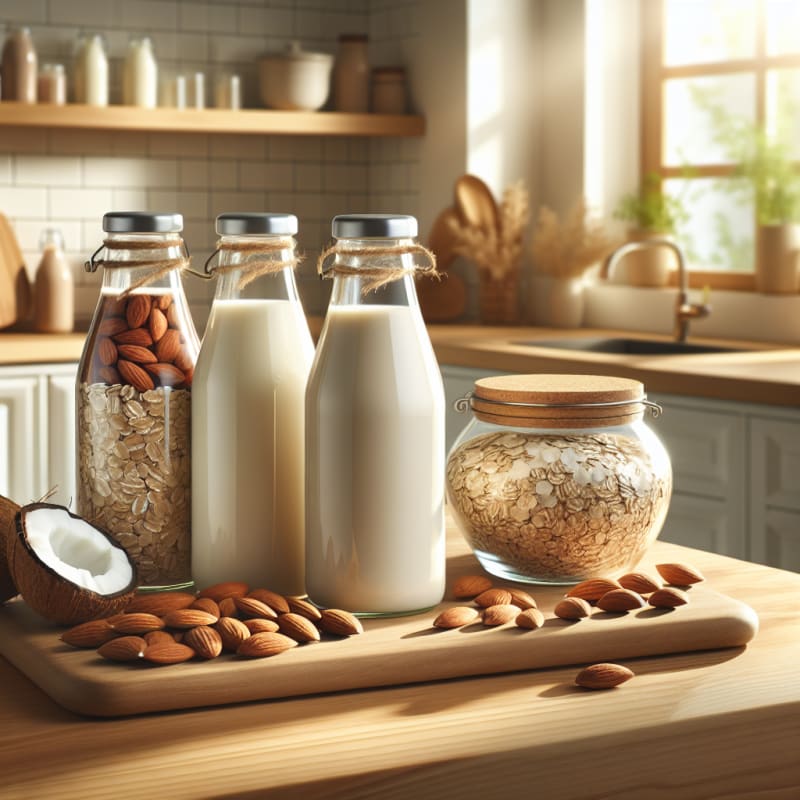
- Dairy-free milk contains no animal-derived ingredients. It’s made from plants such as oats, almonds, soy, or peas and is ideal for vegans or those with milk allergies.
According to Towards F&B, the dairy-free products market continues to expand as consumers seek both health and ethical benefits. The report emphasizes that innovation in flavor, texture, and nutrient fortification is key to consumer retention.
Comparison Table: Lactose-Free vs. Dairy-Free Milk
| Feature | Lactose-Free Milk | Dairy-Free Milk |
|---|---|---|
| Source | Cow’s milk (lactose removed) | Plants (soy, oat, almond, etc.) |
| Contains Dairy | Yes | No |
| Suitable for Vegans | No | Yes |
| Calcium & Protein | High (same as milk) | Varies by brand and fortification |
| Digestibility | Easy for lactose-intolerant individuals | Easy for both lactose-intolerant and allergic individuals |
Top Lactose-Free and Dairy-Free Milk Brands in 2025
As demand surges, brands are competing to deliver better taste, nutrition, and sustainability. Some of the top dairy-free milk brands of 2025 include:
- Oatly – Leading in oat milk innovation and sustainability.
- Silk – Offering a wide range of soy, almond, and coconut milks.
- Fairlife – A top choice for lactose-free cow’s milk with high protein content.
- Ripple – Known for pea-based milk with extra protein and calcium.
- Califia Farms – Popular for barista-quality almond and oat milk blends.
These brands are expanding globally, offering fortified options for bone health and targeting older adults who need calcium-rich, easy-to-digest milk alternatives.
Lactose-Free Milk for Older Adults
As people age, lactase enzyme production often decreases, making lactose digestion more difficult. For seniors, lactose-free milk for older adults provides essential nutrients like calcium, vitamin D, and protein without discomfort. Dairy-free milks fortified with calcium and B12 also support bone and muscle health, key for aging populations.
Health Benefits for Seniors
- Improved digestion and reduced bloating
- Better nutrient absorption
- Lower cholesterol (especially with plant-based options)
- Enhanced hydration and taste variety
How Food Scan Genius Helps Consumers Choose Smarter
With so many options on the market, it’s easy to feel overwhelmed when comparing ingredients. The Food Scan Genius app simplifies this process by scanning product labels and identifying hidden ingredients, allergens, and additives. It’s especially useful for people managing lactose intolerance or milk allergies.
“I used Food Scan Genius to find the best lactose-free milk for my diet. It instantly showed which brands were fortified with calcium and free from added sugars — it’s a game-changer!” — Maria, Food Scan Genius user
As ingredient transparency becomes a top consumer priority, tools like Food Scan Genius empower shoppers to make informed, health-conscious decisions.
Future Outlook: What’s Next for Dairy-Free Milk Trends?
Looking ahead, the dairy-free milk market will continue to evolve through:
- Functional fortification: Added probiotics, omega-3s, and adaptogens.
- Tech-driven personalization: AI-powered nutrition recommendations.
- Eco-packaging innovations: Sustainable materials and carbon labeling.
- Expanded access: Wider availability in schools, hospitals, and restaurants.
As The Bullvine notes, the dairy industry’s future lies in balancing tradition with innovation — offering products that meet both nutritional and ethical expectations.
FAQs About Lactose-Free and Dairy-Free Milk Alternatives
1. What are the best lactose-free milk alternatives in 2025?
Top options include Fairlife lactose-free milk, Oatly oat milk, and Ripple pea milk. These brands offer great taste, nutrition, and digestibility.
2. Are lactose-free and dairy-free the same thing?
No. Lactose-free milk is real dairy with lactose removed, while dairy-free milk is entirely plant-based and contains no animal ingredients.
3. Which milk is best for lactose-intolerant seniors?
Lactose-free cow’s milk and fortified plant-based milks like soy or oat are ideal for seniors, providing calcium and protein without digestive issues.
4. How big is the plant-based milk market in 2025?
According to GlobeNewswire, the global market is projected to reach $25 billion by 2032, driven by innovation and consumer demand.
5. How can I find the right milk alternative for my diet?
Apps like Food Scan Genius can help you compare ingredients, allergens, and nutritional values to find the best milk for your needs.
6. Are plant-based milks good for bone health?
Yes, many are fortified with calcium and vitamin D. Always check the label or use Food Scan Genius to confirm nutrient content.
Final Takeaway
The rise of lactose-free and dairy-free milk alternatives in 2025 reflects a broader movement toward health, sustainability, and transparency. Whether you’re lactose-intolerant, vegan, or simply curious, there’s never been a better time to explore these innovative options. And with tools like Food Scan Genius, making informed choices has never been easier.