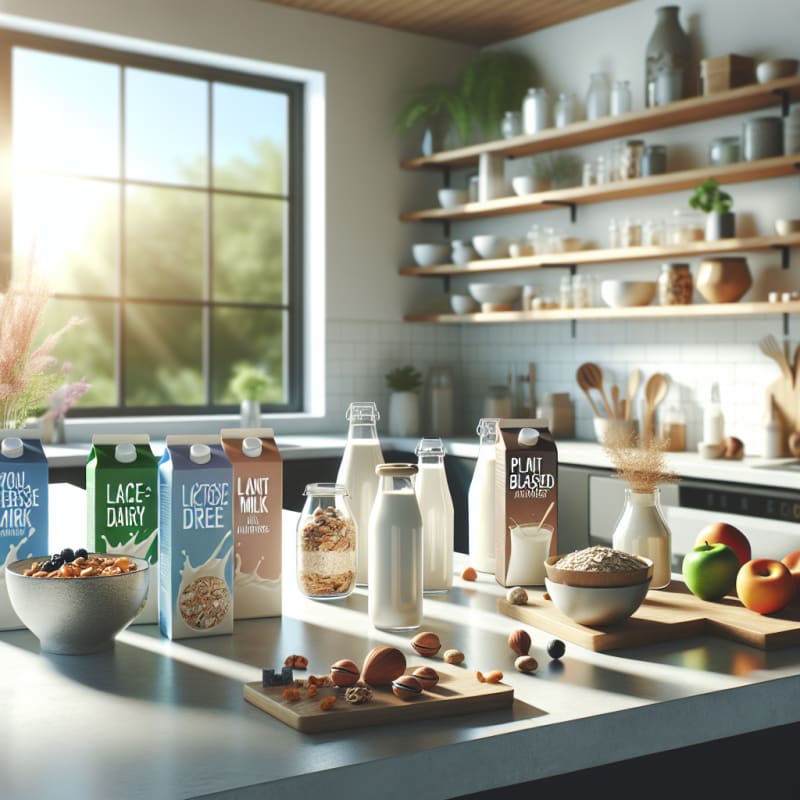
How Lactose-Free Dairy is Reshaping Milk Sensitivity Solutions in 2025
In 2025, the lactose-free dairy market is experiencing unprecedented growth as more consumers seek solutions for milk sensitivity, lactose intolerance, and dairy allergies. With rising health awareness and innovation in both traditional dairy and plant-based alternatives, the global dairy landscape is evolving faster than ever. This shift is not just about avoiding discomfort—it’s about redefining how people experience nutrition, taste, and sustainability in their daily diets.
Why Lactose-Free Dairy Is Booming in 2025
According to Dairy Reporter, lactose-free dairy products in the U.S. continue to see sustained growth as consumer health trends drive demand. The combination of digestive wellness awareness, improved product taste, and expanded availability has made lactose-free milk a mainstream choice rather than a niche option.
Globally, the dairy-free products market is expanding rapidly, driven by technological advances in enzyme processing, fermentation, and protein fortification. These innovations allow manufacturers to deliver products that replicate the creamy texture and nutritional value of traditional dairy—without the lactose.
Key Drivers of Growth
- Health Awareness: More consumers are identifying symptoms of lactose intolerance and seeking digestive-friendly options.
- Product Innovation: Enhanced enzyme technologies and microfiltration processes improve taste and nutritional balance.
- Plant-Based Expansion: The rise of oat, almond, and pea-based milks complements lactose-free dairy offerings.
- Global Accessibility: Retailers and foodservice providers are expanding lactose-free options across markets.
Lactose Intolerance and Milk Sensitivity: Understanding the Difference
While both milk sensitivity and lactose intolerance involve digestive discomfort, they are not identical. Lactose intolerance stems from a deficiency in lactase, the enzyme needed to digest lactose, the sugar found in milk. Milk sensitivity, on the other hand, may involve reactions to milk proteins such as casein or whey.
| Condition | Main Trigger | Common Symptoms | Recommended Alternatives |
|---|---|---|---|
| Lactose Intolerance | Lactose sugar | Bloating, gas, diarrhea | Lactose-free dairy, plant-based milks |
| Milk Allergy | Milk proteins (casein, whey) | Hives, swelling, digestive upset | Plant-based milks only |
Top Lactose-Free Dairy Innovations in 2025
The latest lactose-free dairy product innovations in 2025 are redefining how consumers experience milk and dairy-based foods. From enzyme-enhanced milk to lactose-free cheese and yogurt, manufacturers are focusing on flavor authenticity and nutritional parity with conventional dairy.
1. Enzyme-Enhanced Milk
New enzyme technologies ensure complete lactose breakdown without altering the natural taste of milk. These products are now fortified with calcium and vitamin D to match or exceed the nutritional profile of regular milk.
2. Lactose-Free Cheese and Yogurt
Advances in fermentation techniques have enabled the production of creamy, flavorful lactose-free cheeses and yogurts that appeal to both sensitive and non-sensitive consumers.
3. Hybrid Dairy Alternatives
Some brands are blending real dairy with plant-based ingredients to create hybrid products that deliver the best of both worlds—authentic taste with improved digestibility and sustainability.
The Rise of Plant-Based Milk Alternatives
According to GlobeNewswire, the plant-based milk market is projected to reach $25 billion by 2032, driven by both global leaders and innovative startups. This growth is fueled by consumers seeking dairy alternatives that align with their health, ethical, and environmental values.
Popular plant-based options include:
- Oat Milk: Creamy texture, high in beta-glucans for heart health.
- Almond Milk: Low-calorie and rich in vitamin E.
- Pea Milk: High in protein and eco-friendly to produce.
- Coconut Milk: Naturally lactose-free with a rich flavor profile.
Nutritional Comparison: Lactose-Free vs. Plant-Based Milk
| Type | Protein (per cup) | Calcium | Added Nutrients | Best For |
|---|---|---|---|---|
| Lactose-Free Cow’s Milk | 8g | High (naturally occurring) | Vitamin D, B12 | Lactose intolerance |
| Oat Milk | 2–4g | Fortified | Iron, beta-glucans | Vegan, heart health |
| Pea Milk | 8g | Fortified | Omega-3s, calcium | Protein-rich diets |
Regional Trends in Lactose Intolerance and Dairy Consumption 2025
Regional patterns show that lactose intolerance prevalence varies widely. In Asia and Africa, over 70% of adults are lactose intolerant, while rates are lower in Northern Europe. As a result, the dairy market growth in 2025 is being shaped by regional adaptations—such as lactose-free milk dominating in Western markets and plant-based options thriving in Asia-Pacific regions.
How Food Scan Genius Helps Consumers with Milk Sensitivity
With so many new lactose-free and plant-based options, choosing the right product can be confusing. The Food Scan Genius app (available at scangeni.us) helps users instantly scan product labels to identify lactose, milk proteins, and other allergens. It’s a powerful tool for anyone managing milk sensitivity or lactose intolerance.
“I used Food Scan Genius to find lactose-free yogurts that fit my diet. It’s like having a personal nutritionist in my pocket!” — Emma R., Food Scan Genius user
Challenges and Opportunities Ahead
Despite rapid growth, the lactose-free and plant-based dairy sectors face challenges, including labeling transparency, nutritional consistency, and consumer education. However, these challenges also present opportunities for innovation, collaboration, and improved regulatory standards.
Key Opportunities
- Improved labeling to clearly distinguish lactose-free vs. dairy-free.
- Enhanced nutrition through fortification and protein optimization.
- Global expansion into emerging markets with high lactose intolerance rates.
FAQ: Lactose-Free Dairy and Milk Sensitivity in 2025
What is lactose-free dairy?
Lactose-free dairy is real milk that has had the lactose sugar removed or broken down using lactase enzymes, making it easier to digest for people with lactose intolerance.
Is lactose-free milk suitable for people with milk allergies?
No. Milk allergies involve immune reactions to milk proteins, not lactose. People with milk allergies should choose plant-based alternatives instead.
How is lactose-free milk made?
Manufacturers add lactase enzymes to milk to break down lactose into simple sugars, glucose and galactose, which are easier to digest.
Which plant-based milk is closest to dairy milk in nutrition?
Pea milk and fortified soy milk are closest to dairy milk in protein and calcium content, making them strong alternatives for those avoiding lactose.
Why is the lactose-free dairy market growing so fast in 2025?
Consumer health awareness, improved product quality, and the rise of digestive wellness trends are driving rapid market expansion worldwide.
How can I find the best lactose-free products for my diet?
Use the Food Scan Genius app to scan product labels and instantly check for lactose, milk proteins, and other allergens before buying.
Final Takeaway
The lactose-free dairy market in 2025 is not just a trend—it’s a transformation. As consumers demand transparency, better nutrition, and digestive wellness, both dairy and plant-based industries are responding with smarter, healthier, and more inclusive products. Whether you’re managing lactose intolerance, exploring plant-based milk alternatives, or simply seeking better nutrition, understanding these innovations empowers you to make informed choices. And with tools like Food Scan Genius, navigating milk sensitivity has never been easier.