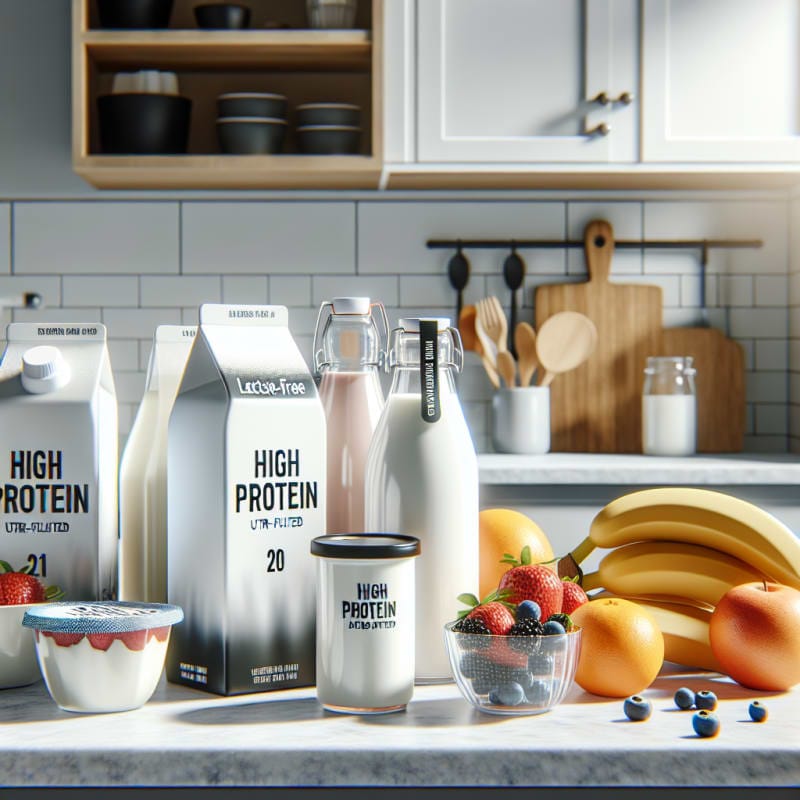
Why Lactose-Free Dairy Products Are Booming in 2025: Innovations to Manage Milk Sensitivity
Lactose-free dairy products are no longer a niche category—they’re reshaping the global dairy market in 2025. As more consumers recognize symptoms of milk sensitivity and lactose intolerance, demand for no-lactose dairy options has surged. From lactose-free yogurt to A2 protein milk, brands are innovating to deliver the creamy taste and nutritional benefits of traditional dairy without digestive discomfort.
The Consumer Shift: From Plant-Based Back to Dairy
Over the past decade, plant-based alternatives dominated the shelves. But recent trends show a shift back toward dairy—this time, smarter and easier on digestion. According to Dairy Reporter, lactose-free dairy is seeing sustained growth in the U.S. as health trends drive demand. Consumers are rediscovering dairy’s superior protein profile, calcium content, and taste—without the lactose that causes bloating or discomfort.
Similarly, Towards Food & Beverage highlights that the dairy-free and lactose-free segments are expanding rapidly, fueled by innovation and improved labeling transparency. This shift underscores a broader movement toward digestive health and ingredient awareness.
Understanding Milk Sensitivity and Lactose Intolerance
Milk sensitivity often overlaps with lactose intolerance but isn’t identical. Lactose intolerance occurs when the body lacks enough lactase enzyme to break down lactose, the natural sugar in milk. Symptoms include bloating, gas, and stomach cramps. Milk sensitivity can also involve reactions to milk proteins like casein or whey, separate from lactose itself.
| Condition | Main Cause | Common Symptoms | Recommended Dairy Option |
|---|---|---|---|
| Lactose Intolerance | Lactase enzyme deficiency | Bloating, gas, diarrhea | Lactose-free milk, yogurt |
| Milk Sensitivity | Protein intolerance (casein, whey) | Digestive discomfort, inflammation | A2 protein milk |
| Milk Allergy | Immune reaction to milk proteins | Hives, swelling, severe reactions | Dairy-free alternatives |
Innovations Driving the Lactose-Free Dairy Boom
1. A2 Protein Milk: A New Frontier in Digestive Comfort
A2 protein milk is made from cows that produce only the A2 beta-casein protein, which is easier to digest for many people sensitive to regular milk. This innovation bridges the gap between traditional dairy and lactose-free options, offering a smoother experience for those with mild milk sensitivity.
2. Lactose-Free Yogurt: Fermented and Functional
Modern lactose-free yogurts combine probiotics with lactose removal techniques, enhancing gut health while maintaining the creamy texture consumers love. Brands are experimenting with new cultures and fermentation processes to improve flavor and digestibility.
3. Enzyme Technology and Smart Labeling
Advances in enzyme technology allow manufacturers to break down lactose more efficiently during production. Clear labeling—often verified through apps like Food Scan Genius—helps consumers quickly identify products suited to their dietary needs.
“I started using Food Scan Genius to check for hidden lactose in my favorite snacks. It’s been a game-changer for managing my milk sensitivity without giving up dairy.” — Emily R., Food Scan Genius user
The Market Outlook for 2025
The growth of the lactose-free dairy market in 2025 reflects a convergence of health awareness, technological innovation, and evolving consumer preferences. According to industry reports, lactose-free dairy is projected to outpace traditional dairy growth rates, particularly in North America and Europe.
- Market size: Rapid expansion driven by digestive health trends
- Key segments: Milk, yogurt, ice cream, cheese
- Innovation focus: A2 protein, enzyme-enhanced processing, clean labeling
- Consumer profile: Health-conscious adults, families, and older consumers seeking comfort
Why Ingredient Transparency Matters
Consumers today demand clarity about what’s in their food. Mislabeling and hidden ingredients can cause confusion and discomfort for those with sensitivities. Apps like Food Scan Genius empower users to scan products and instantly see if they contain lactose, milk proteins, or other potential triggers.
This transparency isn’t just for those with lactose intolerance—it benefits everyone who wants to make informed, digestive-friendly choices. As ingredient awareness grows, brands that prioritize clear communication and verified labeling are earning consumer trust.
Comparing Lactose-Free Dairy and Plant-Based Alternatives
While plant-based milks remain popular, many consumers are returning to lactose-free dairy for its nutritional advantages. Here’s how they compare:
| Feature | Lactose-Free Dairy | Plant-Based Alternatives |
|---|---|---|
| Protein Quality | High-quality, complete proteins | Variable, often lower |
| Calcium Content | Naturally rich | Fortified versions available |
| Digestive Comfort | Gentle when lactose-free or A2 | Depends on additives and stabilizers |
| Taste & Texture | Authentic dairy flavor | Varies by base (soy, oat, almond) |
How to Choose the Best Lactose-Free Dairy Products for Milk Sensitivity
When shopping for lactose-free options, look for:
- Verified lactose-free labeling or “no lactose” claims
- A2 protein milk for easier digestion
- Probiotic-rich yogurts for gut health
- Minimal additives and natural ingredients
- Use of enzyme-treated dairy for lactose removal
Q&A: How Lactose-Free Dairy Helps with Milk Intolerance
Q: How does lactose-free milk differ from regular milk?
A: Lactose-free milk contains the same nutrients as regular milk but uses lactase enzyme to break down lactose, preventing digestive discomfort.
Q: Is A2 milk suitable for lactose intolerance?
A: A2 milk still contains lactose but may be easier to digest for those sensitive to milk proteins rather than lactose itself.
Q: Can lactose-free yogurt improve gut health?
A: Yes, thanks to probiotics and the absence of lactose, it supports a balanced microbiome and smoother digestion.
FAQs About Lactose-Free Dairy Products
What are the best lactose-free dairy products for milk sensitivity?
Top options include lactose-free milk, A2 protein milk, lactose-free yogurt, and enzyme-treated cheeses. These provide full dairy nutrition without discomfort.
How do lactose-free dairy products help with lactose intolerance?
They use lactase enzymes to break down lactose, making dairy easier to digest and preventing bloating or cramps.
What’s new in lactose-free yogurt innovation for 2025?
Brands are introducing probiotic-rich, enzyme-enhanced yogurts with improved texture and flavor, targeting digestive health and wellness.
How is the lactose-free dairy market growing in 2025?
Reports show sustained growth driven by health trends, consumer awareness, and innovations like A2 milk and lactose-free yogurts.
What’s the difference between lactose intolerance and milk allergy?
Lactose intolerance affects digestion due to enzyme deficiency, while milk allergy is an immune reaction to milk proteins.
Why are consumers switching back from plant-based to lactose-free dairy?
Many are rediscovering dairy’s taste and nutrition, choosing lactose-free options that offer comfort without digestive issues.
Final Takeaway
The rise of lactose-free dairy products in 2025 represents more than a trend—it’s a transformation in how consumers approach digestive health and milk sensitivity. With innovations like A2 protein milk and lactose-free yogurt, people can enjoy the benefits of dairy without discomfort. As transparency and technology improve, tools like Food Scan Genius make it easier than ever to choose products that fit your body’s needs.
Understanding what’s in your food matters. Whether you’re managing lactose intolerance or simply seeking better digestive comfort, lactose-free dairy is proving to be the perfect balance of nutrition, taste, and well-being for modern consumers.