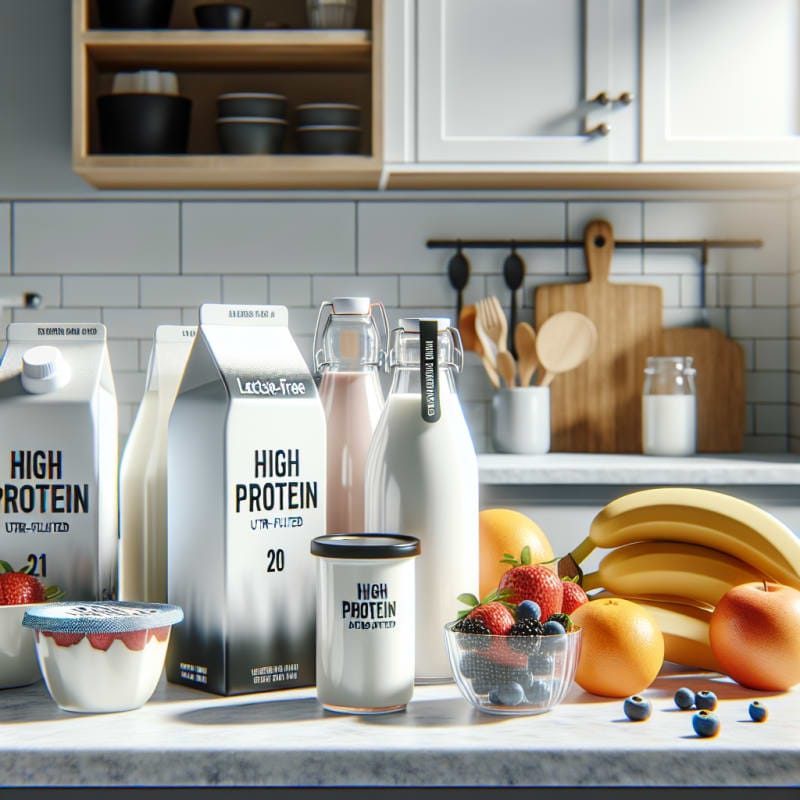
Lactose-Free Dairy: The 2025 Revolution in Milk Sensitivity Solutions
In 2025, the dairy aisle looks very different from just a few years ago. Shoppers are reaching for lactose-free dairy products and high-protein milk alternatives more than ever before. This shift isn’t just a passing trend—it’s a response to growing awareness of milk sensitivity, better nutrition science, and innovative food technology. Whether you’re lactose intolerant, health-conscious, or simply curious about what’s next in dairy, understanding these changes can help you make smarter choices.
Why Lactose-Free Dairy Is Booming in 2025
According to The Bullvine’s 2025 Dairy Trends Report, the global market for lactose-free dairy is expanding rapidly, driven by consumer demand for digestive-friendly and nutrient-dense options. This growth is especially strong among older adults and ethnic groups with higher rates of lactose intolerance.
Meanwhile, insights from Towards F&B highlight that both dairy and dairy-free sectors are innovating to meet these evolving needs. Companies are investing in enzyme technology, protein fortification, and hybrid dairy-plant blends that maintain taste and texture while improving digestibility.
Key Drivers Behind the Shift
- Rising Lactose Intolerance Awareness: More consumers recognize symptoms like bloating or discomfort after milk consumption.
- Health and Fitness Trends: High-protein dairy appeals to athletes and aging adults seeking muscle maintenance and satiety.
- Technological Innovation: Lactase enzyme treatments and microfiltration make it easier to produce smooth, naturally sweet lactose-free milk.
- Global Market Growth: The lactose-free dairy segment is projected to outpace traditional dairy growth through 2025.
Understanding Milk Sensitivity and Lactose Intolerance
Milk sensitivity refers to digestive discomfort triggered by milk components—most commonly lactose, a natural sugar found in dairy. People with lactose intolerance lack enough lactase enzyme to break down this sugar, leading to gas, bloating, and cramps.
Unlike a milk allergy, which involves the immune system reacting to milk proteins, lactose intolerance is a digestive issue. This distinction matters because it determines what products are safe and comfortable to consume.
Common Symptoms of Lactose Intolerance
| Symptom | Typical Onset After Consumption |
|---|---|
| Bloating | 30 minutes – 2 hours |
| Stomach cramps | 1 – 3 hours |
| Gas | 1 – 4 hours |
| Diarrhea | 2 – 6 hours |
High-Protein Dairy: A Nutritional Powerhouse
High-protein dairy products are gaining popularity alongside lactose-free options. They cater to consumers seeking muscle support, weight management, and sustained energy. Many of these products now combine lactose-free formulations with protein enrichment for maximum benefit.
Top High-Protein, Lactose-Free Dairy Products in 2025
- Greek-style lactose-free yogurt: Offers double the protein of regular yogurt with improved digestibility.
- High-protein lactose-free milk: Ideal for seniors and athletes who need extra protein without digestive discomfort.
- Lactose-free cottage cheese: A convenient, low-fat, high-protein snack option.
These innovations reflect a broader movement toward functional nutrition—foods that not only nourish but also support specific health goals.
Best Lactose-Free Milk for Seniors
As people age, lactase production naturally declines, making lactose-free milk an excellent choice for maintaining bone health without discomfort. The best options for seniors in 2025 include fortified varieties enriched with calcium, vitamin D, and omega-3s.
These products support muscle retention and bone density while being gentle on digestion—an important benefit for older adults managing multiple dietary needs.
Latest Lactose-Free Dairy Innovations
According to The Bullvine, dairy producers are leveraging biotechnology to enhance flavor, texture, and nutritional profiles. New enzyme processes allow for natural sweetness without added sugar, while hybrid dairy-plant blends appeal to flexitarians seeking balance between sustainability and nutrition.
Emerging Product Categories
- Hybrid dairy beverages: Combining lactose-free milk with oat or almond bases for smoother texture and lower environmental impact.
- Protein-fortified lactose-free ice cream: A guilt-free indulgence with functional benefits.
- Digestive-health yogurts: Enriched with probiotics and lactase enzymes for optimal gut balance.
How Food Scan Genius Helps with Milk Sensitivity
For consumers navigating complex ingredient lists, the Food Scan Genius app offers a simple solution. By scanning any food label, users can instantly see if a product contains lactose, milk proteins, or other potential triggers. This transparency empowers individuals with milk sensitivity to shop confidently and avoid discomfort.
“I used to spend ages reading labels. Now, Food Scan Genius tells me in seconds if a product is safe for my lactose intolerance. It’s a game changer!” — Maria L., Food Scan Genius user
As ingredient transparency becomes a top consumer demand in 2025, tools like Food Scan Genius bridge the gap between health awareness and everyday convenience.
Broader Consumer Impact
The rise of lactose-free and high-protein dairy isn’t just for those with lactose intolerance. It reflects a larger shift toward personalized nutrition and digestive wellness. Consumers now expect food that supports their health goals, fits their values, and delivers great taste.
At the same time, this trend highlights ongoing challenges in food labeling and regulation. Mislabeling or hidden ingredients can still confuse shoppers. That’s why both industry innovation and consumer tools are essential for building trust and promoting informed choices.
FAQs About Lactose-Free Dairy Products
1. What are lactose-free dairy products?
Lactose-free dairy products are made from real milk but treated with lactase enzyme to break down lactose, making them easier to digest for people with milk sensitivity.
2. Are lactose-free products suitable for people with milk allergies?
No. Milk allergies involve immune reactions to milk proteins, not lactose. People with milk allergies should choose dairy-free alternatives instead.
3. What are the nutritional benefits of lactose-free dairy?
They provide the same nutrients as regular dairy—protein, calcium, and vitamins—without causing digestive discomfort.
4. What is the best lactose-free milk for seniors?
Fortified lactose-free milk with added calcium, vitamin D, and omega-3s supports bone and muscle health in older adults.
5. How is high-protein dairy different from regular dairy?
High-protein dairy contains extra protein per serving, helping with muscle maintenance, satiety, and recovery after exercise.
6. How can Food Scan Genius help with lactose intolerance?
The app scans product labels to identify lactose, milk proteins, or hidden dairy ingredients, making it easier to choose safe foods.
Final Takeaway
The rise of lactose-free and high-protein dairy products in 2025 marks a new era of inclusive nutrition. Whether you’re managing milk sensitivity, pursuing better health, or simply exploring new flavors, today’s dairy innovations offer more choice than ever before. And with tools like Food Scan Genius, understanding what’s in your food—and how it affects your body—has never been easier.