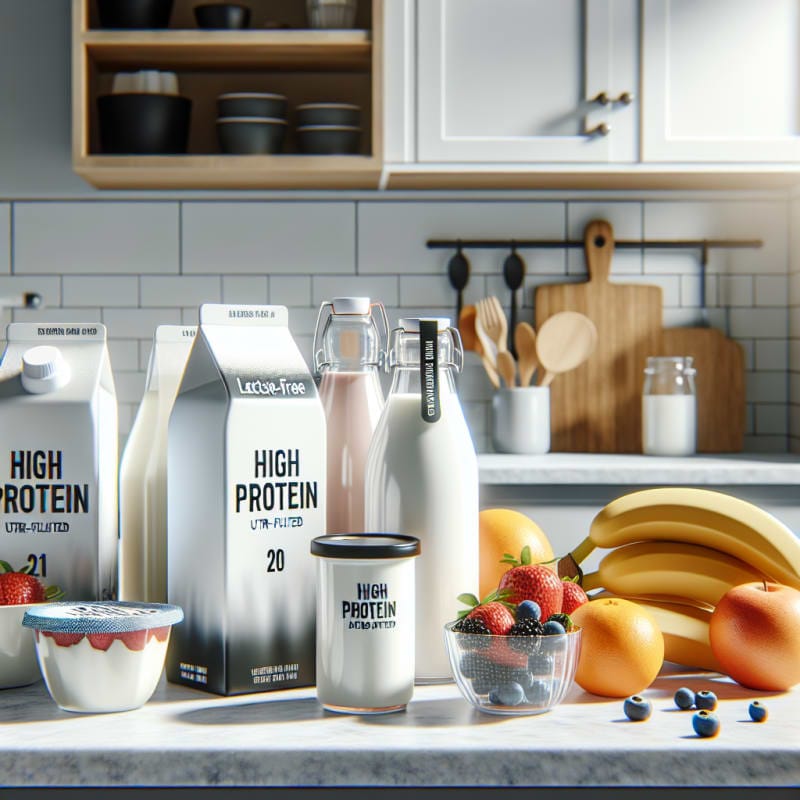
Lactose-Free Dairy Boom in 2025: Innovations, Market Growth, and Digestive Health Solutions for Milk-Sensitive Consumers
Lactose-free dairy is no longer a niche market — it’s a global movement reshaping how people enjoy milk, yogurt, and cheese. In 2025, demand for lactose-free milk and digestive health dairy products is soaring, fueled by rising awareness of lactose intolerance and innovations that make dairy easier to digest without losing its nutritional benefits.
According to The Bullvine, high-protein and lactose-free dairy are leading growth categories this year. The Dairy Reporter confirms sustained U.S. expansion, with lactose-free yogurt sales up 43% and milk sensitivity solutions becoming mainstream. These trends reflect a broader shift toward personalized nutrition and digestive comfort.
Why Lactose-Free Dairy Is Exploding in 2025
Globally, about 75% of adults experience some degree of lactose intolerance — meaning their bodies produce little or no lactase enzyme needed to digest milk sugar. As consumers seek relief from bloating and discomfort, lactose-free dairy offers a simple solution: real dairy, minus the lactose.
- Market growth: The lactose-free segment is growing at a 7.8% CAGR in 2025, outpacing traditional dairy.
- Demographic shifts: Seniors (+25% consumption increase) and younger health-focused consumers are driving demand.
- Innovation surge: Brands are introducing high-protein lactose-free milk and A2 protein dairy for improved digestibility.
As Hart Design reports, the dairy industry’s innovation wave is powered by health trends and consumer transparency — making lactose-free options a key growth pillar.
Top Lactose-Free Dairy Innovations of 2025
1. High-Protein Lactose-Free Milk
New formulations combine ultrafiltration and enzymatic lactase treatment to deliver milk that’s rich in protein but gentle on digestion. These products appeal to athletes, seniors, and anyone seeking muscle recovery without discomfort.
2. Lactose-Free Yogurt and Kefir
Brands like Chobani and Lactaid are expanding their lactose-free yogurt lines with probiotics and added fiber. The result: improved gut health and smoother digestion.
3. A2 Protein Dairy
Though not technically lactose-free, A2 milk contains only the A2 beta-casein protein, which some consumers find easier to digest. It’s often paired with lactose-free processing for maximum comfort.
4. Plant-Dairy Hybrids
Hybrid products blend real dairy with oat or almond bases, offering a creamy texture and reduced lactose. These appeal to flexitarians who want authentic dairy taste with fewer digestive issues.
| Product Type | Key Benefit | Top Brand (2025) |
|---|---|---|
| Lactose-Free Milk | Easy digestion, high protein | Lactaid, Fairlife |
| Lactose-Free Yogurt | Probiotic support | Chobani, Yoplait |
| A2 Protein Milk | Gentle on sensitive stomachs | A2 Milk Company |
Digestive Health Benefits of Lactose-Free Dairy
Switching to lactose-free dairy helps consumers maintain calcium and protein intake while avoiding lactose-related discomfort. Unlike plant-based alternatives, lactose-free milk retains key nutrients found in traditional dairy — including vitamin D, B12, and potassium.
- Reduced bloating and cramps: No lactose means fewer fermentation reactions in the gut.
- Better nutrient absorption: Digestive ease supports consistent intake of essential minerals.
- Improved gut balance: Probiotic lactose-free yogurts enhance microbiome health.
Market Growth and Consumer Trends
The lactose-free dairy market is projected to surpass $20 billion globally by the end of 2025. Consumers are increasingly reading labels, seeking transparency, and using digital tools to identify safe options. The rise of apps like Food Scan Genius makes this easier than ever.
Food Scan Genius helps users instantly scan product labels to detect lactose, milk proteins, and hidden ingredients. One user shared: “I finally enjoy my morning latte again — Food Scan Genius shows me which brands are truly lactose-free.”
This growing awareness aligns with a broader movement toward ingredient transparency and personalized nutrition. As consumers demand clarity, brands are reformulating to meet expectations for clean, digestible dairy.
Q&A: Understanding Milk Sensitivity
What’s the difference between lactose intolerance and milk allergy?
Lactose intolerance involves difficulty digesting lactose sugar, while a milk allergy is an immune reaction to milk proteins. Lactose-free products help with intolerance but not allergies.
Can lactose-free milk still cause stomach upset?
Rarely. If symptoms persist, it may be due to other milk components like A1 protein or fat content. Trying A2 or low-fat lactose-free options can help.
Is lactose-free dairy suitable for kids?
Yes, many pediatricians recommend lactose-free milk for children with mild intolerance to ensure they still receive essential nutrients.
How does lactose-free yogurt support digestive health?
It combines the benefits of probiotics and easy digestion, helping maintain a balanced gut microbiome.
Are lactose-free products more expensive?
Prices are slightly higher due to added processing, but competition in 2025 is driving costs down as demand rises.
Looking Ahead: The Future of Dairy for Sensitive Consumers
By 2025, lactose-free dairy is not just a dietary alternative — it’s a mainstream choice. With innovations in enzyme technology, protein optimization, and digital ingredient scanning, consumers have more control over their digestive health than ever before.
Whether you’re managing milk sensitivity or simply seeking cleaner nutrition, lactose-free dairy offers the best of both worlds: comfort and nourishment. As transparency tools like Food Scan Genius continue to evolve, understanding what’s in your glass of milk has never been easier.
Key Takeaway
The 2025 lactose-free dairy boom reflects a global shift toward health-conscious, personalized nutrition. With sustained market growth, innovative products, and digital ingredient insights, milk-sensitive consumers can enjoy dairy again — comfortably and confidently.
FAQs
1. What is lactose-free dairy?
Lactose-free dairy is real milk and dairy processed with lactase enzyme to remove lactose sugar, making it easier to digest for those with lactose intolerance.
2. How big is the lactose-free market in 2025?
It’s projected to grow at 7.8% CAGR, reaching over $20 billion globally, driven by health trends and digestive comfort demands.
3. What are the best lactose-free dairy products in 2025?
Top picks include Lactaid milk, Chobani lactose-free yogurt, and Fairlife high-protein milk.
4. Does lactose-free mean dairy-free?
No — lactose-free products are still made from real dairy but treated to remove lactose sugar.
5. How can I check if a product is truly lactose-free?
Use the Food Scan Genius app to scan labels and verify lactose content instantly.
{
“@context”: “https://schema.org”,
“@type”: “FAQPage”,
“mainEntity”: [
{
“@type”: “Question”,
“name”: “What is lactose-free dairy?”,
“acceptedAnswer”: {
“@type”: “Answer”,
“text”: “Lactose-free dairy is real milk and dairy processed with lactase enzyme to remove lactose sugar, making it easier to digest for those with lactose intolerance.”
}
},
{
“@type”: “Question”,
“name”: “How big is the lactose-free market in 2025?”,
“acceptedAnswer”: {
“@type”: “Answer”,
“text”: “It’s projected to grow at 7.8% CAGR, reaching over $20 billion globally, driven by health trends and digestive comfort demands.”
}
},
{
“@type”: “Question”,
“name”: “What are the best lactose-free dairy products in 2025?”,
“acceptedAnswer”: {
“@type”: “Answer”,
“text”: “Top picks include Lactaid milk, Chobani lactose-free yogurt, and Fairlife high-protein milk.”
}
},
{
“@type”: “Question”,
“name”: “Does lactose-free mean dairy-free?”,
“acceptedAnswer”: {
“@type”: “Answer”,
“text”: “No — lactose-free products are still made from real dairy but treated to remove lactose sugar.”
}
},
{
“@type”: “Question”,
“name”: “How can I check if a product is truly lactose-free?”,
“acceptedAnswer”: {
“@type”: “Answer”,
“text”: “Use the Food Scan Genius app to scan labels and verify lactose content instantly.”
}
}
]
}