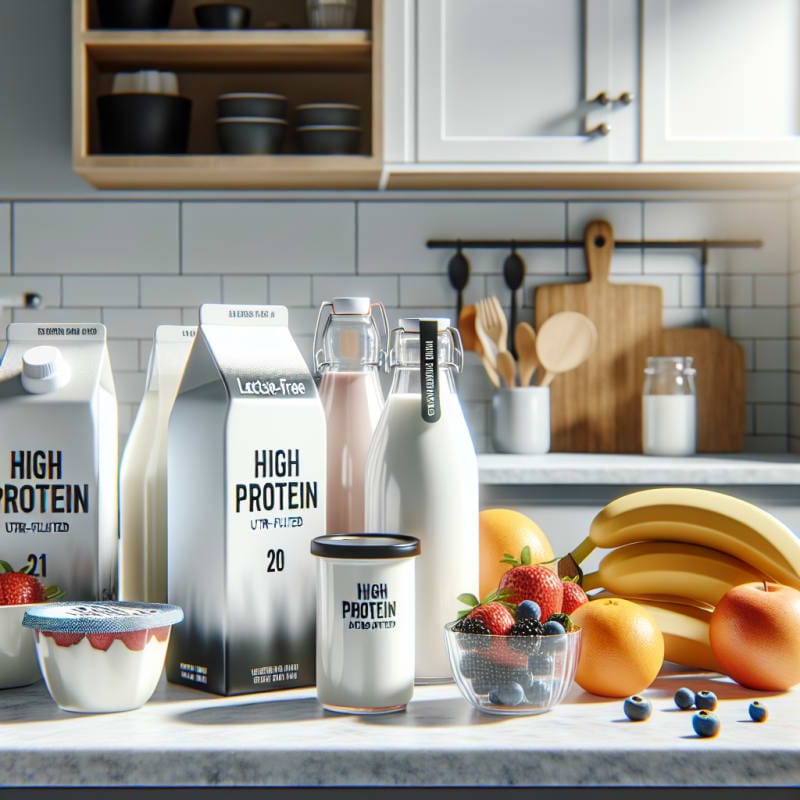
2025 Lactose-Free Dairy Boom: Innovations, Market Growth, and Digestive Health Benefits
Lactose-free dairy is transforming the way people enjoy milk and yogurt in 2025. Once a niche category, it’s now a mainstream health movement driven by digestive wellness, senior nutrition, and cutting-edge dairy technology. Whether you’re lactose intolerant, sensitive to milk, or simply seeking better gut comfort, the new generation of lactose-free products offers both taste and health benefits.
Why Lactose-Free Dairy Is Surging in 2025
According to Dairy Reporter, lactose-free dairy sales jumped by 25% in 2025, with yogurt leading at an impressive 43% growth rate. This surge reflects a broader shift from plant-based alternatives back to real dairy — but with a twist: consumers want comfort without the digestive discomfort.
The Bullvine highlights that high-protein lactose-free milk is among the fastest-growing segments, appealing to active adults and older consumers seeking muscle maintenance and better digestion. With 65% of baby boomers reporting lactose sensitivity, brands are innovating to meet this demand.
Key Drivers Behind the Boom
- Digestive Health Awareness: More people recognize symptoms of lactose intolerance, such as bloating and gas, and seek gentler milk options.
- Senior Nutrition: Aging populations require calcium and protein but often struggle with lactose digestion.
- Technology Advances: Enzyme-based processing and ultra-filtration make lactose-free milk taste identical to regular milk.
- Shift from Plant-Based: Consumers return to dairy for its natural protein and micronutrients, now available without discomfort.
Understanding Lactose Intolerance and Milk Sensitivity
Lactose intolerance occurs when the body lacks lactase, the enzyme that breaks down lactose (milk sugar). This leads to digestive symptoms after consuming dairy. Milk sensitivity is broader — it may include reactions to milk proteins like casein or whey.
| Condition | Cause | Symptoms | Best Solution |
|---|---|---|---|
| Lactose Intolerance | Lactase enzyme deficiency | Bloating, gas, diarrhea | Lactose-free milk or yogurt |
| Milk Sensitivity | Protein reaction | Digestive discomfort, inflammation | A2 milk or dairy alternatives |
Q&A: How Does Lactose-Free Milk Work?
Q: How is lactose-free milk made?
A: Manufacturers add lactase enzyme to regular milk, breaking down lactose into simple sugars (glucose and galactose), which are easier to digest.
Q: Does it taste different?
A: Modern lactose-free milk tastes nearly identical to traditional milk thanks to refined enzyme technology and filtration methods.
Top Lactose-Free Dairy Products in 2025
Brands are racing to create delicious, nutrient-rich options that fit every lifestyle. Here are the standout categories:
1. Lactose-Free Milk for Seniors
Products like Lactaid 2% Milk and Darigold Fit deliver high protein and calcium with zero lactose. Many include added vitamin D for bone health — ideal for older adults managing milk sensitivity.
2. High-Protein Lactose-Free Milk
According to The Bullvine, high-protein lactose-free milk is trending among athletes and wellness enthusiasts. These milks often contain 13–16g of protein per serving, supporting muscle recovery and satiety.
3. Lactose-Free Yogurt Revolution
Yogurt is seeing the fastest growth in the category. Brands like Chobani Lactose-Free and Yoplait Lactose-Free offer creamy textures and live probiotics that support gut health. The 43% growth rate reported by Dairy Reporter shows consumers are embracing these options for daily digestion support.
4. Lactose-Free Cheese and Cream
Cheese makers are now using enzyme-treated milk to produce lactose-free cheddar, mozzarella, and cream cheese. These products maintain authentic flavor while being gentle on the stomach.
5. Lactose-Free Ice Cream
With new formulations from brands like Breyers and Halo Top, lactose-free ice cream is no longer a compromise. It’s creamy, indulgent, and perfect for sensitive consumers.
Comparing Lactose-Free Dairy vs Plant-Based Alternatives
| Feature | Lactose-Free Dairy | Plant-Based Milk |
|---|---|---|
| Protein Content | 8–16g per cup | 1–3g per cup (average) |
| Calcium Source | Natural dairy calcium | Fortified |
| Taste Profile | Creamy, authentic dairy flavor | Varies by base (almond, oat, soy) |
| Digestive Comfort | Excellent for lactose-sensitive consumers | Good for dairy allergies |
Voice Search Insight
If you ask your voice assistant, “What’s the best lactose-free milk for seniors in 2025?” you’ll likely hear about high-protein options like Darigold Fit or Lactaid, which combine nutrition and comfort.
Digestive Health Benefits of Lactose-Free Dairy
Lactose-free dairy supports better digestion by eliminating the sugar that causes discomfort. It also helps maintain nutrient intake for those who would otherwise avoid dairy entirely.
- Improved Gut Comfort: No bloating or gas after consumption.
- Better Nutrient Absorption: Calcium and vitamin D remain intact.
- Supports Muscle Health: High protein aids recovery and strength.
- Suitable for All Ages: From children to seniors, it’s a versatile choice.
How Food Scan Genius Helps Lactose-Sensitive Consumers
Ingredient transparency is more important than ever. The Food Scan Genius app allows users to scan any packaged food and instantly see if it contains lactose, dairy proteins, or hidden milk derivatives. This helps consumers with sensitivities make confident choices.
“I use Food Scan Genius every time I shop — it’s a lifesaver for my lactose intolerance. I can finally enjoy dairy again without worrying about hidden ingredients.” — Maria L., Seattle
Market Outlook: What’s Next for Lactose-Free Dairy?
Industry experts predict continued double-digit growth through 2026. With innovations in enzyme technology and sustainable dairy farming, lactose-free products are expected to dominate the “digestive wellness” segment.
Emerging Trends
- Hybrid Dairy: Combining lactose-free milk with plant-based proteins for enhanced nutrition.
- Smart Labeling: QR codes that verify lactose-free certification.
- Functional Additives: Probiotics and prebiotics for gut health synergy.
FAQs: Lactose-Free Dairy and Digestive Health
What is lactose-free dairy?
Lactose-free dairy is regular milk or yogurt with the lactose removed or broken down using lactase enzyme, making it easier to digest.
Is lactose-free milk suitable for lactose intolerance?
Yes. It’s specifically designed for people who lack the lactase enzyme and experience discomfort from regular milk.
Can lactose-free milk help seniors?
Absolutely. Seniors benefit from its protein and calcium without digestive side effects, supporting bone and muscle health.
Does lactose-free yogurt contain probiotics?
Yes. Most lactose-free yogurts include live cultures that promote healthy digestion and gut balance.
How can I identify lactose-free products easily?
Use the Food Scan Genius app to scan labels and confirm lactose-free status instantly.
{
“@context”: “https://schema.org”,
“@type”: “FAQPage”,
“mainEntity”: [
{
“@type”: “Question”,
“name”: “What is lactose-free dairy?”,
“acceptedAnswer”: {
“@type”: “Answer”,
“text”: “Lactose-free dairy is milk or yogurt processed to remove or break down lactose, making it easier to digest for sensitive consumers.”
}
},
{
“@type”: “Question”,
“name”: “Is lactose-free milk suitable for lactose intolerance?”,
“acceptedAnswer”: {
“@type”: “Answer”,
“text”: “Yes, lactose-free milk is ideal for people with lactose intolerance since it eliminates the sugar that causes digestive discomfort.”
}
},
{
“@type”: “Question”,
“name”: “Can lactose-free milk help seniors?”,
“acceptedAnswer”: {
“@type”: “Answer”,
“text”: “Lactose-free milk supports seniors’ bone and muscle health by providing calcium and protein without digestive issues.”
}
},
{
“@type”: “Question”,
“name”: “Does lactose-free yogurt contain probiotics?”,
“acceptedAnswer”: {
“@type”: “Answer”,
“text”: “Yes, most lactose-free yogurts retain live cultures that aid digestion and support gut health.”
}
},
{
“@type”: “Question”,
“name”: “How can I identify lactose-free products easily?”,
“acceptedAnswer”: {
“@type”: “Answer”,
“text”: “Consumers can use the Food Scan Genius app to scan product labels and confirm lactose-free certification instantly.”
}
}
]
}
Final Takeaway
The 2025 lactose-free dairy boom is more than a trend — it’s a health revolution. With rising awareness of milk sensitivity and lactose intolerance, consumers are embracing dairy again through innovation, transparency, and digestive comfort. Whether you’re choosing high-protein milk or probiotic yogurt, understanding ingredients is key. And with tools like Food Scan Genius, navigating lactose-free living has never been easier.