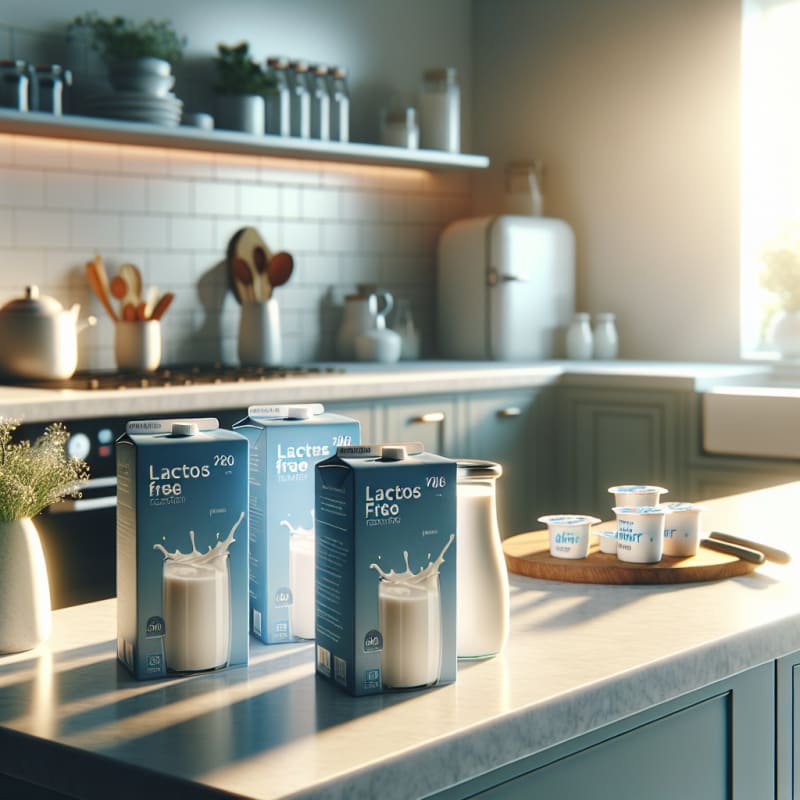
Why Lactose-Free High-Protein Dairy Is The Biggest Trend in Milk Sensitivity for 2025
Lactose-free dairy products are no longer niche. In 2025, they’re becoming mainstream, driven by a perfect storm of aging populations, milk sensitivity awareness, and a growing focus on digestive health and high-protein nutrition. From fortified lactose-free milk to protein-rich yogurts, consumers are demanding dairy that’s easier to digest yet nutritionally complete.
The Global Shift Toward Lactose-Free Dairy
According to industry insights from The Bullvine, lactose-free and high-protein dairy products are among the fastest-growing segments in the dairy industry for 2025. This surge is fueled by consumers who want the benefits of dairy—calcium, protein, and vitamins—without digestive discomfort.
Data from Towards Food & Beverage (FNB) highlights that over 65% of adults worldwide experience some level of lactose intolerance. Among seniors, that number is even higher. As populations age, the demand for dairy products suitable for lactose intolerant adults continues to climb.
Key Market Drivers
| Driver | Impact on Market |
|---|---|
| Aging Population | Increased lactose intolerance and need for digestive-friendly nutrition. |
| Health-Conscious Consumers | Preference for high-protein, low-sugar, and gut-friendly dairy options. |
| Innovation in Dairy Processing | Improved enzyme technology allows better taste and nutrient retention. |
| Consumer Education | Greater awareness of milk sensitivity and lactose intolerance management. |
Lactose Intolerance and Milk Sensitivity Explained
Milk sensitivity often refers to difficulty digesting lactose—the natural sugar found in milk. When the body lacks enough lactase enzyme, symptoms like bloating, gas, and discomfort occur. Lactose intolerance in seniors is particularly common because lactase production tends to decline with age.
How Lactose-Free Dairy Helps
- Contains the same nutrients as regular milk—protein, calcium, and vitamin D.
- Uses lactase enzyme to break down lactose, making it easier to digest.
- Supports gut comfort and nutrient absorption for older adults.
These benefits make lactose-free milk a vital part of the lactose intolerance diet, especially for seniors who want to maintain bone health and muscle strength.
High-Protein Dairy: A Perfect Match for Digestive Health
As highlighted by Hart Design, the dairy industry is surging ahead with innovation focused on health trends. High-protein lactose-free products are leading this charge—combining muscle-supporting nutrition with digestive comfort.
Protein-rich lactose-free yogurts, shakes, and ready-to-drink beverages are now staples for fitness enthusiasts and older adults alike. These products help maintain lean muscle mass, support metabolism, and provide sustained energy—all without triggering milk sensitivity symptoms.
Popular High-Protein Lactose-Free Options in 2025
- Lactose-free Greek yogurt with added whey protein.
- Ready-to-drink high-protein lactose-free milk beverages.
- Fortified lactose-free cottage cheese and kefir.
- High-protein lactose-free smoothies for seniors.
Digestive Health and Dairy Innovation
Digestive wellness is now a major consumer priority. The rise of digestive health dairy reflects a broader movement toward food transparency and personalized nutrition. Companies are investing in enzyme technology, probiotic fortification, and smart labeling to meet these needs.
According to FNB Insights, the global lactose-free dairy market is projected to grow steadily through 2025, with innovation in both taste and nutrition. This includes lactose-free products that retain natural dairy flavor while offering enhanced protein and gut-friendly benefits.
Managing Milk Sensitivity with Smart Tools
For consumers navigating lactose intolerance or milk sensitivity, technology is making it easier to identify suitable products. The Food Scan Genius app (scangeni.us) helps users instantly scan product labels to detect hidden lactose, milk derivatives, and other potential triggers.
“I use Food Scan Genius every time I shop. It helps me find lactose-free options without spending hours reading labels,” says Maria, a 62-year-old user managing milk sensitivity.
This kind of ingredient transparency empowers consumers to make confident, health-conscious choices—especially as the market expands with new lactose-free innovations.
Latest Lactose-Free Dairy Innovations for 2025
Brands are racing to deliver high-protein lactose-free dairy options in 2025 that meet both nutritional and sensory expectations. Key trends include:
- Microfiltration and enzymatic processing to preserve nutrients.
- Functional dairy with probiotics and prebiotics for gut health.
- Sustainable packaging and clean-label formulations.
- Hybrid dairy blends combining lactose-free milk with natural protein boosters.
These innovations cater to diverse audiences—from seniors seeking digestive comfort to athletes and health-conscious consumers prioritizing protein intake.
The Bigger Picture: Why It Matters
Understanding lactose-free dairy isn’t just about managing intolerance—it’s about improving overall nutrition and well-being. As more consumers experience milk sensitivity, the demand for transparent labeling and trustworthy ingredients grows.
Regulatory bodies are encouraging clearer labeling on dairy products, helping consumers identify lactose-free options easily. This shift supports public health goals related to digestive wellness and aging nutrition.
FAQs About Lactose-Free Dairy Products
What are lactose-free dairy products?
Lactose-free dairy products are made by adding lactase enzyme to break down lactose, the sugar in milk. They offer the same nutrients as regular dairy but are easier to digest for people with milk sensitivity.
Are lactose-free dairy products suitable for seniors?
Yes. Seniors often experience reduced lactase production, making lactose-free milk and yogurt ideal for maintaining bone and muscle health without digestive discomfort.
Do lactose-free products still contain protein?
Absolutely. Most lactose-free dairy retains its natural protein content, and many new products in 2025 are fortified with extra protein for added nutritional benefits.
How can I find the best lactose-free milk for my diet?
Check labels for “lactose-free” certification and compare protein levels. Apps like Food Scan Genius can help identify safe, high-protein options tailored to your needs.
What’s driving the lactose-free dairy market in 2025?
Growing milk sensitivity awareness, aging populations, and a focus on digestive health are driving innovation and rapid market growth in lactose-free and high-protein dairy.
Final Takeaway
The rise of lactose-free and high-protein dairy products in 2025 reflects a major evolution in how we think about nutrition, aging, and digestive health. For consumers with milk sensitivity or lactose intolerance, these innovations offer comfort without compromise—nutrient-rich, protein-packed, and easy to digest.
As ingredient transparency becomes essential, tools like Food Scan Genius empower shoppers to make informed choices. Whether you’re managing lactose intolerance or simply seeking better digestive wellness, the future of dairy is smarter, healthier, and more inclusive than ever.