Organic Meat, Poultry, and Seafood Sales Surge in 2025: What’s Driving the Trend?
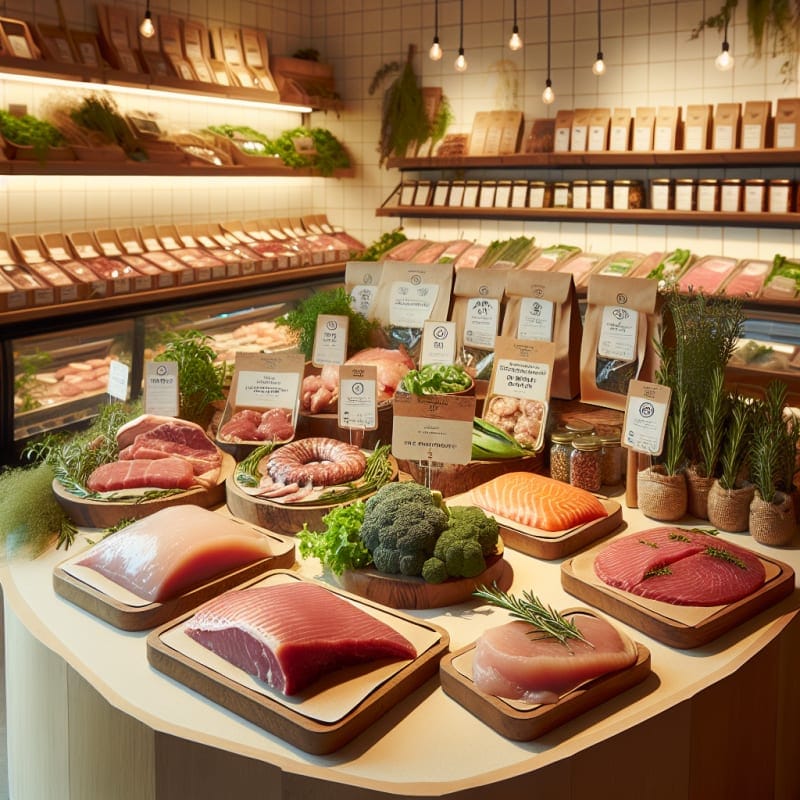
Organic meat, poultry, and seafood sales are soaring in 2025, marking one of the fastest-growing segments in the organic food industry. According to the Organic Trade Association (OTA), U.S. sales of organic animal proteins rose by 16.1% in 2024, outpacing other organic categories such as produce and dairy. This remarkable growth signals a major shift in how consumers view food quality, sustainability, and health.
Understanding the Surge in Organic Animal Proteins
The rise in organic meat, poultry, and seafood sales in 2025 reflects a convergence of health awareness, environmental responsibility, and improved accessibility. As mainstream retailers and online marketplaces expand their organic offerings, consumers are finding it easier than ever to choose cleaner, ethically sourced animal proteins.
Key Factors Driving Growth
| Driver | Impact on Market |
|---|---|
| Health Awareness | Consumers increasingly prefer organic proteins free from antibiotics, hormones, and synthetic additives. |
| Environmental Concerns | Organic livestock and aquaculture practices reduce pollution and support biodiversity. |
| Retail Expansion | Major grocery chains and e-commerce platforms now feature diverse organic meat and seafood options. |
| Transparency & Labeling | Demand for clean-label products fuels trust and repeat purchases. |
Organic Meat Market in 2025: Data and Insights
According to the latest FiBL Organic World 2025 report, global organic food sales are projected to exceed $250 billion, with animal proteins accounting for a growing share. The U.S. market, in particular, is leading this expansion due to strong consumer confidence and improved certification systems.
Organic Meat vs Conventional Price Gap 2025
While organic meat still commands a premium—typically 20–40% higher than conventional options—the price gap is narrowing as production scales up and supply chains become more efficient. This trend is expected to continue through 2025, making organic meat more accessible to middle-income consumers.
Organic Poultry Sales: The Fastest-Growing Segment
Organic poultry sales have become the standout performer within the organic animal protein category. Consumers cite better taste, humane farming practices, and reduced antibiotic use as top reasons for switching to organic chicken and turkey. Retail data from the Kadence Global Organic Wave report shows that poultry leads in household adoption, especially among families seeking healthier protein alternatives.
Consumer Trends in Organic Poultry
- Preference for pasture-raised and free-range certifications.
- Increased purchases via subscription meal kits and online butchers.
- Growing interest in local and regional organic poultry farms.
Organic Seafood Growth in 2025
The organic seafood market growth in 2025 is another major story. Organic aquaculture—covering salmon, shrimp, and shellfish—is gaining traction as consumers become more aware of ocean sustainability and traceability. The Innova Market Insights report highlights that organic seafood sales have doubled in the past three years, driven by eco-labeling and improved supply chain transparency.
Why Organic Seafood Matters
Organic seafood production avoids synthetic feed, antibiotics, and harmful chemicals. It also supports marine ecosystem balance, aligning with global sustainability goals set by the United Nations and echoed in consumer purchasing behavior.
Organic Animal Protein Consumer Trends
Modern consumers are prioritizing transparency, ethical sourcing, and nutritional integrity. Surveys show that 65% of Americans now check for organic certification when buying meat or seafood. This behavior is reinforced by social media awareness campaigns and educational content from advocacy groups.
Top Motivations for Choosing Organic Animal Proteins
- Desire for cleaner, safer food.
- Support for humane animal treatment.
- Concerns over antibiotic resistance and chemical residues.
- Commitment to environmental sustainability.
Retail and E-Commerce Expansion
Major retailers and online platforms are reshaping the organic protein market. Amazon Fresh, Walmart, and specialty stores now carry certified organic meat and seafood products nationwide. This accessibility is a key factor behind the surge in organic meat poultry seafood sales 2025.
Technology and Transparency: The Role of Apps
Consumers increasingly rely on technology to verify product authenticity. Apps like Food Scan Genius help users instantly analyze ingredient lists and certifications. By scanning product barcodes, shoppers can identify potential allergens, additives, and sustainability ratings.
“I use Food Scan Genius every time I shop. It’s reassuring to know exactly what’s in my food and whether it meets organic standards.” — Maria L., Seattle, WA
Challenges and Opportunities Ahead
Despite strong growth, the organic animal protein industry faces challenges such as limited supply, certification complexity, and higher production costs. However, technological innovation and consumer education are helping overcome these barriers. As organic standards evolve, producers are finding new ways to balance sustainability with affordability.
Regulatory and Certification Developments
Regulatory bodies continue to refine organic certification criteria for livestock and aquaculture. The OTA and FiBL emphasize stricter compliance and traceability systems to maintain consumer trust and global consistency.
Global Perspective: Organic Animal Protein Trends Worldwide
Globally, organic animal protein consumption is rising across Europe, Asia, and North America. The FiBL report notes that Europe remains a leader in organic meat and seafood exports, while Asia shows the fastest growth in domestic production.
Regional Highlights
| Region | Key Growth Insight |
|---|---|
| North America | Strong retail presence and consumer trust drive steady growth. |
| Europe | Advanced certification systems and export-oriented production. |
| Asia-Pacific | Emerging middle class fueling demand for premium organic proteins. |
FAQs About Organic Meat, Poultry, and Seafood Sales 2025
Why are organic meat sales increasing in 2025?
Organic meat sales are rising due to consumer demand for clean-label, antibiotic-free, and sustainably produced proteins. Health and environmental awareness have become major purchasing drivers.
Which organic animal protein segment is growing fastest?
Organic poultry leads the category, followed by seafood. Both benefit from improved supply chains and increased availability in mainstream retail.
Is organic seafood really better for the environment?
Yes. Organic aquaculture avoids synthetic feeds and chemicals, supporting marine ecosystem balance and reducing pollution.
Will organic meat prices drop in 2025?
Prices are expected to stabilize as production scales up and supply chains improve, narrowing the gap with conventional meat.
How can I verify if my meat or seafood is truly organic?
Look for USDA Organic or equivalent certification labels. You can also use apps like Food Scan Genius to confirm product authenticity and ingredient transparency.
Final Takeaway
The surge in organic meat, poultry, and seafood sales in 2025 represents more than a market trend—it’s a cultural shift toward transparency, sustainability, and health. As consumers continue to demand ethical and clean food sources, the organic animal protein market will remain a cornerstone of the global organic movement.
Whether you’re a health-conscious shopper or simply curious about where your food comes from, understanding ingredient labels and certifications is key. Tools like Food Scan Genius make it easier to shop smart and stay informed—because knowing what’s in your food matters more than ever.