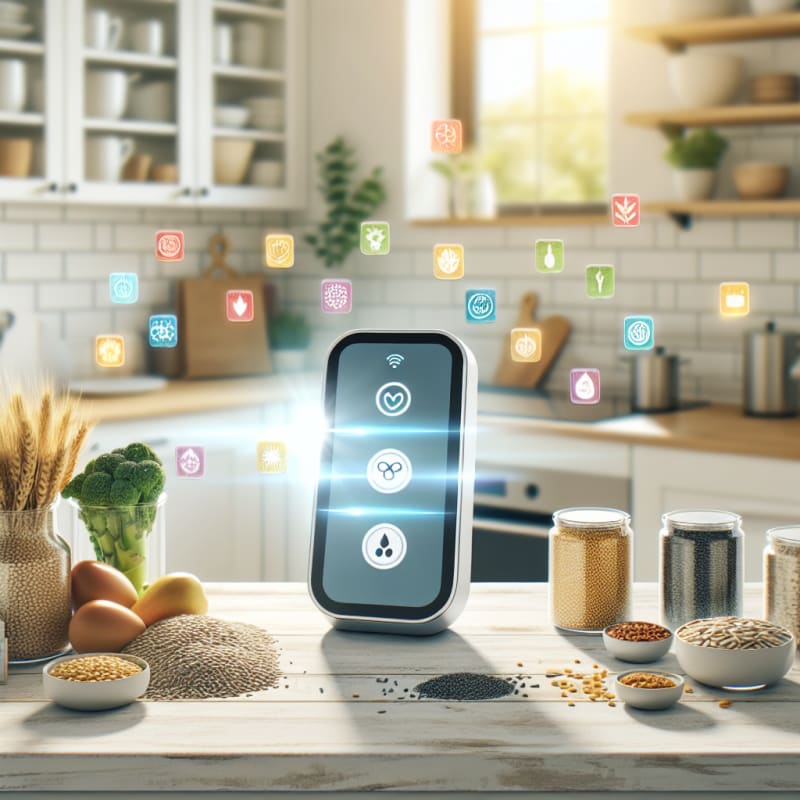
Papa’s Seeds: Food Scan Genius Analysis
Category: Food & Health
Focus Keyword: papa’s seeds
Search Intent: Informational
In an era where food transparency and ingredient awareness are paramount, understanding what we consume is more critical than ever. From supermarket aisles to restaurant menus, the demand for clear, science-backed information about food ingredients continues to rise. Among the lesser-known yet increasingly discussed ingredients is papa’s seeds—a term that has surfaced in nutrition circles, food labeling, and AI-powered food analysis apps. This article provides a comprehensive analysis of papa’s seeds, leveraging the advanced capabilities of Food Scan Genius, recent scientific studies, and expert commentary to empower informed food choices.
What Are Papa’s Seeds?
Papa’s seeds, while not yet a household name, refer to the seeds derived from the Papaver somniferum plant, commonly known as the poppy. These seeds are widely used in culinary applications, including baking, salad dressings, and traditional dishes across Europe, Asia, and North America. The term “papa’s seeds” has gained traction in digital food databases and ingredient tracking apps, reflecting a growing interest in their nutritional profile and safety implications.
Nutritional Composition of Papa’s Seeds
| Nutrient | Amount per 100g | Health Benefit |
|---|---|---|
| Protein | 18g | Supports muscle growth and repair |
| Dietary Fiber | 20g | Promotes digestive health |
| Calcium | 1438mg | Essential for bone health |
| Iron | 9.76mg | Supports oxygen transport |
| Omega-6 Fatty Acids | 8.6g | Contributes to heart health |
According to the USDA FoodData Central, poppy seeds are a dense source of nutrients, particularly minerals and healthy fats. Their high fiber and protein content make them a valuable addition to vegetarian and vegan diets.
Health Implications: Benefits and Risks
Potential Health Benefits
- Rich in Essential Minerals: Papa’s seeds provide significant amounts of calcium, iron, and magnesium, supporting bone, blood, and metabolic health.
- Antioxidant Properties: The seeds contain polyphenols and other antioxidants that may help reduce oxidative stress, as documented in a 2019 PubMed review.
- Digestive Support: High dietary fiber content aids in regular bowel movements and gut health.
Risks and Safety Concerns
Despite their nutritional value, papa’s seeds are not without controversy. The seeds can contain trace amounts of opiate alkaloids, such as morphine and codeine, depending on harvesting and processing methods. While the levels are generally considered safe for consumption, excessive intake may pose risks, especially for sensitive populations.
- Opiate Alkaloid Content: The European Food Safety Authority (EFSA) has issued guidance on maximum allowable alkaloid levels in poppy seeds to minimize health risks.
- Allergen Potential: Like many seeds, papa’s seeds can trigger allergic reactions in susceptible individuals.
- Drug Testing Implications: Consumption of poppy seeds may result in false positives for opiates in drug screening, as reported by the U.S. Food & Drug Administration (FDA).
Food Scan Genius: AI-Powered Ingredient Insights
With the proliferation of food sensitivities and dietary preferences, consumers increasingly rely on technology to decode ingredient lists. Food Scan Genius is an AI-powered mobile app that scans product labels and provides instant analysis of ingredients, including papa’s seeds. The app leverages advanced natural language processing (NLP) and entity recognition to flag potential allergens, dietary conflicts, and health risks.
How Food Scan Genius Works
- Real-Time Ingredient Analysis: Users scan food labels with their smartphone camera, and the app instantly identifies papa’s seeds and related entities.
- Allergen Alerts: The app cross-references user profiles for allergies or sensitivities, providing immediate warnings.
- Diet Compatibility: Food Scan Genius evaluates whether papa’s seeds fit within vegan, gluten-free, or other dietary frameworks.
- Scientific References: Each flagged ingredient is accompanied by links to authoritative sources, such as FDA and EFSA guidance.
User Testimonial: “As someone with food allergies, Food Scan Genius has been a game-changer. It flagged papa’s seeds in a bakery item I was about to buy, saving me from a potential reaction. Highly recommend downloading it from scangeni.us!”
Current News and Regulatory Updates
- FDA Issues New Guidance: In 2023, the FDA updated its advisory on poppy seed consumption, emphasizing the importance of proper processing to reduce opiate alkaloid content (FDA).
- EFSA Tightens Safety Standards: The European Food Safety Authority revised its risk assessment for poppy seeds in food products, recommending lower thresholds for alkaloid residues (EFSA Journal).
- Consumer Awareness Rises: A recent New York Times article highlighted the implications of poppy seed consumption on workplace drug testing, fueling public debate.
- Food Labeling Innovations: According to FoodNavigator, AI-driven apps like Food Scan Genius are transforming ingredient transparency for consumers worldwide.
Frequently Asked Questions (FAQ) About Papa’s Seeds
A: Yes, papa’s seeds are generally safe when consumed in moderation. Regulatory bodies like the FDA and EFSA have set guidelines to ensure minimal opiate alkaloid content. However, individuals with allergies or sensitivities should exercise caution.
A: Yes, consuming papa’s seeds may result in false positives for opiates in urine drug tests, as documented by the FDA and highlighted in recent news articles.
A: Papa’s seeds are plant-based and naturally gluten-free, making them suitable for both vegan and gluten-free diets. Always check for cross-contamination in processed foods.
A: Food Scan Genius instantly identifies papa’s seeds in ingredient lists, flags potential allergens, and provides scientific references for informed decision-making.
A: Papa’s seeds are rich in protein, fiber, calcium, iron, and healthy fats, supporting overall health and wellness.
Broader Implications: Ingredient Transparency and Food Safety
The scrutiny surrounding papa’s seeds reflects a larger trend in food safety and ingredient transparency. As consumers grow more vigilant about what enters their bodies, the need for reliable information and smart technology becomes evident. The intersection of regulatory oversight, scientific research, and AI-powered analysis is reshaping how we approach food choices.
- Food Sensitivities: Millions of people worldwide face challenges related to allergies, intolerances, and dietary restrictions. Ingredient scanning apps like Food Scan Genius offer personalized protection.
- Global Supply Chains: The origin and processing of seeds and other ingredients can vary widely, affecting safety and nutritional value.
- Regulatory Evolution: Agencies such as the FDA and EFSA continuously update standards in response to emerging risks and consumer feedback.
Conclusion: Making Informed Choices with Papa’s Seeds
Understanding the nuances of papa’s seeds—nutritional benefits, potential risks, and regulatory context—empowers consumers to make informed food choices. As ingredient transparency becomes a central issue in public health, leveraging technology like Food Scan Genius ensures that individuals can navigate complex labels with confidence.
Whether you are managing food sensitivities, optimizing your diet, or simply seeking to understand what’s in your food, the combination of scientific research, regulatory guidance, and AI-powered tools offers a blueprint for safer, healthier eating. As the food landscape evolves, staying informed and proactive is not just advisable—it is essential.
References
- USDA FoodData Central: Nutrient profile of poppy seeds
- EFSA Journal: Risk assessment of opiate alkaloids in poppy seeds
- PubMed: Antioxidant properties of poppy seeds
- FDA: Poppy seeds and opiates in food
- New York Times: Poppy seeds and drug testing
- FoodNavigator: AI apps and food labeling
For more personalized ingredient analysis and safety alerts, download Food Scan Genius from scangeni.us.