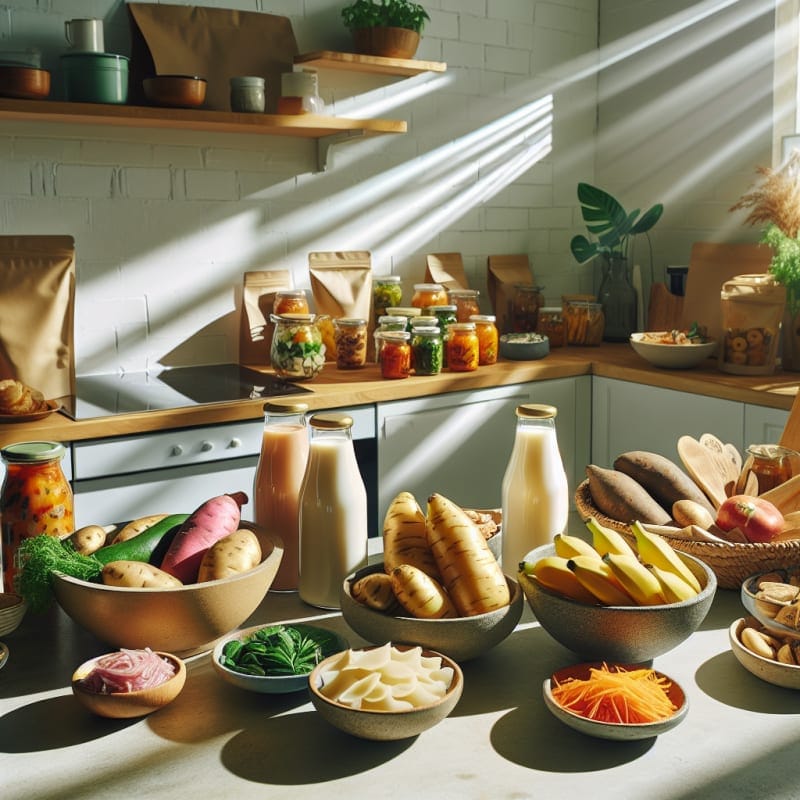
Top Plant-Based Food Trends to Watch in 2025 for Vegetarians
As we step into 2025, vegetarian and vegan diets are evolving faster than ever. Consumers are demanding sustainable, nutrient-rich, and minimally processed plant-based foods that align with both personal health goals and environmental values. From potato milk to vegan seafood alternatives and fermented plant foods, the plant-based movement is entering a new era of innovation and transparency.
According to recent reports from Restaurantware and TriplePundit, the next wave of vegetarian innovation focuses on sustainability, whole-food nutrition, and hyperlocal sourcing. Let’s explore the most exciting plant-based food trends for 2025 and what they mean for the future of vegetarian eating.
1. Sustainable Plant-Based Milks: The Rise of Potato Milk
Move over oat and almond — potato milk is emerging as the new star in the plant-based milk category. Made from boiled potatoes and pea protein, this creamy beverage is gaining traction for being low-allergen, highly sustainable, and nutrient-dense. It requires less water and land to produce than traditional nut milks, making it a smart choice for eco-conscious consumers.
Why Potato Milk Is Trending
- Uses fewer natural resources compared to almond or soy milk.
- Rich in potassium and vitamin C, supporting heart and immune health.
- Neutral flavor profile ideal for cooking, baking, and coffee.
As highlighted by Whole30, potato milk aligns perfectly with the movement toward whole food vegetarian meals and clean, allergen-friendly ingredients.
2. Vegan Seafood Alternatives: Banana Blossom Fish & Mushroom Scallops
One of the most fascinating vegan seafood alternatives in 2025 is the use of banana blossom and mushroom-based scallops. These ingredients mimic the texture and flavor of traditional seafood while maintaining a fully plant-based profile.
Top Vegan Seafood Substitutes for 2025
| Seafood Substitute | Main Ingredient | Key Nutrients | Sustainability Factor |
|---|---|---|---|
| Banana Blossom Fish | Banana blossom, seaweed | Fiber, antioxidants | Low waste, upcycled fruit parts |
| Mushroom Scallops | King oyster mushrooms | Protein, B vitamins | Minimal water use |
| Seaweed Tuna | Seaweed, chickpeas | Omega-3s, iodine | Regenerative ocean farming |
These vegan seafood alternatives are not only delicious but also help address overfishing and marine ecosystem depletion. As Caramandas notes, consumers are increasingly drawn to ocean-friendly innovations that blend taste with ethics.
3. Whole Food Vegetarian Meals: Simplified and Nutrient-Dense
In 2025, “whole food” is more than a buzzword — it’s a lifestyle. Vegetarian consumers are prioritizing meals made from recognizable, minimally processed ingredients that deliver complete nutrition. Think lentil-based pasta, beet burgers, and sprouted grain bowls.
Benefits of Whole Food Vegetarian Eating
- Improved digestion and gut health.
- Higher nutrient absorption from natural sources.
- Reduced reliance on additives and preservatives.
According to TriplePundit, this shift toward nutrient-dense whole food vegetarian recipes reflects a broader movement toward transparency and ingredient literacy — consumers want to know exactly what’s in their food.
4. Fermented Plant Foods: Gut Health Meets Sustainability
Fermented foods are making a powerful comeback. From kimchi and tempeh to fermented nut cheeses and kombucha, these foods support gut microbiome balance and enhance nutrient bioavailability. They also reduce food waste by extending shelf life naturally.
Why Fermented Foods Benefit Vegetarians
- Boost beneficial gut bacteria for better digestion.
- Enhance vitamin B12 and K2 absorption.
- Reduce the need for synthetic preservatives.
As Whole30 points out, fermented plant foods are key for vegetarians seeking natural sources of probiotics and flavor complexity without animal-based ingredients.
5. Hyperlocal Plant-Based Ingredients: Eating Close to Home
Hyperlocal sourcing — using ingredients grown within a small regional radius — is redefining sustainability. In 2025, plant-based brands and restaurants are focusing on locally grown legumes, herbs, and vegetables to reduce carbon footprints and support community agriculture.
Examples of Hyperlocal Plant-Based Ingredients
- Microgreens grown in urban hydroponic farms.
- Locally harvested mushrooms and seaweed.
- Region-specific grains like millet and amaranth.
According to Caramandas, hyperlocal ingredients are not only fresher but also help strengthen local food systems, making vegetarian diets more resilient and community-driven.
6. Transparency and Ingredient Scanning: The Role of Food Scan Genius
With so many new plant-based products hitting the shelves, ingredient transparency matters more than ever. The Food Scan Genius app (scangeni.us) empowers consumers to instantly analyze food labels, identify allergens, and check for sustainability ratings.
“I started using Food Scan Genius to check for hidden additives in my vegan meals — it’s a game-changer for anyone who wants to eat clean and sustainable,” says Sarah, a long-time vegetarian user.
This technology supports the growing movement toward clean-label plant-based foods by helping users make informed choices aligned with their health and environmental goals.
Why These Trends Matter for Everyone
Even if you’re not vegetarian, these plant-based food trends for 2025 influence the entire food industry. They address global issues like climate change, biodiversity loss, and public health. The rise of sustainable plant-based milks, fermented foods, and hyperlocal sourcing shows how innovation can make eating both healthier and more ethical.
FAQs: Plant-Based Food Trends 2025
What are the biggest plant-based food trends for 2025?
The top trends include potato milk, vegan seafood alternatives like banana blossom fish, nutrient-rich whole food meals, fermented plant foods, and hyperlocal ingredient sourcing.
Why is potato milk considered sustainable?
Potato milk uses fewer resources than nut-based milks, grows in diverse climates, and provides high nutritional value with minimal environmental impact.
Are vegan seafood alternatives healthy?
Yes. Banana blossom and mushroom-based seafood substitutes are rich in fiber, antioxidants, and plant proteins while avoiding mercury and microplastics found in fish.
How do fermented foods support vegetarian health?
Fermented foods improve gut health, enhance nutrient absorption, and provide natural probiotics essential for balanced digestion.
What does hyperlocal sourcing mean for vegetarians?
It means choosing ingredients grown nearby, reducing transportation emissions, and supporting local farmers for fresher, more sustainable meals.
How can Food Scan Genius help vegetarian consumers?
Food Scan Genius helps users scan packaged foods for allergens, additives, and sustainability scores, promoting transparency and informed eating.
Final Takeaway
The plant-based food trends of 2025 are transforming vegetarian diets into a more sustainable, nutrient-rich, and transparent experience. Whether you’re sipping potato milk, enjoying mushroom scallops, or exploring fermented foods, every choice contributes to a healthier planet and body. And with tools like Food Scan Genius, understanding what’s in your food has never been easier — empowering all of us to eat smarter, cleaner, and closer to home.