Top Plant-Based Food Trends and Innovations Shaping Vegan Eating in 2025
In 2025, plant-based food trends are redefining how people eat, shop, and think about nutrition. What began as a niche vegan movement has evolved into a mainstream lifestyle driven by innovation, sustainability, and health awareness. From high-protein plant-based foods to clean-label vegan products, the market is maturing—and consumers are demanding more transparency, better taste, and whole-ingredient quality.
According to VegOut Magazine, 2025 marks a turning point where plant-based eating is no longer about imitation meats but about celebrating plants themselves. This shift is echoed by The Vegan Society, which reports a growing number of flexitarian consumers embracing vegan meals for health and environmental reasons.
Why Plant-Based Food Trends Matter in 2025
The global plant-based market continues to expand, with Vegconomist reporting steady growth across categories like dairy alternatives, snacks, and ready-to-eat meals. Far from being a passing fad, this evolution reflects a deeper consumer shift toward sustainable and ethical food systems.
- Health-driven choices: Consumers are prioritizing nutrient density, protein quality, and gut-friendly ingredients.
- Environmental awareness: Reducing carbon footprints through plant-based diets is now a mainstream motivation.
- Technological innovation: Food tech is enabling new textures, flavors, and nutrient profiles in vegan products.
1. Whole-Ingredient Plant-Based Products Take Center Stage
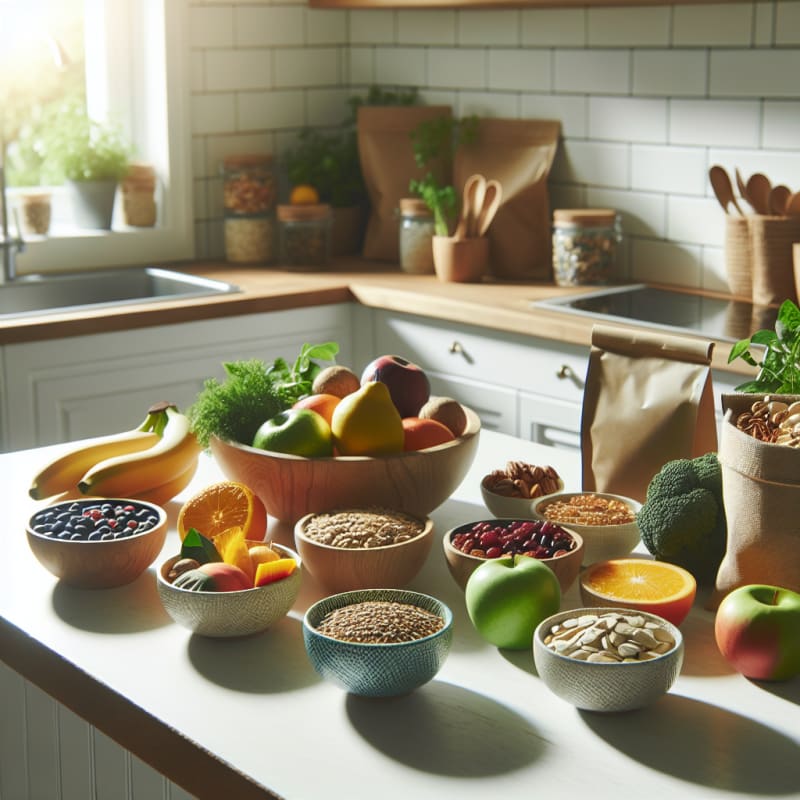
Gone are the days when plant-based foods were defined by imitation burgers. In 2025, the focus has shifted to whole-ingredient vegan meals—products made from recognizable, minimally processed foods like lentils, mushrooms, chickpeas, and seaweed.
According to Innova Market Insights, consumers increasingly associate “plant-based” with “natural” and “authentic.” Brands are responding with ingredient transparency and shorter labels, aligning with the clean eating movement.
Examples of Whole-Ingredient Innovations
| Product Type | Key Ingredients | Consumer Benefit |
|---|---|---|
| Plant-based bowls | Quinoa, lentils, kale | High fiber, nutrient-dense |
| Vegan snacks | Chickpeas, seeds, mushrooms | Protein-rich, clean-label |
| Dairy-free yogurts | Oats, coconut, almonds | Probiotic and allergen-friendly |
2. High-Protein Plant-Based Foods Dominate New Product Launches
Protein remains the top driver of consumer interest. As Tastewise reports, searches for “high-protein vegan” have surged, reflecting a demand for plant-based protein sources that rival animal products in nutrition and taste.
Innovations include pea-protein concentrates, fermented soy, and blends of ancient grains and legumes. These formulations not only improve amino acid profiles but also enhance texture and satiety—key factors for flexitarian consumers transitioning from meat.
Top High-Protein Plant-Based Sources in 2025
- Pea and fava bean protein isolates
- Fermented lentil and chickpea protein
- Hemp, chia, and quinoa blends
- Mycoprotein (fungus-based) innovations
3. Clean Eating Vegan Products and Label Transparency
Consumers are scrutinizing ingredient lists more than ever. The Plant Based News reports that the sector is evolving toward “clean-label” formulations—free from artificial additives, gums, and synthetic flavorings.
This transparency trend aligns with broader health movements like Whole30 and mindful eating, as discussed in Whole30’s 2025 plant-based food trends article. Shoppers want foods that are both ethical and easy to understand.
What “Clean-Label” Means in 2025
- Minimal processing and recognizable ingredients
- No artificial preservatives or colorants
- Certified vegan and non-GMO verification
- Transparent sourcing and sustainability claims
4. The Consumer Shift: From Veganism to Flexitarianism
While the number of full-time vegans continues to grow, the biggest market driver is the rise of flexitarian consumers—those who eat mostly plant-based but occasionally include animal products. According to The Vegan Society, this group now represents a significant percentage of the population, fueling steady demand for vegan options.
This shift reflects a broader cultural movement toward balance, sustainability, and conscious consumption. People are less focused on labels and more on impact—both personal and planetary.
5. Market Growth and the Next Phase of Plant-Based Evolution
Despite headlines suggesting a slowdown, data from Vegconomist and Plant Based News confirm that the plant-based sector is entering a phase of maturation, not decline. Brands are optimizing for taste, nutrition, and affordability rather than novelty alone.
According to Innova Market Insights, the next wave of innovation will focus on hybrid products—combining plant and fermentation-based proteins—and on regional flavor profiles that make vegan eating more culturally diverse and exciting.
6. Technology and Sustainability: The Future of Vegan Innovation 2025
Food technology continues to drive the vegan innovation 2025 landscape. Precision fermentation, upcycled ingredients, and AI-driven recipe development are helping brands reduce waste and improve nutrition.
These innovations not only appeal to eco-conscious consumers but also support global sustainability goals by lowering greenhouse gas emissions and conserving water resources.
Tech-Driven Plant-Based Innovations
- AI-assisted flavor optimization for plant-based dairy
- Fermentation-based protein alternatives
- Upcycling food waste into nutritious vegan ingredients
7. Food Scan Genius: Empowering Smarter Vegan Choices
As ingredient lists grow more complex, tools like Food Scan Genius are helping consumers make informed choices. The app scans product labels and instantly identifies allergens, additives, and nutritional values—ideal for anyone following a clean eating vegan lifestyle.
“I started using Food Scan Genius to check for hidden dairy and additives in my plant-based snacks. It’s made grocery shopping so much easier!” – Maya, vegan consumer
With the growing demand for ingredient transparency, apps like Food Scan Genius are becoming essential for navigating the evolving plant-based marketplace.
8. Why These Trends Matter for Everyone
Even for non-vegans, the rise of plant-based innovation benefits all consumers. It encourages sustainable agriculture, supports biodiversity, and promotes better nutrition. As more brands embrace whole ingredients and ethical sourcing, the entire food system becomes more resilient and transparent.
FAQs: Plant-Based Food Trends 2025
What are the biggest plant-based food trends in 2025?
The top trends include whole-ingredient vegan products, high-protein plant-based foods, clean-label formulations, and the rise of flexitarian diets.
Are plant-based meats still popular in 2025?
Yes, but the focus has shifted toward more natural, whole-food alternatives rather than heavily processed imitation meats.
What drives consumers to choose plant-based foods?
Health, sustainability, and ethical concerns are the main motivators, along with improved taste and variety in vegan options.
How is technology shaping vegan innovation in 2025?
AI, fermentation, and upcycling technologies are creating more sustainable, nutrient-rich, and flavorful plant-based foods.
How can Food Scan Genius help plant-based eaters?
Food Scan Genius helps users identify hidden ingredients, allergens, and additives, ensuring transparency and supporting clean vegan eating.
Final Takeaway
The plant-based food trends of 2025 reveal a maturing market that values authenticity, health, and sustainability. As consumers move from imitation products to nutrient-rich, whole-ingredient foods, the vegan sector is poised for long-term growth and innovation. Whether you’re vegan, flexitarian, or simply curious about cleaner eating, understanding these shifts helps you make smarter, more sustainable choices—especially with tools like Food Scan Genius leading the way toward ingredient transparency.