Top Plant-Based Protein Trends for 2025: Pea Power, Mushrooms, and High-Protein Whole Foods
Plant-based protein trends in 2025 are redefining how consumers think about nutrition, sustainability, and affordability. As vegan diets become mainstream, ingredients like pea protein, mushrooms, and high-protein whole foods are driving innovation across grocery shelves and restaurant menus. Whether you’re a committed vegan or simply exploring plant-forward eating, understanding these trends helps you make smarter, more sustainable food choices.
Why Plant-Based Protein Is Booming in 2025
According to VegOut Magazine, 2025 marks a turning point for vegan eating habits. Consumers are prioritizing protein density, clean-label ingredients, and affordable plant-based options. Meanwhile, Vegconomist reports steady growth in private-label vegan products and innovations that make plant proteins more accessible worldwide.
Three major factors are fueling this surge:
- Health awareness: People want nutrient-rich, high-protein meals without additives.
- Environmental sustainability: Plant proteins emit fewer greenhouse gases than animal sources.
- Affordability and accessibility: New production methods are lowering costs for consumers.
1. Pea Protein: The Affordable Powerhouse
Pea protein continues to dominate vegan shelves in 2025. It’s hypoallergenic, rich in essential amino acids, and easily digestible. Brands are using it in everything from plant-based milks to protein powders and meat alternatives.
Why Pea Protein Stands Out
| Feature | Benefit |
|---|---|
| High Protein Density | Contains up to 25g per serving |
| Neutral Flavor | Blends well in smoothies and recipes |
| Low Allergen Risk | Free from soy, gluten, and dairy |
| Eco-Friendly | Requires less water and fertilizer than animal protein |
Pea protein is now competing directly with soy in vegan diets. Many consumers prefer it for its cleaner taste and sustainability profile. The pea protein vs soy debate is heating up as brands reformulate to meet demand for allergen-free options.
Quick Recipe Idea
Blend a scoop of pea protein powder with oat milk, frozen banana, and a spoonful of almond butter for a high-protein vegan breakfast smoothie that’s ready in minutes.
2. Mushroom-Based Meals: Flavor Meets Function
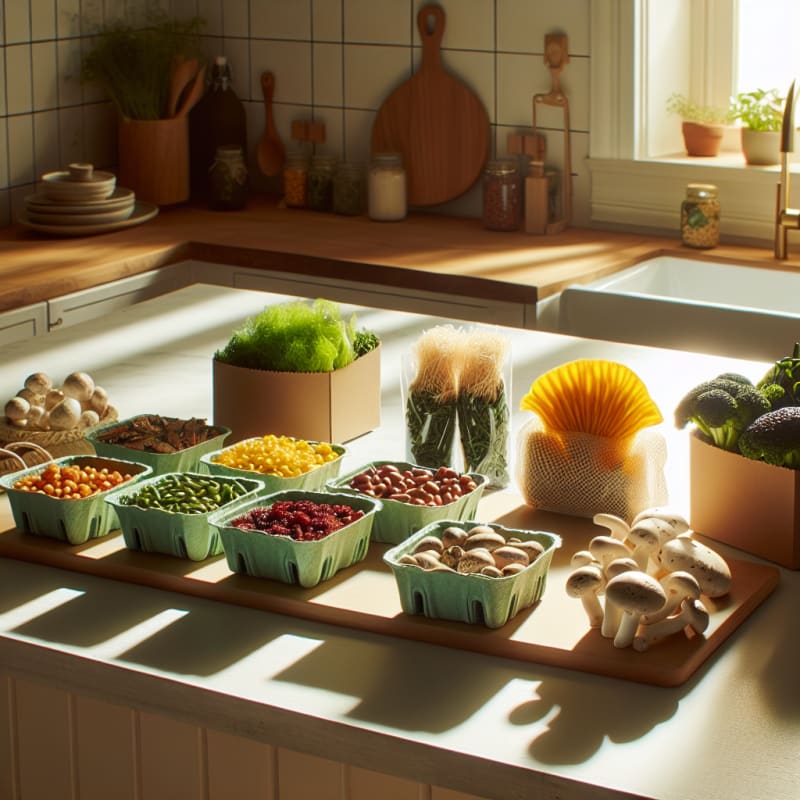
Mushrooms are emerging as the new frontier in plant-based protein. Their umami flavor, fibrous texture, and nutritional profile make them ideal for meat substitutes and whole-food dishes. From lion’s mane burgers to shiitake jerky, mushroom-based meals are a top vegan protein 2025 trend.
Why Mushrooms Are Trending
- Natural umami taste enhances flavor without artificial additives.
- Rich in B vitamins and antioxidants that support energy metabolism.
- Adaptogenic varieties like reishi and cordyceps are linked to stress relief and immunity.
As Vegconomist notes, mushroom-based proteins are bridging the gap between whole-food nutrition and culinary innovation. Expect to see more mushroom burgers, vegan jerky, and ready-to-eat meals hitting stores this year.
Budget Tip
Buy fresh mushrooms in bulk and sauté them with lentils or quinoa for a protein-packed vegan stir-fry that costs under $3 per serving.
3. High-Protein Whole Foods: Back to Basics
Beyond isolates and powders, 2025 consumers are rediscovering whole-food protein sources. Lentils, chickpeas, quinoa, and hemp seeds are gaining traction as affordable, minimally processed options for daily meals.
Top Whole-Food Proteins for 2025
| Food | Protein (per 100g) | Bonus Nutrients |
|---|---|---|
| Lentils | 9g | Iron, fiber |
| Chickpeas | 8g | Folate, manganese |
| Quinoa | 4g | Magnesium, complete amino acids |
| Hemp seeds | 31g | Omega-3s, healthy fats |
These foods are not only high in protein but also rich in micronutrients that support long-term health. They’re ideal for budget-conscious eaters looking for vegan high-protein trends affordable options.
How Food Scan Genius Helps You Choose Smarter
Ingredient transparency is more important than ever. The Food Scan Genius app lets users scan any product to instantly see its protein content, allergens, and sustainability score. It’s especially useful for those navigating pea protein vs soy or checking for hidden additives in mushroom-based meals.
“I use Food Scan Genius every time I shop — it helps me find clean, high-protein vegan foods without worrying about hidden ingredients.” — Lara M., vegan athlete
Market Insights: What’s Next for Vegan Protein
According to VegOut, the 2025 vegan market is evolving toward functional proteins that deliver more than just nutrition — they support gut health, immunity, and recovery. Expect to see blends combining pea, rice, and mushroom proteins for complete amino acid profiles.
Emerging Innovations
- Fermented pea protein for improved digestibility.
- Mycelium-based meat alternatives with authentic texture.
- Hybrid whole-food protein snacks combining seeds and legumes.
FAQs: Plant-Based Protein Trends 2025
What are the best plant-based proteins for 2025?
Pea protein, mushrooms, lentils, and hemp seeds are leading the way thanks to their high protein content, affordability, and sustainability.
Is pea protein better than soy in vegan diets?
Pea protein is often preferred for being allergen-free and easier to digest, while soy remains a complete protein source. Many brands now blend both for balanced nutrition.
Are mushroom-based meals high in protein?
While mushrooms have moderate protein levels, they’re often combined with legumes or grains to create high-protein, nutrient-rich vegan meals.
How can I find affordable vegan protein options?
Buy whole foods like lentils and chickpeas in bulk, and use apps like Food Scan Genius to compare protein content and prices.
Why is ingredient transparency important in vegan products?
Transparency ensures you avoid hidden allergens and additives. It also helps identify sustainable sources and verify true protein content.
{
“@context”: “https://schema.org”,
“@type”: “FAQPage”,
“mainEntity”: [
{
“@type”: “Question”,
“name”: “What are the best plant-based proteins for 2025?”,
“acceptedAnswer”: {
“@type”: “Answer”,
“text”: “Pea protein, mushrooms, lentils, and hemp seeds are leading the way thanks to their high protein content, affordability, and sustainability.”
}
},
{
“@type”: “Question”,
“name”: “Is pea protein better than soy in vegan diets?”,
“acceptedAnswer”: {
“@type”: “Answer”,
“text”: “Pea protein is often preferred for being allergen-free and easier to digest, while soy remains a complete protein source. Many brands now blend both for balanced nutrition.”
}
},
{
“@type”: “Question”,
“name”: “Are mushroom-based meals high in protein?”,
“acceptedAnswer”: {
“@type”: “Answer”,
“text”: “While mushrooms have moderate protein levels, they’re often combined with legumes or grains to create high-protein, nutrient-rich vegan meals.”
}
},
{
“@type”: “Question”,
“name”: “How can I find affordable vegan protein options?”,
“acceptedAnswer”: {
“@type”: “Answer”,
“text”: “Buy whole foods like lentils and chickpeas in bulk, and use apps like Food Scan Genius to compare protein content and prices.”
}
},
{
“@type”: “Question”,
“name”: “Why is ingredient transparency important in vegan products?”,
“acceptedAnswer”: {
“@type”: “Answer”,
“text”: “Transparency ensures you avoid hidden allergens and additives. It also helps identify sustainable sources and verify true protein content.”
}
}
]
}
Final Takeaway
The plant-based protein trends of 2025 prove that vegan eating is no longer niche — it’s practical, affordable, and delicious. Pea protein leads the charge, mushrooms bring culinary depth, and whole foods deliver balanced nutrition. As consumers demand transparency and sustainability, tools like Food Scan Genius empower smarter choices for everyone who values health and the planet.
Bottom line: Whether you’re blending a pea protein smoothie, grilling a mushroom burger, or cooking a lentil stew, 2025 is the year to embrace plant-powered protein for a better future.