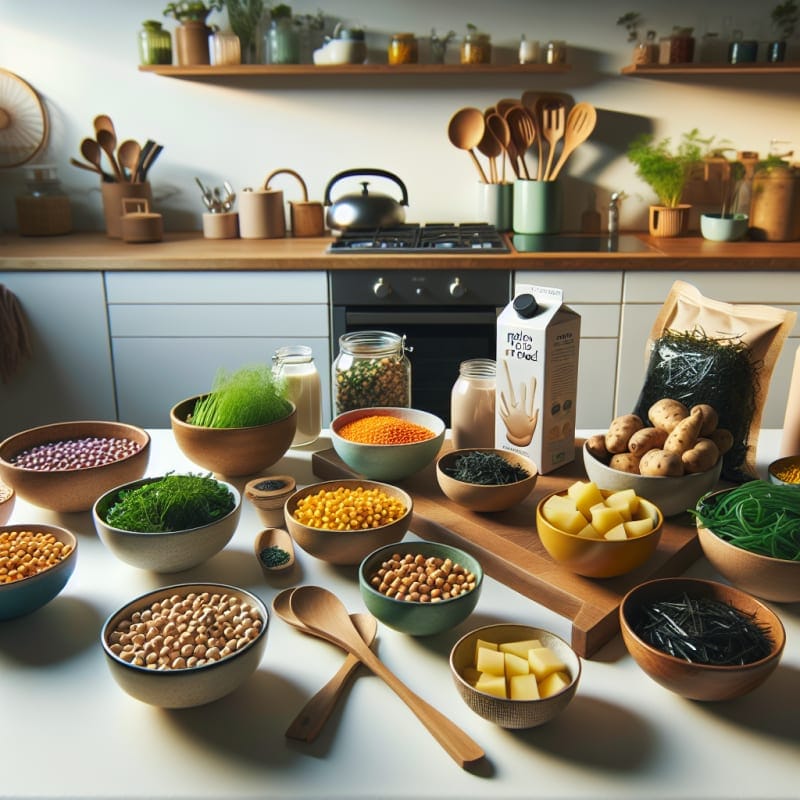
Top Plant-Based Protein and Vegan Seafood Trends to Watch in 2025
Whether you’re a lifelong vegetarian, a flexitarian, or simply curious about sustainable eating, 2025 is shaping up to be a breakthrough year for plant-based proteins and vegan seafood alternatives. The global shift toward cleaner, more sustainable diets is driving innovation across food technology, restaurants, and grocery aisles. From potato milk to vegetable-forward vegan foods and plant-based fast food, the new wave of products is redefining what it means to eat green.
According to Restaurantware’s 2025 vegan trends report and TriplePundit’s analysis, consumers are demanding transparency, better nutrition, and authentic flavor experiences. Social media platforms like TikTok and Instagram are amplifying these trends, with viral recipes and influencer-backed launches spotlighted by PETA’s vegan food trends for 2025.
Why Plant-Based Proteins Are Dominating 2025
The rise of plant-based proteins in 2025 is fueled by three major forces:
- Environmental sustainability: Consumers are reducing animal-based consumption to lower carbon footprints.
- Health and wellness: Clean-label, whole-food ingredients are replacing processed meat alternatives.
- Innovation and accessibility: New technologies make plant proteins more affordable and flavorful than ever.
Key Drivers Behind the Trend
| Driver | Impact on Market | Examples |
|---|---|---|
| Climate-conscious consumers | Boosts demand for sustainable proteins | Pea, fava bean, and chickpea proteins |
| Health-first eating | Encourages clean, minimally processed foods | Whole lentil and quinoa-based products |
| Tech-driven innovation | Improves texture and flavor of plant meats | Fermentation and precision protein technology |
Emerging Plant-Based Protein Sources
In 2025, the spotlight is on whole food plant-based protein innovations that go beyond soy and tofu. Companies are experimenting with nutrient-dense, allergen-friendly ingredients that appeal to a broader audience.
1. Potato Protein and Potato Milk
Potato milk is one of the most talked-about sustainable vegan milk options. It’s creamy, allergen-free, and has a neutral flavor that works in coffee, baking, and smoothies. Brands are using potato starch and protein isolates to create dairy alternatives that rival oat and almond milk in texture and nutrition.
2. Fava Bean and Lupin Protein
Fava beans and lupins are emerging as plant proteins without powders—rich in amino acids and fiber, yet gentle on digestion. These legumes are being used in everything from meatballs to protein pasta, offering a clean, whole-food approach to plant-based eating.
3. Fermentation-Based Proteins
Precision fermentation is reshaping the protein landscape. By using microbes to produce animal-identical proteins without livestock, this technology bridges the gap between sustainability and taste. Expect to see more yogurts, cheeses, and meats made with fermentation-derived proteins in 2025.
Vegan Seafood Alternatives: The Next Frontier
One of the fastest-growing segments of the vegetarian market is vegan seafood alternatives. Driven by concerns over overfishing and ocean pollution, brands are innovating with seaweed, algae, and root vegetables to mimic the texture and flavor of fish.
Top Vegan Seafood Innovations in 2025
- Seaweed-based tuna: Offers omega-3s and a natural umami flavor.
- Jackfruit crab cakes: Deliver a flaky texture with zero cholesterol.
- Mycoprotein shrimp: Made from fungi, providing a realistic bite and high protein.
- Carrot lox: A vegetable-forward twist on smoked salmon.
According to PETA’s 2025 vegan food trend report, plant-based seafood is expected to be a major retail and restaurant focus this year, with chefs experimenting with sea vegetables, konjac, and chickpea flour to replicate traditional seafood dishes.
Plant-Based Fast Food Goes Mainstream
Fast food chains are no longer treating vegan options as niche. In 2025, plant-based fast food is becoming a core menu category. From burgers made with lentils and mushrooms to vegan fish sandwiches, major brands are tapping into the flexitarian market.
Restaurantware notes that quick-service restaurants are introducing limited-time vegan specials inspired by global cuisines—think Korean BBQ jackfruit tacos and Mediterranean chickpea wraps. These dishes appeal to both vegans and meat-eaters seeking variety and sustainability.
Clean Eating and Ingredient Transparency
Consumers are increasingly seeking clean eating plant-based options with short ingredient lists and recognizable components. Transparency is key—people want to know exactly what’s in their food and how it’s sourced.
How Food Scan Genius Helps
Apps like Food Scan Genius are empowering shoppers to make informed choices. By scanning product labels, users can instantly see allergen information, sustainability ratings, and ingredient origins. This technology supports the growing demand for honesty in food labeling and helps those with dietary sensitivities navigate the expanding plant-based market.
“I’ve discovered so many new vegan products since using Food Scan Genius—it makes grocery shopping so much easier!” — Maya, Los Angeles
Global Impact of Emerging Plant-Based Foods
The shift toward vegetable-forward vegan foods is not just a dietary trend—it’s a global sustainability movement. Reducing reliance on animal agriculture can significantly lower greenhouse gas emissions and conserve water resources. Governments and NGOs are encouraging plant-based innovation as part of climate action strategies.
Meanwhile, social media continues to amplify these changes. Viral TikTok recipes featuring chickpea tuna melts and potato milk lattes are inspiring millions to try plant-based meals at home. This cultural momentum is helping normalize vegan eating across demographics and geographies.
What’s Next for Plant-Based Proteins in 2025 and Beyond
Looking ahead, the future of plant-based proteins 2025 lies in diversity and innovation. Expect to see hybrid products combining multiple protein sources for balanced nutrition and improved texture. Advances in food science will continue to close the sensory gap between plant-based and animal-based foods.
As more companies adopt regenerative agriculture and circular production models, the next generation of plant-based foods will be not only delicious but also deeply sustainable.
FAQs About Plant-Based Proteins and Vegan Seafood Alternatives
1. What are the best plant-based seafood alternatives in 2025?
The most popular options include seaweed-based tuna, mycoprotein shrimp, and jackfruit crab cakes. These provide realistic textures and are rich in nutrients without harming marine ecosystems.
2. Why is potato milk trending?
Potato milk is allergen-friendly, sustainable, and creamy. It’s gaining popularity as a dairy alternative that supports clean eating and reduces environmental impact.
3. Are plant-based proteins healthier than meat?
Many plant-based proteins are lower in saturated fat and cholesterol while offering fiber and antioxidants. However, it’s best to choose whole-food options over highly processed ones.
4. How can I find clean-label plant-based foods?
Look for short ingredient lists and recognizable components. Tools like Food Scan Genius can help identify clean and transparent products.
5. What are the new vegan fast food trends for 2025?
Expect global-inspired dishes like lentil burgers, jackfruit tacos, and chickpea wraps. Major chains are expanding their vegan menus to meet rising demand.
6. How do vegan seafood alternatives support sustainability?
They reduce pressure on overfished species, cut carbon emissions, and promote ocean health by using plant-based ingredients like seaweed and algae.
Final Takeaway
The world of plant-based proteins and vegan seafood alternatives in 2025 is more exciting than ever. With innovations like potato milk, fermentation-based proteins, and vegetable-forward fast foods, consumers have endless ways to eat sustainably and deliciously. As ingredient transparency and clean eating continue to shape the future, tools like Food Scan Genius make it easier to choose foods that align with your values and health goals.
In 2025, plant-based eating isn’t just a trend—it’s the future of food.