Innovative Plant-Based Seafood Alternatives and Sustainable Milks Shaping Vegetarian Diets in 2025
Vegetarian consumers in 2025 are witnessing a wave of innovation that’s transforming how we think about seafood and dairy substitutes. From banana blossom fish and mushroom scallops to potato milk and other sustainable plant-based milks, the food industry is evolving rapidly to meet the growing demand for ethical, eco-friendly, and nutritious options.
According to Restaurantware’s 2025 vegan trends report and TriplePundit’s analysis of new plant-based foods, these innovations are not only reshaping vegetarian diets but also influencing mainstream food culture, restaurant menus, and grocery aisles worldwide.
Why Plant-Based Seafood Alternatives Are Making Waves
Traditional seafood faces sustainability challenges — overfishing, habitat destruction, and high carbon footprints. Plant-based seafood alternatives aim to solve these problems while offering familiar textures and flavors for consumers who love seafood but want to eat more sustainably.
What Are Plant-Based Seafood Alternatives?
Plant-based seafood alternatives are products designed to mimic the taste, texture, and nutritional profile of fish, shrimp, scallops, and other marine foods using plant-derived ingredients. Common bases include:
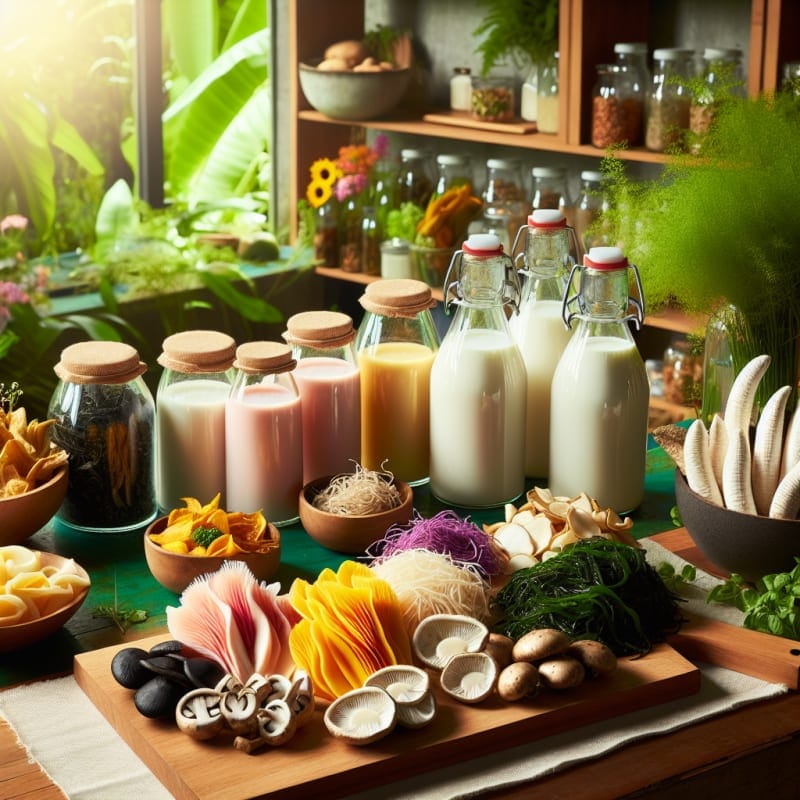
- Banana blossom – used for vegan “fish” fillets due to its flaky texture.
- King oyster mushrooms – ideal for scallop-style dishes.
- Seaweed and algae – add authentic ocean flavor and omega-3 fatty acids.
- Jackfruit – versatile for tuna-like salads or crab cake substitutes.
These alternatives are gaining traction thanks to social media buzz and restaurant innovation. As noted by Whole30’s plant-based food trends report, chefs and food brands are experimenting with these ingredients to create dishes that satisfy both taste and sustainability goals.
Top Plant-Based Seafood Alternatives in 2025
| Product | Main Ingredient | Texture Profile | Popular Use |
|---|---|---|---|
| Banana Blossom Fish | Banana Blossom | Flaky, tender | Vegan fish & chips |
| Mushroom Scallops | King Oyster Mushroom | Firm, chewy | Pan-seared scallops |
| Jackfruit Crab Cakes | Young Jackfruit | Stringy, moist | Seafood-style patties |
| Algae-Based Tuna | Microalgae | Soft, oily | Sushi rolls, poke bowls |
Emerging Sustainable Plant-Based Milks: The Rise of Potato Milk
While oat, almond, and soy milk have dominated the market, 2025 introduces potato milk — a new, sustainable alternative that’s gaining attention for its low environmental impact and high nutritional value.
What Makes Potato Milk Sustainable?
Potatoes require less water and land compared to nuts or soybeans, making potato milk one of the most eco-efficient plant-based milks available. It’s also free from common allergens like soy and nuts, appealing to a broader range of consumers.
Health Benefits of Potato Milk
- Rich in vitamin C and potassium
- Contains plant-based protein and fiber
- Low in fat and cholesterol-free
- Suitable for vegan, vegetarian, and flexitarian diets
As highlighted by TriplePundit’s 2024 report, potato milk is expected to become a staple in cafes and grocery stores across Europe and the UK, driven by its sustainability and creamy texture.
Plant-Based Protein Trends Beyond Pea and Soy
Consumers are seeking more diverse protein sources. In 2025, expect to see lentil-based proteins, fava bean isolates, and microalgae protein entering mainstream food products. These innovations support balanced nutrition and reduce reliance on monocrops like soy.
Why This Matters for Vegetarians
Expanding protein diversity ensures vegetarians can meet their nutritional needs while supporting sustainable agriculture. It also opens doors for new vegan fast food menu items featuring plant-based seafood and milks, as noted by Restaurantware’s 2025 trend insights.
How Food Scan Genius Helps You Choose Smarter
The growing variety of plant-based foods makes ingredient transparency more important than ever. The Food Scan Genius app (scangeni.us) helps consumers instantly analyze ingredients, allergens, and sustainability ratings by scanning product labels. This is especially useful for vegetarians exploring new plant-based seafood and milk options.
“I used Food Scan Genius to check if my new vegan tuna was made with sustainable algae — it gave me instant clarity and peace of mind!” — Ella, vegetarian foodie
Where to Buy Vegan Seafood and Potato Milk
Major retailers and restaurants are expanding their offerings. You can find plant-based seafood alternatives and potato milk at:
- Whole Foods Market and specialty vegan stores
- Online marketplaces featuring 2025 plant-based innovations
- Vegan fast food chains introducing seafood-style menu items
Environmental and Ethical Impact
Switching to plant-based seafood and sustainable milks reduces pressure on marine ecosystems and lowers greenhouse gas emissions. These products also align with ethical consumption values, supporting cruelty-free and planet-friendly diets.
Key Environmental Benefits
- Reduced water use compared to dairy and aquaculture
- Lower carbon footprint
- Supports biodiversity and soil health
FAQs About Plant-Based Seafood and Sustainable Milks
1. What are the best plant-based seafood alternatives in 2025?
Banana blossom fish, mushroom scallops, jackfruit crab cakes, and algae-based tuna are among the top choices for taste and sustainability.
2. Is potato milk healthier than oat or almond milk?
Potato milk offers comparable nutrients with less environmental impact and fewer allergens, making it a strong contender for 2025’s healthiest plant-based milk.
3. Where can I buy vegan seafood options?
Look for them in major grocery chains, vegan specialty stores, and online retailers featuring new plant-based food launches.
4. Are plant-based seafood alternatives good sources of protein?
Yes. Many use protein-rich bases like legumes, algae, and mushrooms, providing essential amino acids for vegetarian diets.
5. How does Food Scan Genius help with ingredient transparency?
By scanning product labels, the app reveals allergens, additives, and sustainability scores, empowering consumers to make informed choices.
6. What’s driving the plant-based innovation trend in 2025?
Environmental awareness, health-conscious consumers, and social media virality are fueling rapid growth in vegan seafood and sustainable milk products.
Final Takeaway
In 2025, plant-based seafood alternatives and sustainable milks like potato milk are redefining vegetarian diets. They offer delicious, eco-friendly options that align with modern values of health and sustainability. Whether you’re a lifelong vegetarian or simply exploring new food trends, understanding ingredients and making informed choices is key — and tools like Food Scan Genius make that easier than ever.
Eat consciously, choose sustainably, and enjoy the exciting future of plant-based innovation!