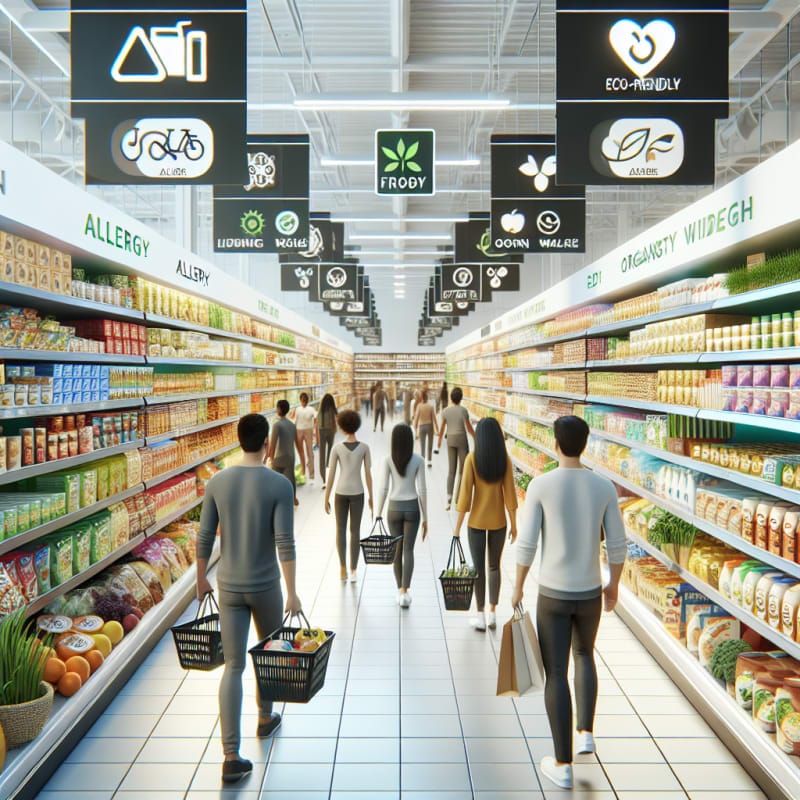
What Does It Mean When a Product Is Scanned? How to Decode Food Labels
Category: Food & Health | Focus Keyword: scanned
Introduction: The Modern Shopper’s Dilemma
In today’s globalized food marketplace, the simple act of buying groceries has become a complex exercise in decision-making. For millions of consumers, the moment a product is scanned at checkout or via a mobile app is more than a transaction—it is an opportunity to decode the intricate tapestry of food labels, ingredients, and nutritional claims. As regulatory bodies such as the FDA and EFSA intensify their focus on transparency, understanding what it means when a product is scanned has never been more relevant.
This article explores the multifaceted world of food label scanning, the science behind ingredient disclosures, and how technological innovations—like the Food Scan Genius app—are empowering consumers to make informed choices. Whether you are motivated by health, ethics, or curiosity, decoding food labels is a skill that serves everyone.
What Does “Scanned” Mean in the Context of Food Products?
In retail and digital environments, “scanned” refers to the process of reading a product’s barcode or QR code, typically using a scanner or a smartphone. This action retrieves detailed information about the item, including price, origin, ingredients, and sometimes allergen warnings. The scanned data is a gateway to the product’s identity, offering insights that are not always visible on the packaging.
- Retail checkout: Scanning for price and inventory tracking.
- Mobile apps: Scanning for nutritional information, allergens, and dietary compatibility.
- Supply chain: Scanning for traceability and safety recalls.
The rise of consumer-facing scanning apps has transformed the landscape, enabling real-time access to ingredient lists and nutritional profiles. According to a New York Times report, more than 40% of US shoppers now use mobile apps to scan food products before purchase.
Decoding Food Labels: The Science and Regulation Behind the Scan
The Anatomy of a Food Label
| Label Component | Purpose |
|---|---|
| Ingredients List | Discloses all ingredients in descending order by weight |
| Nutrition Facts | Provides information on calories, fat, sugar, vitamins, etc. |
| Allergen Statement | Highlights major allergens (e.g., peanuts, gluten, dairy) |
| Country of Origin | Shows where the product was manufactured or grown |
| Expiration Date | Indicates shelf life and safety |
Regulatory agencies such as the FDA and EFSA mandate strict guidelines for food labeling. These rules are designed to protect consumers from misleading claims and hidden allergens (PubMed). However, labels can be cryptic, and ingredient names may be unfamiliar or ambiguous.
Common Labeling Challenges
- Scientific jargon: Ingredients like “ascorbic acid” (Vitamin C) or “lecithin” (emulsifier) may confuse shoppers.
- Hidden additives: Terms such as “natural flavors” or “modified food starch” conceal complex ingredient blends.
- Allergen cross-contamination: “May contain” statements often lack detail.
Recent news coverage by BBC Health highlights the growing demand for clearer labeling, especially among individuals with food allergies or intolerances.
How Scanning Technology Empowers Consumers
Mobile Apps: The New Gatekeepers
The proliferation of mobile scanning apps has revolutionized food shopping. These tools leverage barcode and QR code technology to instantly decode product labels, offering tailored insights based on user preferences.
- Personalized alerts: Apps notify users of allergens, additives, and nutritional red flags.
- Dietary compatibility: Vegan, gluten-free, keto, and other filters help users find suitable products.
- Ingredient transparency: Explanations of complex ingredients and their health impacts.
Case Study: Food Scan Genius
The Food Scan Genius app exemplifies this trend. By scanning a product’s barcode, users receive instant feedback on ingredient safety, allergen risks, and suitability for specific diets. The app’s database is continually updated to reflect the latest scientific findings and regulatory changes.
“As someone with celiac disease, I rely on Food Scan Genius every time I shop. It’s saved me from accidental gluten exposure and makes grocery shopping less stressful. I recommend it to anyone with food sensitivities.”
—Jessica M., Food Scan Genius user
Download Food Scan Genius here to experience safer, smarter food shopping.
Understanding Ingredients: Why It Matters
Health Implications
Decoding food labels is critical for individuals with allergies, intolerances, or chronic health conditions. Scientific studies published in PubMed demonstrate that accurate label reading can prevent adverse reactions and support dietary management.
- Allergen avoidance: Identifying hidden sources of gluten, nuts, or dairy.
- Managing chronic disease: Monitoring sodium, sugar, and fat intake for heart health and diabetes.
- Supporting ethical choices: Ensuring products align with vegan, organic, or fair-trade standards.
Societal and Economic Impact
The implications extend beyond individual health. Clear labeling and scanning technology foster trust in the food supply chain, reduce medical costs associated with foodborne illness, and encourage manufacturers to improve transparency. A Wall Street Journal article notes that brands with transparent labels experience higher consumer loyalty and lower recall rates.
Q&A: Frequently Asked Questions About Scanning and Food Labels
What information can I access when I scan a food product?
Scanning a product typically reveals its ingredients, nutrition facts, allergen warnings, and sometimes sourcing information. Advanced apps may also provide health ratings and dietary compatibility.
Are scanned results always accurate?
While most scanning apps rely on manufacturer data and regulatory databases, discrepancies can occur. It is advisable to cross-reference information, especially for critical allergens.
How does scanning benefit people with food sensitivities?
Scanning apps like Food Scan Genius offer personalized alerts and explanations, reducing the risk of accidental exposure and making shopping safer for individuals with allergies or intolerances.
Can scanning help with ethical or dietary choices?
Yes. Many apps filter products by vegan, organic, non-GMO, and other criteria, empowering consumers to align purchases with their values.
Is scanning technology secure and private?
Reputable apps prioritize user privacy and comply with data protection regulations. Always review privacy policies before downloading.
Raising the Larger Issue: Transparency, Trust, and the Future of Food
The act of scanning a food product is emblematic of a broader societal shift toward transparency and empowerment. As consumers demand greater clarity, manufacturers and regulators must respond with honest labeling and robust data sharing. The stakes are high: from preventing allergic reactions to supporting ethical consumption, the ability to decode food labels is a public health imperative.
Emerging challenges include the proliferation of ultra-processed foods, the complexity of global supply chains, and the rise of personalized nutrition. Scanning technology, supported by scientific research and regulatory oversight, is a vital tool in navigating these complexities.
- Globalization: Imported products may have different labeling standards.
- Food fraud: Mislabeling and counterfeit goods threaten safety and trust.
- Digital divide: Not all consumers have equal access to scanning technology.
Addressing these issues requires collaboration among governments, industry, and technology providers. Recent policy debates, such as the EU’s proposed digital labeling standards (FoodNavigator), signal a move toward greater harmonization and consumer protection.
Conclusion: Empowering the Informed Consumer
In an era of information overload and evolving health risks, understanding what it means when a product is scanned—and how to decode food labels—is essential. Whether you are navigating allergies, chronic conditions, or ethical choices, scanning technology and transparent labeling offer a pathway to safer, smarter consumption.
The Food Scan Genius app stands out as a practical solution, bridging the gap between complex ingredient lists and everyday decision-making. By leveraging scientific research, regulatory standards, and user-friendly design, it empowers individuals to shop with confidence.
Ultimately, the power to decode food labels is not just a personal advantage—it is a collective responsibility. As technology evolves and regulatory frameworks adapt, informed consumers will drive the next wave of innovation in food safety and transparency.
Ready to take control of your food choices? Download Food Scan Genius today, and transform the way you shop, eat, and live.
References
- FDA: Food Labeling & Nutrition
- EFSA: Food Labelling
- PubMed: Food Allergens and Labeling
- New York Times: Food Label Apps
- BBC Health: Food Labeling Clarity
- Wall Street Journal: Food Label Transparency
- FoodNavigator: EU Digital Food Labels