2025 Organic Food Trends: The Surge in Protein-Rich Products Among Younger Shoppers
Protein-rich organic foods$71.6 billion in 2024—a 5.2% growth according to Organic Trade Association (OTA)—the demand for high-protein organic products continues to accelerate.
1. The Rise of Protein-Rich Organic Foods in 2025
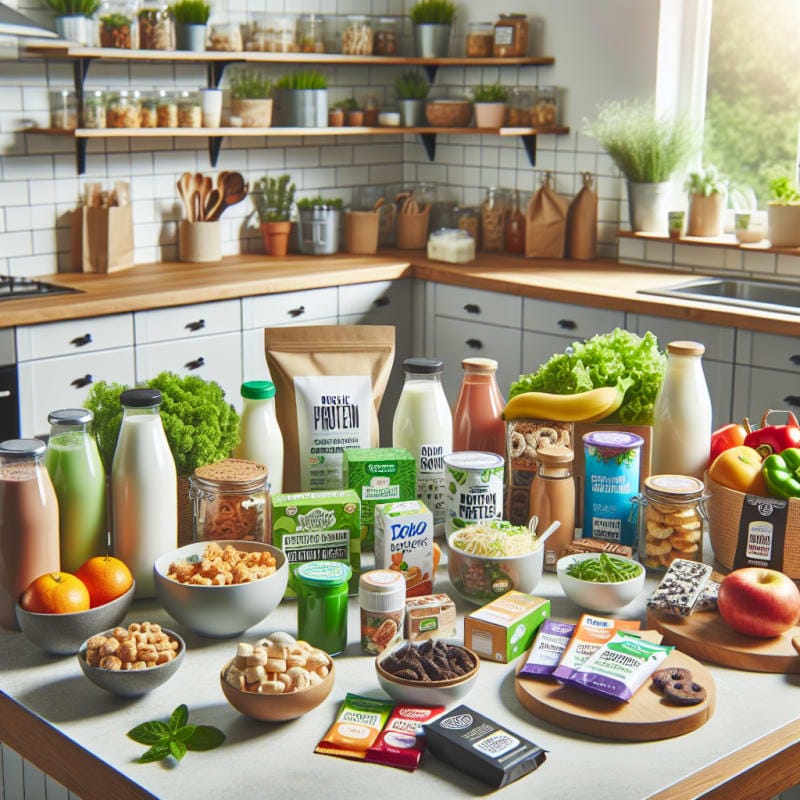
Organic food has evolved beyond produce and dairy to include protein-packed options
According to the U.S. Department of Agriculture Economic Research Service (ERS), organic food consumption among 18–34-year-olds has grown twice as fast as other age groups. This trend aligns with the global organic market expansion documented by FiBL’s Organic World 2025 report, which forecasts continued growth in organic protein categories worldwide.
Key Growth Drivers
- Health and wellness focus: Younger consumers prioritize protein for muscle recovery, energy, and satiety.
- Environmental sustainability: Preference for regenerative and ethically sourced protein.
- Transparency and trust: Demand for certified organic and traceable supply chains.
- Social media influence: Fitness influencers and wellness creators promote organic protein snacks and shakes.
2. Gen Z and Millennial Buying Behaviors
Gen Z and millennials are redefining what it means to eat well. They see food as an extension of identity—choosing brands that align with their values. According to Kadence International’s report, 68% of Gen Z consumers associate organic foods with better long-term health and sustainability.
These generations are also driving innovation in organic protein snacksfunctional organic beverages
| Product Category | Top Trend in 2025 | Consumer Motivation |
|---|---|---|
| Organic protein bars | Plant-based, low sugar, regenerative ingredients | Fitness and clean energy |
| Functional organic beverages | Adaptogenic herbs and protein blends | Stress relief and performance |
| Organic dairy and meat | Grass-fed, hormone-free, carbon-neutral | Ethical consumption |
| Organic supplements | Protein powders with probiotics | Gut health and immunity |
3. Market Growth and Industry Innovation
According to Accio Business Insights, organic food market growth in 2025 is expected to exceed 6% globally, with protein-rich categories leading the charge. Brands are investing in regenerative certifications and transparent labeling to meet consumer expectations.
Innova Market Insights highlights that functional organic beverages—combining protein, adaptogens, and prebiotics—are among the fastest-growing product segments. These innovations reflect a convergence of health science and sustainability.
Emerging Innovations in 2025
- Regenerative organic certification: Builds trust by ensuring soil health and biodiversity.
- Hybrid protein sources: Combining organic plant and animal proteins for balanced nutrition.
- AI-driven ingredient transparency: Apps like Food Scan Genius empower consumers to analyze protein content and allergens instantly.
“I use Food Scan Genius every time I shop—it helps me find clean, organic protein snacks that fit my diet,” says Mia, a 27-year-old fitness enthusiast from Austin, Texas.
4. The Role of Social Media and Influencer Culture
Social media continues to amplify organic food trends. According to The Packer’s Fresh Trends 2025 report, younger shoppers are heavily influenced by online wellness communities and influencer recommendations. TikTok and Instagram have become major discovery platforms for organic protein shakes, bars, and meal kits.
Brands are leveraging user-generated content and partnerships with fitness influencers to showcase authenticity and ingredient transparency—key factors for Gen Z trust.
5. Sustainability and Regenerative Certifications
Beyond nutrition, today’s consumers want their protein to be planet-friendly. Regenerative agriculture, which restores soil health and biodiversity, is becoming a cornerstone of organic certification. Reports from OTA and USDA ERS emphasize that regenerative practices are central to future organic growth.
Why Regenerative Organic Matters
- Improves carbon sequestration and soil fertility.
- Supports ethical livestock management.
- Enhances consumer trust through verified sustainability.
6. Global Perspective: Organic Protein on the World Stage
Globally, the FiBL Organic World 2025 report shows expanding organic protein markets in Europe and Asia. Consumers increasingly prefer locally sourced, certified organic protein products, reflecting a worldwide shift toward sustainable nutrition.
Emerging markets are also adopting organic standards faster than ever, driven by digital education and cross-border e-commerce. This global momentum reinforces the importance of transparent labeling and traceable supply chains.
7. The Future of Protein-Rich Organic Foods
As we move deeper into 2025, the organic food industry is entering a new era of innovation and accountability. The convergence of nutrition science, regenerative agriculture, and digital transparency will define the next wave of growth.
Consumers are no longer satisfied with “organic” alone—they want proof of origin, ethical sourcing, and measurable health benefits. Apps like Food Scan Genius are helping bridge this gap by giving shoppers instant access to ingredient insights and allergen warnings.
8. FAQs: Protein-Rich Organic Foods 2025
What are protein-rich organic foods?
Protein-rich organic foods include products like grass-fed meats, plant-based protein powders, organic dairy, and functional beverages that meet certified organic standards and deliver high protein content.
Why are Gen Z and millennials driving organic food growth?
These generations prioritize health, sustainability, and authenticity. They prefer protein-rich organic foods that align with fitness goals and environmental values.
What are functional organic beverages?
Functional organic beverages combine protein with adaptogens, probiotics, or vitamins to support energy, stress relief, and overall wellness.
How do regenerative certifications impact the organic market?
Regenerative certifications ensure that organic farming practices restore soil health and biodiversity, enhancing consumer trust and long-term sustainability.
How can Food Scan Genius help with organic food choices?
Food Scan Genius allows users to scan product labels and instantly see protein content, allergens, and ingredient origins—helping consumers make smarter organic choices.
Final Takeaway
The rise of protein-rich organic foods in 2025 reflects a broader transformation in how younger consumers view health and sustainability. As Gen Z and millennials continue to shape the organic food market, brands must embrace transparency, regenerative practices, and digital tools to stay relevant.
Whether you’re a consumer seeking cleaner protein options or a business tracking organic food market growth 2025, understanding these trends is key. With tools like Food Scan Genius, everyone can make informed, sustainable choices in the evolving world of organic nutrition.