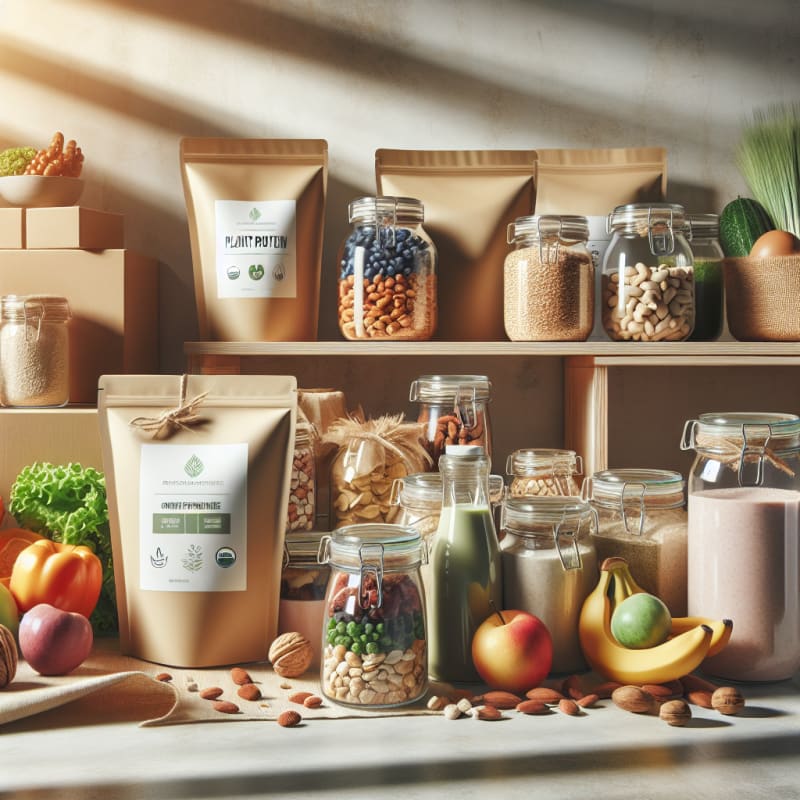
Why Protein-Rich Organic Foods Are Winning Over Gen Z and Millennials in 2025
The global organic food market is experiencing a powerful shift. In 2024, it reached a record $71.6 billion in sales, growing 5.2% year-over-year, according to the Organic Trade Association (OTA). At the heart of this surge are Gen Z and millennial consumers—two generations redefining what it means to eat healthy, sustainable, and protein-focused diets.
These younger shoppers are not only choosing organic for its environmental and ethical values but also for its high-protein nutritional benefits. From organic plant-based protein powders to regenerative organic meats and functional beverages, the demand for protein-rich organic foods is reshaping the industry’s future.
Understanding the Rise of Protein-Rich Organic Foods
Protein has become the cornerstone of modern nutrition. For Gen Z and millennials, it’s not just about fitness—it’s about energy, balance, and sustainability. According to Accio Business Insights, protein-rich organic products are among the fastest-growing categories in 2025, with double-digit growth expected in organic snacks, dairy alternatives, and ready-to-drink functional beverages.
What Makes Organic Protein Different?
- Clean sourcing: Organic proteins are free from synthetic pesticides, GMOs, and artificial additives.
- Sustainability: Organic farming practices protect soil health and biodiversity, aligning with Gen Z’s eco-conscious values.
- Transparency: Younger consumers demand full ingredient traceability—something organic certification guarantees.
As noted in the USDA Economic Research Service report, organic livestock and crop systems are increasingly optimized for nutrient density, making them ideal for producing high-quality protein sources.
Gen Z and Millennials: The New Organic Power Buyers
According to The Packer’s 2025 Fresh Trends report, over 60% of Gen Z and millennial shoppers purchase organic foods weekly. Their top motivations include personal health, environmental impact, and ethical sourcing.
| Motivation | Gen Z (%) | Millennials (%) |
|---|---|---|
| Health and wellness | 72 | 68 |
| Environmental sustainability | 65 | 59 |
| Animal welfare | 54 | 48 |
| Protein content | 49 | 52 |
These numbers show that younger consumers are not just following trends—they are driving the evolution of the organic food industry.
Top Trending Protein-Rich Organic Products for Millennials and Gen Z
From gym bags to grocery carts, protein-rich organic foods are everywhere. Here are the categories experiencing the strongest growth in 2025:
1. Organic Functional Beverages
Innovations in organic functional beverages—such as protein-infused kombucha, oat-based lattes with adaptogens, and regenerative organic smoothies—are booming. According to Innova Market Insights, these drinks combine protein, probiotics, and plant extracts for holistic wellness.
2. Organic Meat and Dairy Alternatives
The growth of organic meat and dairy in 2025 is being shaped by regenerative farming and improved animal welfare standards. Meanwhile, organic plant-based proteins—like pea, hemp, and quinoa—are gaining traction among flexitarians seeking sustainable options.
3. Organic Protein Snacks
Portable, high-protein organic snacks such as chickpea crisps, nut clusters, and jerky alternatives are becoming staples for busy young professionals. These products align with the “snackification” trend and the demand for clean-label convenience.
The Role of Regenerative Organic Certifications
One of the most exciting developments is the rise of regenerative organic certifications. As detailed in the FiBL Organic World 2025 report, regenerative certifications go beyond traditional organic standards by focusing on soil health, carbon capture, and fair labor practices. This resonates strongly with younger consumers who view sustainability as a lifestyle, not a label.
Impact on Sales
Brands that adopt regenerative organic practices are seeing higher loyalty and price premiums. According to OTA data, products carrying regenerative claims grew 21% faster than conventional organic items in 2024.
How Food Scan Genius Supports Ingredient Transparency
As ingredient lists grow more complex, consumers want tools to understand what’s really in their food. The Food Scan Genius app empowers users to scan any product and instantly see if it meets their dietary preferences—whether that’s organic, high-protein, or allergen-free.
“I started using Food Scan Genius to check protein content and organic certifications before buying snacks. It’s made shopping so much easier and transparent.” — Maria L., 27, Austin, TX
This growing demand for transparency is reshaping how brands label and market their products, pushing the industry toward greater honesty and digital traceability.
Organic Food Trends 2025: The Bigger Picture
According to Accio Business Insights, the organic protein market growth will continue through 2025, driven by sustainability, innovation, and consumer education. The convergence of health, ethics, and technology is creating a new era of conscious consumption.
Key Takeaways for Brands and Consumers
- Gen Z and millennials are the core growth engines for organic protein demand.
- Functional beverages and regenerative certifications are key innovation areas.
- Transparency and traceability are no longer optional—they’re expected.
- Digital tools like Food Scan Genius enhance consumer trust and engagement.
FAQs About Protein-Rich Organic Foods
1. Why are protein-rich organic foods so popular among Gen Z and millennials?
These generations value health, sustainability, and ethical sourcing. Protein-rich organic foods deliver clean nutrition while supporting environmental goals.
2. Which organic protein products are trending in 2025?
Top trends include organic functional beverages, regenerative organic meats, and plant-based protein snacks made from peas, hemp, and quinoa.
3. How does regenerative organic certification affect food quality?
It ensures better soil health, higher nutrient density, and ethical supply chains, leading to more sustainable and premium-quality products.
4. What role does technology play in the organic food movement?
Apps like Food Scan Genius help consumers verify product claims, track ingredients, and make informed purchasing decisions.
5. How can brands appeal to younger organic consumers?
By emphasizing transparency, sustainability, and functional benefits—especially high-protein content and clean labels.
Final Thoughts
The surge in protein-rich organic foods reflects a deeper cultural shift toward mindful consumption. Gen Z and millennials are not just changing what we eat—they’re redefining how food is produced, labeled, and trusted. As the organic market continues to expand, embracing transparency and sustainability will be key to staying relevant in 2025 and beyond.
To stay informed and make smarter food choices, explore the Food Scan Genius app—your partner in understanding ingredients and finding the best organic, protein-rich options for your lifestyle.