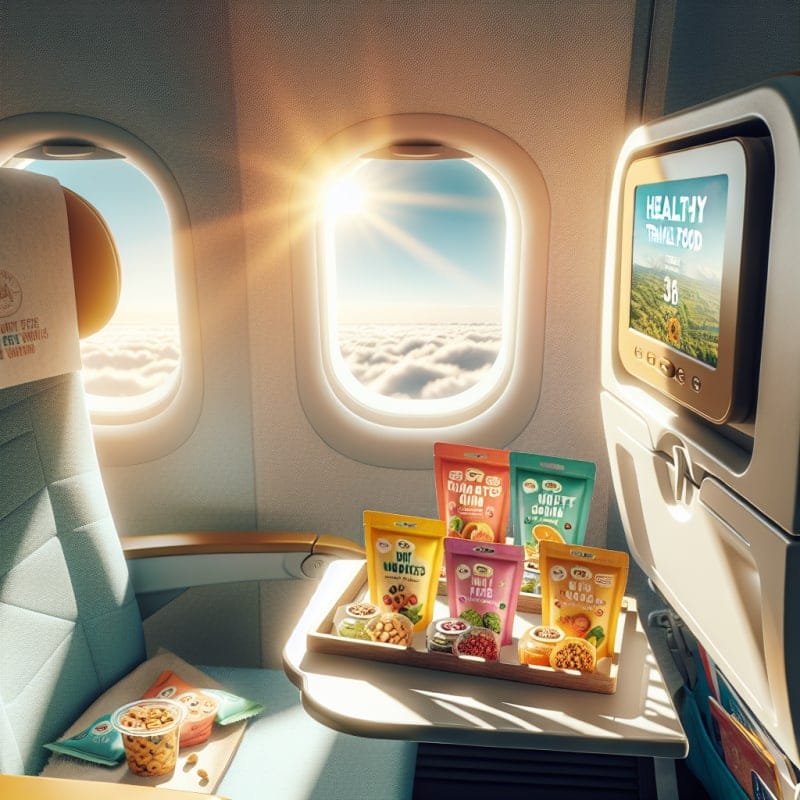
Ryanair Faces Backlash Over Nut Allergy Incident: What Travelers Need to Know About Food Safety and Airline Policies
Food allergies are a growing concern for millions of families worldwide, especially when traveling. A recent incident involving Ryanair has reignited the debate about airline food safety and the responsibilities of carriers when it comes to protecting passengers with severe allergies.
What Happened on the Ryanair Flight?
According to a report by MSN, a mother criticized Ryanair after nuts were sold on a flight, despite her son’s “severe” allergy. The family had reportedly informed the airline about the allergy before boarding. However, nuts were still offered to other passengers, raising concerns about cross-contamination and the safety of allergic travelers.
Why Are Food Allergies a Major Concern When Flying?
- Airborne allergens: Even trace amounts of allergens like peanuts can trigger severe reactions in sensitive individuals[1].
- Confined spaces: Airplanes are enclosed environments where medical help is limited.
- Cross-contact risk: Serving allergenic foods increases the risk of accidental exposure.
What Are Airlines’ Responsibilities?
Airlines like Ryanair typically have policies to accommodate passengers with allergies, such as making announcements or suspending the sale of certain foods. However, these policies can vary widely and are not always enforced consistently. In the U.S., the FDA and in Europe, the EFSA (European Food Safety Authority), provide guidance on allergen labeling and food safety, but there is no universal standard for airlines[2].
Key Airline Allergy Policies
| Airline | Allergy Policy | Pre-Boarding Notice | Nut-Free Zone |
|---|---|---|---|
| Ryanair | Requests notification but does not guarantee nut-free flights | Yes | No |
| British Airways | Will suspend nut sales if notified | Yes | Partial |
| Delta | Will create buffer zones if notified | Yes | Yes |
Recent Food Safety Alerts and News
- Food Recalls: The FDA recently issued recalls for products containing undeclared allergens, highlighting the ongoing risk for allergic consumers[3].
- Labeling Laws: The EFSA continues to update guidance on allergen labeling to improve transparency for European consumers[4].
- Emerging Trends: Airlines and food brands are exploring plant-based and allergen-free options to cater to dietary preferences and safety concerns (FoodNavigator).
How Can Travelers with Food Allergies Stay Safe?
- Always notify the airline of allergies before flying.
- Carry emergency medication (e.g., epinephrine auto-injectors).
- Bring your own safe snacks and meals.
- Use technology like Food Scan Genius to check ingredients and allergen information before you travel.
Food Scan Genius: Empowering Safe Food Choices
Food Scan Genius helps travelers and families by providing instant access to ingredient lists, allergen alerts, and product recalls. Simply scan a product barcode to see if it’s safe for your dietary needs. Download Food Scan Genius and join thousands of users who trust the app for safer food choices.
User Testimonial: “I never travel without Food Scan Genius. It’s given me peace of mind knowing I can quickly check for hidden allergens, even when I’m abroad.” — Sarah, parent of a child with peanut allergy
FAQ: Airline Food Allergies and Safety
A: Always inform the airline in advance, carry your medication, and bring your own food. Check airline policies and use apps like Food Scan Genius for extra safety.
A: No, there is no universal regulation. Policies vary by carrier and region.
A: The FDA, EFSA, and apps like Food Scan Genius provide real-time alerts and updates.
Why This Matters: The Bigger Picture for Food Ingredient Safety
Incidents like the Ryanair nut allergy case highlight the ongoing challenges for people with food sensitivities, dietary preferences, and ethical concerns. As food trends evolve and regulations tighten, staying informed and proactive is crucial. Authorities like the FDA and EFSA are working to improve transparency, but individual vigilance remains key.
Whether you’re flying, shopping, or dining out, understanding ingredients—and using tools like Food Scan Genius—can help you make smarter, safer choices for yourself and your family.
References
- Food allergy and anaphylaxis in air travel: Current perspectives (PubMed)
- FDA Food Allergen Labeling and Consumer Protection Act
- FDA Recalls, Market Withdrawals, & Safety Alerts
- EFSA: Food Allergens
- Risk of severe allergic reactions to foods on commercial airplanes (PubMed)
- Strategies for the prevention of food allergy reactions in air travel (PubMed)
- Plant-based airline meals soar in popularity (FoodNavigator)
- BBC News: Airline food allergy policies under scrutiny
- Allergy UK: Airline Policies on Food Allergy