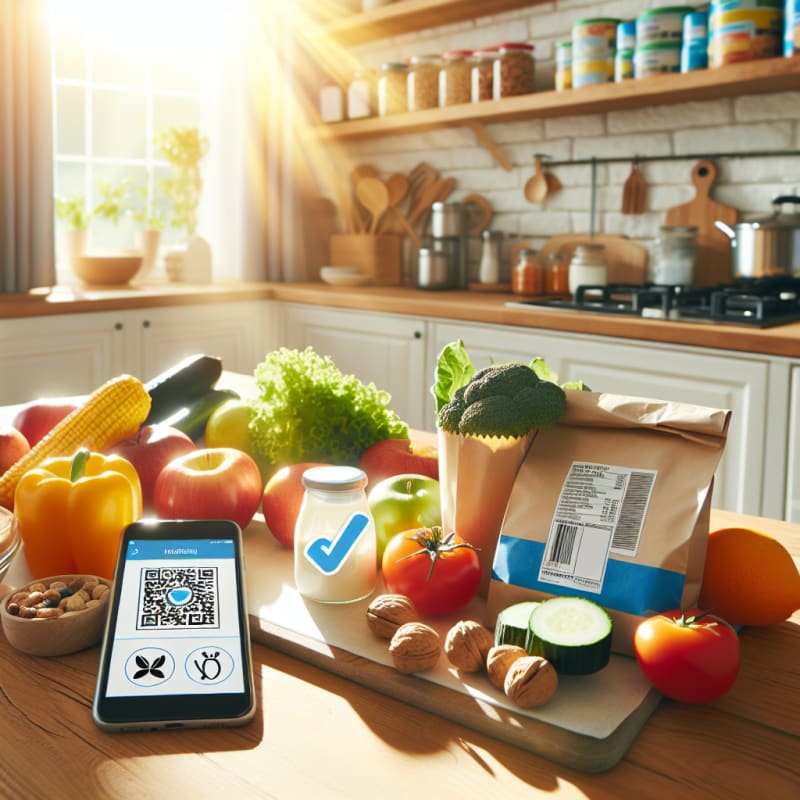
Scan Your Food For Allergens – Here’S How
Have you ever stood in a grocery aisle, squinting at a label, wondering if your next meal could trigger a reaction? If you have food allergies or sensitivities, every bite can feel like a gamble. I know this struggle firsthand. For years, I lived in constant vigilance—reading, researching, and sometimes panicking over ingredients I couldn’t pronounce. But today, technology offers us a lifeline. In this confessional guide, I’ll share how you can scan your food for allergens—here’s how—with practical tools, scientific backing, and a dash of hope.
Why Scanning Food for Allergens Matters
Food allergies affect over 32 million Americans alone, according to the FDA. Globally, the numbers are rising, with new allergens identified every year (PubMed). For those with celiac disease, lactose intolerance, or other sensitivities, the stakes are just as high. A single overlooked ingredient can lead to hives, digestive distress, or even life-threatening anaphylaxis.
But here’s the thing: food labels aren’t always clear. Cross-contamination, hidden additives, and confusing terminology make it hard to know what’s really inside. That’s why scanning your food for allergens isn’t just smart—it’s essential.
How Technology Is Changing Food Safety
Until recently, scanning for allergens meant scrutinizing labels and memorizing obscure ingredient names. Now, thanks to advances in AI and mobile technology, you can get answers in seconds. Apps like Food Scan Genius, barcode scanners, and even portable chemical analyzers are revolutionizing food safety.
What Does “Scanning” Really Mean?
- Barcode Scanning: Use your phone’s camera to read product barcodes and get instant allergy info.
- Ingredient Recognition: AI-powered apps analyze ingredient lists for hidden allergens.
- Portable Testers: Some devices can detect allergens in food samples—right at the table.
According to EFSA, digital tools are becoming a key part of allergen management, especially as food supply chains grow more complex.
Step-by-Step: Scan Your Food For Allergens – Here’s How
I’ve broken down the process into simple, actionable steps. Whether you’re shopping, dining out, or cooking at home, these strategies can help you stay safe.
1. Start with the Label
- Read the ingredient list carefully. Look for common allergens: milk, eggs, peanuts, tree nuts, soy, wheat, fish, shellfish, and sesame.
- Check for “may contain” or “processed in a facility” statements. These warn of possible cross-contamination.
- Watch for alternate names. For example, “casein” means milk protein, and “albumin” means egg.
2. Use a Barcode Scanner App
- Download a trusted app like Food Scan Genius.
- Scan the product barcode. The app checks its database for allergens and dietary flags.
- Review the results. Many apps offer color-coded warnings and detailed ingredient breakdowns.
3. Try Ingredient Recognition Tools
- Take a photo of the ingredient list. AI-powered apps can highlight risky ingredients.
- Get instant feedback. Some apps allow you to set personal allergy profiles for tailored alerts.
4. Consider Portable Allergen Testers
- Devices like Nima or Allergy Amulet can test small samples for gluten or peanuts.
- Follow manufacturer instructions. These tools are best for high-risk situations or eating out.
5. Stay Updated with News and Recalls
- Subscribe to FDA and EFSA alerts. Food recalls due to undeclared allergens happen often (Food Safety News).
- Check news sources regularly. For example, The New York Times recently reported on new labeling laws.
Food Scan Genius: My Personal Game-Changer
Let’s get real—I used to spend hours researching every new snack. Then I found Food Scan Genius. Here’s how it changed my life:
| Feature | How It Helps |
|---|---|
| Personal Allergy Profile | Set your allergies once; get instant warnings for every scan. |
| Barcode & Ingredient Scanning | Detect hidden allergens in packaged foods and restaurant menus. |
| Dietary Preferences | Flag vegan, gluten-free, kosher, or other needs. |
| Recall Alerts | Get notified if a product you scanned is recalled for allergens. |
User Testimonial:
“Before Food Scan Genius, I avoided eating out. Now, I scan my meal and know instantly if it’s safe. It’s given me my freedom back!” – Jessica M., Food Allergy Advocate
If you want to reclaim your confidence around food, download Food Scan Genius today.
Common Allergens to Watch For
Here’s a quick reference table of the top allergens, alternate names, and typical foods they hide in:
| Allergen | Alternate Names | Common Foods |
|---|---|---|
| Milk | Casein, Whey, Lactose | Cheese, Yogurt, Baked Goods |
| Eggs | Albumin, Ovalbumin | Pasta, Mayo, Breads |
| Peanuts | Groundnuts, Arachis Oil | Candy, Sauces, Snacks |
| Tree Nuts | Almond, Walnut, Pecan | Granola, Ice Cream, Pesto |
| Wheat | Gluten, Semolina, Farina | Bread, Pasta, Cereal |
| Soy | Edamame, Lecithin | Tofu, Sauces, Dressings |
| Fish | Surimi, Anchovy | Sauces, Sushi, Caesar Dressing |
| Shellfish | Crab, Shrimp, Lobster | Seafood Dishes, Soups |
| Sesame | Tahini, Gingelly | Hummus, Baked Goods |
Challenges: Why Scanning Isn’t Always Enough
Despite all these tools, scanning isn’t foolproof. Here’s why:
- Labeling Inconsistencies: Not all countries require the same allergen disclosures (Food Navigator).
- Cross-Contamination: Even “safe” foods can be contaminated during processing.
- Restaurant Risks: Menus may not list every ingredient, and staff may not know all details.
- New Allergens: Emerging food trends (like insect protein) bring new risks.
That’s why vigilance, education, and reliable tech are all part of the solution.
How Scanning Food for Allergens Helps Everyone
This isn’t just about allergies. Ingredient transparency matters for:
- Vegans & Vegetarians: Avoiding animal-derived ingredients.
- Religious Diets: Identifying kosher, halal, or other restrictions.
- Health-Conscious Eaters: Spotting additives, preservatives, or GMOs.
- Parents: Protecting children from hidden risks.
As food supply chains globalize, knowing what’s in your food is everyone’s right. The rise of scanning tech is part of a broader movement for transparency and safety.
Frequently Asked Questions
Can I rely solely on scanning apps for allergen safety?
No app is perfect. Always double-check labels and ask questions, especially when eating out. Use scanning apps as a powerful tool, not a substitute for vigilance (PubMed).
What should I do if I suspect a food contains hidden allergens?
Avoid eating it until you confirm. Use a portable tester if available, and report unclear labeling to authorities.
Are scanning apps free?
Many offer free versions, but premium features (like recall alerts or expanded databases) may require a subscription. Food Scan Genius offers a free trial for new users.
How often are food products recalled for allergens?
Recalls happen frequently. In 2024, the FDA issued over 100 allergen-related recalls (FDA Recalls).
Can scanning help with dietary preferences?
Absolutely. Apps can flag vegan, gluten-free, or other dietary needs, making meal planning easier for everyone.
Final Thoughts: Take Control of Your Food Choices
I’ve lived the anxiety of not knowing what’s in my food. But today, with barcode scanners, AI-powered ingredient recognition, and apps like Food Scan Genius, I feel empowered. Scanning your food for allergens isn’t just about avoiding a reaction—it’s about reclaiming your freedom, your health, and your peace of mind.
So next time you’re staring at a label, remember: you have tools, science, and community on your side. Download Food Scan Genius, stay informed, and make every meal a safe one. Because everyone deserves to eat with confidence.
References:
- FDA Food Allergies
- PubMed: Food Allergen Management
- EFSA: Food Allergens
- Food Safety News: Peanut Recall
- NYT: New Food Allergy Labels
- Food Navigator: Allergen Labeling Update