
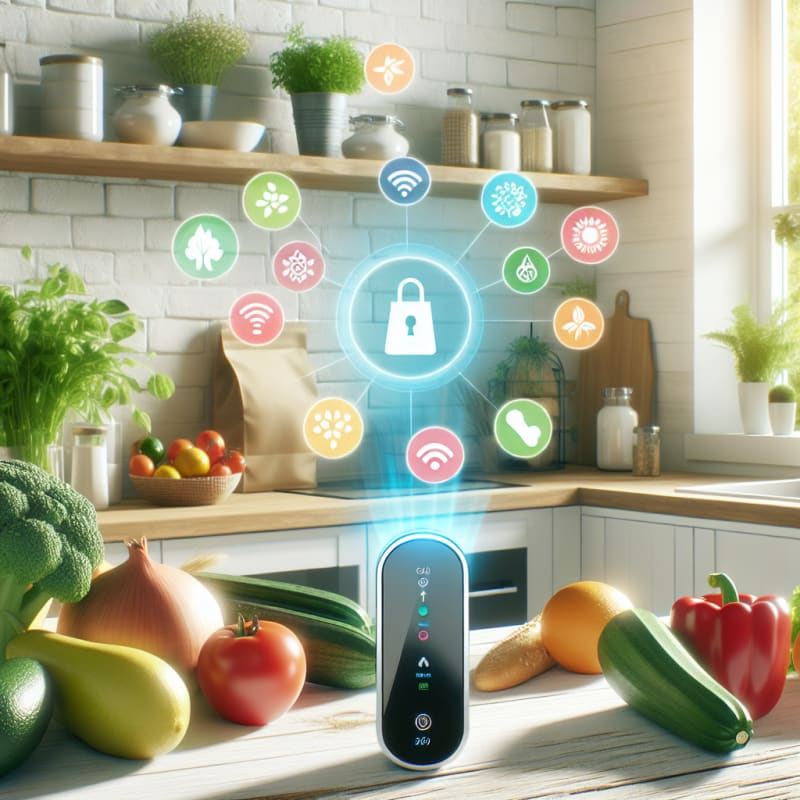
Scan Your Food For Allergens – Here’s How
Category: Generic Scanners | Focus Keyword: scan your food for allergens – here’s how
Why Scanning Your Food for Allergens Matters in 2025
Imagine this: You’re at a bustling food market, eyeing a delicious pastry. But wait—does it contain nuts? Gluten? Or perhaps an ingredient you can’t pronounce? In 2025, food allergies and sensitivities are more prevalent than ever, affecting over 32 million Americans [1]. Globally, the numbers are rising, with the European Food Safety Authority reporting a steady increase in allergen-related incidents [2].
Whether you’re allergic, intolerant, or just ingredient-curious, learning to scan your food for allergens is no longer a luxury—it’s a necessity. But don’t worry, you don’t need a PhD in chemistry or a Sherlock Holmes-level magnifying glass. With today’s technology, you can scan your food for allergens—here’s how.
What Does It Mean to “Scan Your Food for Allergens”?
Scanning your food for allergens means using tools—either digital or physical—to check for ingredients that could trigger allergic reactions or sensitivities. This goes beyond just reading the label. It’s about leveraging smart scanners, apps, and databases to get instant, accurate information about what’s really in your food.
- Digital scanning: Using apps or devices to analyze barcodes, QR codes, or even food composition.
- Ingredient databases: Cross-referencing product ingredients with your personal allergy profile.
- AI-powered analysis: Leveraging artificial intelligence to interpret complex ingredient lists and flag potential risks.
How to Install and Use Food Scanning Technology
Step-by-Step Guide for Beginners
-
Choose Your Scanning Tool:
- Mobile Apps: Popular choices include Food Scan Genius, Yuka, and Spoon Guru.
- Handheld Scanners: Devices like Nima Sensor (for gluten/peanut detection) or barcode readers.
-
Install the App or Device:
- Download from the App Store or Google Play.
- Follow setup instructions—usually, you’ll create a profile with your allergens.
-
Scan Your Food:
- Use your phone camera or scanner to scan the product barcode, QR code, or ingredient list.
- The app/device will cross-reference the data with its database and your allergy profile.
-
Review Results:
- Instant feedback: Safe, caution, or avoid.
- Detailed breakdown of flagged ingredients.
-
Take Action:
- If flagged, seek alternatives or consult with the vendor/manufacturer.
Pro Tip: Always update your allergy profile and app regularly for the latest ingredient information and scanner features.
Food Scan Genius: The App That’s Changing Lives
One standout in the world of allergen scanning is Food Scan Genius. This AI-powered app lets you scan barcodes, ingredient lists, and even restaurant menus to instantly flag allergens and dietary preferences. It’s like having a food detective in your pocket—minus the trench coat.
| Feature | Benefit |
|---|---|
| Barcode & QR Scanning | Instant allergen detection from packaged foods |
| Menu Analysis | Safe dining recommendations at restaurants |
| Personalized Profiles | Flags only your specific allergens and preferences |
| AI Ingredient Parsing | Detects hidden allergens in complex ingredient lists |
| Community Reviews | Real user feedback on products and eateries |
User Testimonial: “Food Scan Genius saved me from a scary peanut encounter at a new bakery. I just scanned the menu, and boom—peanuts flagged! I recommend it to anyone with allergies. Download it here.” – Jamie L., Boston
Scientific Backing: Why Scanning Works
Food allergen scanning isn’t just a tech fad. According to recent research published in PubMed [3], digital allergen detection tools improve safety, reduce accidental exposures, and empower consumers. The FDA and EFSA recommend using technology to supplement label reading, especially as ingredient lists become more complex.
- Accuracy: AI-powered scanners detect hidden or ambiguous ingredients missed by manual checks.
- Speed: Instant results—no more squinting at tiny print or Googling Latin names.
- Personalization: Tailored to your allergies, intolerances, and dietary preferences.
As reported by The New York Times [4] and CNN Health [5], new regulations and tech advances are making food safety more accessible than ever.
Common Allergens to Watch Out For
Not sure what to scan for? Here’s a quick rundown of the most common food allergens as listed by the FDA and EFSA:
| Allergen | Found In |
|---|---|
| Peanuts | Snacks, baked goods, sauces |
| Tree Nuts | Chocolate, granola, pesto |
| Milk | Cheese, yogurt, desserts |
| Eggs | Mayonnaise, baked goods, pasta |
| Fish | Sushi, sauces, spreads |
| Shellfish | Shrimp, crab, lobster |
| Wheat/Gluten | Bread, pasta, cereals |
| Soy | Tofu, sauces, processed foods |
Pro Tip: Many processed foods contain “hidden” allergens. Always scan, even if the product looks safe!
Beyond Allergies: Scanning for Dietary Preferences and Sensitivities
Scanning isn’t just for allergies. It’s a game-changer for people with:
- Gluten sensitivity or celiac disease
- Lactose intolerance
- Vegan/vegetarian diets
- Kosher/Halal requirements
- Low-FODMAP diets
Apps like Food Scan Genius let you set your dietary preferences, so you’ll get alerts for animal products, gluten, or anything else you want to avoid. It’s like having a nutritionist who never takes a day off.
Real-World Impact: News, Trends, and Global Relevance
In 2024, CNN Health reported on new FDA guidelines requiring clearer allergen labeling, making scanning technology even more essential [5]. Meanwhile, The New York Times highlighted how families are using apps to keep their kids safe at school and social events [4].
Globally, the EFSA is pushing for harmonized allergen labeling across Europe, making mobile scanning a universal language for food safety [2].
Bottom line: Whether you’re in Boston, Berlin, or Bangkok, scanning your food for allergens is a smart move for everyone.
Frequently Asked Questions (FAQ)
Q: Can I trust food scanning apps to keep me safe?
A: Yes—when used alongside label reading and common sense. Apps like Food Scan Genius use updated databases and AI to flag risks, but always double-check if you have severe allergies.
Q: How do I install a food scanning app?
A: Download from your app store, create a profile with your allergens/preferences, and start scanning barcodes, ingredient lists, or menus.
Q: Are scanners accurate for cross-contamination?
A: Scanners detect listed ingredients, but may not catch cross-contamination unless the product is labeled. Always ask vendors about kitchen practices if you’re highly sensitive.
Q: Is scanning only for packaged foods?
A: No! Apps like Food Scan Genius can analyze restaurant menus, deli items, and even homemade recipes.
Q: What should I do if an app flags an allergen?
A: Avoid the product, seek alternatives, and notify the manufacturer or restaurant. Your safety comes first!
Raising the Bigger Issue: Food Transparency for All
Food scanning isn’t just about allergies—it’s about transparency. In a world where ingredients can be mysterious, scanning empowers everyone to make informed choices. Whether you’re vegan, diabetic, or just picky about preservatives, knowing what’s in your food is a right, not a privilege.
As technology evolves, expect even smarter scanners, better databases, and more personalized safety. The future? Maybe your fridge will scan and sort your groceries for you. (We can dream, right?)
Conclusion: Scan, Smile, and Savor Safely
Scanning your food for allergens is the ultimate food hack for 2025. With apps like Food Scan Genius, you’re not just avoiding risks—you’re embracing a smarter, safer way to eat. Whether you’re installing your first scanner or upgrading to the latest AI-powered app, the message is clear: know your ingredients, protect your health, and enjoy every bite.
So, next time you’re eyeing that mystery pastry, don’t just guess—scan your food for allergens. Here’s how: download Food Scan Genius, set up your profile, and scan away. Your taste buds (and immune system) will thank you.
References
- FDA: Food Allergies
- EFSA: Food Allergens
- PubMed: Digital Allergen Detection Tools
- The New York Times: Food Allergy Labels
- CNN Health: Food Allergy Labeling Changes