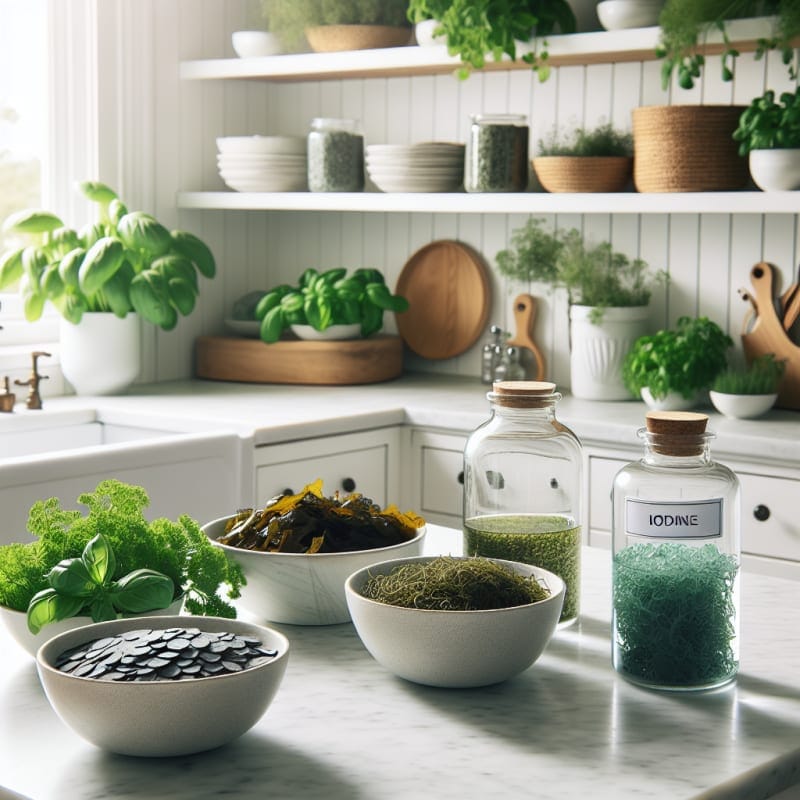
Sea Vegetables for Vegetarians: Safe Iodine Sources, Serving Tips, and Recipe Ideas
As plant-based eating continues to grow, one essential nutrient often overlooked by vegetarians is iodine — a trace mineral vital for thyroid function, metabolism, and brain health. In 2025, sea vegetables like kelp, sea moss, and water lentils are trending as natural plant-based iodine sources. But how much is safe, and how can you include them in your diet without overdoing it?
This guide explains how to balance iodine intake on a vegetarian diet, supported by scientific research and regulatory guidance from the FDA and the World Health Organization (WHO).
Why Sea Vegetables Are Trending in 2025
According to TriplePundit and Restaurantware, marine plants are among the top vegan trends of 2025. From kelp noodles to sea moss smoothies, these ingredients are appearing in both restaurants and packaged foods. Caramandas highlights seaweed-based snacks as a growing retail category, while PETA notes their popularity on social media for their mineral-rich, sustainable profile.
Understanding Iodine Needs on a Vegetarian Diet
Iodine is required for the production of thyroid hormones, which regulate metabolism, growth, and energy. The recommended daily intake for adults is around 150 micrograms (µg), according to the WHO. Pregnant and lactating women need slightly more (220–290 µg).
Do Vegetarians Need Iodine Supplements?
Because plant foods generally contain little iodine, vegetarians and vegans are at higher risk of deficiency. A PubMed study found that iodine intake among vegans was often below recommended levels. However, supplements are not always necessary if iodine-rich foods like sea vegetables or iodized salt are used appropriately.
Top Sea Vegetables for Iodine: Kelp, Sea Moss, and Water Lentils
| Sea Vegetable | Typical Iodine Content (per gram, dry weight) | Safe Serving Size | Key Nutrients |
|---|---|---|---|
| Kelp (Laminaria) | 1500–2500 µg | ¼ teaspoon dried flakes (≈0.5 g) | Iodine, calcium, magnesium |
| Sea Moss (Chondrus crispus) | 50–150 µg | 1 tablespoon soaked or gel form | Iodine, potassium, fiber |
| Water Lentils (Duckweed) | 20–40 µg | ½ cup fresh or 1 tablespoon powder | Protein, iron, B12 (fortified forms) |
These values vary widely depending on where the plants are harvested and how they’re processed. For instance, research shows that iodine levels in seaweed can differ up to 100-fold between species and regions.
Kelp Iodine for Vegetarians
Kelp is the richest natural source of iodine, but it’s easy to consume too much. Even a small pinch can exceed the daily requirement. The FDA advises consumers to be cautious with kelp supplements, as excessive iodine can disrupt thyroid function.
Sea Moss Iodine and Benefits
Sea moss (Irish moss) offers a moderate iodine level and is popular in smoothies and gels. It also provides soluble fiber that supports gut health. However, purity matters — choose lab-tested products to avoid heavy metal contamination.
Water Lentils: The New Green Protein with Iodine
Water lentils (also known as duckweed) are freshwater plants gaining attention as a sustainable protein source. Some fortified powders include added iodine, making them a balanced option for vegetarians who prefer land-grown alternatives to seaweed.
Safe Seaweed Consumption: How Much Is Too Much?
While sea vegetables are nutrient-dense, overconsumption can lead to excessive iodine intake. The upper safe limit for adults is about 1100 µg/day (WHO). Regularly eating large amounts of kelp or concentrated seaweed snacks can exceed this threshold.
- Use kelp flakes sparingly — a pinch or two per meal is enough.
- Alternate between different sea vegetables for variety.
- Check product labels for iodine content when available.
- Avoid unverified supplements claiming “super high iodine.”
How to Use Kelp, Sea Moss, and Water Lentils in Vegetarian Recipes
Easy Recipe Ideas
- Kelp Broth: Simmer a small strip of dried kelp in soup for a savory umami flavor.
- Sea Moss Smoothie: Blend 1 tablespoon of prepared sea moss gel with banana, almond milk, and cinnamon.
- Water Lentil Omelet: Mix water lentil powder into chickpea flour batter for a plant-protein breakfast.
Product Recommendations
- Choose organic, lab-tested seaweed products from reputable brands.
- Look for iodine content labeling on packaging.
- Store dried sea vegetables in a cool, dark place to preserve minerals.
Food Transparency and the Role of Food Scan Genius
As more consumers demand clarity about what’s in their food, tools like Food Scan Genius make it easy to check for iodine content, allergens, and additives in packaged seaweed snacks or supplements. Simply scan the barcode to see ingredient details and potential sensitivities.
“I started using Food Scan Genius to check my seaweed snacks, and it’s been a game changer for tracking iodine and avoiding hidden additives.” — Maya, vegetarian user
Why Iodine Awareness Matters for Everyone
Even non-vegetarians can experience iodine deficiency, especially if they avoid dairy or iodized salt. Understanding how to balance iodine intake from natural sources helps maintain thyroid health and supports cognitive function across all diets.
Key Takeaways
- Vegetarians need to plan for iodine intake since most plant foods are low in iodine.
- Sea vegetables like kelp, sea moss, and water lentils can help meet daily needs when used safely.
- Moderation is essential — too much iodine can be as harmful as too little.
- Use digital tools like Food Scan Genius for ingredient transparency and safety.
FAQs About Sea Vegetables and Iodine for Vegetarians
Do vegetarians need iodine supplements and how much?
Not always. If you use iodized salt or moderate amounts of sea vegetables, you may not need supplements. Adults generally need 150 µg of iodine daily.
Which sea vegetables are best for iodine?
Kelp provides the most iodine, while sea moss and water lentils offer moderate amounts. Rotate them for balance.
Are seaweed snacks safe for daily iodine intake?
Yes, if consumed in moderation. Check labels — some seaweed snacks can contain high iodine levels.
Can too much iodine cause problems?
Yes. Excessive iodine can disrupt thyroid function. Keep daily intake below 1100 µg unless advised by a doctor.
How can I check iodine content in packaged foods?
Use the Food Scan Genius app to scan barcodes and view ingredient and nutrient data instantly.
{
“@context”: “https://schema.org”,
“@type”: “FAQPage”,
“mainEntity”: [
{
“@type”: “Question”,
“name”: “Do vegetarians need iodine supplements and how much?”,
“acceptedAnswer”: {
“@type”: “Answer”,
“text”: “Not always. If you use iodized salt or moderate amounts of sea vegetables, you may not need supplements. Adults generally need 150 µg of iodine daily.”
}
},
{
“@type”: “Question”,
“name”: “Which sea vegetables are best for iodine?”,
“acceptedAnswer”: {
“@type”: “Answer”,
“text”: “Kelp provides the most iodine, while sea moss and water lentils offer moderate amounts. Rotate them for balance.”
}
},
{
“@type”: “Question”,
“name”: “Are seaweed snacks safe for daily iodine intake?”,
“acceptedAnswer”: {
“@type”: “Answer”,
“text”: “Yes, if consumed in moderation. Check labels — some seaweed snacks can contain high iodine levels.”
}
},
{
“@type”: “Question”,
“name”: “Can too much iodine cause problems?”,
“acceptedAnswer”: {
“@type”: “Answer”,
“text”: “Yes. Excessive iodine can disrupt thyroid function. Keep daily intake below 1100 µg unless advised by a doctor.”
}
},
{
“@type”: “Question”,
“name”: “How can I check iodine content in packaged foods?”,
“acceptedAnswer”: {
“@type”: “Answer”,
“text”: “Use the Food Scan Genius app to scan barcodes and view ingredient and nutrient data instantly.”
}
}
]
}
Final Thought
Sea vegetables are a powerful way for vegetarians to meet iodine needs naturally — but balance and awareness are key. By learning safe serving sizes, checking product labels, and using tools like Food Scan Genius, you can enjoy the benefits of kelp, sea moss, and water lentils while keeping your thyroid — and your diet — in harmony.