The 2025 Shift Away from Artificial Dyes and Additives in Food Products
In 2025, the food industry is undergoing one of its biggest transformations in decades. Driven by new FDA reviews, state-level bans, and major retailer commitments, companies are reformulating thousands of products to remove artificial dyes and additives. Consumers are demanding cleaner, simpler ingredient lists, and brands are responding fast. This shift is more than a trend—it’s a fundamental change in how food is made, labeled, and trusted.
Why Artificial Additives in Food Are Disappearing in 2025
For years, artificial dyes and additives have been used to enhance color, flavor, and shelf life. But mounting evidence and consumer advocacy have pushed regulators and brands to rethink their use. According to the Institute of Food Technologists (IFT), “clean label” and “natural formulation” are among the top trends shaping 2025, reflecting a global move toward transparency and trust.
Key Drivers Behind the Change
- Regulatory pressure: The FDA’s 2025 food additives review is re-evaluating the definition of “ultraprocessed foods” and the safety of certain synthetic ingredients.
- Retailer leadership: Walmart announced a sweeping plan to eliminate synthetic dyes across all its private brand food products.
- Consumer demand: Shoppers increasingly associate artificial additives with health risks and prefer foods with recognizable, natural ingredients.
- Innovation in natural coloring: Advances in plant-based pigments are making it easier for brands to replace synthetic dyes without sacrificing visual appeal.
FDA Food Additives Review 2025: Redefining “Ultraprocessed”
The FDA’s current review could redefine what counts as an “ultraprocessed food.” This change would have major implications for labeling and marketing. According to experts cited by IFT, regulators are considering stricter definitions for synthetic additives, emulsifiers, and colorants that contribute to ultraprocessing.
These updates align with global efforts to make food labeling more transparent. The EIT Food 2025 trends report highlights that European and U.S. regulators are increasingly harmonizing standards around “natural” and “clean label” claims, making it easier for consumers to compare products across markets.
Walmart’s Commitment: A Turning Point for the Industry
In October 2025, Walmart announced its plan to remove synthetic dyes from all private brand foods sold in the U.S. by 2026. The company stated that this initiative is part of its broader effort to “meet evolving customer expectations for transparency and ingredient integrity.” (Walmart Newsroom)
This move puts pressure on other major retailers and manufacturers to follow suit. Walmart’s decision affects thousands of SKUs—from cereals and snacks to beverages and frozen meals—and signals a new baseline for what consumers expect from mainstream brands.
What Ingredients Are Being Removed?
| Category | Common Artificial Additives | Natural Alternatives |
|---|---|---|
| Colorants | Red 40, Yellow 5, Blue 1 | Beet juice, turmeric, spirulina |
| Preservatives | BHA, BHT, sodium benzoate | Rosemary extract, tocopherols |
| Flavor enhancers | MSG, artificial vanillin | Yeast extract, natural vanilla |
Clean Label Food Trends 2025: From Niche to Norm
What was once a niche movement is now mainstream. The Innova Market Insights 2025 report notes that “clean label” claims appear on over 60% of new food launches globally. This includes not only organic and plant-based brands but also traditional snack and beverage companies.
According to Food Dive, the snacking category—long criticized for artificial additives—is leading reformulation efforts. Brands are using fruit and vegetable powders for color and flavor, aligning with consumer expectations for “real food” ingredients.
Plant-Based Innovation and Additive Reduction
Plant-based food innovation is also driving the shift away from synthetic additives. As noted by DKSH Discover, manufacturers are leveraging natural plant compounds not only for nutrition but also for color and preservation. This dual functionality supports both health and sustainability goals.
Health Effects of Artificial Food Additives in 2025
While the FDA maintains that approved additives are safe within specified limits, ongoing research continues to explore links between artificial dyes and behavioral or metabolic effects. Consumer advocacy groups have pushed for more transparency and updated safety reviews, especially for children’s products. The 2025 regulatory updates aim to address these concerns through clearer labeling and stricter oversight.
Common Concerns Among Consumers
- Potential hyperactivity in children linked to synthetic dyes
- Digestive sensitivities to artificial emulsifiers
- Environmental impact of petrochemical-derived additives
How Food Scan Genius Helps Consumers Make Informed Choices
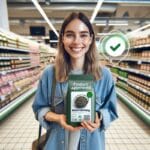
As ingredient lists evolve, consumers need tools to understand what’s really in their food. The Food Scan Genius app empowers users to scan product barcodes and instantly see whether items contain artificial dyes or additives. It also provides personalized alerts for allergens, dietary preferences, and additive warnings.
“I started using Food Scan Genius when my kids developed sensitivities to food dyes. Now I can shop confidently, knowing exactly what’s in every snack I buy.” — Maria L., parent and Food Scan Genius user
With the growing demand for ingredient transparency, apps like Food Scan Genius are becoming essential companions for health-conscious shoppers.
What Foods Are Removing Artificial Dyes in 2025?
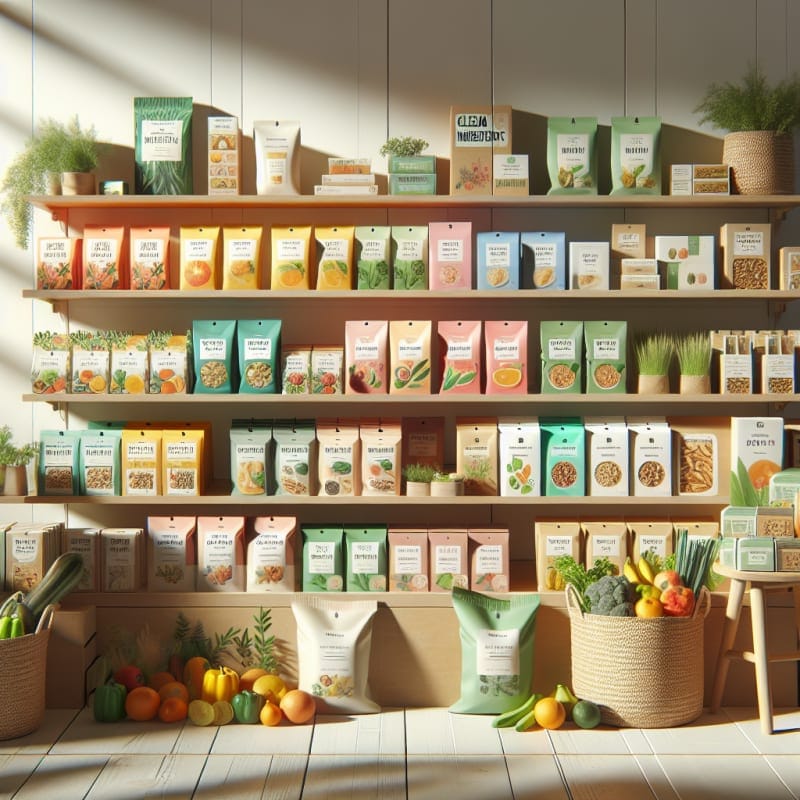
Many major brands have announced reformulations. Cereals, candies, and beverages are leading the charge, followed by frozen meals and sauces. Expect to see “no artificial colors or flavors” labels expanding across store shelves by mid-2025.
Global Context: The Clean Label Movement Beyond the U.S.
Europe’s long-standing restrictions on certain artificial dyes have influenced global standards. Now, U.S. companies are catching up, aligning with international norms for additive safety and transparency. The convergence of these standards supports global trade and consumer trust.
Takeaway: The Future of Food Is Transparent
The 2025 shift away from artificial dyes and additives marks a turning point in the food industry. Regulatory bodies like the FDA are modernizing oversight, retailers like Walmart are leading reformulations, and consumers are driving demand for cleaner, simpler foods. This movement isn’t just about removing synthetic ingredients—it’s about rebuilding trust in what we eat.
As the clean label revolution continues, tools like Food Scan Genius will help consumers stay informed and empowered in every aisle.
Frequently Asked Questions (FAQ)
1. What are artificial additives in food?
Artificial additives are synthetic substances added to foods to improve color, flavor, texture, or shelf life. Common examples include artificial dyes like Red 40 and preservatives like BHA and BHT.
2. Why are artificial dyes being banned or removed in 2025?
Growing health concerns, consumer demand for transparency, and new regulatory reviews are prompting companies to eliminate synthetic dyes from their products.
3. What is the FDA doing about food additives in 2025?
The FDA is reviewing definitions of ultraprocessed foods and evaluating the safety and labeling of artificial additives as part of its 2025 food policy updates.
4. Which major companies are removing artificial dyes?
Walmart announced plans to remove all synthetic dyes from its private brand foods by 2026, influencing other major retailers to follow suit.
5. How can I identify foods without artificial additives?
Look for “no artificial colors or flavors” on labels, or use apps like Food Scan Genius to scan and verify ingredient transparency instantly.
6. Are natural alternatives to artificial dyes effective?
Yes. Ingredients like beet juice, turmeric, and spirulina are increasingly used as natural colorants that provide vibrant hues without synthetic chemicals.