Artificial Sweeteners and Sugar Intake: Unveiling Their Impact on Hunger, Brain Function, and Mental Health
Every time you reach for a diet soda or a sugary snack, your brain and body respond in ways that go far beyond taste. Recent research reveals that artificial sweeteners and high sugar intake can alter hunger signals, influence brain activity, and even affect your mental health. As awareness of sugar sensitivity grows, understanding how sweeteners shape our mood, motivation, and metabolism has never been more important.
Why Sugar Sensitivity Matters for Everyone
Even if you don’t have diabetes or a diagnosed metabolic condition, your body’s response to sugar and sweeteners can influence your energy, focus, and emotional balance. Sugar sensitivity refers to how strongly your brain and metabolism react to sweet tastes and blood sugar changes. People with higher sensitivity may experience stronger cravings, mood swings, or fatigue after consuming sweet foods.
According to a Stanford Medicine report (2025), even moderate carbohydrate or sugar spikes can trigger brain regions associated with reward and motivation, leading to increased hunger and potential overeating. This finding underscores how sugar sensitivity is not just a dietary issue—it’s a neurological one.
The Neuroscience of Sweetness: How the Brain Reacts to Sugar and Sweeteners
1. Artificial Sweeteners and Hunger Signals
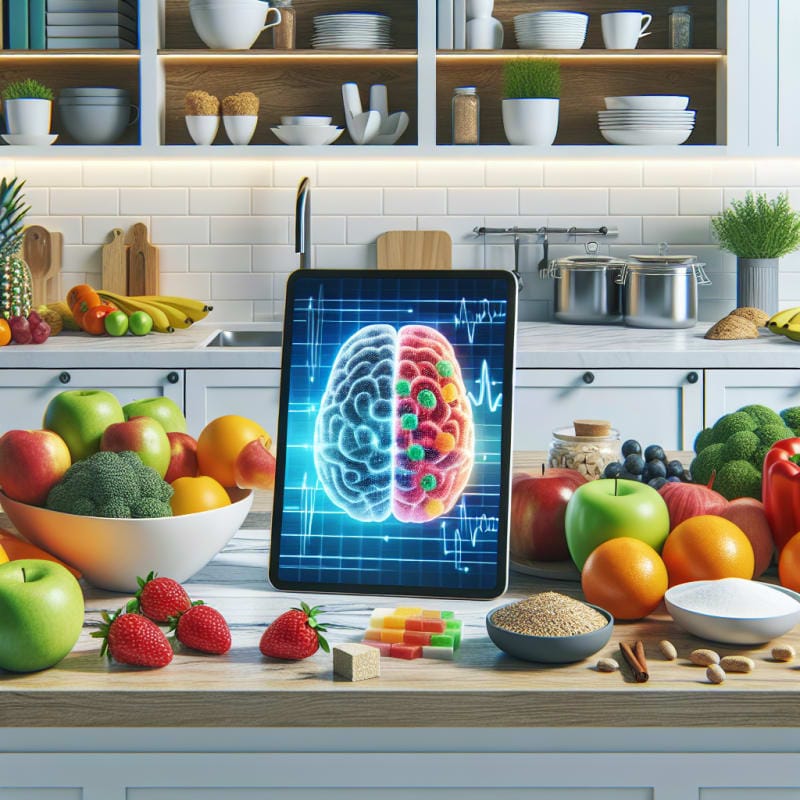
A groundbreaking study by the German Center for Diabetes Research (DZD, 2025) found that artificial sweeteners like sucralose can stimulate hunger-related brain regions. Using advanced neuroimaging, researchers observed that sucralose activates the hypothalamus and insula—areas responsible for appetite control and food motivation. This suggests that even calorie-free sweeteners may increase food cravings rather than suppress them.
In simple terms, when your brain senses sweetness without calories, it may “expect” energy that never arrives, prompting stronger hunger signals. This mechanism helps explain why some people find it harder to manage weight despite switching to diet products.
2. High Sugar Intake and Brain Activity
Excessive sugar consumption affects the brain’s reward system, particularly the dopamine pathways that regulate pleasure and motivation. Studies published in PubMed Central (2024) show that chronic high sugar intake can desensitize these pathways, leading to tolerance—similar to addictive substances. Over time, this may result in needing more sugar to achieve the same “feel-good” response, a hallmark of sugar addiction neural mechanisms.
3. Sucralose and Brain Function
Neuroimaging research summarized in Frontiers in Nutrition (2024) reveals that sucralose alters brain activity in regions linked to decision-making and reward evaluation. This means artificial sweeteners may subtly influence how we perceive food choices, potentially driving preferences for sweeter, more energy-dense options.
How Sugar and Sweeteners Influence Mental Health
1. The Link Between Sugar Intake and Mood Disorders
Multiple studies have connected high sugar consumption to increased risks of depression and anxiety. According to findings in Scientific Reports (Nature, 2017), individuals with diets high in refined sugars had a significantly higher likelihood of developing mood disorders. The proposed mechanism involves chronic inflammation, oxidative stress, and disruptions in neurotransmitter balance—particularly serotonin and dopamine.
2. Insulin Resistance and Brain Health
Insulin isn’t just a metabolic hormone—it also plays a key role in brain signaling. When high sugar intake leads to insulin resistance, the brain’s ability to use glucose efficiently declines. This can impair memory, focus, and emotional regulation. Over time, insulin resistance has been linked to cognitive decline and increased risk of neurodegenerative diseases.
3. Artificial Sweeteners and Emotional Regulation
While marketed as healthier alternatives, some artificial sweeteners may also affect mood. Emerging evidence suggests that changes in gut microbiota and altered dopamine signaling could contribute to anxiety-like behaviors in sensitive individuals. These findings are still under investigation, but they highlight the complexity of how sweeteners interact with both the brain and gut-brain axis.
Comparing Sugar and Artificial Sweeteners: A Quick Overview
| Aspect | High Sugar Intake | Artificial Sweeteners (e.g., Sucralose) |
|---|---|---|
| Caloric Value | High (4 kcal/g) | Zero or near-zero |
| Effect on Hunger | Can trigger rebound hunger after spikes | May stimulate hunger signals via brain activation |
| Impact on Brain Reward System | Overactivation and desensitization of dopamine pathways | Alters reward evaluation and decision-making |
| Mental Health Risks | Linked to depression, anxiety, and fatigue | Potential mood and gut-brain effects (under study) |
| Metabolic Effects | Promotes insulin resistance and inflammation | May disrupt glucose sensing and appetite regulation |
Understanding Sugar Sensitivity and Its Broader Implications
Sugar sensitivity varies from person to person. Some people experience sharp blood sugar fluctuations, while others maintain stable energy levels. Factors such as genetics, gut microbiome composition, and hormonal balance all play a role. Recognizing your unique sensitivity can help you make smarter dietary choices and protect your mental well-being.
For example, individuals with heightened sugar sensitivity often report “brain fog” or irritability after consuming sweets. These symptoms may reflect rapid changes in glucose availability to the brain, which can temporarily affect concentration and mood stability.
How Food Scan Genius Helps Identify Hidden Sweeteners
In today’s food market, sweeteners hide under dozens of names—from maltodextrin to acesulfame potassium. The Food Scan Genius app (scangeni.us) helps you instantly identify these ingredients by scanning product labels. It’s a powerful tool for anyone managing sugar sensitivity, mood fluctuations, or metabolic conditions.
“I started using Food Scan Genius after realizing how many ‘no sugar added’ foods still contained artificial sweeteners. It’s made grocery shopping so much easier and my energy levels more stable.” — Jenna, Food Scan Genius user
Practical Tips to Balance Sweetness and Brain Health
- Choose whole fruits over processed sweets for natural fiber and antioxidants.
- Limit both added sugars and artificial sweeteners to retrain your taste buds.
- Prioritize protein and healthy fats to stabilize blood sugar and reduce cravings.
- Stay hydrated—thirst is often mistaken for sugar cravings.
- Track your mood and energy after meals to identify patterns of sugar sensitivity.
FAQ: Understanding the Effects of Sugar Sensitivity on Brain and Mental Health
1. How does sucralose affect hunger and brain function?
Sucralose activates brain regions involved in hunger and reward, such as the hypothalamus and insula. This can increase appetite and influence food decisions, even without calorie intake (DZD, 2025).
2. Can sugar consumption cause depression or anxiety?
Yes. High sugar intake has been linked to higher risks of depression and anxiety due to inflammation, oxidative stress, and neurotransmitter imbalances (Nature, 2017).
3. What is the relationship between sugar intake and mood disorders?
Frequent blood sugar spikes and crashes can disrupt brain chemistry, leading to irritability, fatigue, and mood instability. Over time, this may contribute to chronic mood disorders.
4. How does insulin resistance affect brain health?
Insulin resistance reduces the brain’s ability to use glucose efficiently, impairing memory, focus, and emotional regulation. It’s a key factor linking diet to cognitive decline.
5. Are artificial sweeteners safer than sugar?
Not necessarily. While they reduce calorie intake, some sweeteners may still influence hunger and brain activity. Moderation and awareness are essential for both sugar and sweetener consumption.
6. How can I detect hidden sugars and sweeteners in foods?
Use tools like the Food Scan Genius app to scan labels and identify hidden sweeteners, helping you make informed, brain-friendly food choices.
Final Takeaway
Both artificial sweeteners and high sugar intake have measurable effects on hunger, brain function, and mental health. Understanding your body’s sugar sensitivity empowers you to make choices that support long-term wellness. By staying informed, reading labels carefully, and using tools like Food Scan Genius, you can protect both your metabolic and mental balance in a world full of hidden sweetness.