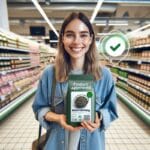
FDA’s Synthetic Food Dyes Ban: Timeline, Impacts, and Natural Swaps
Colorful cereals, bright candies, and vividly tinted drinks have long defined the American grocery aisle. But in 2025, that’s changing fast. The FDA’s phase-out of synthetic food dyes—including the upcoming ban on Red No. 3 by 2027—is ushering in a new era of transparency and reformulation across the food industry. Major retailers like Walmart and global brands such as Nestlé and PepsiCo are leading the charge, responding to consumer demand for cleaner, more natural ingredients.
Why Synthetic Food Dyes Are Being Banned
The FDA’s decision to phase out certain artificial food dyes stems from growing scientific and consumer concerns. Studies suggest links between synthetic dyes and behavioral effects in children, as well as potential carcinogenic risks in animal models. The FoodGraph analysis notes that Red No. 3, used in thousands of products, has been under scrutiny since the 1980s when animal studies raised red flags about thyroid tumors.
In response, the Modern American Health Alliance (MAHA) movement, championed by public figures like RFK Jr., has accelerated pressure on regulators and companies to remove synthetic additives from the U.S. food supply. This movement aligns with the global “clean label” trend—where consumers want ingredient lists they can recognize and trust.
Key Reasons Behind the FDA Food Dye Phase-Out
- Health Concerns: Links between synthetic dyes and hyperactivity or allergic reactions.
- Regulatory Alignment: The EU and UK already restrict several dyes still permitted in the U.S.
- Consumer Demand: Surveys show over 70% of shoppers prefer natural colors derived from plants or minerals.
- Retailer Pressure: Walmart’s 2025 initiative to eliminate synthetic dyes from all private brands.
Timeline: FDA Synthetic Food Dyes Ban 2025–2027
| Year | Regulatory Action | Industry Response |
|---|---|---|
| 2025 | FDA finalizes guidance on Red No. 3 and reviews other dyes for phase-out. | Walmart, Nestlé, and PepsiCo announce reformulation timelines. |
| 2026 | Manufacturers begin voluntary removal of synthetic dyes in snacks and beverages. | Clean label alternatives expand across grocery categories. |
| 2027 | Full FDA ban on Red No. 3 takes effect. | All major brands required to comply with updated color additive regulations. |
Foods Most Affected by the Synthetic Dyes Ban
According to Food Dive’s 2025 trend report, about 11.5% of U.S. packaged foods still contain synthetic dyes. The biggest categories include:
- Children’s cereals and fruit snacks
- Flavored beverages and sports drinks
- Frozen desserts and ice pops
- Baked goods and frostings
- Processed snacks like chips and cheese puffs
These categories are now at the center of reformulation efforts as brands race to meet new standards and avoid consumer backlash.
Natural Alternatives to Artificial Food Colors
As synthetic dyes are phased out, manufacturers are turning to natural colorants sourced from fruits, vegetables, and minerals. These alternatives not only meet clean label expectations but also align with sustainability goals.
| Natural Source | Color Produced | Common Uses |
|---|---|---|
| Beet juice | Red / Pink | Yogurts, candies, beverages |
| Turmeric | Yellow | Snacks, sauces, baked goods |
| Spirulina | Blue / Green | Ice creams, gummies, smoothies |
| Carrot and paprika extracts | Orange | Chips, soups, dressings |
The Role of Retailers: Walmart Leads the Way
In October 2025, Walmart announced it will eliminate all synthetic dyes from its private-label foods. This move signals a major shift in retail standards and pressures other chains to follow suit. Walmart’s initiative aligns with the FDA’s regulatory timeline and demonstrates how corporate responsibility is reshaping the food landscape.
How the MAHA Movement Is Influencing Policy
The MAHA (Modern American Health Alliance) movement, led by advocates like RFK Jr., has become a powerful force in food policy reform. Through petitions, public awareness campaigns, and viral social media discussions—such as those seen on YouTube—MAHA has mobilized parents, educators, and health professionals to demand safer ingredients in school foods and children’s snacks.
Health Risks of Synthetic Food Dyes
While the FDA maintains that approved dyes are safe within regulated limits, ongoing research continues to raise questions. Studies reviewed by FoodGraph highlight several potential risks:
- Behavioral effects: Some children may experience hyperactivity or attention issues after consuming artificial dyes.
- Allergic reactions: Sensitivities can trigger hives or asthma-like symptoms in susceptible individuals.
- Long-term exposure risks: Animal studies have linked certain dyes to organ stress and tumor formation.
These findings have led parents and health advocates to call for stricter oversight and better labeling transparency.
Clean Label Food Trends 2025: The Bigger Picture
The 2025 Food Dive report notes that “clean label” is no longer a niche trend—it’s the new baseline. Consumers now expect transparency about every ingredient, from colorants to preservatives. Brands that fail to adapt risk losing market share to those embracing natural formulations.
Key Clean Label Drivers
- Increased awareness of ingredient sourcing
- Social media advocacy and viral education campaigns
- Retailer commitments to reformulation
- Technological tools for ingredient scanning and allergen detection
Technology Spotlight: Food Scan Genius
As ingredient lists evolve, tools like Food Scan Genius help consumers instantly identify synthetic dyes and additives by scanning product barcodes. The app provides real-time alerts about allergens, artificial colors, and preservatives—empowering users to make smarter, safer choices.
“I used Food Scan Genius to check my kids’ snacks, and it flagged Red No. 3 instantly. It’s a game changer for parents who want transparency.” — Laura M., Food Scan Genius user
With the FDA’s dye phase-out underway, digital tools like this are becoming essential for navigating reformulated products and understanding what’s really in your food.
What Consumers Can Do Now
- Check ingredient labels for synthetic dyes such as Red 40, Yellow 5, and Blue 1.
- Use apps like Food Scan Genius to identify hidden additives.
- Choose brands that commit to clean label and natural color sources.
- Stay informed about ongoing FDA updates and retailer reformulation timelines.
FAQ: Synthetic Food Dyes Ban 2025
1. What is the FDA’s synthetic food dyes ban?
The FDA is phasing out certain artificial dyes, starting with Red No. 3, due to health and safety concerns. The full ban is expected by 2027.
2. Which products will be affected most?
Children’s snacks, cereals, and flavored beverages are most impacted, as they use synthetic dyes for bright colors.
3. Why is Red No. 3 being banned?
Red No. 3 has been linked to thyroid tumors in animal studies, prompting the FDA to remove it from the approved list for foods.
4. Are natural color alternatives safe?
Yes. Natural colorants from fruits, vegetables, and minerals are considered safe and align with clean label standards.
5. How can I identify synthetic dyes in products?
Look for names like “FD&C Red No. 40” or “Yellow 5” on ingredient labels, or use the Food Scan Genius app to scan for additives instantly.
6. What does the MAHA movement stand for?
MAHA, or the Modern American Health Alliance, advocates for removing harmful additives and promoting transparency in the U.S. food system.
Final Takeaway
The synthetic food dyes ban marks a major shift toward healthier, more transparent food systems. As the FDA, retailers, and consumers align around clean label values, the grocery aisle is becoming a safer place for everyone. Understanding ingredient lists—and using tools like Food Scan Genius—helps consumers stay informed and confident about what they’re eating.
{
“@context”: “https://schema.org”,
“@type”: “FAQPage”,
“mainEntity”: [
{
“@type”: “Question”,
“name”: “What is the FDA’s synthetic food dyes ban?”,
“acceptedAnswer”: {
“@type”: “Answer”,
“text”: “The FDA is phasing out certain artificial dyes, starting with Red No. 3, due to health and safety concerns. The full ban is expected by 2027.”
}
},
{
“@type”: “Question”,
“name”: “Which products will be affected most?”,
“acceptedAnswer”: {
“@type”: “Answer”,
“text”: “Children’s snacks, cereals, and flavored beverages are most impacted, as they use synthetic dyes for bright colors.”
}
},
{
“@type”: “Question”,
“name”: “Why is Red No. 3 being banned?”,
“acceptedAnswer”: {
“@type”: “Answer”,
“text”: “Red No. 3 has been linked to thyroid tumors in animal studies, prompting the FDA to remove it from the approved list for foods.”
}
},
{
“@type”: “Question”,
“name”: “Are natural color alternatives safe?”,
“acceptedAnswer”: {
“@type”: “Answer”,
“text”: “Yes. Natural colorants from fruits, vegetables, and minerals are considered safe and align with clean label standards.”
}
},
{
“@type”: “Question”,
“name”: “How can I identify synthetic dyes in products?”,
“acceptedAnswer”: {
“@type”: “Answer”,
“text”: “Look for names like FD&C Red No. 40 or Yellow 5 on ingredient labels, or use the Food Scan Genius app to scan for additives instantly.”
}
},
{
“@type”: “Question”,
“name”: “What does the MAHA movement stand for?”,
“acceptedAnswer”: {
“@type”: “Answer”,
“text”: “MAHA, or the Modern American Health Alliance, advocates for removing harmful additives and promoting transparency in the U.S. food system.”
}
}
]
}