The best hair moisturizers are formulas that deliver deep, penetrating hydration using proven ingredients like hyaluronic acid, glycerin, shea butter, and natural oils, while being verifiably free of endocrine disruptors, harsh sulfates, and allergens. The ‘best’ isn’t a brand name; it’s a promise of efficacy and safety, a combination of what a product contains and, more importantly, what it doesn’t.
The Illusion of Hydration vs. The Reality
The man in the grey suit sells you a feeling, not a formula. He sells you the image of hair so lustrous it reflects your own ambition back at you. But what’s in the bottle? Often, it’s a cocktail of silicones that coat the hair shaft, creating a temporary, plastic shine. It feels smooth, but it’s an illusion. Underneath that veneer, your hair is still thirsty, suffocating.
True moisture isn’t a coating; it’s a component. It penetrates the hair cuticle, restoring elasticity and strength from within. It’s the difference between a photograph of a glass of water and the drink itself. One is a memory, the other is life.
The Anatomy of a Superior Hair Moisturizer
To find what works, you must first understand what you’re looking for. It’s not about the marketing on the front of the bottle. It’s about the intelligence on the back. A truly effective moisturizer is built on a foundation of three key elements.
Humectants: The Water Magnets
These are ingredients that attract water molecules from the air and bind them to your hair. They are the initial rush of hydration.
* Hyaluronic Acid: A powerhouse that can hold 1,000 times its weight in water.
* Glycerin: A classic, cost-effective humectant that draws moisture into the hair shaft.
* Panthenol (Pro-Vitamin B5): Penetrates the cuticle to hydrate and add shine.
Emollients & Occlusives: The Gatekeepers
Once the humectants have drawn moisture in, emollients and occlusives seal it, smoothing the cuticle and preventing moisture loss. They are the protectors of your investment.
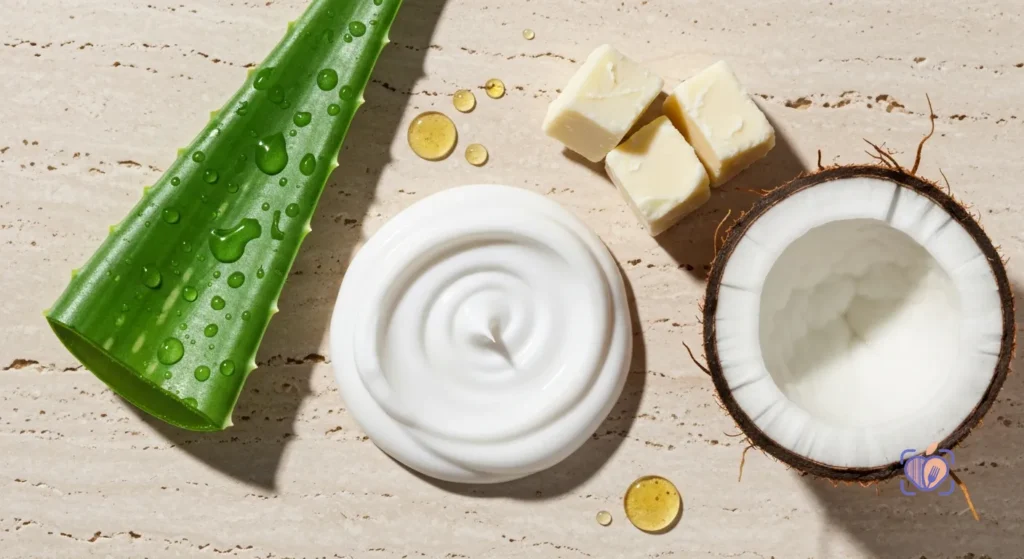
* Shea Butter & Mango Butter: Rich in fatty acids, they nourish and seal.
* Argan, Jojoba, & Avocado Oils: These oils mimic the scalp’s natural sebum, providing moisture without greasy residue.
* Squalane: A lightweight, non-greasy oil that provides exceptional sealing and softness.
The Unseen Danger on Your Shelf
We’re told to desire beauty, but we’re not told the cost. The industry has a dirty secret: many mainstream products are formulated with questionable chemicals. Some studies have uncovered deeply concerning ingredients in cosmetics, linking them to a host of health issues. This isn’t just a vague concern; it’s a documented risk that disproportionately affects certain communities, as highlighted by extensive research into the hidden health risks in hair products.
Parabens, phthalates, formaldehyde-releasers—these aren’t just words on a label. They are chemicals you absorb. The question is, how do you navigate a marketplace designed to confuse you? You stop guessing. You start knowing.
A Regimen, Not Just a Product
Even the perfect moisturizer is only one part of the conversation. Lasting hydration is a commitment, a system. It begins not with your ends, but with your scalp. A dry, neglected scalp cannot produce healthy, moisturized hair. It’s a simple truth that is often overlooked in the quest for a quick fix. Learning how to moisturize your scalp properly is foundational to the health of your entire head of hair. Integrate weekly deep conditioning treatments or hair masks into your routine. Choose your leave-in conditioner as carefully as you would a business partner.
The Skin Scan Genius Promise: Clarity in a Bottle
At Skin Scan Genius, we believe the truth should be transparent. You have a right to know exactly what you’re putting on your body. Our platform isn’t about telling you what to buy. It’s about giving you the clarity to decide for yourself. We meticulously analyze product ingredient lists to flag potential carcinogens, endocrine disruptors, and allergens that hide in plain sight.
Don’t let marketing executives decide your health. Take the power back. Before your next purchase, scan the label with our app. Demand better.
Your well-being isn’t a trend. It’s the only thing you truly own. Protect it. Visit Skin Scan Genius to arm yourself with the truth.
Frequently Asked Questions about Hair Moisturizers
How often should I moisturize my hair?
This depends entirely on your hair type, porosity, and environment. Fine hair might only need a light leave-in after washing, while coily, high-porosity hair might require daily moisture using the LOC (Liquid, Oil, Cream) method. Listen to your hair; it will tell you when it’s thirsty.
Can you over-moisturize your hair?
Yes. This condition is called hygral fatigue. It happens when the hair cuticle is constantly swollen with water, leading to weakness, limpness, and breakage. Balance your moisture routine with protein treatments to maintain structural integrity.
What’s the difference between a hair moisturizer and a conditioner?
Rinse-out conditioners are designed to provide temporary softness and detangling after shampooing. Hair moisturizers, especially leave-in formulas, are designed for long-lasting hydration that stays with the hair until the next wash day.