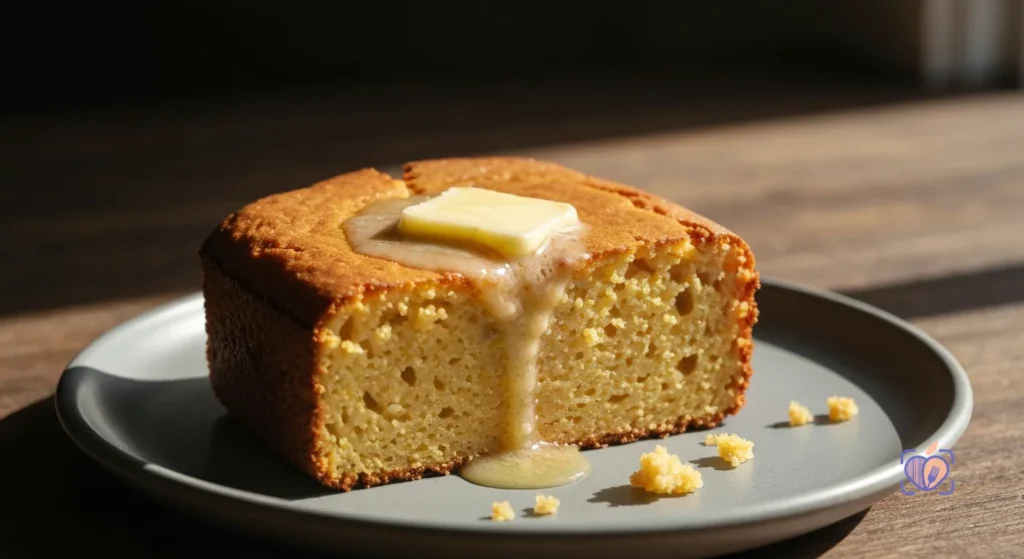
There’s a memory tied to cornbread. It’s the smell of it baking, the golden crust, the steam that rises when you break a piece apart. It’s the feeling of comfort, of home. But for so many of us, that feeling has been replaced by disappointment. The gritty texture. The dry, crumbly mess that falls apart before it reaches your mouth. The faint, nagging fear that a simple comfort food could cause days of pain, inflammation, and sickness.
We understand that frustration. We see it every day. This isn’t just about baking; it’s about reclaiming a piece of your life that a dietary restriction tried to take away. For individuals with celiac disease or severe gluten intolerance, this isn’t a lifestyle choice; it’s a medical necessity. The reaction to gluten can be severe and debilitating. As the experts at the Mayo Clinic explain, celiac disease is an immune reaction to eating gluten, a protein found in wheat, barley, and rye, which over time damages the small intestine’s lining and prevents it from absorbing some nutrients.
This isn’t just about a stomach ache. It’s about your long-term health. That’s why getting it right matters so much. That’s why we’ve obsessed over creating not just a recipe, but a definitive guide to the perfect, foolproof, and truly safe gluten-free cornbread. This is where the anxiety ends and the enjoyment begins.
The Anatomy of Perfect Gluten-Free Cornbread
Making great gluten-free cornbread isn’t about finding a single magic ingredient. It’s about understanding the science behind what makes traditional cornbread work and then intelligently rebuilding it, piece by piece, without compromise. We’ve broken it down into four critical pillars. Master these, and you’ll never have a disappointing bite again.
The Foundation: Choosing the Right Gluten-Free Flour & Cornmeal
This is the single most common point of failure. You cannot simply substitute a generic “all-purpose” gluten-free flour and expect success. The structure is all wrong. Gluten provides elasticity and structure; without it, you need a carefully constructed team of flours to replicate its effect. The risk here is a cornbread that is either dense and gummy or so brittle it disintegrates on contact.
- The Cornmeal is King: The star of the show must be chosen carefully. Look for a brand that is explicitly labeled “gluten-free.” Why? Corn is naturally gluten-free, but it is very frequently processed in mills that also process wheat, leading to dangerous cross-contamination. For texture, a medium-grind yellow cornmeal provides the perfect balance of classic texture and structure without being overly gritty.
- The Supporting Flour Blend: A high-quality gluten-free all-purpose flour that contains xanthan gum is your best friend. But let’s look under the hood. A good blend will typically contain a mix of white or brown rice flour (for structure), potato starch (for a soft crumb), and tapioca flour (for a bit of chew and browning). The xanthan gum is non-negotiable; it’s the binder that mimics gluten’s role, holding everything together and preventing that dreaded crumble.
- The Risk of ‘Just Corn’: Using only cornmeal and no supporting flours will result in a heavy, dense, and often dry product. The starches in the supporting blend are crucial for retaining moisture and creating a lighter, more pleasant texture.
The Moisture Secret: Mastering Fats, Binders, and Acidity
Gluten-free flours, especially those based on rice, are notoriously thirsty. They absorb more liquid than their wheat-based counterparts. If you use a traditional recipe’s liquid ratios, you’re guaranteeing a dry, sandy result. The risk is creating a cornbread that’s more like a brick than a baked good.
- The Power of Buttermilk: Real, full-fat buttermilk is our non-negotiable secret weapon. It does two things. First, its high-fat content adds richness and moisture that water or regular milk simply can’t. Second, its acidity reacts with the baking soda, creating a powerful leavening effect that produces a lighter, more tender crumb. This chemical reaction is critical for lift in the absence of gluten’s structure.
- Fat is Your Friend: We use both melted butter and a neutral oil (like canola or avocado). Butter provides that rich, classic flavor that is non-negotiable for cornbread. The oil, however, is a moisture powerhouse. Because it’s a pure liquid fat at room temperature, it coats the flour particles more effectively than butter, resulting in a bread that stays moister for longer. Using both gives you the best of both worlds: flavor and a tender, lasting crumb.
- The Essential Egg: The egg is more than just a liquid. It’s a crucial binder and leavener. The proteins in the egg coagulate during baking, providing essential structure that helps hold the cornbread together. The fat in the yolk adds even more richness and tenderness. Don’t even think about skipping it unless you’re using a specific vegan substitute (which we’ll cover in the FAQ).
The Flavor Profile: Sweet vs. Savory & The Art of Balance
Cornbread is a deeply personal and regional thing. Some demand it be savory, a rustic accompaniment to chili or stew. Others crave a sweeter, more cake-like version that’s a treat on its own. The risk is an unbalanced flavor profile—either bland and forgettable or cloyingly sweet.
- Northern vs. Southern Style: Our recipe strikes a perfect balance, leaning slightly towards the sweeter, more tender Northern style, as it’s generally more forgiving and palatable in its gluten-free form. We use a combination of granulated sugar and a touch of honey or maple syrup. The sugar provides clean sweetness, while the liquid sweetener (honey/maple syrup) adds a subtle flavor complexity and, crucially, more moisture.
- Don’t Forget the Salt: Salt is a flavor enhancer. In baking, it’s not just about making things taste salty; it sharpens and brightens all the other flavors. It balances the sweetness of the sugar and enhances the natural corn flavor. A common mistake in gluten-free baking is under-salting, which can leave the final product tasting flat.
- Optional Add-ins: This base recipe is a perfect canvas. For a savory version, reduce the sugar by half and add a cup of sharp shredded cheddar, 1/4 cup of chopped jalapeños, or a handful of fresh chives. The key is to not add too much extra liquid with your inclusions.
The Perfect Bake: Pan Choice, Temperature, and Critical Technique
How you bake the cornbread is just as important as what’s in it. The wrong pan or temperature can ruin a perfect batter. The risks are a burnt crust with a raw middle, a soggy bottom, or a complete lack of a satisfying, crispy edge.
- Cast Iron is a Must: For the ultimate cornbread experience, a 10-inch cast-iron skillet is the only choice. Nothing else conducts and retains heat so evenly, and nothing else can produce the signature crispy, crunchy crust. The secret is to preheat the skillet in the oven with a tablespoon of your fat (butter or bacon drippings) melted in it. When you pour the batter into the screaming hot pan, the edges begin to cook immediately, creating an unbeatable crust.
- Temperature Matters: We bake at 400°F (200°C). This high heat helps create a quick “oven spring,” giving the cornbread a good rise before the structure sets. It also helps achieve that deep golden-brown crust. If your oven runs hot, you may need to tent the top with foil for the last 10 minutes to prevent over-browning.
- The Toothpick Test is Law: Gluten-free baked goods can be deceptive. They may look perfectly golden on top but still be gummy in the center. The only way to be sure is to insert a wooden toothpick or skewer into the center of the cornbread. If it comes out clean, or with a few dry crumbs attached, it’s done. If there is any wet batter, it needs more time.
The Ultimate Foolproof Gluten-Free Cornbread Recipe
Yields: 8 servings
Prep time: 10 minutes
Cook time: 20-25 minutes
Ingredients:
- 1 ½ cups medium-grind, certified gluten-free yellow cornmeal
- 1 cup high-quality all-purpose gluten-free flour blend (with xanthan gum)
- ⅓ cup granulated sugar
- 2 teaspoons baking powder (ensure it’s gluten-free)
- ½ teaspoon baking soda
- ½ teaspoon salt
- 1 ¼ cups full-fat buttermilk
- 2 large eggs, lightly beaten
- ¼ cup unsalted butter, melted
- ¼ cup neutral oil (canola, vegetable, or avocado)
- 1 tablespoon honey or maple syrup
Instructions:
- Preheat and Prepare: Place a 10-inch cast-iron skillet in the oven and preheat to 400°F (200°C). This step is crucial for a crispy crust.
- Combine Dry Ingredients: In a large bowl, whisk together the gluten-free cornmeal, gluten-free flour blend, sugar, baking powder, baking soda, and salt. Whisking thoroughly ensures the leaveners are evenly distributed, which is key for a good rise.
- Combine Wet Ingredients: In a separate medium bowl, whisk together the buttermilk, beaten eggs, melted butter, oil, and honey/maple syrup until smooth.
- Mix Batter: Pour the wet ingredients into the dry ingredients. Stir with a spatula until just combined. Do not overmix! A few small lumps are perfectly fine. Overmixing can lead to tough cornbread.
- Heat the Skillet: Carefully remove the hot skillet from the oven. Add a tablespoon of butter or oil and swirl to coat the bottom and sides of the pan. It should sizzle.
- Bake: Immediately pour the batter into the hot, greased skillet and spread it evenly. Place it back in the oven and bake for 20-25 minutes, or until the top is golden brown and a toothpick inserted into the center comes out clean.
- Cool and Serve: Let the cornbread cool in the skillet for at least 10-15 minutes before slicing and serving. This allows the crumb to set and prevents it from falling apart. Serve warm with butter and a drizzle of honey.
The Hidden Danger: Understanding Corn Cross-Reactivity
For most people with celiac disease, pure, uncontaminated corn is perfectly safe. However, a small subset of individuals with gluten sensitivity may experience what is known as cross-reactivity. This is a complex immunological phenomenon that your average recipe blog will never mention, but it’s critical for understanding your body.
The science behind it is called molecular mimicry. The primary protein in corn is called zein. In some individuals, the molecular structure of zein can appear similar enough to gluten’s gliadin protein that the immune system gets confused. It mistakenly identifies the corn protein as gluten and launches a similar inflammatory attack. This is not a corn allergy, which is a different type of immune response (IgE-mediated). Instead, it’s an extension of the gluten-intolerance mechanism.
If you have been meticulously gluten-free but still experience symptoms like bloating, brain fog, or joint pain after eating corn-based products, you may be experiencing this cross-reactivity. It’s an area of ongoing research, but it highlights a crucial point: managing a restricted diet is never as simple as just reading one word on a label.
Where Gluten Hides: Beyond the Obvious
Achieving a truly gluten-free kitchen requires vigilance. Gluten is an insidious ingredient that can appear in the most unexpected places, sabotaging your health through cross-contamination or hidden additives.
- Milling & Processing: As mentioned, cornmeal, oats, and other grains are often processed on shared equipment with wheat. Always buy products with a “Certified Gluten-Free” label to ensure they are tested to be below 20 parts per million (ppm) of gluten.
- Baking Powder & Spices: Some cheaper brands of baking powder may use wheat starch as a filler. Similarly, spice blends can sometimes contain flour as an anti-caking agent.
- Shared Kitchen Utensils: Wooden spoons, cutting boards, and even scratched non-stick pans can harbor gluten particles. Toasters are a notorious source of cross-contamination.
- The Butter Dish: A shared butter dish where knives used for regular toast are double-dipped is a direct route for gluten contamination onto your supposedly safe food.
- Broths and Seasonings: Many store-bought broths, bouillon cubes, and soy sauces contain wheat as a thickener or flavoring agent. Always read the ingredient list.
- Non-Food Items: Believe it or not, some cosmetics (like lipstick), medications, and even pet food can contain gluten, which can be ingested accidentally.
Navigating these hidden dangers is a constant mental burden. It’s not just about ‘gluten-free.’ What if you’re also dairy-free, avoiding corn, or managing a soy allergy? This complexity is why Food Scan Genius was built. Our app simultaneously analyzes for over 39 distinct dietary labels and their complex overlapping combinations, giving you clarity and peace of mind in a single scan.
Stop the endless label reading. Stop the uncertainty. Stop the fear that a simple meal could ruin your week. It’s time to put a genius in your pocket.
Your peace of mind is one scan away. Download Food Scan Genius now.
- For Android: Download on Google Play
- For iOS: Download on the App Store
Frequently Asked Questions
Why is my gluten-free cornbread so crumbly and dry, and how does this recipe fix it?
This is the most common problem and it stems from two main issues: an incorrect flour-to-liquid ratio and a lack of sufficient fat and binders. Gluten-free flours, particularly rice-based ones, are much ‘thirstier’ than wheat flour and absorb more moisture. Our recipe compensates for this by using a generous amount of buttermilk, which adds both moisture and acidity for tenderness. Furthermore, we use a combination of melted butter for flavor and oil for superior moisture retention, as oil does a better job of coating the flour particles to prevent dryness. Finally, the inclusion of two eggs and a flour blend containing xanthan gum provides the necessary protein and binding structure to hold the cornbread together, directly combating the crumbly texture that plagues so many other recipes.
Can I make this gluten-free cornbread recipe dairy-free or vegan?
Yes, you can adapt this recipe with excellent results. For a dairy-free version, substitute the buttermilk with a ‘vegan buttermilk’ by mixing 1 ¼ cups of unsweetened almond or soy milk with 1 tablespoon of lemon juice or apple cider vinegar. Let it sit for 5-10 minutes to curdle. Replace the unsalted butter with a high-quality vegan butter substitute or additional neutral oil. For a fully vegan version, you will also need to replace the eggs. A commercial egg replacer (like Bob’s Red Mill Egg Replacer) or a ‘flax egg’ (2 tablespoons of ground flaxseed mixed with 5 tablespoons of water, rested for 10 minutes) works best. The texture will be slightly denser than the original, but still delicious and moist.
Is all cornmeal safe for celiacs, or do I need a specific type?
This is a critically important safety question. While corn itself is a naturally gluten-free grain, it is at extremely high risk for cross-contamination during the milling process. Many facilities that mill corn also mill wheat, barley, and rye. Because of this, you absolutely MUST use cornmeal that is explicitly labeled or certified as gluten-free. Brands that take this seriously will often process their corn on dedicated gluten-free equipment and test their final product to ensure it meets the FDA standard of less than 20 parts per million of gluten. Simply buying generic cornmeal from the bulk bin or a standard bag without certification is a significant risk for anyone with celiac disease.
How do I store leftover gluten-free cornbread to keep it from getting hard?
Gluten-free baked goods are notorious for turning hard and stale faster than their gluten-containing counterparts. The key to storage is locking in moisture. Once the cornbread has cooled completely to room temperature, do not store it in the refrigerator, as the cold air will dry it out very quickly. Instead, wrap the leftover cornbread tightly in plastic wrap, or place it in an airtight container. It will keep well at room temperature for up to 2 days. For longer storage, wrap individual slices in plastic wrap and then place them in a freezer-safe zip-top bag. They can be frozen for up to 3 months. To reheat, you can microwave a slice for 20-30 seconds or warm it in a toaster oven.