Is gluten-free rice real, or is all rice naturally gluten-free?
Yes, all natural forms of plain rice—including white, brown, basmati, jasmine, and wild rice—are 100% gluten-free by nature. However, flavored rice mixes, sushi rice prepared with certain vinegars, and plain rice processed in shared agricultural facilities carry a highly elevated risk of hidden gluten cross-contamination.
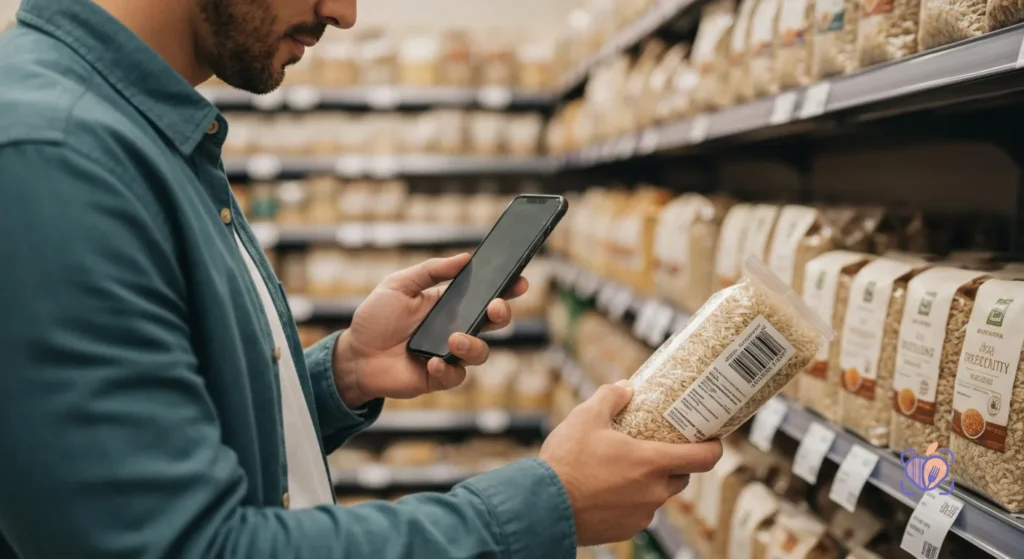
You’re standing in aisle four, holding a plastic-wrapped package of basmati. You’re tired from a long day. You just want to cook a simple, safe dinner for your family. You tell yourself, “It’s just rice. It has to be safe.”
That is exactly the illusion the modern food industry relies on. They sell you simplicity, but they deliver an invisible minefield. I’m Don Draper, CMO of Food Scan Genius, and I’m going to tell you the truth about the food you bring into your home. The peace of mind you are desperately searching for doesn’t come from a beautifully designed label. It comes from knowing exactly what is inside the box.
Let’s dissect the reality of gluten-free rice.
Why “Naturally Safe” Is a Modern Myth
In an ideal world, food goes from a pristine paddy straight to your plate. In the real 2026 supply chain, it travels through a labyrinth of silos, massive transportation bins, and industrial milling facilities.
A pure grain of rice is perfectly innocuous. The heavy machinery it touches? Not so much. The Celiac Disease Foundation frequently warns about the severe, hidden dangers of agricultural cross-contact. When oats, barley, or wheat are processed on the exact same conveyor belts as your dinner, “naturally gluten-free” becomes a meaningless, dangerous marketing phrase.
The Hidden Trapdoors in Gluten-Free Rice Products
You don’t just need to worry about the raw, harvested grain. You need to worry about what happens in the factory kitchen before it ever reaches your grocery store.
Flavored Rice Packets
Those quick-prep Spanish, pilaf, or Teriyaki rice pouches are ground zero for hidden gluten. Manufacturers use yeast extract, modified food starch, and obscure soy sauces as dirt-cheap flavor enhancers. Under the FDA’s strict gluten-free labeling requirements, a product must physically contain less than 20 parts per million (ppm) of gluten to bear the badge. But ambiguous, uncertified ingredients easily slip past the casual shopper’s eye.
Sushi and Restaurant Rice
Sushi rice is bound together and flavored using vinegar. Traditional pure rice vinegar is safe, but many modern restaurants and pre-packaged sushi brands cut costs by using grain vinegars derived from wheat. Suddenly, your seemingly safe salmon roll is an invisible biological trigger.
The Microscopic Threat
It doesn’t take a massive mouthful of wheat to cause a life-altering reaction. As the Mayo Clinic details regarding celiac disease, even a microscopic crumb of a cross-contaminated grain can trigger severe autoimmune responses, causing cascading inflammation and long-term intestinal damage.
How Food Scan Genius Protects You Where Labels Fail
You shouldn’t need a PhD in biochemistry to buy groceries. You shouldn’t have to desperately search the internet hoping to find out if a specific brand of gluten-free rice is safe while you’re blocking the supermarket aisle.
At Food Scan Genius, we built a solution that cuts through the industry deception. Our technology doesn’t just read the bold print on the front of the box; it ruthlessly interrogates the fine print on the back. The Food Scan Genius engine rigorously parses over 200+ specific edge-case hidden labels—from obscure maltodextrins to deeply buried cross-contamination warnings that the panicked human eye glosses over.
We catch the hundreds of hidden industry synonyms for gluten that marketers pray you won’t notice. We give you back your confidence.
Stop gambling with your health and the health of the people you love. Download the app for free today and take back total control of your pantry:
* For Android: Download on Google Play
* For iOS: Download on the App Store
Frequently Asked Questions About Gluten-Free Rice
Is “glutinous rice” or “sticky rice” actually gluten-free?
Yes. It is perhaps one of the most terrifying names in the culinary world for someone with a gluten allergy, but “glutinous” simply describes the sticky, glue-like texture of the short-grain rice when cooked. It contains absolutely zero wheat gluten.
Does washing my rice thoroughly remove gluten cross-contamination?
Washing rice removes surface starches, field dust, and talc, but it is unequivocally not a reliable method for removing gluten cross-contamination. Gluten is a highly cohesive, sticky protein; cold water alone will not magically sanitize a heavily cross-contacted batch of grains.
What hidden labels should I look out for on rice packages?
Beware of innocent-sounding ingredients like “natural flavors,” “yeast extract,” “hydrolyzed wheat protein,” and generic “modified food starch.” If you see a tiny warning that says “processed in a facility that also processes wheat,” leave it on the shelf. Or better yet, simply use Food Scan Genius to automatically parse the 200+ edge-case hidden labels for you in a fraction of a second.