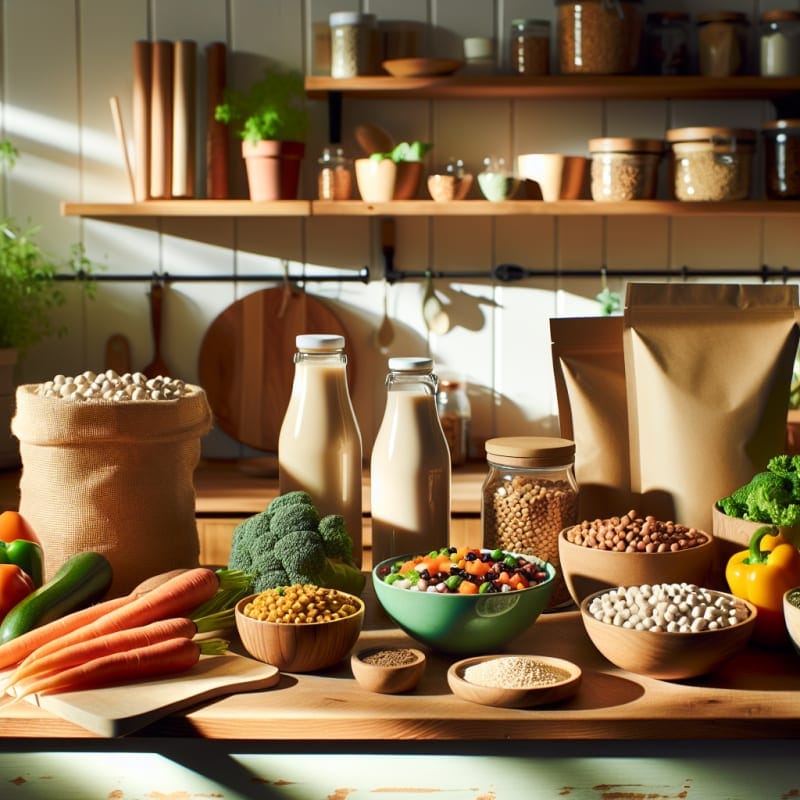
Top Vegan Food Trends for 2025: From High-Protein Plant Innovations to Clean Whole-Food Eating
Vegan and plant-based eating have officially gone mainstream in 2025. What began as a niche lifestyle is now a global movement shaping supermarket shelves, restaurant menus, and home kitchens. With health, sustainability, and food safety concerns driving choices, consumers are embracing whole-food vegan meals, high-protein plant innovations, and clean-label ingredients.
According to VegOut Magazine, the biggest vegan eating habits in 2025 center around nutrient-dense ingredients, minimal processing, and sustainable sourcing. Meanwhile, The Vegan Society reports that the global vegan population continues to rise, with plant-based product sales projected to double by 2033. Industry analysts at Vegconomist confirm that private-label vegan products are growing faster than branded ones, signaling a shift toward affordability and accessibility.
Why Vegan Food Trends Matter in 2025
Beyond personal health, vegan trends reflect broader concerns about climate change, ethical sourcing, and food transparency. Recent E. coli outbreaks and labeling controversies have made consumers more cautious, pushing them toward clean whole-food vegan options and trusted ingredient labels. Apps like Food Scan Genius are helping users instantly identify hidden animal derivatives, allergens, and additives in packaged foods, empowering smarter plant-based choices.
“I love using Food Scan Genius when shopping for vegan products. It instantly tells me if an ingredient is plant-based or not — no more confusing labels!” — Maya L., Food Scan Genius user
Top 2025 Vegan Food Trends
Here are the best vegan food trends for 2025 shaping how we eat, shop, and cook:
1. High-Protein Plant Innovations
Protein continues to dominate the vegan conversation. In 2025, expect to see a surge in pea protein, water lentils (also known as duckweed), and fermented soy as clean, sustainable protein sources. These ingredients are appearing in everything from protein bars to dairy-free yogurts and meat alternatives.
| Protein Source | Protein (per 100g) | Key Benefits |
|---|---|---|
| Pea Protein | 80g | Hypoallergenic, sustainable, mild flavor |
| Water Lentils | 45g | Rich in B12, iron, and omega-3s |
| Fermented Soy | 50g | Enhanced digestibility and gut health |
2. Clean Whole-Food Vegan Eating
The whole-food vegan trend emphasizes minimally processed ingredients like legumes, grains, nuts, fruits, and vegetables. Consumers are moving away from ultra-processed vegan meats and toward homemade lentil burgers, chickpea stews, and quinoa bowls. This shift aligns with the growing “clean eating” movement, prioritizing transparency and nutrient density.
3. Oat Milk and Dairy-Free Innovations
Oat milk remains the top dairy alternative in 2025, loved for its creamy texture and low environmental footprint. But new players like potato milk and hemp milk are entering the market, offering allergen-friendly and nutrient-rich options. Expect to see oat-based cheeses, yogurts, and even frozen desserts dominating vegan aisles.
4. Functional Vegan Foods
Consumers are now seeking foods that do more than nourish — they want functional benefits. Expect vegan products infused with sea moss (for minerals), adaptogens (for stress relief), and probiotics (for gut health). These functional ingredients are becoming staples in smoothies, snack bars, and ready-to-drink beverages.
5. Private-Label Vegan Brands on the Rise
According to Vegconomist, supermarket private-label vegan products are outpacing branded alternatives in 2025. Retailers are investing in affordable, high-quality vegan lines to meet growing demand. This democratization of plant-based foods makes vegan eating accessible to all income levels.
6. Sustainable Packaging and Local Sourcing
Eco-conscious consumers are demanding more than plant-based ingredients — they want sustainable packaging too. Expect compostable wraps, refillable containers, and locally sourced ingredients to define 2025’s vegan market. This trend supports both environmental goals and community-based food systems.
7. AI-Powered Ingredient Transparency
Technology is transforming how we shop for vegan foods. Apps like Food Scan Genius use AI to scan barcodes and instantly reveal whether a product is vegan, gluten-free, or allergen-safe. This innovation addresses growing concerns about mislabeling and hidden animal-based additives.
Global Vegan Market Growth in 2025
Data from The Vegan Society shows that the global vegan food market is on track to double by 2033, driven by health-conscious consumers and sustainable innovation. Here’s a snapshot of market projections:
| Region | 2024 Market Value (USD) | Projected 2033 Value (USD) | Key Growth Drivers |
|---|---|---|---|
| North America | $7.5 billion | $14 billion | High-protein innovations, oat milk popularity |
| Europe | $9 billion | $18 billion | Private-label expansion, clean-label demand |
| Asia-Pacific | $6 billion | $13 billion | Plant-based meat alternatives, local sourcing |
How to Embrace the 2025 Vegan Food Trends
- Start your day with a pea protein smoothie blended with oat milk and sea moss gel.
- Batch-cook whole-food vegan meals like lentil curries and quinoa salads.
- Shop smart with Food Scan Genius to verify vegan ingredients and avoid hidden additives.
- Support local markets offering plastic-free packaging and seasonal produce.
- Experiment with functional foods like adaptogenic lattes and probiotic snacks.
FAQs: Vegan Food Trends 2025
What are the biggest vegan food trends in 2025?
The top vegan food trends for 2025 include high-protein plant sources like pea and water lentil protein, clean whole-food vegan meals, oat milk innovations, and functional foods with added nutrients.
Why is pea protein so popular in 2025?
Pea protein is sustainable, allergen-friendly, and versatile. It’s used in everything from shakes to vegan meats, making it a leading protein source in 2025’s plant-based market.
How is technology influencing vegan eating habits?
AI tools like Food Scan Genius help consumers identify vegan and allergen-safe products instantly, improving transparency and trust in the plant-based food industry.
Are private-label vegan products better than branded ones?
Private-label vegan products are becoming more popular due to affordability and improved quality. Many now rival branded products in flavor, nutrition, and sustainability.
What’s driving the global vegan market growth?
Health awareness, environmental sustainability, and food safety concerns are driving the global vegan market, with sales expected to double by 2033.
How can I follow vegan food trends sustainably?
Choose locally sourced, minimally processed foods, use apps like Food Scan Genius to check ingredients, and support brands that use eco-friendly packaging.
{
“@context”: “https://schema.org”,
“@type”: “FAQPage”,
“mainEntity”: [
{
“@type”: “Question”,
“name”: “What are the biggest vegan food trends in 2025?”,
“acceptedAnswer”: {
“@type”: “Answer”,
“text”: “The top vegan food trends for 2025 include high-protein plant sources like pea and water lentil protein, clean whole-food vegan meals, oat milk innovations, and functional foods with added nutrients.”
}
},
{
“@type”: “Question”,
“name”: “Why is pea protein so popular in 2025?”,
“acceptedAnswer”: {
“@type”: “Answer”,
“text”: “Pea protein is sustainable, allergen-friendly, and versatile. It’s used in everything from shakes to vegan meats, making it a leading protein source in 2025’s plant-based market.”
}
},
{
“@type”: “Question”,
“name”: “How is technology influencing vegan eating habits?”,
“acceptedAnswer”: {
“@type”: “Answer”,
“text”: “AI tools like Food Scan Genius help consumers identify vegan and allergen-safe products instantly, improving transparency and trust in the plant-based food industry.”
}
},
{
“@type”: “Question”,
“name”: “Are private-label vegan products better than branded ones?”,
“acceptedAnswer”: {
“@type”: “Answer”,
“text”: “Private-label vegan products are becoming more popular due to affordability and improved quality. Many now rival branded products in flavor, nutrition, and sustainability.”
}
},
{
“@type”: “Question”,
“name”: “What’s driving the global vegan market growth?”,
“acceptedAnswer”: {
“@type”: “Answer”,
“text”: “Health awareness, environmental sustainability, and food safety concerns are driving the global vegan market, with sales expected to double by 2033.”
}
},
{
“@type”: “Question”,
“name”: “How can I follow vegan food trends sustainably?”,
“acceptedAnswer”: {
“@type”: “Answer”,
“text”: “Choose locally sourced, minimally processed foods, use apps like Food Scan Genius to check ingredients, and support brands that use eco-friendly packaging.”
}
}
]
}
Final Takeaway
The vegan food trends of 2025 reflect a powerful shift toward health, sustainability, and transparency. From high-protein plant innovations to clean whole-food eating, consumers are redefining what it means to eat well. With tools like Food Scan Genius, it’s easier than ever to make informed, ethical, and delicious vegan choices — for your body, your planet, and your peace of mind.