Keto Diet Market 2025: Navigating Growth Amid Declining Popularity and Health Concerns
Consumers worldwide are rethinking their approach to the ketogenic diet. Once hailed as a revolutionary low-carb lifestyle, the keto movement now faces declining mainstream interest. Yet, paradoxically, the ketogenic diet market continues to expand — fueled by innovation in keto snacks, supplements, and convenience foods. This article explores the latest ketogenic diet market trends 2025, the reasons behind the keto diet decline, and where new opportunities lie for food and nutrition brands.
1. Overview: The State of the Ketogenic Diet Market in 2025
According to GlobeNewswire (2025), the global ketogenic diet food market is projected to surpass USD 20.13 billion by 2034, growing steadily despite waning enthusiasm among general consumers. This growth is largely attributed to:
- Rising obesity and diabetes rates driving demand for low-carb solutions.
- Expansion of keto-friendly ready-to-eat meals and convenience products.
- Increased investment in keto supplements and functional nutrition.
However, as FoodNavigator (2025) reports, consumer interest in strict ketogenic diets has dropped sharply due to perceived restrictiveness, social dining challenges, and growing concerns about long-term gut health impacts.
2. Why Is the Keto Diet Losing Popularity in 2025?
The question “why is the keto diet losing popularity 2025?” has become central to understanding shifting dietary behaviors. Research from the UC Davis Institute for Food and Health highlights several contributing factors:
| Factor | Impact on Consumer Interest |
|---|---|
| Restrictive food choices | Limits social dining and long-term adherence. |
| Gut microbiome disruption | Emerging studies link prolonged keto diets to reduced microbial diversity. |
| Perceived imbalance | Consumers increasingly seek flexible, balanced eating patterns. |
| High cost of specialty foods | Premium keto products remain inaccessible to many consumers. |
Scientific evidence supports these concerns. A recent PubMed study (2024) found that long-term ketogenic diets may alter gut microbiota composition, potentially affecting digestive health and nutrient absorption. This has led to a surge of interest in “modified keto” or “low-carb balanced” diets that prioritize gut-friendly fibers and plant-based fats.
3. Market Dynamics: Growth Amid Decline
Despite declining popularity, the keto snacks market growth remains robust. According to Market Report Analytics (2025), demand for keto convenience foods and supplements continues to rise, driven by consumers seeking metabolic health benefits without strict dietary adherence.
Key Growth Segments (2025–2034)
- Keto Snacks: Portable, low-carb options for busy lifestyles.
- Keto Supplements: Exogenous ketones, MCT oils, and electrolyte blends.
- Ready-to-Eat Keto Meals: Convenience-driven expansion in retail and delivery.
- Functional Keto Foods: Products combining keto principles with gut health support.
Industry analysts from Mordor Intelligence note that brands are adapting by emphasizing flexibility — marketing “keto-inspired” rather than “strict keto” products to appeal to a broader audience.
4. The Gut Health Debate and Its Market Implications
The impact of keto diet on gut microbiome has become a defining conversation in 2025. As consumers grow more aware of digestive health, the rigid macronutrient ratios of traditional keto plans face scrutiny. Studies suggest that low fiber intake may reduce beneficial bacteria, prompting reformulations of keto products to include prebiotic fibers and fermented ingredients.
Manufacturers are responding with innovation:
- Adding inulin, resistant starches, and plant-based fibers to keto snacks.
- Developing “gut-friendly keto” supplements with probiotics and digestive enzymes.
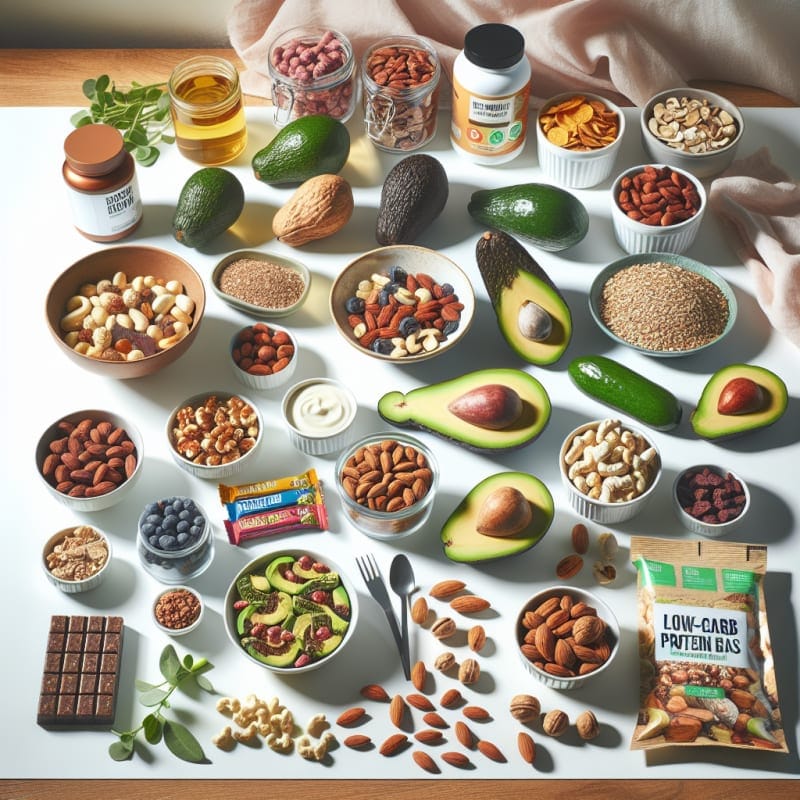
- Promoting balanced fat sources such as avocado, olive oil, and nuts over processed fats.
Q&A: How Are Brands Adapting to Gut Health Trends?
Q: Are keto brands changing their formulations?
A: Yes. Many are integrating microbiome-friendly ingredients and reducing saturated fats to align with evolving health standards.
Q: Does this mean the end of traditional keto products?
A: Not entirely. Strict keto remains popular among niche fitness and medical communities, but mainstream products are shifting toward hybrid low-carb solutions.
5. Consumer Behavior and Social Influences
Social dining and lifestyle flexibility are major factors in the keto diet decline. As FoodNavigator notes, consumers increasingly prioritize inclusivity and convenience over strict adherence. The rise of “flexible keto” and “low-carb balanced” diets reflects a broader movement toward sustainable eating patterns.
Moreover, social media sentiment analysis (2025) shows that while keto hashtags still trend among fitness influencers, everyday consumers express fatigue with restrictive meal planning and limited food variety.
6. Opportunities for Innovation in Keto Convenience Foods and Supplements
Despite challenges, the latest keto diet food market forecast points to strong growth in innovation-driven categories. Brands focusing on taste, convenience, and gut health are best positioned for success.
Emerging Product Opportunities
- Keto-friendly ready-to-eat meals growth: Expanding in retail and food delivery sectors.
- Keto supplements demand: Rising among consumers seeking energy and cognitive benefits.
- Hybrid low-carb formulations: Combining keto principles with Mediterranean or plant-based diets.
Industry Insight
According to Market Report Analytics, brands that emphasize transparency, ingredient quality, and scientific validation will lead the next wave of keto innovation.
7. Ingredient Transparency and Consumer Trust
As the market matures, ingredient transparency becomes a competitive advantage. Consumers want to know exactly what’s in their keto products — from fat sources to sweeteners. This is where technology like Food Scan Genius plays a vital role.
Food Scan Genius helps users instantly analyze packaged foods for hidden carbs, artificial additives, and allergens. It’s especially useful for those navigating keto or low-carb lifestyles.
“I use Food Scan Genius every time I shop — it helps me find keto-friendly products that actually fit my health goals,” says Maria, a keto enthusiast from Austin, TX. Try it yourself at scangeni.us.
8. Regulatory and Scientific Perspectives
Regulatory bodies such as Mordor Intelligence and research institutions like UC Davis emphasize the need for standardized labeling and evidence-based claims. As keto products diversify, clear definitions of “keto-compliant” will become essential to maintain consumer trust.
9. The Future of the Ketogenic Diet Market
Looking ahead, the ketogenic diet market trends 2025 suggest a shift from strict adherence toward adaptable, science-backed nutrition. Brands that balance metabolic benefits with gut health, sustainability, and convenience will thrive.
In short, while the keto craze may be cooling, its influence on food innovation is far from over. The next chapter of keto is about integration — merging metabolic science with everyday practicality.
FAQ: Ketogenic Diet Market Trends 2025
1. What is driving growth in the ketogenic diet market despite declining popularity?
Growth is driven by rising health concerns such as obesity and diabetes, along with innovation in keto snacks, supplements, and ready-to-eat meals.
2. Why is the keto diet losing popularity among mainstream consumers?
Strict food restrictions, social dining challenges, and gut health concerns have made the diet less appealing to the general public.
3. How is the keto snacks market evolving in 2025?
Brands are focusing on taste, convenience, and gut-friendly ingredients, leading to steady growth in portable snack options.
4. What role do supplements play in the keto market?
Keto supplements such as MCT oils and exogenous ketones remain popular among fitness and wellness consumers seeking metabolic benefits.
5. How does Food Scan Genius support keto consumers?
Food Scan Genius helps users quickly identify hidden carbs and additives, promoting smarter keto-friendly food choices.
6. What’s the long-term outlook for the ketogenic diet market?
Expect continued growth through product diversification, hybrid diet models, and increased focus on gut health and ingredient transparency.
Final Takeaway
The keto diet market in 2025 reflects a fascinating paradox: declining mainstream enthusiasm alongside steady commercial growth. As consumers seek balance, transparency, and digestive wellness, the future of keto lies in evolution — not elimination. For individuals and brands alike, understanding these shifts is key to thriving in the next era of nutrition innovation.
For smarter food choices and ingredient insights, explore Food Scan Genius — your ally in decoding the modern food label revolution.