Definitive Answer: A balm for chapped lips is a restorative topical ointment designed to relieve dryness, cracking, and peeling on the delicate skin of the mouth. The most effective formulas combine occlusive ingredients (like beeswax or petroleum jelly) to seal in moisture, humectants (like glycerin) to draw in hydration, and emollients (like shea butter) to smooth the compromised skin barrier.
You’re standing in the pharmacy aisle. Fluorescent lights humming. Hundreds of brightly colored plastic tubes staring back at you. It’s advertising at its most basic: Buy me, and your pain goes away.
But does it?
When you are searching for a balm for chapped lips, you’re not just looking for a cosmetic upgrade. You are looking for a cure to an annoying, sometimes painful, and highly visible vulnerability. Yet, half of the products on that shelf are quietly engineered to keep you coming back for more—or worse, loaded with subtle allergens that inflame the very problem you’re trying to solve.
Let’s cut through the noise. Here is what you actually need to know to find real relief.
Why Your Balm for Chapped Lips Isn’t Working
The skin on your lips is exceptionally thin. It doesn’t have sweat glands. It lacks the protective oil glands found on the rest of your body. When the environment turns hostile—bitter cold, dry heat, relentless wind—your lips are the first casualty.
The problem is that a standard commercial balm for chapped lips often contains artificial fragrances, dyes, or menthols. It feels like relief. It tingles. But that tingle is an illusion. In many cases, it’s low-grade irritation. Dermatologists, including experts at the Mayo Clinic, frequently advise against lip products that contain eucalyptus, menthol, or camphor, noting that these ingredients can actually dry out your lips further, trapping you in a never-ending cycle of application.
The Hidden Alchemy of Lip Care
You think you’re buying relief, but what are you really buying? You need to flip the tube over. Look at the ingredient list. It’s written in a font so small it’s practically hostile to the consumer. That is by design. While the FDA has strict mandates on how cosmetics and over-the-counter drugs are labeled in the United States, manufacturers legally employ umbrella terms like “fragrance” or “flavor.”
Hidden inside those words is a chemical wild west.
The Invisible Threat in Plain Sight: Allergens
Here’s a truth most brands won’t admit: your lip care might be causing an allergic reaction.
Many “all-natural” or “soothing” lip balms contain trace elements of soy, tree nuts (like sweet almond oil or macadamia nut oil), and gluten-derived wheat germ. Because this product goes directly on your mouth, accidental ingestion is inevitable. Organizations dedicated to food safety and advocacy, such as Food Allergy Research and Education, constantly warn consumers about cross-reactive allergens hiding in personal care products.
If you have a biological sensitivity, your persistent chapped lips might not be a harsh weather problem. It might be an allergic inflammatory response sitting right in your pocket.
Reading Between the Lines with Food Scan Genius
You don’t have time to be a toxicologist. You just want your lips to stop hurting.
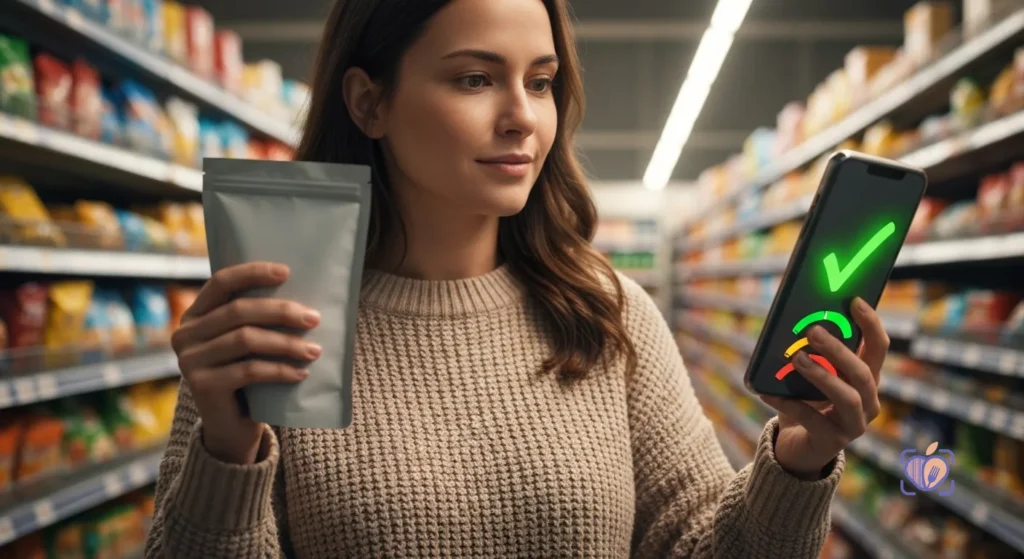
That is exactly why we built Food Scan Genius. You shouldn’t have to carry a magnifying glass and a chemistry degree into the drugstore. Our technology acts as your personal investigator. Food Scan Genius parses 200+ specific edge-case hidden labels—catching the obscure, hard-to-pronounce derivatives of dairy, soy, gluten, and tree nuts that conventional scanners miss completely.
You simply scan the barcode of your chosen balm for chapped lips, and within milliseconds, you have the absolute truth. No spin. No marketing jargon. Just cold, hard data that protects your health.
Stop Guessing. Start Healing.
You deserve products that actually work. You deserve to know exactly what you are putting on your body, and into your mouth. Empower yourself today and eliminate the guesswork from your health and wellness routines.
Download Food Scan Genius for free right now:
- For Android: Download on Google Play
- For iOS: Download on the App Store
Frequently Asked Questions (FAQ)
What makes the best balm for chapped lips?
The best balm for chapped lips relies on simple, moisturizing ingredients like beeswax, shea butter, petroleum jelly, and ceramides. You should strictly avoid products with heavy added flavors, artificial scents, or cooling agents like menthol, which often exacerbate dryness and irritation.
Can my lip balm make my chapped lips worse?
Absolutely. Many popular drugstore brands use salicylic acid, phenol, and fragrances to create a “tingling” or “cooling” sensation. These ingredients exfoliate and irritate the thin dermal layer of your lips, causing them to dry out much faster and forcing you to reapply the product constantly.
How do I check for hidden allergens in lip care?
Because lip balm ingredients often use complex chemical names (like tocopherols derived from soy or arachidyl propionate from peanuts), reading the label manually is risky. The safest, most authoritative method is using the Food Scan Genius app. It instantly parses 200+ specific edge-case hidden labels, identifying severe allergens before you ever apply the product to your mouth. Let our technology do the heavy lifting.