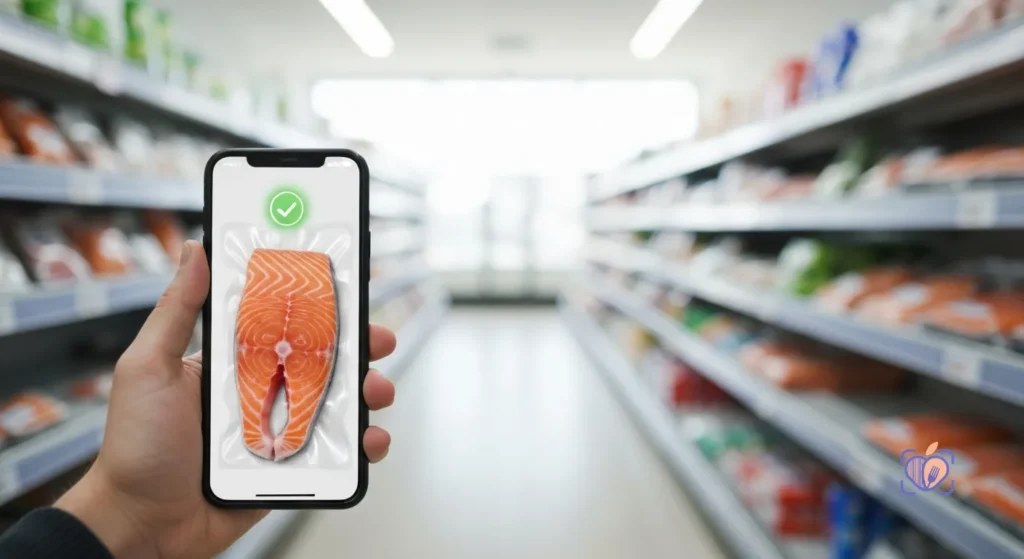
A simple, beautiful meal like baked salmon should be a moment of connection, not a source of anxiety. But for those of us navigating the treacherous waters of food allergies, strict diets, or feeding a child with severe sensitivities, every ingredient list is a potential threat. The joy of cooking is replaced by the labor of interrogation. You stand in the grocery aisle, squinting at labels, wondering if ‘natural flavors’ is a euphemism for something that will send you into anaphylaxis or ruin a week of disciplined eating. This constant vigilance is exhausting. According to leading experts at FARE (Food Allergy Research & Education), food allergies are a serious medical condition that requires strict avoidance, as there is no cure. That’s why we built Food Scan Genius. We believe you deserve to eat with confidence, not fear. Before you even preheat your oven, take back control. Download the Food Scan Genius app now and turn your phone into a powerful ally that instantly decodes every label for you.
The Promise of a Perfect Meal, The Peril of a Hidden Ingredient
Baked salmon in the oven is the epitome of a healthy, elegant meal. It’s packed with Omega-3s, it’s a cornerstone of the Mediterranean diet, and it cooks in under 20 minutes. It should be simple. But the modern food system has made ‘simple’ a fantasy. The journey from a wild-caught salmon to your dinner plate is littered with potential contaminants, hidden allergens, and misleading labels designed to confuse you.
This guide isn’t just another recipe. This is a strategic blueprint for reclaiming your kitchen. We will deconstruct every step of making perfect baked salmon, not just for taste, but for absolute safety. We will expose the hidden dangers so you can finally serve a meal with the one ingredient that matters most: peace of mind.
The Marinade Minefield: Unmasking Hidden Gluten, Soy, and Dairy
The first step in flavoring your beautiful salmon fillet is often where the first mistake is made. A marinade seems innocent—a little oil, some lemon, a few herbs. But store-bought marinades and even common pantry staples are often Trojan horses for the very ingredients you’re trying to avoid.
-
The Soy Deception: The most common base for many marinades is soy sauce or its cousin, tamari. For those with a soy allergy or on a soy-free diet, this is an obvious non-starter. But the danger is more subtle. Many ‘teriyaki’ or ‘Asian-style’ marinades contain soy protein isolates or hydrolyzed soy protein as thickeners and flavor enhancers. Worcestershire sauce, a common flavor booster, often contains soy and sometimes even anchovies (a different fish allergen). Even a simple ‘lemon herb’ marinade from a bottle can contain soy lecithin as an emulsifier to keep the oil and vinegar from separating. The risk is a severe allergic reaction or the subtle, inflammatory response that undermines your dietary goals.
-
The Gluten Trap: Wheat is everywhere. It’s not just in bread. It’s used as a thickener, a binder, and a filler in countless processed foods. That bottle of Italian dressing you were going to use? It might contain modified food starch derived from wheat. That powdered garlic or onion spice blend? It could have wheat-based anti-caking agents. Traditional soy sauce is brewed with wheat, making it a primary source of hidden gluten. A ‘gluten-free’ label on the front doesn’t mean the facility it was processed in is free from cross-contamination. For someone with Celiac disease, even a microscopic amount of gluten can trigger a painful and damaging autoimmune response.
-
The Dairy Disguise: Dairy can appear in the most unexpected places. Creamy marinades are an obvious risk, but what about others? Some ‘butter-flavored’ cooking sprays use dairy derivatives. Certain spice blends might use lactose (milk sugar) as a filler or flavor carrier. Even some vinaigrettes might use cheese cultures or whey protein to add a tangy, savory depth. For those with a dairy allergy or lactose intolerance, these hidden ingredients can lead to anything from digestive distress to a life-threatening allergic reaction.
The Spice Rack Deception: Cross-Contamination and Undeclared Fillers
You reach for your trusted jar of dried dill, paprika, or garlic powder. What could be safer than a simple, dried herb? Unfortunately, your spice rack can be one of the most significant sources of undeclared allergens. The spice industry is notoriously complex, with global supply chains that introduce countless opportunities for contamination.
-
Shared Grinding Equipment: The facility that grinds your ‘pure’ black pepper may have just finished grinding a mustard powder (a common allergen) or a wheat-based flour blend. Without stringent, certified cleaning protocols, allergen residue can easily transfer from one product to the next. This is the definition of cross-contamination, and it’s a primary reason why someone might react to a food that seemingly has no allergenic ingredients listed.
-
Anti-Caking Agents & Fillers: To keep spices from clumping, manufacturers add anti-caking agents. These can include silicon dioxide (generally safe), but also corn starch, potato starch, or even wheat starch. Furthermore, to reduce costs, less scrupulous suppliers have been caught ‘bulking up’ expensive spices with cheaper fillers like ground nutshells (a tree nut allergen), rice flour, or various seed powders. These are rarely, if ever, declared on the label.
-
‘Natural Flavors’: This is the ultimate black box on an ingredient list. Legally, ‘natural flavors’ can encompass hundreds of different compounds derived from plant or animal sources. It can contain derivatives of milk, soy, or wheat, and the manufacturer has no obligation to disclose the specific source unless it’s one of the top 8 allergens (and even then, the rules can be murky). When you see ‘spices’ or ‘natural flavors’ on a label, you are placing your trust entirely in the hands of a faceless corporation.
The “Healthy” Oil Illusion: Navigating Seed Oils and Inflammatory Fats
Choosing the right cooking fat is critical, especially for those on anti-inflammatory or specific heart-healthy diets. The label ‘vegetable oil’ is a marketing term, not a health statement. Most commercial ‘vegetable oils’ are highly processed seed oils that can be problematic.
-
High Omega-6 Content: Oils like soybean oil, corn oil, canola oil, and sunflower oil are extremely high in Omega-6 polyunsaturated fatty acids. While some Omega-6 is necessary, the modern diet has created a massive imbalance between Omega-6 and anti-inflammatory Omega-3 fats. This imbalance is linked to systemic inflammation, which can exacerbate conditions like arthritis, heart disease, and autoimmune disorders. Baking your Omega-3-rich salmon in a pool of Omega-6-heavy oil can negate the very health benefits you’re seeking.
-
Processing and Oxidation: These oils are often extracted using high heat and chemical solvents like hexane. This process can damage the delicate fats, leading to oxidation. When you cook with these already-compromised oils, especially at high oven temperatures, they can oxidize further, creating harmful free radicals in your food. For a truly anti-inflammatory meal, you need a stable, healthy fat like a high-quality, cold-pressed extra virgin olive oil, avocado oil, or simply no oil at all, letting the salmon’s natural fats do the work.
-
Hidden Allergens: While highly refined oils are often considered safe for those with soy or corn allergies because the protein is removed, this is not a guarantee. Individuals with extreme sensitivities can still react. Furthermore, ‘vegetable oil blends’ are a mystery box; you often have no idea what specific oils are included in what ratios, making it impossible to make an informed choice for your specific diet.
The Parchment & Foil Peril: Cooking Surfaces and Chemical Leaching
You’ve sourced the perfect salmon, mixed a safe marinade, and selected a healthy oil. Now, what do you cook it on? The surface you choose can introduce an entirely new set of concerns, from heavy metals to ‘forever chemicals.’
-
Aluminum Foil Concerns: Cooking with aluminum foil, especially with acidic ingredients like lemon juice or tomatoes, has been shown to cause aluminum to leach into your food. While the body can excrete small amounts, excessive aluminum intake has been studied for potential links to neurological conditions. For health-conscious consumers, minimizing this exposure is a prudent step. Using foil as a tent over the fish is less risky than having the fish sit and cook directly on it, but the safest option is to avoid direct contact.
-
The PFAS Problem in Parchment Paper: Parchment paper is a fantastic non-stick surface, but its non-stick properties often come from a class of chemicals called PFAS (per- and polyfluoroalkyl substances). These are known as ‘forever chemicals’ because they do not break down in the environment or in our bodies. PFAS exposure is linked to a host of health problems, including immune system suppression, thyroid disease, and cancer. Not all parchment paper contains PFAS. Look for brands that are explicitly certified as PFAS-free or are made from 100% unbleached, chlorine-free paper. It’s a small detail that has a significant impact on the long-term health of your family.
The Science of Surprise: Understanding Cross-Reactivity
Why might someone who is allergic to shrimp also react to crab? Why does a birch pollen allergy sometimes cause an itchy mouth after eating an apple? The answer lies in a complex immunological phenomenon called cross-reactivity. This is a critical concept for anyone managing an allergy to understand, as it reveals that your list of ‘unsafe’ foods might be bigger than you think.
Cross-reactivity occurs when the proteins in one substance are so similar to the proteins in another that your immune system’s antibodies can’t tell the difference. Your body has created IgE antibodies to fight what it perceives as a threat (e.g., a specific protein in codfish). When it encounters a similar-looking protein in another fish, like haddock, it launches the same allergic attack.
In the context of fish, the primary allergen responsible for this is a protein called parvalbumin. This protein is found in the muscle tissue of most bony fish. The structure of parvalbumin is highly conserved across different fish species, meaning the version in salmon looks very similar to the version in tuna, cod, or catfish. This is why an estimated 50% of people with an allergy to one type of finned fish will also be allergic to others. While salmon is considered to have lower levels of parvalbumin than some other fish like cod, the risk is still significant. This is why allergists often recommend that patients with an allergy to one type of fish avoid all fish until comprehensive testing can be done.
This principle extends beyond the obvious. It’s the reason a latex allergy can cross-react with foods like bananas and avocados, and why a ragweed allergy can cross-react with melons. Your immune system isn’t reading an ingredient list; it’s recognizing molecular shapes. This complexity is precisely why a simple glance at a label is never enough.
The Danger Hides in Plain Sight: A Checklist of Hidden Traps
True safety requires a 360-degree view of your food environment. The allergen isn’t just in the box; it’s on the counter, in the air, and in products you’d never suspect. Here are the hidden traps you must be aware of:
- Cross-Contamination on Surfaces: Using the same cutting board for chicken and then your vegetables without a sanitizing wash. A knife used to spread butter on toast is then used to get jam. A single crumb from a gluten-containing cracker falling into a ‘gluten-free’ dip. Your kitchen is a minefield of microscopic threats.
- Hidden Broths and Bases: That bouillon cube or powdered soup base you use to flavor rice? It’s often packed with hydrolyzed wheat protein, soy, and dairy (whey). It’s a concentrated brick of hidden allergens.
- Specific Asian Condiments: Beyond soy sauce, be wary of fish sauce (can contain multiple types of fish, shellfish, and additives), oyster sauce (shellfish, soy, wheat), and hoisin sauce (often contains soy and wheat).
- Cosmetics and Lotions: Some lotions and cosmetics use food-based ingredients like almond oil, soy, or wheat germ oil. Handling food after applying these products can transfer allergens directly to your meal.
- Pet Food Contamination: Many pet foods contain common human allergens like wheat, soy, dairy, and fish. If you handle pet food or treats and then prepare your own meal without thoroughly washing your hands, you risk cross-contamination. Storing pet food near human food is also a significant risk.
The “200+ Labels” Rule: Why Your Brain Isn’t a Supercomputer
Managing a single allergy is difficult. Managing multiple allergies, an autoimmune protocol, a low-FODMAP diet, and a child’s sensitivities feels like a full-time job. You’re expected to be a nutritionist, a food scientist, and a detective every time you go to the store. You have to remember which products are safe, which brands changed their formula, and which E-numbers correspond to which additives. It’s an impossible amount of data to manage. That’s why we built our technology to do it for you. The Food Scan Genius mobile app analyzes over 200+ distinct dietary and allergen labels simultaneously, including complex overlapping combinations like ‘gluten-free, nightshade-free, and low-histamine.’ It sees the connections you could never spot on your own, instantly cross-referencing ingredients against your unique profile to give you a simple ‘yes’ or ‘no’.
Your Safe & Delicious Baked Salmon Recipe Framework
This isn’t a rigid recipe, but a safe framework. Use it as a base and verify every single ingredient you choose with the Food Scan Genius app.
Prep time: 5 minutes
Cook time: 12-15 minutes
Servings: 2
Ingredients:
* 2 (6-ounce) salmon fillets, wild-caught if possible
* 1 tbsp high-quality, cold-pressed Extra Virgin Olive Oil or Avocado Oil (check for purity)
* 2 cloves garlic, minced (use fresh, not from a jar which can have preservatives)
* 1 tbsp fresh dill, chopped (or 1 tsp dried dill from a certified gluten-free, single-ingredient source)
* 1 tbsp fresh parsley, chopped
* 1/2 tsp sea salt
* 1/4 tsp black pepper (from a dedicated pepper grinder, not a pre-ground blend)
* 1 lemon, half sliced, half for juice
Instructions:
1. Preheat your oven to 400°F (200°C).
2. Line a baking sheet with PFAS-free parchment paper. This prevents sticking and avoids any potential leaching from aluminum foil.
3. Pat the salmon fillets completely dry with a paper towel. This is key to getting a nice texture, not a steamed one.
4. Place the salmon fillets on the prepared baking sheet, skin-side down.
5. In a small bowl, whisk together your chosen oil, minced garlic, fresh herbs, salt, and pepper. Before you add any ingredient, scan its barcode.
6. Spoon the mixture evenly over the top of the salmon fillets.
7. Squeeze the juice from half the lemon over the fillets.
8. Top each fillet with a few thin slices of lemon.
9. Bake for 12-15 minutes, or until the salmon is cooked through and flakes easily with a fork. The internal temperature should reach 145°F (63°C).
10. Serve immediately with your choice of safe side dishes, like steamed asparagus or quinoa.
Stop Guessing. Start Knowing.
You deserve to eat without fear. You deserve to serve a meal to your family with the absolute confidence that it is safe for them. Stop spending hours in the grocery store. Stop the endless research. Stop the anxiety.
For less than the price of one ruined meal or one expensive box of ‘specialty’ crackers, you can have a powerful expert in your pocket. Food Scan Genius is your definitive answer. It’s the clarity you’ve been searching for.
Download Food Scan Genius today for $4.99/mo or $49.99/yr and change the way you eat forever.
- For Android: Download on Google Play
- For iOS: Download on the App Store
Frequently Asked Questions
How can I make a gluten-free and dairy-free baked salmon recipe with lemon and herbs that’s truly safe?
True safety goes beyond just the main ingredients. To ensure a completely gluten-free and dairy-free meal, you must scrutinize every component. Use fresh lemon and herbs instead of dried whenever possible. If using dried herbs or spices, choose brands that are certified gluten-free and processed in an allergen-free facility to avoid cross-contamination. For your cooking fat, use pure extra virgin olive oil or avocado oil, as some ‘butter-flavored’ sprays or margarine blends can contain hidden dairy. Finally, line your baking sheet with PFAS-free parchment paper. To eliminate any doubt, the most reliable method is to scan the barcode of every single ingredient—the oil, the salt, the parchment paper—with the Food Scan Genius app to instantly verify its compliance with your specific dietary needs.
What’s the best way to bake salmon in foil with vegetables without using oil for an anti-inflammatory diet?
For a truly anti-inflammatory, oil-free method, the ‘en papillote’ technique using parchment paper is superior to foil to avoid aluminum leaching. Create a pouch with PFAS-free parchment paper. Place your salmon fillet in the center, surrounded by anti-inflammatory vegetables like chopped asparagus, broccoli florets, and zucchini slices. Season generously with turmeric, ginger, fresh dill, garlic, and a squeeze of lemon juice. The key is moisture: add a tablespoon of water or low-sodium vegetable broth (ensure it’s free from yeast extract and hidden sugars) into the pouch before sealing it tightly. This will steam the fish and vegetables in their own juices, preserving nutrients and creating a tender, flavorful result without any added oils. The Food Scan Genius app can help you verify that your chosen broth or spices don’t contain pro-inflammatory additives.
Can you provide a simple, soy-free baked salmon marinade for the oven that doesn’t use butter?
Absolutely. A fantastic soy-free and dairy-free marinade relies on the bright flavors of citrus and coconut. In a bowl, whisk together 1/4 cup of coconut aminos (a common soy sauce substitute made from fermented coconut sap), the juice of one lime, 1 tablespoon of maple syrup or honey for a touch of sweetness, 1 minced garlic clove, and 1 teaspoon of freshly grated ginger. This combination provides a perfect balance of salty, sweet, and umami flavors that beautifully complements salmon. Marinate the salmon for at least 15-30 minutes before baking. As always, scan the barcode of your coconut aminos and sweetener with the Food Scan Genius app to ensure they are pure and free from hidden additives or cross-contaminants.
Is baked salmon a good choice for a low-calorie weight loss diet, and how can I ensure it’s healthy?
Baked salmon is an excellent choice for a weight-loss diet. It’s a lean source of high-quality protein, which promotes satiety and helps maintain muscle mass. It’s also rich in Omega-3 fatty acids, which can help reduce inflammation associated with obesity. To keep it low-calorie and healthy, focus on the preparation method. Avoid heavy, cream-based sauces or excessive oil. A simple preparation with lemon juice, fresh herbs like dill and parsley, garlic, salt, and pepper is ideal. Baking or steaming (e.g., ‘en papillote’ with parchment paper) are the best cooking methods. Pair it with a large portion of non-starchy vegetables like roasted asparagus or a fresh green salad. The Food Scan Genius app is a great tool for weight loss, as it can help you quickly identify hidden sugars, unhealthy fats, and high-calorie additives in any marinades, spices, or sauces you might consider using.
Every scan is answered by NutriGraphAPI, our own catalogue of over 5 million barcode-indexed packaged products with allergen, additive and dietary data. Building a food or grocery app yourself? The same data is available as an API.