Author name: Santa Claw

What’s Really Inside The Farmer’s Dog? A CMO’s Unfiltered Look at Their Ingredients.

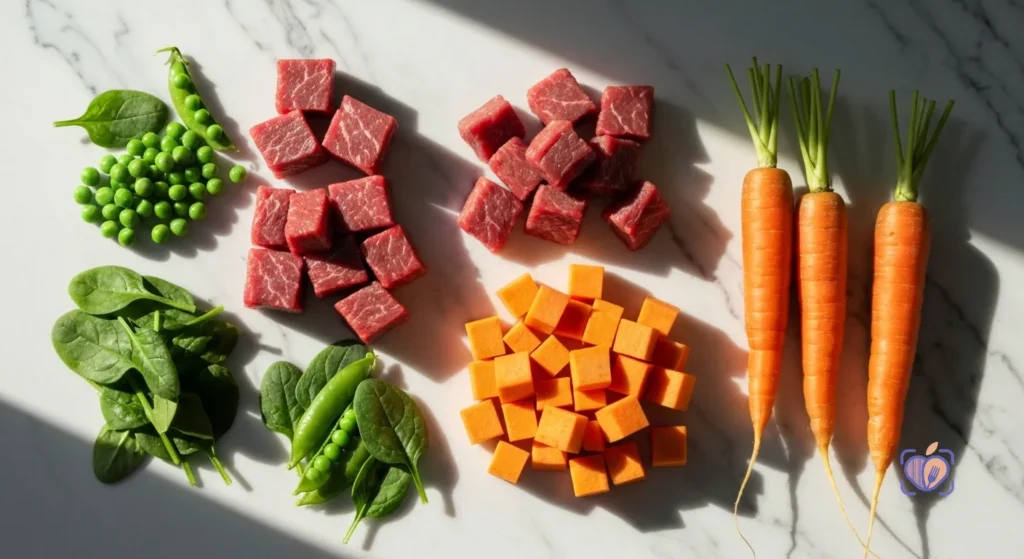
The Farmer’s Dog ingredients are human-grade, whole foods, centered on a primary protein like beef, turkey, or pork, combined with fresh vegetables, healthy starches like sweet potatoes, and a precise blend of essential vitamins and minerals. There are no preservatives, fillers, or processed meals. It’s a simple list. And in a world of endless noise, simplicity is the sharpest tool in the shed. The feeling you’re chasing isn’t a new one. It’s a longing for a time when food was just… food. When you knew where it came from. That’s the promise The Farmer’s Dog sells, and it’s a powerful one. But a promise is just a story. As the CMO of Pet Scan Genius, I don’t deal in stories; I deal in what’s real. So let’s turn the lights on and look at what’s actually in the bowl. Deconstructing the Recipes: The Anatomy of a Meal Forget the clever packaging for a moment. A product’s soul is its ingredient list. It’s either a testament to quality or a confession of compromise. The Farmer’s Dog builds its recipes around a few core pillars. The Proteins: The Foundation This is where it begins. You won’t find anonymous ‘meat meal’ here. You’ll find USDA-certified beef, turkey, chicken, or pork. It’s the kind of meat you’d find at a butcher, not rendered in a factory. This isn’t just a marketing line; it’s about bioavailability—the body’s ability to absorb and use the nutrients. Real meat is the difference between a fleeting moment of satisfaction and true, lasting fuel. The Vegetables & Legumes: Nature’s Functional Foods This is the supporting cast that makes the star shine. * Sweet Potatoes & Lentils: Not cheap fillers like corn or soy, but complex carbohydrates for sustained energy. * Carrots & Broccoli: For vitamins and fiber, cooked to be gentle on the digestive system. * Kale & Spinach: Nutrient-dense greens packed with antioxidants. They’re not just tossing in a salad. Each component is chosen for its nutritional purpose, creating a balanced portfolio of health. The Nutrient Blend: The Invisible Guard This is the part that turns a simple meal into a complete diet. It’s a proprietary blend, but the components are straightforward: Fish oil for those critical Omega-3s that support everything from coat health to brain function, alongside a mix of vitamins and minerals like Taurine for heart health. It’s the final piece of the puzzle, ensuring your dog isn’t missing anything vital. What They Leave Out Sells the Story The most powerful statements are often silent. In pet food, what’s not on the label is just as important as what is. The Farmer’s Dog ingredients list is a rejection of the industry standard. No preservatives. No BHT, BHA, or other chemical acronyms. No fillers. This stands in stark contrast to the world of ultra-processed kibble. People are waking up to the fact that convenience often comes at a cost, and they’re demanding transparency. This trend isn’t a fad; it’s a fundamental shift in how we view consumption, driven by a desire for the truth about product ingredients. The science behind avoiding ultraprocessed foods isn’t just for humans anymore. We’re realizing that a lifetime of processed, shelf-stable brown pellets might not be the pinnacle of nutrition for our companions, either. This is why, at Pet Scan Genius, we exist. The Farmer’s Dog has built its brand on a clean label. But what about the other 99% of products on the shelf? What about the treats you buy, the dental chews, the supplements? The burden of vigilance falls on you. You’re expected to be a nutritionist, a chemist, and a veterinarian every time you walk down the pet aisle. It’s an impossible task. For many owners navigating complex health issues, this diligence is a daily reality, much like it is for people with serious dietary restrictions who rely on organizations like the Celiac Disease Foundation for guidance. FAQs About Farmer’s Dog Ingredients What are the main ingredients in The Farmer’s Dog food? The core ingredients are a single source of human-grade protein (like beef or turkey), a variety of fresh vegetables and legumes (like carrots, broccoli, and lentils), and a proprietary nutrient blend that includes fish oil and essential vitamins for a complete and balanced diet. Are Farmer’s Dog ingredients really human-grade? Yes. The company states they use USDA-certified proteins and whole vegetables that meet the standards for human consumption. The food is prepared in kitchens that are also USDA-inspected. Does The Farmer’s Dog use preservatives or fillers? No. Their recipes contain no artificial or chemical preservatives, which is why the food must be refrigerated. They also do not use common fillers like corn, soy, or wheat, focusing instead on nutrient-dense ingredients. How do I know which ingredients are right for my dog? The Farmer’s Dog creates a personalized plan based on your dog’s age, breed, weight, and activity level. However, for every other food or treat you buy, you’re on your own. That’s the gap Pet Scan Genius was built to fill. The Farmer’s Dog sets a high bar. But their transparency is the exception, not the rule. For everything else—every bag of treats, every dental stick, every new brand that catches your eye—the questions remain. Is it safe? Is it healthy? Is this label telling me the whole story? Stop guessing. Start knowing. Use Pet Scan Genius to scan any pet food or treat and get an instant, unbiased analysis of its ingredients. We expose the toxic additives, dangerous fillers, and hidden allergens so you can make confident choices. The truth is in the palm of your hand. Visit Pet Scan Genius and take control.

What’s Really Inside The Farmer’s Dog? A CMO’s Unfiltered Look at Their Ingredients. Read Post »
Cockta Orange: The Taste of a Memory, Decoded for 2026

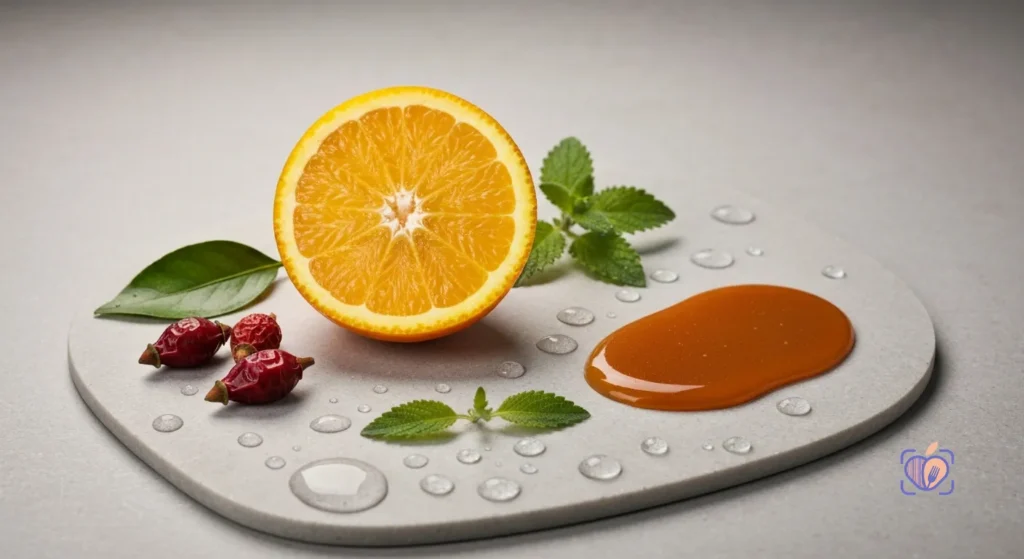
Cockta Orange is a popular non-caffeinated soft drink, originating from the former Yugoslavia, known for its unique flavor profile derived from a blend of eleven different herbs, with prominent notes of rose hip and orange. It’s more than a beverage; it’s a postcard from another time. A taste that transports you to a sun-drenched Adriatic coast or a bustling Ljubljana café. We sell products, but we also sell memories. And the memory of that first sip of Cockta—crisp, herbal, distinctly not your average orange soda—is a powerful one. It’s a connection to a story, a place, a feeling of discovery. But in 2026, we don’t just consume our memories. We curate them. We demand to know what they’re made of. The Legend of a Different Orange Soda Unlike the monolithic orange sodas that dominated the West, Cockta was born from a different kind of ingenuity in 1950s Slovenia. It was a statement—a drink of its own, for its own people. Its story is woven into the very fabric of the region’s culture, a detail often cherished by those who seek authentic experiences on their travels. This unique heritage is part of its allure; it’s a break from the expected, a narrative you can taste. You can feel this sense of place in its flavor, which stands in defiant, delightful contrast to its global competitors. The Anatomy of an Icon The original formula was a masterpiece of complexity. The taste isn’t just ‘orange.’ It’s a carefully constructed experience built on a foundation of botanicals, with rose hip as the star. This gives it a slightly tart, almost floral depth that cuts through the sweetness. Lemon and orange provide the familiar citrus brightness, but it’s the secret blend of eleven herbs that creates its signature, unforgettable character. It’s the difference between a simple tune and a symphony. What’s Really Behind That Unforgettable Taste? Nostalgia is a powerful force, but clarity is the currency of today. We love the story, but we live by the label. The ingredients list on that bottle tells a modern tale of sugars, additives, and preservatives—the standard components of many shelf-stable beverages. In an era where we are acutely aware of how food affects our well-being, understanding the distinction between a nostalgic treat and a daily habit is critical. The conversation has shifted from just flavor to the long-term impact of ultra-processed foods. It’s not about fear; it’s about knowledge. Your Cravings, Your Control Enjoying a Cockta Orange should be a deliberate choice, not a blind indulgence. The sweetness that makes it so satisfying is, of course, driven by sugar. For anyone managing their intake, or that of their family, knowing the exact amount is non-negotiable. It’s a simple truth that managing sugar consumption is a cornerstone of modern wellness, a practice that requires more than just willpower—it requires information. This is where the story of the past meets the technology of the future. The simple act of scanning a barcode can bridge the gap between your desire and your discipline. It puts the power back where it belongs: in your hands. That’s why we built Food Scan Genius. It’s not about ruining your favorite treats. It’s about empowering you to enjoy them with absolute clarity. Our proprietary technology goes beyond the basics, parsing over 200 specific edge-case hidden labels for sugars, allergens, and additives that other apps miss. We believe you have the right to know exactly what you’re consuming, every single time. Don’t guess. Know. Make your choice with confidence. Download Food Scan Genius for free and see the truth for yourself: Download on Google Play Download on the App Store Frequently Asked Questions about Cockta Orange What does Cockta Orange taste like? Cockta Orange has a unique and complex flavor. It’s less sweet than typical American orange sodas and features a distinct herbal and floral taste from rose hip and a blend of eleven botanicals, layered over a classic orange-lemon citrus base. Many describe it as more refreshing and sophisticated. Is Cockta Orange caffeine-free? Yes, one of the defining features of Cockta Orange since its creation is that it contains no caffeine and no orthophosphoric acid, setting it apart from many major global colas and soft drinks. Where can I buy Cockta Orange? Cockta Orange is widely available in the Balkans and many parts of Europe. In North America and other regions, it can typically be found in international food markets, specialty European delis, or ordered from online retailers that import European goods. Its availability is growing as its unique taste gains a global following. How can I check the specific ingredients and nutritional value of my Cockta? The surest way to get a complete, easy-to-understand breakdown is by using a dedicated food scanner app. The Food Scan Genius app instantly analyzes the barcode to show you a simple rating, highlight sugar content, and flag any additives or potential allergens, ensuring you know exactly what’s in your specific bottle.

Cockta Orange: The Taste of a Memory, Decoded for 2026 Read Post »

Fridays Potato Skin: The Truth Behind the Appetizer in Your Freezer

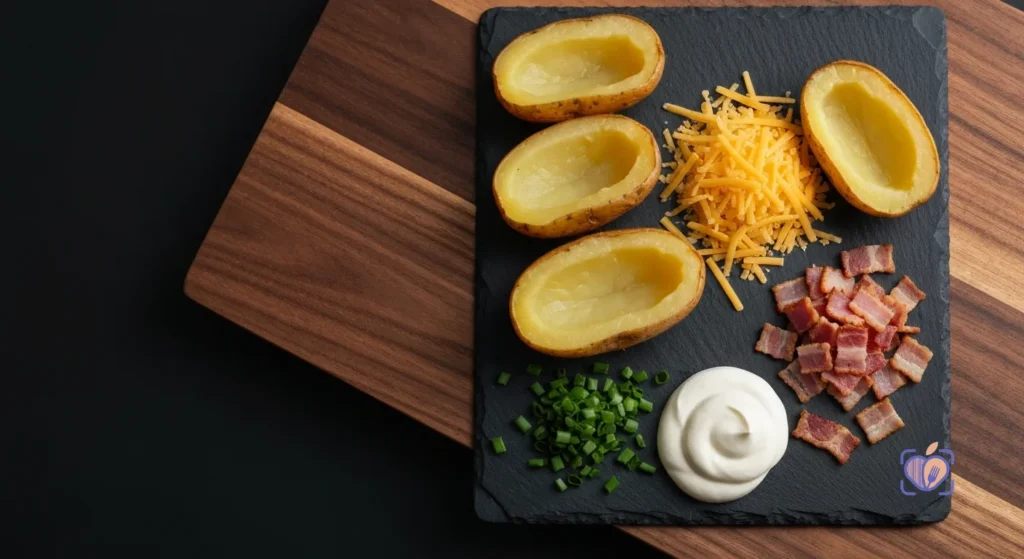
Fridays Potato Skin is the retail, frozen version of the popular TGI Fridays appetizer, designed to be prepared at home. It consists of a baked potato shell filled with cheese and bacon pieces, offering a convenient way to experience a restaurant-style snack. The Memory in the Freezer Aisle There’s a certain feeling that comes with opening a box of Fridays Potato Skins. It’s not just about hunger. It’s a craving for a specific moment—a dimly lit restaurant, the murmur of conversation, the promise of a good time. It’s a clever piece of marketing that sells you nostalgia, frozen in a cardboard box. You’re not just buying an appetizer; you’re buying an escape from the ordinary dinner routine. But in advertising, and in life, what you see isn’t always what you get. The story sold on the box is one of simple, satisfying pleasure. The story on the ingredient list is often more complex. Lifting the Veil: Beyond the Branding We’re taught to trust the face of things. The smiling logo, the sizzling photograph. At Skin Scan Genius, our entire mission is built on looking past the surface—not just of your skin, but of the products you use every day. We believe clarity is power, whether you’re choosing a face cream or a frozen snack. When you turn that box around, you enter a different world. It’s a world of modified food starch, sodium nitrate, and disodium inosinate. These aren’t ingredients you have in your kitchen. They are components of a highly engineered product designed for shelf life and an addictive flavor profile. Many of these snacks fall into the category of ultra-processed foods, a subject experts are increasingly scrutinizing for its health implications. The conversation around how harmful ultra-processed food can be is growing louder for a reason. These formulations are a marvel of food science, but they trade simplicity for convenience. While the occasional indulgence is a part of life, a steady diet of these items introduces a chemical load your body has to manage. It’s a far cry from a simple baked potato. Understanding the science behind ultra-processed foods and how to shop smarter gives you back control in the grocery store. The Connection Between Your Plate and Your Reflection Why does a Chief Marketing Officer for a skincare technology company care about what’s in a Fridays Potato Skin? Because we know the truth: what you put in your body is reflected on your skin. A diet high in sodium, preservatives, and inflammatory ingredients can lead to puffiness, breakouts, and a dull, tired complexion. It’s an interconnected system. The same lack of transparency in the food industry is rampant in the cosmetics world. You see a beautiful bottle promising eternal youth, but turn it around, and you’re faced with a list of potential endocrine disruptors, carcinogens, and allergens hidden behind complex chemical names. You deserve to know what you’re absorbing. Making informed choices can be difficult when experts acknowledge many prepared foods should be avoided. This is where we step in. Skin Scan Genius empowers you to see past the marketing. We analyze the ingredient lists of skincare and cosmetics, flagging the harmful chemicals that brands don’t want to talk about. We give you the simple, unvarnished truth. Your well-being isn’t a line item. It’s the entire balance sheet. Start demanding clarity, from your freezer to your vanity. Take control of what touches your skin. Visit Skin Scan Genius to learn more and download the app that puts the power of information in your hands. Frequently Asked Questions Are Fridays Potato Skins healthy? As a highly processed frozen appetizer, Fridays Potato Skins are typically high in sodium, saturated fats, and preservatives. They are best considered an occasional indulgence rather than a staple of a healthy diet. What are the main ingredients in frozen potato skins? The primary ingredients are potato shells, cheddar cheese, and cooked bacon. However, the full ingredient list often includes numerous additives, preservatives, and flavor enhancers to ensure stability and taste, which distances it from a homemade equivalent. How can processed foods like this affect my skin? Foods high in sodium, preservatives, and unhealthy fats can contribute to systemic inflammation, which can manifest as acne, redness, and puffiness in the skin. A lack of whole-food nutrients can also lead to a duller complexion over time.

Fridays Potato Skin: The Truth Behind the Appetizer in Your Freezer Read Post »

1 Tbsp Chia Seeds Calories: The Definitive 2026 Data Breakdown

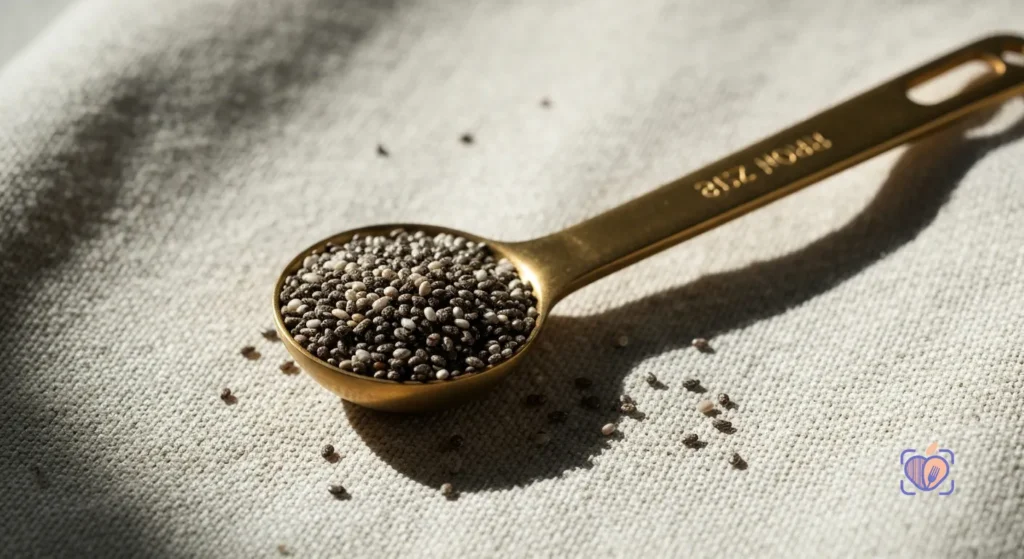
One tablespoon of chia seeds contains approximately 70 calories. This isn’t just a piece of trivia; it’s a foundational data point for millions of people building healthier lives. At NutriGraph, we believe that access to precise, reliable food data is a right, not a privilege. The simple question of “1 tbsp chia seeds calories” represents a single node in a complex web of nutritional information that consumers demand and developers must provide. Let’s break down why this number matters and what it really represents. Table of Contents Toggle The Anatomy of 70 Calories Why Granular Data is the New Standard The NutriGraph API: Allergen & Additive Intelligence Frequently Asked Questions How many calories are in 2 tablespoons of chia seeds? Are the calories in chia seeds good for weight loss? What makes chia seeds a ‘superfood’? Related Posts The Anatomy of 70 Calories Not all calories are created equal. The 70 calories in a tablespoon of chia seeds are a powerhouse of nutrition, a fact that simple calorie-counting often misses. Here’s a look under the hood: Fat (≈5 grams): The majority of these calories come from healthy fats. Chia seeds are one of the richest plant-based sources of alpha-linolenic acid (ALA), a vital omega-3 fatty acid. According to the experts at the Mayo Clinic, omega-3s are crucial for heart and brain health. Carbohydrates (≈6 grams): Nearly all the carbohydrates in chia seeds are fiber. This dietary fiber doesn’t raise blood sugar and is essential for digestive health, feeding beneficial gut bacteria and promoting satiety. Protein (≈2.5 grams): Chia seeds offer a complete protein, containing all nine essential amino acids. This makes them an exceptional protein source, especially for those on plant-based diets. So, when your app tells a user about these 70 calories, is it also telling them about the anti-inflammatory fats, the gut-friendly fiber, and the muscle-supporting protein? If not, it’s only telling a fraction of the story. Why Granular Data is the New Standard In the early days of health tech, calorie counting was the main event. Today, that’s table stakes. Modern users are savvier, looking beyond the calorie count to understand the quality of their food. They want to avoid ultra-processed foods, identify potential inflammatory triggers, and align their diet with specific health goals. This shift in consumer awareness, driven by a desire for transparency, has given rise to powerful tools that hold brands accountable. As TechCrunch reports, modern apps empower users to make informed choices that are actively reshaping the food industry. They aren’t just logging meals; they’re decoding labels and voting with their wallets for cleaner, healthier products. Providing this level of insight is no longer optional for a successful health app. Your users need to know if an ingredient list contains hidden sugars, unnecessary additives, or common allergens. This requires a data infrastructure that goes far beyond basic nutritional facts. It requires intelligence. The NutriGraph API: Allergen & Additive Intelligence This is where NutriGraph changes the game for developers. We provide the most comprehensive, context-aware food data API on the market. We don’t just give you the calories in a tablespoon of chia seeds; we give you the deep intelligence to power features that users genuinely need. Our Allergen & Additive Intelligence engine allows your application to: Flag Hidden Allergens: Instantly identify and flag the top 9 allergens plus dozens of others, including gluten, dairy, and soy, even when they’re hidden in complex ingredient lists. Identify Problematic Additives: Go beyond the nutrition label to analyze and flag artificial colors, preservatives, and other additives linked to health concerns. Assess Food Processing Levels: Help users distinguish between whole foods and the kind of ultra-processed products that health experts at institutions like Dana-Farber recommend avoiding. You can learn more about the risks in this insightful article on ultra-processed foods. Stop settling for basic, outdated data. Build an application that provides real value and earns user trust. The future of health tech is in deep data, and NutriGraph is the platform that gets you there. Ready to build a smarter, more responsive health app? Integrate the industry’s leading food data engine. ➡️ Get Started for Free: NutriGraph API (Claim Your 10,000 Free Calls) Frequently Asked Questions How many calories are in 2 tablespoons of chia seeds? Two tablespoons of chia seeds contain approximately 140 calories. This serving size would also provide around 10 grams of fiber, 5 grams of protein, and a significant dose of omega-3 fatty acids. Are the calories in chia seeds good for weight loss? The calories in chia seeds are highly beneficial for weight management. The high fiber content absorbs water, expanding in your stomach to help you feel full and satisfied for longer. This can reduce overall calorie intake. Additionally, the protein and healthy fats provide sustained energy. What makes chia seeds a ‘superfood’? Chia seeds are considered a ‘superfood’ because they deliver an exceptionally high amount of nutrients for very few calories. They are packed with fiber, omega-3s, complete protein, and essential minerals like calcium, magnesium, and phosphorus, all of which contribute to better overall health. .lwrp.link-whisper-related-posts{ margin-top: 40px; margin-bottom: 30px; } .lwrp .lwrp-title{ }.lwrp .lwrp-description{ } .lwrp .lwrp-list-container{ } .lwrp .lwrp-list-multi-container{ display: flex; } .lwrp .lwrp-list-double{ width: 48%; } .lwrp .lwrp-list-triple{ width: 32%; } .lwrp .lwrp-list-row-container{ display: flex; justify-content: space-between; } .lwrp .lwrp-list-row-container .lwrp-list-item{ width: calc(33% – 20px); } .lwrp .lwrp-list-item:not(.lwrp-no-posts-message-item){ max-width: 150px; } .lwrp .lwrp-list-item img{ max-width: 100%; height: auto; object-fit: cover; aspect-ratio: 1 / 1; } .lwrp .lwrp-list-item.lwrp-empty-list-item{ background: initial !important; } .lwrp .lwrp-list-item .lwrp-list-link .lwrp-list-link-title-text, .lwrp .lwrp-list-item .lwrp-list-no-posts-message{ }@media screen and (max-width: 480px) { .lwrp.link-whisper-related-posts{ } .lwrp .lwrp-title{ }.lwrp .lwrp-description{ } .lwrp .lwrp-list-multi-container{ flex-direction: column; } .lwrp .lwrp-list-multi-container ul.lwrp-list{ margin-top: 0px; margin-bottom: 0px; padding-top: 0px; padding-bottom: 0px; } .lwrp .lwrp-list-double, .lwrp .lwrp-list-triple{ width: 100%; } .lwrp .lwrp-list-row-container{ justify-content: initial; flex-direction: column; } .lwrp .lwrp-list-row-container .lwrp-list-item{ width: 100%; } .lwrp .lwrp-list-item:not(.lwrp-no-posts-message-item){ max-width: initial; } .lwrp .lwrp-list-item .lwrp-list-link .lwrp-list-link-title-text, .lwrp .lwrp-list-item .lwrp-list-no-posts-message{ }; } Related Posts Deconstructing the L&L Hawaiian BBQ Menu: A Product-Led Analysis

1 Tbsp Chia Seeds Calories: The Definitive 2026 Data Breakdown Read Post »

Decoding the Hot Dog Nutrition Facts Label: What Are You Really Eating?

A hot dog nutrition facts label is a mandated panel on food packaging that details key nutritional information, including serving size, calories, fat, sodium, carbohydrates, protein, and a list of ingredients, designed to help consumers understand the product’s content. There’s a feeling that comes with a hot dog. It’s the crack of the bat, the smell of charcoal on a summer evening, the simple, uncomplicated joy of childhood. But we live in a complicated world. That feeling, that memory, now comes with a question. We stand in the grocery aisle, not as a kid at a ballgame, but as a provider, a protector. We turn the package over and stare at the little black and white box. The hot dog nutrition facts label. And we wonder what it’s really telling us. It’s not just about a snack anymore. It’s about a choice. And every choice matters. The Big Three on the Label: Sodium, Fat, and Nitrates Nostalgia doesn’t list its ingredients. We have to do that ourselves. When you look at that label, your eyes should go to three places first. This isn’t about fear; it’s about knowledge. The Salt Story The sodium number is always stark. Hot dogs are a processed food, and salt is the currency of preservation and flavor. A single frankfurter can contain nearly a quarter of your recommended daily sodium intake. It’s the unseen guest at the barbecue, and it’s important to know how much you’re inviting. A Frank Talk About Fat Next, saturated fat. This isn’t the healthy fat you find in an avocado. It’s the kind that demands moderation. The label tells a story of energy and indulgence, but it’s a story you need to read carefully to ensure it has a healthy ending. The Nitrite & Nitrate Conundrum These are preservatives. They give the hot dog its characteristic color and tang, and they keep it safe. But they are also at the center of a long-running health debate. Understanding their presence is key to understanding the nature of ultra-processed foods and the trade-offs we make for convenience and shelf-life. Beyond the Numbers: The Ingredient List The numbers tell a story, but the ingredient list is where the characters are introduced. It’s often a long list, filled with words that don’t evoke a summer cookout. Mechanically separated chicken, corn syrup, modified corn starch. The order matters—what comes first, exists most. In a perfect world, you’d know what every single one of those ingredients means. In the real world, it’s a puzzle. The desire to truly decipher product labels isn’t just a local trend; it’s a global movement toward clarity. People are tired of guessing. It’s why so many of us now rely on food ingredient apps to translate the fine print into plain English. Clarity is a modern luxury. And it’s one you deserve. The Label Doesn’t Tell You Everything Here’s the truth: the label is a starting point, not the destination. It tells you what’s in the product, but not the quality of it, not the source, not the full story. At Pet Scan Genius, we live in the fine print. We understand the anxiety of looking at a label and wanting a simple, honest answer. We built our entire company around providing that clarity for the one member of your family who can’t read the label at all: your pet. We analyze pet food and treats for the very things that cause concern in our own food—toxic additives, dangerous fillers, and hidden allergens. We believe that the love you have for your pet should be matched by the confidence you have in their food. What are you feeding your best friend? Don’t guess. Know. Visit Pet Scan Genius to see what’s really in their bowl. Frequently Asked Questions about Hot Dog Nutrition Labels What is the most unhealthy part of a hot dog? Typically, the most significant health concerns on a hot dog nutrition facts label are the high levels of sodium and saturated fat. For many, the presence of sodium nitrite and nitrate as preservatives is also a primary concern due to ongoing health debates. Are ‘uncured’ hot dogs a healthier choice? ‘Uncured’ hot dogs use natural sources for preservatives, like celery powder, which is still a source of nitrates. They can be a good choice, but it’s not a free pass. You must still check the label for sodium and fat content, which can be just as high as in regular hot dogs. How can I choose a healthier hot dog at the store? Compare labels directly. Look for options with less than 400mg of sodium and lower saturated fat. Choose brands with a short, recognizable ingredient list. The simpler the label, the more transparent the product tends to be. You’ve just mastered the human label. Now, become the genius your pet deserves. Empower yourself with the truth about what they’re eating every single day. Download the Pet Scan Genius app from the app store and get clarity in a flash. Visit Pet Scan Genius to learn more.

Decoding the Hot Dog Nutrition Facts Label: What Are You Really Eating? Read Post »

The Best Hair Moisturizers of 2026: The Ultimate Guide to Hydration Without Harm

The best hair moisturizers are formulas that deliver deep, penetrating hydration using proven ingredients like hyaluronic acid, glycerin, shea butter, and natural oils, while being verifiably free of endocrine disruptors, harsh sulfates, and allergens. The ‘best’ isn’t a brand name; it’s a promise of efficacy and safety, a combination of what a product contains and, more importantly, what it doesn’t. The Illusion of Hydration vs. The Reality The man in the grey suit sells you a feeling, not a formula. He sells you the image of hair so lustrous it reflects your own ambition back at you. But what’s in the bottle? Often, it’s a cocktail of silicones that coat the hair shaft, creating a temporary, plastic shine. It feels smooth, but it’s an illusion. Underneath that veneer, your hair is still thirsty, suffocating. True moisture isn’t a coating; it’s a component. It penetrates the hair cuticle, restoring elasticity and strength from within. It’s the difference between a photograph of a glass of water and the drink itself. One is a memory, the other is life. The Anatomy of a Superior Hair Moisturizer To find what works, you must first understand what you’re looking for. It’s not about the marketing on the front of the bottle. It’s about the intelligence on the back. A truly effective moisturizer is built on a foundation of three key elements. Humectants: The Water Magnets These are ingredients that attract water molecules from the air and bind them to your hair. They are the initial rush of hydration. * Hyaluronic Acid: A powerhouse that can hold 1,000 times its weight in water. * Glycerin: A classic, cost-effective humectant that draws moisture into the hair shaft. * Panthenol (Pro-Vitamin B5): Penetrates the cuticle to hydrate and add shine. Emollients & Occlusives: The Gatekeepers Once the humectants have drawn moisture in, emollients and occlusives seal it, smoothing the cuticle and preventing moisture loss. They are the protectors of your investment. * Shea Butter & Mango Butter: Rich in fatty acids, they nourish and seal. * Argan, Jojoba, & Avocado Oils: These oils mimic the scalp’s natural sebum, providing moisture without greasy residue. * Squalane: A lightweight, non-greasy oil that provides exceptional sealing and softness. The Unseen Danger on Your Shelf We’re told to desire beauty, but we’re not told the cost. The industry has a dirty secret: many mainstream products are formulated with questionable chemicals. Some studies have uncovered deeply concerning ingredients in cosmetics, linking them to a host of health issues. This isn’t just a vague concern; it’s a documented risk that disproportionately affects certain communities, as highlighted by extensive research into the hidden health risks in hair products. Parabens, phthalates, formaldehyde-releasers—these aren’t just words on a label. They are chemicals you absorb. The question is, how do you navigate a marketplace designed to confuse you? You stop guessing. You start knowing. A Regimen, Not Just a Product Even the perfect moisturizer is only one part of the conversation. Lasting hydration is a commitment, a system. It begins not with your ends, but with your scalp. A dry, neglected scalp cannot produce healthy, moisturized hair. It’s a simple truth that is often overlooked in the quest for a quick fix. Learning how to moisturize your scalp properly is foundational to the health of your entire head of hair. Integrate weekly deep conditioning treatments or hair masks into your routine. Choose your leave-in conditioner as carefully as you would a business partner. The Skin Scan Genius Promise: Clarity in a Bottle At Skin Scan Genius, we believe the truth should be transparent. You have a right to know exactly what you’re putting on your body. Our platform isn’t about telling you what to buy. It’s about giving you the clarity to decide for yourself. We meticulously analyze product ingredient lists to flag potential carcinogens, endocrine disruptors, and allergens that hide in plain sight. Don’t let marketing executives decide your health. Take the power back. Before your next purchase, scan the label with our app. Demand better. Your well-being isn’t a trend. It’s the only thing you truly own. Protect it. Visit Skin Scan Genius to arm yourself with the truth. Frequently Asked Questions about Hair Moisturizers How often should I moisturize my hair? This depends entirely on your hair type, porosity, and environment. Fine hair might only need a light leave-in after washing, while coily, high-porosity hair might require daily moisture using the LOC (Liquid, Oil, Cream) method. Listen to your hair; it will tell you when it’s thirsty. Can you over-moisturize your hair? Yes. This condition is called hygral fatigue. It happens when the hair cuticle is constantly swollen with water, leading to weakness, limpness, and breakage. Balance your moisture routine with protein treatments to maintain structural integrity. What’s the difference between a hair moisturizer and a conditioner? Rinse-out conditioners are designed to provide temporary softness and detangling after shampooing. Hair moisturizers, especially leave-in formulas, are designed for long-lasting hydration that stays with the hair until the next wash day.

The Best Hair Moisturizers of 2026: The Ultimate Guide to Hydration Without Harm Read Post »

The Unsweetened Truth: Is Cap’n Crunch Gluten Free?

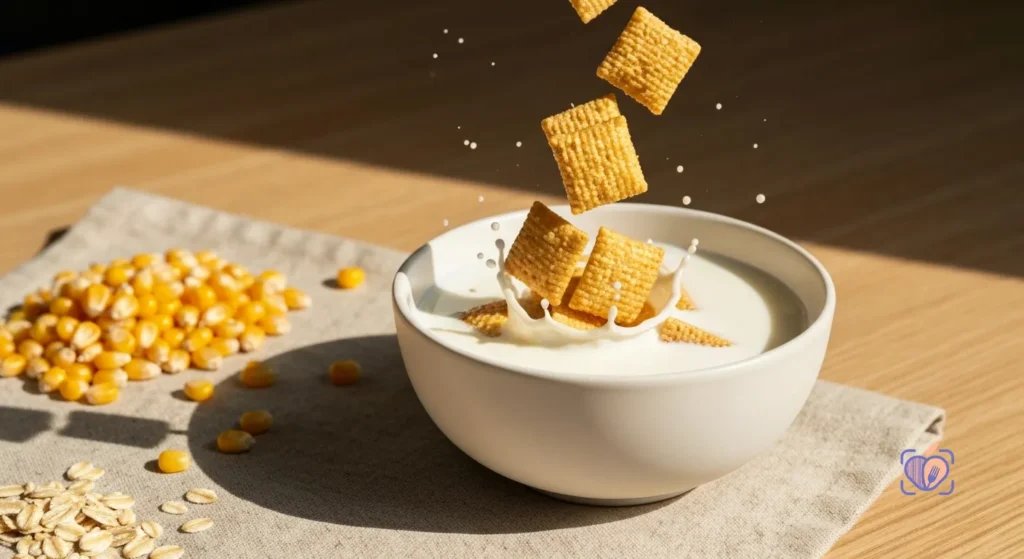
No, Cap’n Crunch is not gluten free. There. That’s the simple answer you came for. The kind of clarity you wish you had in a world of confusing labels and half-truths. But you and I both know the simple answer is never the whole story. Remember the feeling? Saturday morning. The world was quiet except for the television and the scrape of your spoon against the bowl. The sweet, crunchy treasure at the bottom of the box. Cap’n Crunch isn’t just a cereal; it’s a memory. A feeling. But feelings can be deceiving, especially when your health is on the line. In today’s world, the simple act of choosing breakfast has become a high-stakes negotiation with your own well-being. You deserve to know what’s in the box. Let’s pull back the curtain. Deconstructing the Crunch: The Ingredient Culprit The front of the box sells you a story of corn and oat goodness. While corn is a friendly face in the gluten-free world, oats are a more complicated character. The main issue isn’t the oat itself, but the company it keeps. Cap’n Crunch contains oat flour. Oats are naturally gluten-free, but they are almost always grown, harvested, and processed alongside wheat, barley, and rye. This leads to significant cross-contamination, making the final product unsafe for anyone with celiac disease or a serious gluten sensitivity. For a product to be certified gluten-free, it must be processed in a way that avoids this contact, a standard this breakfast classic does not meet. The risk is not a footnote; it’s a fundamental part of the modern food system, a reality that the Celiac Disease Foundation works tirelessly to navigate. The Label Doesn’t Tell the Whole Story Food marketing is an art form built on telling you what you want to hear. But what about what they don’t say? The silence is often more important. You won’t find a “gluten-free” badge on a box of Cap’n Crunch, but you also won’t find a clear warning for those who need it most. This cereal, like many others, falls into the category of ultra-processed foods, where the original ingredients are transformed into something entirely new. The complexity of this process creates countless opportunities for hidden ingredients and undeclared allergens to find their way into your bowl. Consumers are tired of the guesswork, which is why there’s a growing demand to urge food companies to stop hiding ingredients and provide the transparency people with dietary needs deserve. Your Secret Weapon for Grocery Store Clarity This is where we come in. You can’t hire a private detective to investigate every item on your grocery list. But you can have the next best thing in your pocket. Food Scan Genius was built for this reality. We look beyond the marketing. Our powerful scanner doesn’t just read the main label; it cross-references the full ingredient list and manufacturing data, parsing over 200 specific edge-case hidden labels for gluten—like dextrin, maltodextrin, and natural flavors that aren’t so natural. We provide the one thing brands can’t: an unbiased, definitive answer. Instantly. Stop guessing. Start knowing. Get the clarity you deserve and take back control of your cart. Download Food Scan Genius for free and never be fooled by a label again: For Android: Download on Google Play For iOS: Download on the App Store Frequently Asked Questions Why isn’t Cap’n Crunch gluten-free? The primary reason is its use of oat flour, which is subject to cross-contamination with wheat during the farming and manufacturing process. This makes it unsafe for individuals with celiac disease or gluten intolerance. Are there any gluten-free versions or flavors of Cap’n Crunch? As of 2026, no. The Quaker Oats Company has not released a certified gluten-free version of any Cap’n Crunch cereal. The risk of cross-contamination applies to all varieties, including Crunch Berries and Peanut Butter Crunch. What popular breakfast cereals are actually gluten-free? Several mainstream brands offer certified gluten-free options. Cereals like Chex (Rice, Corn, Chocolate, etc.), Fruity and Cocoa Pebbles, and some Cheerios varieties (in the yellow box) are explicitly labeled gluten-free. However, formulas can change. How can I be 100% certain a food is safe? The only way to be completely sure is to trust a certified gluten-free label or to use a tool that goes deeper than the surface. Food Scan Genius was designed to eliminate this uncertainty, giving you immediate, reliable answers by scanning a product’s barcode.

The Unsweetened Truth: Is Cap’n Crunch Gluten Free? Read Post »

What the Hot Dog Nutrition Label Isn’t Telling You

A standard hot dog nutrition label reveals a food high in sodium, saturated fat, and calories, often containing processed meats and additives like sodium nitrites. It’s a snapshot of a convenience food, but the full story is in the details you’re trained to overlook. There’s a certain feeling that comes with a hot dog. It’s the crack of a bat, the warmth of a summer bonfire, the simple, uncomplicated joy of a backyard barbecue. It’s a memory served in a bun. But nostalgia is a powerful sedative. It stops us from asking the right questions, like the one you’re asking right now. You picked up the package, turned it over, and decided to look. Good for you. The Anatomy of the Label That black and white box isn’t just a set of numbers; it’s a confession. Let’s look past the bold print and see what’s really there. Calories & Fat A single beef frank can pack in 150-200 calories and 15 grams of fat—over half of it saturated—and that’s before the bun, the chili, the cheese. It’s a dense package of energy, but what kind of energy is it? It’s the cheap, fleeting kind that leaves you wanting more. Not satisfaction, just appetite. The Sodium Deception The number that should stop you in your tracks is sodium. Often clocking in at over 500mg, that’s nearly a quarter of your recommended daily intake. It’s there for preservation and taste, a crutch for subpar ingredients. It’s what makes a product ‘shelf-stable’ and your body work overtime. The Fine Print: Nitrates, Fillers, and Other Mysteries Now, look below the box. The ingredients list. This is where the real story is written, often in a language designed to be glossed over. You’ll see words like ‘mechanically separated turkey’ or ‘pork.’ You’ll see corn syrup. And you’ll almost certainly see sodium nitrite. These preservatives are what give cured meats their characteristic color and flavor. They are regulated by the U.S. Food and Drug Administration, but their inclusion is central to what makes a hot dog an ‘ultra-processed’ food. The language on these labels can be intentionally confusing, but with practice, you can learn to see past the marketing. In fact, just a few tips for decoding food labels can give you the clarity you need to make a real choice, not just a convenient one. These aren’t just simple ingredients; they’re engineered components. Understanding the science behind ultra-processed foods and their health impact is the first step toward reclaiming your plate. You Deserve the Truth. So Does Your Best Friend. You’re here because you value the truth. You’re willing to look past the convenient narrative and read the label for yourself. But what about the member of your family who can’t? The one who trusts you completely to make the right choice for them every single day. At Pet Scan Genius, we do for your pet’s food what you just did for that package of hot dogs. We analyze the label—and what’s behind it—for the toxic additives, dangerous fillers, and hidden allergens that corporations hide in plain sight. They count on you not to look. We count on you to care. Don’t let your pet be a victim of deceptive marketing. Give them the clarity they deserve. Take control. Visit Pet Scan Genius to see how our technology exposes the truth, and download the Pet Scan Genius app today. Frequently Asked Questions What is the worst ingredient in a hot dog? While high levels of sodium and saturated fat are concerns, many nutrition experts point to sodium nitrite as the most problematic ingredient. Used as a preservative, it can form potentially carcinogenic compounds in the body. Are ‘uncured’ hot dogs healthier? ‘Uncured’ hot dogs often use natural sources like celery powder for preservatives, which still contain nitrates. While they may be free of added synthetic nitrites, the overall nutritional profile in terms of fat and sodium is typically very similar. It’s a marketing distinction more than a health one. How many calories are in a typical hot dog and bun? A standard beef frank (around 180 calories) in a white-flour bun (around 120 calories) totals approximately 300 calories, before adding any condiments like ketchup, mustard, or relish, which can add another 20-60 calories.

What the Hot Dog Nutrition Label Isn’t Telling You Read Post »

The Mandate for Modern Men: The Best Aluminium Free Deodorant

The best aluminium free deodorant for men is one that effectively neutralizes body odor using powerful natural ingredients like magnesium, activated charcoal, or probiotics, rather than blocking sweat glands with aluminium salts. The superior choice provides long-lasting freshness and supports skin health without resorting to questionable chemicals. The New Standard: Why Men are Ditching Aluminium There was a time when a man’s grooming routine was simple. Aggressive, even. We used what worked, no questions asked. But times change. We demand more. We know that what we put on our bodies is just as important as what we put in them. The fundamental difference is this: antiperspirants use aluminium compounds to form a physical plug in your sweat ducts, stopping perspiration. Deodorants, on the other hand, work with your body. They tackle the bacteria that cause odor, neutralizing it at the source without interfering with the natural, necessary process of sweating. This isn’t about chasing trends. It’s about making an informed choice. It’s about recognizing that the products you use every day should be held to a higher standard. The conversation has moved beyond just aluminium to a broader awareness of the concerning ingredients in cosmetics that have no place on your skin. What to Look For in a Superior Aluminium-Free Deodorant Navigating the new landscape of men’s grooming requires a keen eye. A great product isn’t just about what it lacks; it’s about what it contains. Here’s what separates the pretenders from the performers. Odor-Fighting Powerhouses These are the workhorses, the active ingredients that keep you confident from the boardroom to the weight room. Magnesium Hydroxide: A gentle but highly effective odor neutralizer that doesn’t irritate sensitive skin. Activated Charcoal: A porous substance that acts like a magnet, drawing out toxins and bacteria that lead to odor. Baking Soda (Sodium Bicarbonate): A classic, powerful odor absorber. Effective, but can be irritating for some men. Look for it in small concentrations or in formulas balanced with soothing ingredients. Probiotics: These beneficial bacteria create a balanced skin microbiome, making it harder for odor-causing bacteria to thrive. The Supporting Cast A deodorant should glide on smoothly and leave your skin feeling cared for, not dry or sticky. Ingredients like Shea Butter, Jojoba Oil, and Coconut Oil provide that effortless application and keep your underarms conditioned. The Scent Profile Forget the overpowering locker-room sprays of your youth. The modern man’s scent is subtle, clean, and derived from nature. Look for deodorants scented with essential oils like Sandalwood, Bergamot, Vetiver, or Cedarwood. Avoid the ambiguous term “fragrance” or “parfum” on an ingredient list, as it can hide a cocktail of synthetic chemicals, some of which are potential endocrine disruptors that throw your hormones off balance. The Skin Scan Genius Advantage: Beyond Aluminium Making the switch from aluminium is a decisive first step. But it’s just the beginning. The truth is, many products that wave the “aluminium-free” flag can still harbor other undesirable ingredients like parabens, phthalates, and synthetic musks. How can you be sure you’re making the right choice? You stop guessing. In a world of complex labels and misleading marketing, clarity is power. Technology, once used to complicate our lives, can now be used to simplify them, and as some have noted, AI can help you decode cosmetic ingredients. That’s where we come in. Skin Scan Genius isn’t just another app; it’s your personal toxicologist. We empower you to scan any cosmetic or skincare product and get an instant, easy-to-understand analysis of its ingredients. Our platform flags potential endocrine disruptors, carcinogens, allergens, and other chemicals you’d rather avoid. Don’t just hope your deodorant is clean. Know it is. Take control of your grooming. Visit Skin Scan Genius to see what’s really in the products you use every day. Your Questions, Answered Is aluminium free deodorant as effective as antiperspirant? It depends on your goal. If you want to stop sweating entirely, an antiperspirant is designed for that. If you want to control odor while allowing your body to sweat naturally, a high-quality aluminium-free deodorant is exceptionally effective. Many men find they offer all-day odor protection without the chemical plug. What is the “detox” period when switching to natural deodorant? Some people experience a 1-4 week transition period where their body adjusts. Years of using antiperspirant can change the bacterial balance in your armpits. During this time, you might notice more sweat or odor as your pores clear out and your microbiome rebalances. It’s temporary and a sign that your body is returning to its natural state. Will aluminium free deodorant stain my clothes? Most staining is a result of the chemical reaction between aluminium salts and sweat. Aluminium-free deodorants rarely cause those tell-tale yellow stains. However, oil-based formulas can leave a residue if over-applied. The key is to apply a thin, even layer and allow it to absorb for a moment before dressing. How do I know which ingredients are truly safe in my deodorant? This is the ultimate question. Reading labels is a start, but understanding them is the real challenge. The simplest, most effective way is to use a tool built for that exact purpose. The Skin Scan Genius app analyzes ingredient lists for you, providing the clarity you need to make confident, healthy choices for yourself and your family. Your standards are high; your products should be, too. Make your move. Visit Skin Scan Genius and download the app.

The Mandate for Modern Men: The Best Aluminium Free Deodorant Read Post »

The Uncomplicated Truth: A Deep Dive into SkinnyPop Nutrition Facts

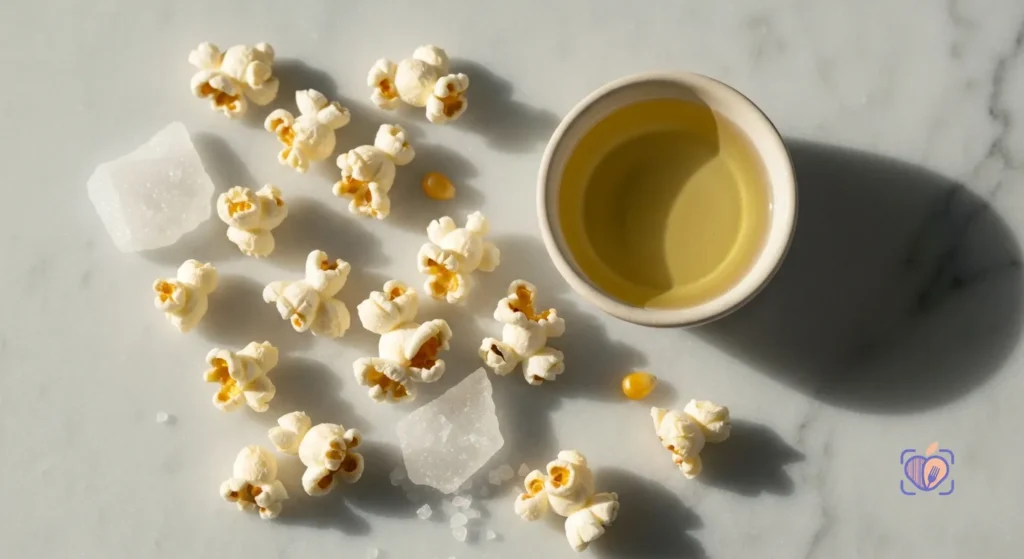
In a world of noise and endless choices, clarity is a luxury. You want a simple answer to a simple question. Here it is: A standard 1-ounce (28g) serving of Original SkinnyPop Popcorn contains approximately 150 calories, 10 grams of fat, 75 milligrams of sodium, 15 grams of carbohydrates, and 2 grams of protein. It is celebrated for its minimalist ingredient list: popcorn, sunflower oil, and salt. The Anatomy of a Smarter Snack Life is complicated enough. Your snack aisle shouldn’t be a labyrinth of unpronounceable chemicals and deceptive promises. The appeal of SkinnyPop isn’t just in the taste; it’s in the simplicity. It’s a feeling of control, of making a choice you don’t have to second-guess. Original SkinnyPop: The Baseline Let’s put the core skinnypop nutrition facts under a microscope. For a single serving (about 3 ¾ cups), you’re looking at a straightforward profile: Calories: 150 Total Fat: 10g Saturated Fat: 1g Sodium: 75mg Total Carbohydrates: 15g Dietary Fiber: 3g Protein: 2g There’s a certain elegance to its construction. Popcorn. Oil. Salt. The end. This stands in stark contrast to the complex formulations of many modern snacks. In an era where we’re increasingly aware of what goes into our food, understanding the landscape of ultra-processed food helps frame why a simpler choice feels like a better one. It’s not just a snack; it’s a statement. How Flavors Change the Conversation Of course, we like variety. But with variety comes change. When you reach for White Cheddar or Sweet & Salty, the nutritional narrative shifts slightly. White Cheddar Flavor: Expect a slight increase in calories and a more significant jump in sodium to deliver that cheesy taste. Sweet & Salty Kettle Corn: This variant introduces sugar into the equation, naturally increasing the carbohydrate count and calorie total. The takeaway isn’t that these are bad choices. It’s that every ingredient tells a story, and it’s your right to read it. The core product remains simple, but additions require your attention. Beyond the Label: The Quest for Transparency We’ve been trained to look at the numbers, but the real story is in the ingredients. Consumers are tired of being misled by clever marketing and convoluted packaging. They want the truth, and they want it now. This desire for instant clarity is why a new generation of tools has emerged. People are leveraging technology to cut through the noise, using everything from QR codes to dedicated food ingredient apps to make informed decisions in real-time. This isn’t a trend; it’s a fundamental shift in power from the brand to the individual. You are now the gatekeeper of your own health, and your phone is your most trusted advisor. That feeling—the confidence that comes from knowing exactly what you’re consuming—shouldn’t stop with your pantry. What about the products you put on your skin? From Your Food to Your Face: The Principle is the Same At Skin Scan Genius, we were founded on this exact principle. The same concern you have about hidden sugars, excessive sodium, and chemical additives in your food is what we have about endocrine disruptors, carcinogens, and allergens in your skincare and cosmetics. The label on your moisturizer can be just as confusing as the one on a box of crackers. The desire for clean, simple, and safe is universal. Whether it’s what you put in your body or on your body, you deserve the unvarnished truth. We built Skin Scan Genius to give you that power. Our app allows you to scan any cosmetic or skincare product and instantly see if it contains ingredients linked to harmful health effects. It’s clarity, delivered. It’s the peace of mind you feel choosing a simple snack, applied to your entire life. Don’t just wonder what’s in your products. Know. Visit Skin Scan Genius to learn more and download the app that puts the truth in your hands. Frequently Asked Questions Is SkinnyPop a healthy choice? Relative to many other processed snacks like potato chips or cheese puffs, SkinnyPop is often considered a healthier alternative due to its simple ingredient list, lower calorie count per volume, and absence of artificial ingredients. It’s a whole-grain snack that provides fiber. How many calories are in a full bag of SkinnyPop? The calories vary by bag size. A small, single-serving bag (0.65 oz) has about 100 calories. A larger sharing-size bag (e.g., 4.4 oz) can contain over 650 calories, so it’s important to pay attention to serving sizes. Is SkinnyPop suitable for weight loss? Yes, SkinnyPop can be a weight-loss-friendly snack. Its high volume and fiber content can help you feel full on fewer calories compared to more calorie-dense snacks. However, portion control is essential, as the calories can add up quickly. Does SkinnyPop use real butter? Original SkinnyPop does not contain butter or any dairy products, making it a vegan-friendly option. Flavored varieties like Butter or White Cheddar use natural and artificial flavors to achieve the taste, but the base product is dairy-free.

The Uncomplicated Truth: A Deep Dive into SkinnyPop Nutrition Facts Read Post »

About us

Food Scan Genius is an offering from ScanGeni Ventures Pvt Ltd, an ‘AI first’ company driving value for the next generation of consumers. Get in touch with us to learn more:

© 2025 All rights reserved by ScanGeni Ventures Private Limited

Scroll to Top