Author name: Santa Claw

Can Cats Eat Peanut Butter? The Terrifying Truth Every Pet Owner Must Know

You see them looking at you, that curious, trusting gaze as you make a sandwich. Your cat, a silent, furry member of your family, watches your every move. You dip a finger into the peanut butter jar for a little taste, and the thought crosses your mind—a thought born of love: Can I share this with them? Before you make a decision that could change everything, you need to know the truth. That moment of connection could hide a devastating risk, and the peace of mind you deserve is just out of reach… until now. The pet food industry is a labyrinth of confusing labels and hidden toxins. That’s why we created Pet Scan Genius. Our revolutionary app, launching soon, lets you scan any pet food label and instantly know if it’s safe for your specific pet. Don’t spend another day guessing. Protect the life that depends on you. Visit https://pet.scangeni.us/ right now and join the exclusive free trial. Be the first to know. Be the first to protect. Table of Contents Toggle The Simple Question with a Dangerously Complicated Answer The Xylitol Threat: A Silent Killer in Your Pantry Beyond Xylitol: The Unseen Dangers of Fat, Salt, and Aflatoxins Symptoms of a Feline Allergic Reaction to Peanut Butter The Long-Term Health Effects: A Slippery Slope to Chronic Disease The Real Problem: You’re Being Lied To Your Shield in the War on Confusion: Pet Scan Genius Frequently Asked Questions The Simple Question with a Dangerously Complicated Answer That innocent question—”Can cats eat peanut butter?”—feels like it should have a simple yes or no answer. But in the world of pet nutrition, simplicity is a luxury, and often, a dangerous illusion. The truth is, while peanut butter itself isn’t inherently toxic to cats in the way chocolate is to dogs, the conversation doesn’t end there. It begins with a minefield of additives, nutritional imbalances, and hidden poisons that can turn a seemingly harmless treat into a veterinary emergency. We’re not here to scare you without reason. We’re here to arm you with the truth because your pet’s safety is not a commodity. According to the veterinary experts at the ASPCA Animal Poison Control Center, the most immediate and deadly threat in many modern peanut butters is an artificial sweetener called Xylitol. This ingredient, perfectly safe for humans, is catastrophically toxic to both dogs and cats, leading to a rapid, life-threatening drop in blood sugar and acute liver failure. So, while a tiny lick of pure, unsalted, xylitol-free peanut butter might not send your cat to the emergency room, the risks associated with the product as a whole are significant. We need to look beyond the peanuts and analyze what’s really in that jar. It’s a process of deconstruction—of understanding the ingredients, the long-term effects, and the potential for severe allergic reactions. This isn’t just about a snack; it’s about your commitment to your pet’s well-being. The Xylitol Threat: A Silent Killer in Your Pantry Xylitol is the boogeyman in the peanut butter story, and for good reason. It’s a sugar alcohol used as a sugar substitute in a rapidly growing number of products, from gum and toothpaste to baked goods and, yes, certain brands of peanut butter, especially those labeled “sugar-free” or “low-calorie.” For humans, it’s a dental-friendly, low-calorie sweetener. For a cat, it’s a potent poison. When a cat ingests xylitol, their body mistakes it for real sugar and releases a massive, overwhelming surge of insulin from the pancreas. This insulin flood causes a severe and rapid drop in blood sugar (hypoglycemia) within 10 to 60 minutes of ingestion. The consequences are swift and brutal. Symptoms of Xylitol Poisoning in Cats: * Sudden Weakness or Lethargy: Your cat may seem unusually tired or unable to stand. * Vomiting: The body’s first attempt to reject the toxin. * Stumbling or Lack of Coordination (Ataxia): They may walk as if drunk or have trouble balancing. * Tremors or Seizures: As the hypoglycemia worsens, it affects the brain, leading to uncontrollable muscle spasms and convulsions. * Collapse and Coma: In severe cases, the cat may lose consciousness. If you suspect your cat has ingested even a minuscule amount of a product containing xylitol, this is a code-red veterinary emergency. Do not wait. Contact your veterinarian or an animal poison control center immediately. The prognosis depends entirely on the speed of intervention. Treatment involves immediate hospitalization, aggressive blood sugar monitoring, and intravenous dextrose to counteract the hypoglycemic shock. Even with prompt treatment, xylitol can cause irreversible liver damage, leading to acute liver failure days after the initial ingestion. The label on the peanut butter jar won’t scream this danger at you. It’s written in the fine print, a hidden danger in a product you trust. Beyond Xylitol: The Unseen Dangers of Fat, Salt, and Aflatoxins Let’s assume you’ve diligently checked the label and found a brand of “natural” peanut butter with no xylitol. You’re safe, right? Not quite. The absence of an acute poison doesn’t make a food healthy or even appropriate for a feline’s digestive system. Cats are obligate carnivores, meaning their bodies are designed to derive nutrients from meat, not legumes. 1. The Problem with High Fat Content: Peanut butter is incredibly dense in fat. While cats do need fat in their diet, the amount and type found in peanut butter can wreak havoc on their system. A single spoonful of peanut butter for a 10-pound cat is calorically equivalent to a human eating an entire hamburger. This high-fat load can lead to several problems: * Gastrointestinal Upset: A sudden influx of rich, fatty food can easily cause vomiting, diarrhea, and stomach pain in cats, whose digestive tracts are not equipped to handle it. * Pancreatitis: This is a painful and potentially fatal inflammation of the pancreas. A high-fat meal is a known trigger for pancreatitis in susceptible pets. The pancreas becomes overwhelmed and begins to digest itself, causing excruciating pain and systemic inflammation. 2. The Sodium Overload: Most commercial peanut

Can Cats Eat Peanut Butter? The Terrifying Truth Every Pet Owner Must Know Read Post »

That Lip Balm Is Making It Worse: The Definitive Guide to Finding a Safe Balm for Chapped Lips

The burning. The cracking. The constant, painful peeling that makes you self-conscious every time you speak or smile. You reach for your trusted lip balm, seeking relief, only to find the irritation cycle beginning all over again. This isn’t just discomfort; it’s a daily battle that can feel isolating and endless. For those of you managing severe allergies, chronic skin conditions, or strict dietary needs for your family, this struggle is magnified a hundredfold. You know the fear of a hidden ingredient, the exhaustion of scrutinizing every label, and the frustration when a so-called ‘hypoallergenic’ product betrays you. The medical community recognizes this challenge; conditions like allergic contact cheilitis are a significant concern, as noted by authorities like the American Academy of Dermatology Association. The truth is, the solution isn’t in another product—it’s in having perfect information. It’s time to stop guessing and start knowing. Take control of every ingredient that touches your lips by downloading the Food Scan Genius app right now. Table of Contents Toggle Why Your ‘Healing’ Lip Balm Is Hurting You The Petroleum Problem: Why Petrolatum and Mineral Oil Aren’t Your Friends The Fragrance Façade: Unmasking ‘Parfum’ and Hidden Contact Allergens Lanolin’s Lament: When a ‘Natural’ Moisturizer Causes More Harm The ‘Natural’ Trap: Potentially Irritating Essential Oils and Plant Extracts The Science of Sensitivity: Understanding Allergic Cross-Reactivity The Dangers Beyond the Label: Hidden Sources & Contamination The ‘200+ Labels’ Rule: Why Manual Checking Fails Your Search Is Over. The Solution Is Here. Frequently Asked Questions Why Your ‘Healing’ Lip Balm Is Hurting You You’re not imagining it. That waxy stick or little pot of ointment you carry everywhere could be the very source of your chronic chapped lips. The cosmetic industry packs products with a complex cocktail of preservatives, fragrances, and emollients that, while effective for some, are potent triggers for others. The term ‘balm for chapped lips’ has become a catch-all for thousands of formulations, many of which prioritize shelf life and sensory experience (the smell, the texture) over true dermatological safety. For the parent of a child with a nut allergy, the follower of a strict vegan or gluten-free diet, or the individual suffering from eczema or contact dermatitis, the stakes are unacceptably high. A simple, well-intentioned application of lip balm can lead to days of painful inflammation, swelling, or even a systemic allergic reaction. The problem is that the most common offenders are often disguised under vague terms or are so ubiquitous that we’ve been conditioned to believe they’re harmless. It’s time to pull back the curtain and expose the ingredients that are sabotaging your search for relief. The Petroleum Problem: Why Petrolatum and Mineral Oil Aren’t Your Friends Walk down any pharmacy aisle and you’ll see it: petrolatum, or petroleum jelly, is the star ingredient in a vast number of iconic lip care products. It’s an occlusive, meaning it forms a barrier on the skin to prevent moisture loss. On the surface, this sounds ideal. The problem? It’s a double-edged sword. The Risks: Purely Occlusive, Not Hydrating: Petrolatum doesn’t add any moisture to your lips; it merely traps whatever is already there. If your lips are already dehydrated, you’re just sealing in the dryness. This creates a cycle of dependency where your lips feel dry the moment the barrier wears off, prompting you to reapply constantly without ever addressing the core issue of dehydration. Contamination Concerns: As a byproduct of petroleum refining, the purity of petrolatum is critical. While cosmetic-grade petrolatum is highly refined to remove harmful components, there are lingering concerns in the wellness community about potential contamination with polycyclic aromatic hydrocarbons (PAHs), which have been linked to health issues. For those committed to a non-toxic lifestyle, this is a non-starter. Suffocating the Skin: For some individuals, this heavy, non-breathable barrier can clog pores around the mouth, leading to breakouts and milia. It doesn’t allow the skin to breathe and function naturally, which can impede the healing process for severely compromised skin. Not a Solution for Specific Diets: For consumers strictly avoiding all petroleum-derived products for environmental or health reasons, petrolatum and its cousin, mineral oil, are ingredients to be flagged and avoided at all costs. When you see Petrolatum, Mineral Oil, Paraffinum Liquidum, or White Petrolatum on a label, understand that you’re not getting a healing treatment. You’re getting a temporary, plastic-wrap-like barrier. True healing requires ingredients that nourish, hydrate, and support the skin’s natural barrier function, not just seal it off from the world. The Fragrance Façade: Unmasking ‘Parfum’ and Hidden Contact Allergens That pleasant minty tingle, the sweet vanilla scent, or the refreshing citrus burst in your lip balm? It might be the primary cause of your suffering. ‘Fragrance’ or ‘Parfum’ is a protected trade secret, a black box on an ingredient label that can legally hide a proprietary blend of dozens, sometimes hundreds, of chemical compounds. The Risks: The #1 Cause of Contact Dermatitis: According to dermatological research, fragrance is one of the most common causes of contact allergies. The reaction, known as allergic contact cheilitis when it affects the lips, can cause redness, swelling, intense itching, and blistering. Because the lips have such a thin, sensitive layer of skin, they are particularly vulnerable. Hidden Phthalates: Often, phthalates are used in fragrance mixtures to make the scent last longer. These chemicals are endocrine disruptors and are a major concern for health-conscious consumers, especially parents applying these products to their children. Irritants vs. Allergens: Even if you’re not technically allergic, many fragrance components are potent irritants. Ingredients like cinnamal, menthol, camphor, and peppermint oil, often added for a ‘cooling’ or ‘plumping’ effect, can directly damage the delicate skin barrier of the lips, leading to inflammation and dryness—the very conditions you’re trying to treat. Vague Labeling: When you see Fragrance, Parfum, Aroma, or Flavor on the label, you have zero transparency into what you’re actually putting on your body. For someone with a specific plant or chemical allergy, this is an unacceptable risk. A truly hypoallergenic fragrance-free lip

That Lip Balm Is Making It Worse: The Definitive Guide to Finding a Safe Balm for Chapped Lips Read Post »

The Unseen Enemy: Your Definitive Guide to Dairy Sensitivity and Lactose Hidden Sources

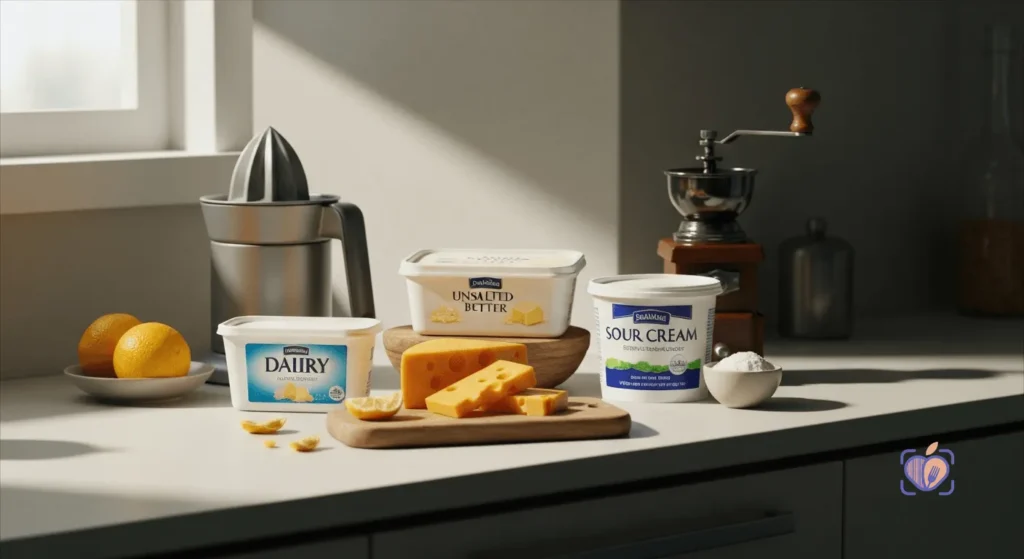
The feeling is all too familiar. The anxiety in the grocery aisle, the second-guessing at a restaurant, the constant, low-grade fear that one wrong ingredient could derail your day, your week, or your child’s well-being. You’re not just ‘picky’; you’re a protector, a diligent guardian of your own body, navigating a world where the danger is often invisible. The medical community recognizes the profound impact of food allergies and sensitivities, with authorities like the Mayo Clinic detailing the serious, systemic reactions that can occur. This isn’t a choice; it’s a necessity. But you don’t have to live in a state of constant vigilance. You can reclaim your confidence and your peace of mind. Stop guessing and start knowing. Download Food Scan Genius now and turn your phone’s camera into your most powerful ally against hidden dairy. Table of Contents Toggle The Great Divide: Allergy vs. Intolerance vs. Sensitivity The Granular Breakdown: Where Dairy Hides in Plain Sight The Deception in “Dairy-Free” and “Non-Dairy” Labels Processed Foods: The Industrial Complex of Hidden Dairy The Pharmaceutical & Supplement Trap: Lactose as a Filler Dining Out: A Minefield of Cross-Contamination and Hidden Ingredients The Science of Cross-Reactivity: When Your Body Gets Confused The Ultimate Checklist: 25+ Unexpected Places to Find Hidden Dairy & Lactose The “200+ Labels” Rule: Why Your Brain Shouldn’t Be a Supercomputer Your New Reality: Take Control with Food Scan Genius Frequently Asked Questions The Great Divide: Allergy vs. Intolerance vs. Sensitivity Before we venture into the labyrinth of hidden ingredients, we must first establish our map. The terms ‘allergy,’ ‘intolerance,’ and ‘sensitivity’ are often used interchangeably in casual conversation, but in the landscape of your body, they represent entirely different conflicts. Understanding which battle you’re fighting is the first step toward winning the war. Cow’s Milk Allergy: This is an immune system problem. Your body’s defense forces mistakenly identify milk proteins—primarily casein and whey—as dangerous invaders. The immune system launches a full-scale attack, releasing chemicals like histamine. This can trigger a cascade of reactions, ranging from hives, swelling, and digestive upset to life-threatening anaphylaxis. This is a serious, IgE-mediated response that requires absolute avoidance. Lactose Intolerance: This is a digestive system problem, not an immune one. Your body doesn’t produce enough of an enzyme called lactase, which is needed to break down lactose, the primary sugar in milk. Undigested lactose travels to the colon, where bacteria ferment it, producing gas, bloating, cramping, and diarrhea. While deeply uncomfortable, it is not life-threatening. People with lactose intolerance can often tolerate small amounts of lactose or use lactase enzyme supplements. Non-Allergic Dairy Sensitivity: This is the most ambiguous and often frustrating category. It involves adverse reactions to dairy that are not a classic IgE-mediated allergy nor a simple case of lactose malabsorption. Symptoms can be delayed and varied, including digestive issues, skin problems like eczema, headaches, joint pain, and brain fog. It’s a real, physiological response, but the precise mechanisms are still being researched. For those with a sensitivity, the trigger could be milk proteins, lactose, or other components, making a strict avoidance strategy the safest and most effective approach. This guide is for everyone living under the shadow of dairy. Whether you carry an EpiPen for a true allergy or suffer the chronic discomfort of a sensitivity, the enemy is the same: the unexpected, the undeclared, the hidden dairy lurking where you least expect it. The Granular Breakdown: Where Dairy Hides in Plain Sight To truly protect yourself, you must think like a food scientist and a manufacturing logistician. Dairy is not just milk, cheese, and yogurt. It is a versatile, inexpensive, and functional set of ingredients used to add flavor, texture, and protein to an astonishing array of products. Here is where the real danger lies. The Deception in “Dairy-Free” and “Non-Dairy” Labels You see “Non-Dairy” on a coffee creamer and breathe a sigh of relief. This is a critical error. The labeling laws can be tragically misleading. A product labeled “Non-Dairy” can legally contain milk proteins like casein, sodium caseinate, or whey. These are often used as binders or whiteners. For someone with a true milk allergy, this is a landmine. The term “Dairy-Free,” by contrast, is more regulated and should not contain any milk-derived ingredients. However, the risk of cross-contamination during manufacturing is ever-present. Never trust the front of the box. You must become a master of the ingredients list. Look for terms like casein, caseinate, whey, lactalbumin, lactoglobulin, and ghee. They are all derived from milk. Processed Foods: The Industrial Complex of Hidden Dairy Your pantry and freezer are potential minefields. Dairy’s functional properties make it a go-to for food manufacturers. Consider these common culprits: * Processed Meats: Deli meats, sausages, and hot dogs often use caseinates as a binder to hold the meat together and retain moisture. That seemingly innocent slice of turkey could be the source of your reaction. * Breads and Baked Goods: Milk is often used to enrich the dough, and butter is a primary ingredient. But even breads that seem ‘safe’ can be brushed with a milk wash to give them a golden-brown crust. Whey is also frequently added to commercial breads as a shelf-extender and to boost protein content. * Canned Tuna: You read that right. Some brands of canned tuna add hydrolyzed casein to improve texture and flavor. It’s a cheap and effective flavor enhancer, but a nightmare for the dairy-allergic. * Sauces, Dressings, and Marinades: Creamy dressings are obvious, but what about that vinaigrette? Whey or milk powder can be used as thickeners or flavor agents in countless shelf-stable sauces. Barbecue sauce, tomato sauce, and even some mustards can contain hidden dairy. The Pharmaceutical & Supplement Trap: Lactose as a Filler The threat isn’t confined to the grocery store; it extends to your medicine cabinet. Lactose is a chemically stable, inexpensive, and mildly sweet sugar, which makes it an ideal excipient—an inactive ‘filler’ ingredient used to bind tablets and fill capsules. A significant percentage of common prescription and

The Unseen Enemy: Your Definitive Guide to Dairy Sensitivity and Lactose Hidden Sources Read Post »

The Ultimate Gluten Allergy Hidden Sources Guide: Reclaim Your Plate & Your Peace of Mind

It’s not just a meal. It’s a minefield. Every bite is a calculated risk, every label a puzzle, every restaurant menu a test of trust. The constant, gnawing anxiety of a potential reaction—the bloating, the pain, the brain fog, the rash—can steal the joy from one of life’s simplest pleasures: eating. You deserve better than a life of fear and endless research. You deserve certainty. That’s why we built Food Scan Genius, the definitive tool to put control back in your hands. Download the Food Scan Genius app now and turn your phone’s camera into an expert gluten detector. The threat is not an exaggeration; it’s a medical reality. Leading authorities like the Food Allergy Research & Education (FARE) organization emphasize the critical importance of strict avoidance for managing celiac disease and gluten-related disorders, where even trace amounts can cause significant harm. Table of Contents Toggle The Gluten Gauntlet: Why Is It So Hard? The Kitchen Minefield: Cross-Contamination at Home The Restaurant Gamble: Navigating Menus and Trusting Staff The Supermarket Maze: Deceptive Labels and Hidden Ingredients The Unseen Invaders: Gluten Beyond the Plate The Science of Betrayal: Understanding Gluten Cross-Reactivity Where Gluten Hides: Your Ultimate Checklist The “200+ Labels” Rule: Why Manual Management Is Impossible Stop Guessing. Start Living. Frequently Asked Questions 1. Can I trust a “may contain wheat” or “processed in a facility that also processes wheat” label if the product has no gluten ingredients? 2. My friend with a gluten sensitivity can eat sourdough bread. Is it actually gluten-free? 3. I’m traveling to Asia soon. What are the most common hidden sources of gluten in Asian cuisine I should watch out for? 4. What is the difference between celiac disease, a wheat allergy, and non-celiac gluten sensitivity (NCGS)? The Gluten Gauntlet: Why Is It So Hard? Navigating a gluten-free life goes far beyond avoiding bread, pasta, and beer. Gluten, a protein composite found in wheat, barley, rye, and their derivatives, is a master of disguise. Food manufacturers use it as a binder, a thickener, and a texturizer in thousands of products where you’d least expect it. This isn’t just about inconvenience; for those with celiac disease, a wheat allergy, or non-celiac gluten sensitivity (NCGS), exposure can trigger a cascade of debilitating symptoms and long-term health complications, from intestinal damage to neurological issues. This guide is your new field manual. We will deconstruct the hidden world of gluten, exposing its most common and surprising hiding spots. But information alone is a defensive weapon. To truly go on the offensive and reclaim your life, you need a tool that works as tirelessly as you do. That tool is Food Scan Genius. The Kitchen Minefield: Cross-Contamination at Home Your home should be your sanctuary, the one place you can let your guard down. Unfortunately, for those with high gluten sensitivity, the shared kitchen is often the most dangerous battleground. Cross-contamination occurs when gluten-free food comes into contact with gluten particles, transferring the protein and making the food unsafe. The amount can be microscopic and invisible, yet still enough to trigger a severe reaction. The Toaster Treachery: A shared toaster is a primary culprit. Crumbs from regular bread accumulate at the bottom and are launched onto your gluten-free bread, waffles, or bagels during the toasting process. The only truly safe methods are using a dedicated gluten-free toaster or using toaster bags every single time. The Cutting Board Catastrophe: Wooden and plastic cutting boards with knife grooves can trap microscopic gluten particles. If someone slices a wheat bread sandwich and you later chop your vegetables on the same un-sanitized board, your salad is no longer safe. Designate separate, color-coded cutting boards for gluten-free prep only. Condiment Contamination: The simple act of double-dipping is a major risk. A knife used to spread mayonnaise on wheat bread and then dipped back into the jar contaminates the entire container with gluten crumbs. Squeeze bottles are your best friend. For shared jars of peanut butter, jam, or mustard, enforce a strict “clean utensil, one dip” rule or buy separate containers. Porous Utensils and Bakeware: Wooden spoons, rolling pins, and older, scratched non-stick pans can harbor gluten in their pores and scratches. Similarly, colanders used to drain regular pasta are notoriously difficult to clean thoroughly. Invest in a dedicated set of gluten-free cooking utensils, especially for pasta night. The Restaurant Gamble: Navigating Menus and Trusting Staff Dining out transforms from a pleasure into an interrogation. You’re forced to place your health in the hands of a busy server and a kitchen staff you’ve never met. While many restaurants are improving, the potential for error remains terrifyingly high. A simple miscommunication or a moment of carelessness in the kitchen can ruin your evening and your health for days to come. The Shared Fryer Fallacy: Many restaurants fry their French fries (naturally gluten-free) in the same oil used for breaded chicken tenders, onion rings, and other gluten-containing items. This instantly contaminates the oil and everything cooked within it. You must always ask, “Do you use a dedicated gluten-free fryer?” If they hesitate, it’s a hard pass. Sauces, Dressings, and Marinades: This is gluten’s favorite hiding spot. Soy sauce (which contains wheat) is a base for countless marinades and Asian-inspired sauces. Flour is a common thickener for soups, gravies, and cream sauces. Salad dressings can contain malt vinegar (derived from barley) or modified food starch of unknown origin. Never assume a sauce is safe. The Grill and Griddle Ambush: A chef might cook your gluten-free bun on the same griddle surface where wheat buns were just toasted, or grill your steak right next to a marinated, gluten-heavy flank steak. The shared surface is a direct transfer vector for gluten proteins. The “Gluten-Friendly” Trap: Beware of menus that use vague terms like “gluten-friendly” or “gluten-sensitive.” This often means they offer items with no gluten ingredients but cannot or will not guarantee against cross-contamination in their kitchen. This is a legal CYA, not a medical guarantee of safety. The Supermarket Maze:

The Ultimate Gluten Allergy Hidden Sources Guide: Reclaim Your Plate & Your Peace of Mind Read Post »

Your Gut Doesn’t Have to Be a Mystery: The Definitive Low FODMAP Diet Scanning Guide

The constant, nagging uncertainty. The bloating that ruins your day. The fear of eating anything outside your own kitchen. Living with Irritable Bowel Syndrome (IBS) and other digestive sensitivities isn’t just a physical burden; it’s a thief of joy, spontaneity, and peace of mind. You deserve clarity. You deserve control. According to Johns Hopkins Medicine, a low FODMAP diet is a scientifically recognized and effective approach for managing these debilitating symptoms for a significant percentage of sufferers. But navigating it feels like walking through a minefield. That ends today. Stop guessing and start knowing with Food Scan Genius, the essential tool for reclaiming your life from digestive distress. Download it now and take the first step towards a calmer gut. The Low FODMAP Labyrinth: Why Is This So Hard? FODMAP. It’s an acronym that represents a collection of short-chain carbohydrates that are poorly absorbed in the small intestine. For some, they ferment and cause gas, bloating, pain, and other life-disrupting symptoms. The acronym stands for Fermentable Oligosaccharides, Disaccharides, Monosaccharides, and Polyols. Unlike a simple allergy to peanuts or shellfish, FODMAPs aren’t a single villain. They are a scattered network of compounds hiding in plain sight, often in foods we consider healthy—fruits, vegetables, grains, and dairy. The diet isn’t about what you eat, but about the cumulative load of these specific carbohydrates. This complexity is why a simple ‘avoid’ list is never enough. You need a dynamic, intelligent guide in your pocket. This is that guide. Deconstructing the Diet: A Granular Breakdown of FODMAPs To truly conquer the low FODMAP diet, you can’t just look at a list of ‘good’ and ‘bad’ foods. You must understand the enemy. Each category of FODMAPs presents its own unique challenges and hides in different places. Let’s break them down with the precision you deserve. Oligosaccharides (Fructans & GOS): The Wheat, Onion, and Garlic Problem Oligosaccharides, specifically Fructans and Galacto-oligosaccharides (GOS), are perhaps the most pervasive and frustrating FODMAPs. They are the reason a ‘gluten-free’ label doesn’t automatically mean ‘low FODMAP,’ a distinction that trips up countless people. The Science: Humans lack the enzyme to break down the bonds in fructans and GOS. When they reach the large intestine, they become a feast for gut bacteria, leading to rapid fermentation. The result? Significant gas production, painful bloating, and cramping. Where They Hide: This is the heart of the problem. Fructans are in wheat, rye, and barley, which is why many people with IBS feel better on a gluten-free diet, mistakenly attributing it to gluten. But the real culprits are also in some of the most fundamental ingredients of global cuisine: onion and garlic. They are in shallots, the white parts of leeks, and artichokes. GOS is prevalent in legumes like beans, chickpeas, and lentils. The Specific Risk: The biggest danger here is the ‘hidden ingredient’ factor. A simple can of soup, a jar of pasta sauce, a pre-made spice blend, or a restaurant marinade is almost guaranteed to contain onion powder or garlic powder. These are concentrated sources of fructans. You can’t see them, you often can’t pick them out, and they can trigger a reaction with just a small amount. This makes eating out or buying processed foods an exercise in extreme vigilance. Disaccharides (Lactose): Beyond Just Milk and Cheese Lactose is the most well-known of the FODMAPs, commonly associated with ‘lactose intolerance.’ It’s the ‘D’ in the acronym and represents the sugar found in mammalian milk. The Science: Lactose is a disaccharide, meaning it’s a sugar molecule composed of two smaller sugars (glucose and galactose). To be absorbed, it must be broken down by an enzyme called lactase. A significant portion of the world’s population has reduced lactase activity, meaning undigested lactose travels to the large intestine where it ferments and draws in water, causing bloating and diarrhea. Where It Hides: The obvious sources are milk, ice cream, and soft cheeses like ricotta and cottage cheese. But lactose is a surprisingly common additive in processed foods. It’s used to improve texture and flavor in everything from bread and baked goods to processed meats like sausages and deli slices. It’s also a key component of whey protein concentrates and milk powders, which are found in countless protein bars, meal replacement shakes, and ‘healthy’ snacks. The Specific Risk: The risk with lactose is complacency. You might diligently avoid a glass of milk but get completely derailed by the whey powder in your protein bar or the milk solids in a creamy salad dressing. Hard, aged cheeses like cheddar and parmesan are generally low in lactose and well-tolerated, creating a confusing landscape for those new to the diet. It’s not about avoiding ‘dairy’; it’s about understanding the specific lactose content of each product, which requires more than a casual glance at the label. Monosaccharides (Fructose): The Hidden Sugar Trap Fructose is the ‘M’ in FODMAP. It’s a simple sugar found in many fruits and sweeteners. The issue isn’t fructose itself, but rather excess fructose—when there is more fructose than glucose in a food. The Science: Fructose is absorbed in the small intestine through a specific transport system. However, this system works much more efficiently when glucose is present in equal or greater amounts. When fructose is in excess, the unabsorbed portion travels to the large intestine, where it is rapidly fermented, leading to the same painful symptoms as other FODMAPs. Where It Hides: High-fructose corn syrup (HFCS) is a major offender, found in sodas, candies, and many processed foods. But the real trap for health-conscious individuals is in natural foods. Honey and agave nectar are extremely high in excess fructose. Many fruits are also major sources, including apples, mangoes, pears, and watermelon. Even certain vegetables like asparagus and sugar snap peas contain excess fructose. The Specific Risk: The danger of fructose is the ‘health halo’ effect. You might be trying to do the right thing by eating a large fruit salad, but if you choose apples, mangoes, and pears drizzled with honey, you’re consuming a

Your Gut Doesn’t Have to Be a Mystery: The Definitive Low FODMAP Diet Scanning Guide Read Post »

The Betrayal in Your Pantry: The Definitive Keto Friendly Hidden Carbs Guide

You’ve done everything right. You’ve meticulously planned your meals, tracked your macros, and resisted the siren song of sugar and starch. You feel the clarity, the energy, the control. Then, without warning, you’re knocked out of ketosis. The frustration is immense; it feels like a betrayal by the very food you trusted. This experience is not just a setback; it’s a significant hurdle that, as medical experts at the Mayo Clinic note, requires diligent management to maintain the metabolic state of ketosis. The truth is, hidden carbs are lurking everywhere, ready to sabotage your progress. Stop the guesswork and reclaim your control. Download the Food Scan Genius app right now and instantly expose every hidden carb, filler, and sugar that stands between you and your goals. The Silent Sabotage: Why Hidden Carbs Are the Enemy of Ketosis Ketosis is a delicate metabolic state. Your body, deprived of its usual glucose fuel, begins to burn fat for energy, producing ketones. This is the magic of the ketogenic diet. It’s a biological switch that requires one non-negotiable rule: keeping carbohydrate intake extremely low, typically under 50 grams per day, sometimes as low as 20. A single, seemingly innocent food item with 15 grams of hidden carbs can consume the majority of your daily allowance, grinding your progress to a halt and forcing your body back into glucose-burning mode. This isn’t just about weight loss; it’s about metabolic momentum. Getting kicked out of ketosis can lead to a resurgence of cravings, brain fog, and the dreaded “keto flu,” forcing you to restart the arduous adaptation process. This guide is your new line of defense. We will pull back the curtain on the food industry’s most deceptive practices and arm you with the knowledge to navigate the grocery store like a seasoned detective. The “Sugar-Free” Deception: Hidden Carbs in Sweeteners and Syrups The label screams “Sugar-Free!” or “No Sugar Added!” and you feel a sense of relief. But this is often the first and most common trap. The world of sugar substitutes is a minefield of metabolic disruptors. While some, like stevia or monk fruit, are genuinely zero-carb and keto-safe, many others contain hidden carbohydrates or can provoke an insulin response that mimics sugar. The Culprits: * Maltitol: This is perhaps the most notorious offender. Found in countless “sugar-free” candies, protein bars, and desserts, maltitol has a glycemic index (GI) of 35. For comparison, table sugar is 65. While lower, it’s far from zero. It is absorbed by the body and can significantly raise blood sugar and insulin levels, making it a surefire way to get kicked out of ketosis for many individuals. A single serving of a product sweetened with maltitol can contain enough digestible carbs to derail your entire day. * Sorbitol and Xylitol: While better than maltitol, these sugar alcohols are not carb-free. A portion of them is absorbed by the body, contributing to your net carb count. Overconsumption can not only impact ketosis but also lead to significant digestive distress. * Dextrose and Maltodextrin: These are the ultimate wolves in sheep’s clothing. Often used as fillers, anti-caking agents, or carriers for artificial sweeteners (like in packets of Splenda), they are functionally just sugar. Maltodextrin has a GI even higher than table sugar, meaning it will spike your blood sugar faster and harder. Always read the full ingredient list, not just the nutrition facts, as trace amounts can add up. The Risk: The primary risk is a false sense of security. You believe you’re making a keto-friendly choice, but you’re consuming ingredients that directly counteract your metabolic goals. This leads to unexplained weight loss stalls, cravings, and the frustrating cycle of falling in and out of ketosis. The Condiment Conspiracy: Sauces, Dressings, and Marinades That Sabotage Ketosis Your perfectly cooked steak or crisp, green salad can be instantly transformed from a keto masterpiece into a carb-laden disaster by what you put on top of it. Condiments are one ofthe most common sources of hidden sugars and starches, designed for flavor and shelf stability, not your metabolic health. The Culprits: * Ketchup and BBQ Sauce: These are the most obvious offenders, often packed with high-fructose corn syrup or plain sugar. A single tablespoon of standard ketchup can contain 4-5 grams of sugar. * Salad Dressings: Creamy dressings like Ranch or Caesar can be deceiving. While high in fat, many low-fat or even full-fat versions use sugar for flavor and starches (like modified corn starch) as thickeners and emulsifiers. Vinaigrettes, especially raspberry or balsamic glaze, are frequently loaded with sugar to balance the acidity. * Marinades and Glazes: That delicious, sticky glaze on your chicken wings or ribs? It’s almost certainly sugar-based. Teriyaki sauce, sweet and sour sauce, and many pre-made marinades are carbohydrate bombs. * Sriracha and Other Hot Sauces: While you might not use much, check the label. Many popular brands list sugar as the second or third ingredient. Those carbs add up quickly if you’re a fan of spice. The Risk: It’s death by a thousand cuts. A little squirt here, a small drizzle there. Individually, they seem insignificant. But throughout a day, these condiment carbs can easily accumulate to 15-20 grams, pushing you over your limit without you ever eating a single piece of bread or pasta. It’s the silent, creeping sabotage that leaves you wondering why the scale won’t budge. The Vegetable Betrayal: High-Carb Veggies and Roots Masquerading as Keto-Friendly “Eat your vegetables” is sound advice, but on a ketogenic diet, not all vegetables are created equal. While leafy greens are a staple, many other seemingly healthy options are packed with enough starch and sugar to disrupt ketosis. This is where many newcomers to the diet make critical errors. The Culprits: * Root Vegetables: This is the primary category to watch. Potatoes, sweet potatoes, and yams are obvious no-gos. But carrots, parsnips, beets, and rutabaga are also surprisingly high in carbohydrates and should be consumed in very strict moderation, if at all. * Onions and Garlic: While

The Betrayal in Your Pantry: The Definitive Keto Friendly Hidden Carbs Guide Read Post »

The Ultimate Vegan Diet Safe Scanning Guide: Stop Guessing, Start Knowing

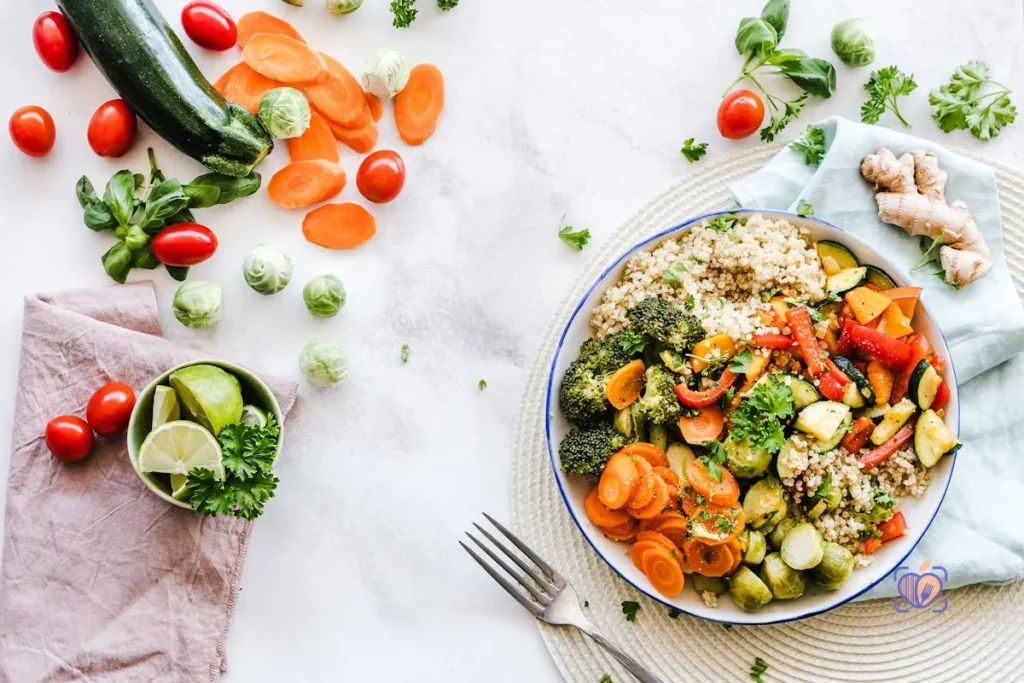
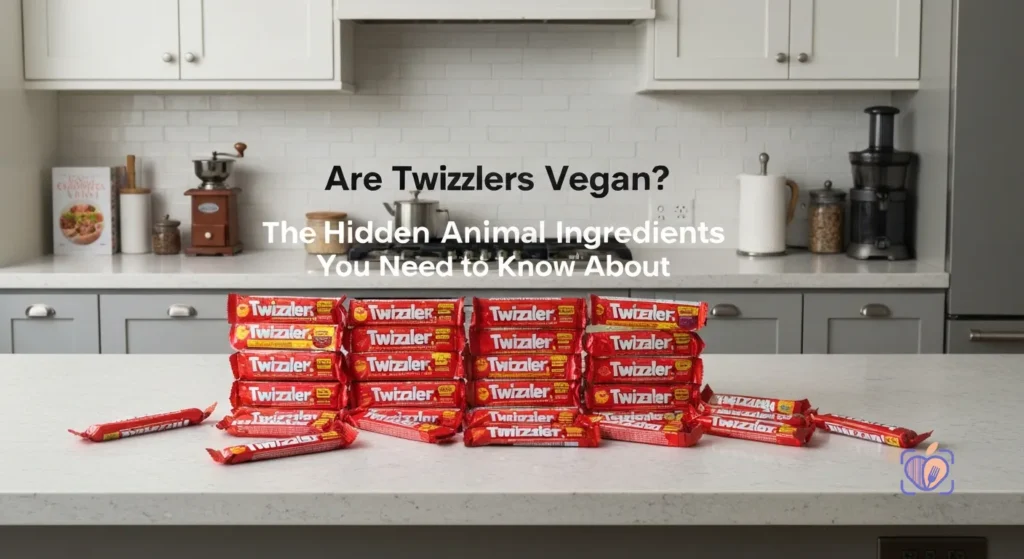
Standing in the grocery aisle can feel like a minefield. You hold a product, turn it over, and begin the ritual: a frantic scan of the ingredients list, a jumble of scientific names and vague terms. Is this truly vegan? Is there a hidden animal derivative lurking behind an E-number or a ‘natural flavor’? This constant vigilance, this low-grade anxiety, is the silent tax on a compassionate lifestyle. The commitment to a vegan diet, as noted by health authorities like the Mayo Clinic, is a powerful choice for health, ethics, and the environment, but the modern food industry makes it a daily challenge. You deserve certainty. You deserve peace of mind. Stop the endless searching and second-guessing right now. Download the Food Scan Genius app and turn your phone’s camera into an instant truth detector. Why a Simple Label Isn’t Enough In a perfect world, a ‘V’ on the package would be a guarantee. But we don’t live in a perfect world. We live in a world of complex supply chains, shared manufacturing facilities, and labeling laws that often favor the manufacturer’s convenience over your clarity. The difference between ‘plant-based’ and ‘vegan’ can be a chasm filled with hidden milk proteins, and the term ‘non-dairy’ can be a cruel deception. This guide isn’t just another list of things to avoid. This is a deep dive into the architecture of the modern food system, designed to arm you with the knowledge to navigate it. We’re pulling back the curtain on the obscure ingredients, the deceptive processing aids, and the cross-contamination risks that can compromise your diet and your principles. This is your definitive vegan diet safe scanning guide, the foundation for a truly confident and compassionate lifestyle. But knowledge alone is a heavy burden. The real solution is having an expert in your pocket, one that never gets tired and never misses a detail. That’s Food Scan Genius. The Labyrinth of E-Numbers: Decoding Food Additives Food additives, often listed as ‘E-numbers’ in Europe and by their chemical names elsewhere, are one of the most common minefields. They are used to preserve, color, thicken, and stabilize, but their origins can be shockingly non-vegan. A simple number can represent a derivative of an insect, an animal fat, or a fish bladder. It’s a code, and without a cipher, you’re just guessing. E120 (Carmine/Cochineal): This common red food coloring isn’t derived from beets or berries; it’s made from crushed cochineal insects. You’ll find it in everything from yogurts and juices to candies and red-colored baked goods. A product can be entirely fruit-based, but the addition of E120 instantly renders it non-vegan. E441 (Gelatin): A well-known offender, gelatin is derived from boiling the skin, tendons, ligaments, and bones of pigs and cows. It’s the gelling agent in gummy candies, marshmallows, and many desserts. But it also hides in frosted cereals (as a binder), certain vitamins (in the capsules), and even some low-fat margarines. E901 (Beeswax) & E904 (Shellac): These are glazing agents used to make things look shiny and appealing. Beeswax is, of course, a product of bees. Shellac is even more obscure; it’s a resin secreted by the female lac bug. They are commonly used on candies, coated chocolates, and even to give a sheen to fresh produce like apples and citrus fruits. That shiny apple might not be as purely plant-based as you think. E631 (Disodium Inosinate) & E627 (Disodium Guanylate): These are flavor enhancers that create a savory, ‘umami’ taste. While they can be made from plant sources, they are frequently produced from fish or other animal meat. Unless the source is explicitly stated as plant-derived, it’s a significant risk. Memorizing these is a start, but hundreds of such numbers exist, each with potential animal origins. This is not a task for the human mind; it’s a task for a database. It’s a task for an algorithm. The “Refining” Deception: Hidden Animal Products in Processing Sometimes, the final product contains no animal ingredients, but its journey from raw material to packaged good was facilitated by them. These ‘processing aids’ are a ghost in the machine—they were used in the process but are not required to be listed on the final ingredient label. This is where even the most diligent label-reader can be deceived. Bone Char in Sugar: The brilliant white color of refined cane sugar often comes at a cost. Many sugar refineries use ‘bone char’—the charred bones of cattle—as a decolorizing filter to strip impurities and whiten the sugar. While the sugar itself doesn’t contain bone particles, it has been passed through them. This makes a vast amount of white and brown sugar (which is often just white sugar with molasses added back) non-vegan. Opting for unrefined cane sugar, beet sugar, or products explicitly labeled ‘vegan’ is the only way to be sure. Isinglass in Alcohol: That crystal-clear pint of beer or glass of wine may have been clarified using isinglass, a substance obtained from the dried swim bladders of fish. It’s a type of collagen used as a ‘fining’ agent to remove yeast and other particles, making the final beverage bright and clear. Many craft and major breweries and wineries still use this ancient method. Similar animal-derived fining agents include gelatin, casein (milk protein), and albumin (egg whites). L-Cysteine in Bread: This dough conditioner, used to speed up industrial processing and improve the texture of breads and baked goods, is often derived from human hair, poultry feathers, or hog hair. While synthetic versions exist, the animal-derived source is common and cheap, making it prevalent in mass-produced bread products. It’s a shocking reality hidden behind a simple, scientific-sounding name on the label. These processing aids are invisible. They don’t appear on the ingredient list. The only way to catch them is to have a deep, brand-specific, and product-specific database that knows the manufacturing processes behind the label. When “Dairy-Free” Isn’t Vegan: The Casein and Whey Trap The ‘Free From’ aisle can be a sanctuary, but it can also be a

The Ultimate Vegan Diet Safe Scanning Guide: Stop Guessing, Start Knowing Read Post »

Can Cats Eat Peanut Butter? The Terrifying Truth Hidden in Your Pantry

It’s a quiet moment in your kitchen. You’re making a sandwich, and you feel a familiar presence. You look down to see your cat, eyes wide, whiskers twitching, utterly fascinated by the jar of peanut butter. A simple, innocent thought crosses your mind: ‘Can I give them a little taste?’ That moment of uncertainty—the fear of accidentally harming the creature you love—is a heavy weight. You deserve clarity, not confusion. You deserve to know, instantly, what’s safe and what’s a hidden danger. That’s why we created Pet Scan Genius. Before you read another word, stop guessing and start knowing. Download the app, scan everything in your pantry, and get the immediate peace of mind that comes from protecting your family. Download on the Apple App Store Get it on Google Play The Short Answer Is a Hard ‘No’. Here’s Why. Let’s cut through the noise. While peanut butter itself isn’t technically toxic to cats in the way that chocolate or onions are, it offers zero nutritional value and poses significant health risks that make it a dangerous treat. Cats are obligate carnivores; their digestive systems are finely tuned machines designed to process meat, not high-fat, plant-based legumes. The ASPCA Animal Poison Control Center explicitly warns against feeding pets high-fat foods like peanut butter, which can lead to serious gastrointestinal upset and even pancreatitis, a painful and potentially fatal inflammation of the pancreas. The conversation, however, doesn’t end there. The real danger isn’t just the peanuts; it’s what we add to them. The Xylitol Menace: A Sweet Poison Hiding in Plain Sight If there is one ingredient you must be vigilant about, it is xylitol. This sugar substitute is perfectly safe for humans but is an absolute poison for many pets, including cats and especially dogs. It’s increasingly found in ‘sugar-free’ or ‘natural’ peanut butter brands to appeal to health-conscious consumers. What is Xylitol? Xylitol is a sugar alcohol used as a low-calorie sweetener. When ingested by a cat, it is absorbed into the bloodstream with terrifying speed, triggering a massive release of insulin from the pancreas. This catastrophic insulin surge causes a sudden, severe drop in blood sugar (hypoglycemia). Symptoms of Xylitol Poisoning: The onset of symptoms can be shockingly fast, sometimes within 15-30 minutes of ingestion. You must be able to recognize them immediately: Vomiting: Often the first sign. Weakness and Lethargy: Your cat may seem unusually tired or unable to stand. Stumbling or Lack of Coordination (Ataxia): They may walk as if they are drunk. Tremors and Seizures: A sign of severe neurological impact. Collapse and Coma: In the most severe cases. Even a tiny amount of xylitol can be fatal. In higher doses, it can lead to acute liver failure, a devastating and often irreversible condition. If you suspect your cat has ingested any product containing xylitol, this is a life-or-death medical emergency. Do not wait for symptoms to appear. Contact your veterinarian or an emergency pet hospital immediately. The brand names that use xylitol are constantly changing, making it a moving target for even the most diligent pet owner. It’s a risk you simply cannot afford to take by ‘eyeballing’ a label. Beyond Xylitol: The Hidden Risks in “Safe” Peanut Butter Even if you’ve found a peanut butter brand that is 100% free of xylitol, the dangers are far from over. The fundamental composition of peanut butter is at odds with your cat’s biology. 1. High Fat Content and Pancreatitis: Peanut butter is incredibly dense in fat. A cat’s digestive system is not equipped to handle this kind of fat load. A spoonful of peanut butter for a 10-pound cat is calorically equivalent to a human eating an entire hamburger. This high-fat content can easily trigger vomiting and diarrhea. More dangerously, it can lead to pancreatitis. This condition is excruciatingly painful and causes the pancreas to essentially begin digesting itself. Treatment is intensive, expensive, and not always successful. 2. Excessive Salt and Sodium Ion Poisoning: Most commercial peanut butters are loaded with salt to improve their taste for humans. Cats have a very low tolerance for sodium. Excessive salt intake can lead to sodium ion poisoning, which manifests as vomiting, diarrhea, tremors, high body temperature, seizures, and can be fatal. 3. Aflatoxins: The Invisible Mold: Peanuts, as a crop, are susceptible to contamination by a type of mold called Aspergillus. This mold produces a group of toxins known as aflatoxins, which are potent carcinogens and can cause severe liver damage. While reputable peanut butter brands for human consumption are tested for aflatoxin levels, the standards can vary, and cheaper or improperly stored products pose a higher risk. A cat’s smaller body and sensitive liver are far more vulnerable to the toxic effects of even low levels of these compounds over time. 4. Choking Hazard: The thick, sticky consistency of peanut butter presents a very real choking hazard, especially for smaller cats or kittens. It can easily become lodged in their throat or glued to the roof of their mouth, causing panic and airway obstruction. Feline Allergic Reactions: Recognizing the Warning Signs Just like humans, cats can have food allergies, and peanuts are a known allergen. An allergic reaction can range from mild discomfort to a life-threatening emergency. It’s critical to know what to look for after any new food exposure, especially something as foreign to their diet as peanut butter. Mild to Moderate Symptoms: * Skin Irritation: Intense itching, scratching, or chewing at their skin, particularly around the face, paws, and ears. You might see red patches, rashes, or even hair loss in these areas. * Gastrointestinal Upset: Vomiting or diarrhea that occurs within a few hours of ingestion. * Ear Infections: Chronic or recurring ear inflammation can be a sign of an underlying food allergy. * Facial Swelling: Minor swelling around the eyes, lips, or muzzle. Severe Symptoms (Anaphylaxis – A Medical Emergency): Anaphylaxis is a severe, rapid-onset allergic reaction that can be fatal if not treated immediately. The signs are unmistakable and terrifying:

Can Cats Eat Peanut Butter? The Terrifying Truth Hidden in Your Pantry Read Post »

The Ugly Truth in Your Shower: Why a Sulfate Free Body Wash is Your Last Line of Defense

That unbearable, persistent itch. The sudden, angry red rash that appears without explanation. The painful, cystic acne on your back that refuses to yield. You’ve changed your diet, your laundry detergent, your sheets. You’ve tried everything. But the problem might be lurking in the one place you go to feel clean. It’s in your shower, hiding in plain sight. Before you read another word, I want you to stop guessing and get answers. Grab your phone, open your camera to the world of truth, and download Skin Scan Genius. This is not a suggestion; it’s the first step to taking back control. Scan the barcode on your body wash right now. We’ll be here when you see the results. Download on the Apple App Store Get it on Google Play We’ve been sold a lie. A story that connects a mountain of thick, rich lather with the idea of ‘clean.’ That story was written by marketing departments, not dermatologists. The chemical responsible for that lather—sulfates—is a cheap, aggressive detergent that has no business being on your body’s largest organ. These harsh surfactants, most commonly Sodium Lauryl Sulfate (SLS) and Sodium Laureth Sulfate (SLES), are industrial-strength degreasers. They’re effective, yes, but at a cost your skin simply cannot afford to pay. The American Academy of Dermatology Association consistently advises patients with dry or sensitive skin to avoid harsh soaps and detergents. Why? Because chemicals like sulfates are known irritants that can strip the skin of its natural, protective oils, leading to a cascade of inflammation and discomfort. The Unseen Damage: How Sulfates Sabotage Your Skin It’s not just a feeling of ‘squeaky clean.’ It’s a systematic dismantling of your skin’s natural defenses. The momentary satisfaction of a rich foam is a prelude to long-term damage that manifests as dryness, irritation, and chronic skin conditions. Let’s pull back the curtain and look at what’s really happening every time you lather up with a sulfate-based cleanser. The Stripping Effect: Annihilating Your Skin’s Moisture Barrier Imagine your skin has a delicate, invisible shield. This is your moisture barrier, also known as the acid mantle. It’s a finely tuned, slightly acidic film composed of lipids (fats), amino acids, and sebum that locks in moisture and, crucially, keeps out bacteria, pollutants, and allergens. A healthy moisture barrier is the very definition of healthy skin—plump, hydrated, and resilient. Sulfates are the enemy of this barrier. Their primary function is to bind to oil and dirt so they can be washed away. The problem is, they are indiscriminate. They cannot tell the difference between grime and the essential lipids that hold your skin cells together. They strip away everything, leaving your barrier compromised, weak, and full of microscopic cracks. This destructive action also disrupts your skin’s natural pH, pushing it from its happy, acidic state into an alkaline territory where irritation thrives. This is why a pH balanced sulfate free body wash with ceramides for moisture barrier support isn’t a luxury; it’s a necessity for anyone looking to rebuild and maintain their skin’s first line of defense. Ceramides are lipids that are identical to those found in your skin, acting like the mortar that holds the bricks (your skin cells) together, effectively patching up the damage caused by harsh detergents. The Irritation Cascade: From Itching to Eczema Flare-Ups When your moisture barrier is compromised, your skin becomes an open gateway for irritants. Things that wouldn’t normally bother your skin can now penetrate its deeper layers, triggering an inflammatory response from your immune system. This is the root of contact dermatitis—that red, itchy, and sometimes painful rash. For those with pre-existing conditions like eczema (atopic dermatitis) or psoriasis, sulfates are like throwing gasoline on a fire. The Environmental Working Group’s Skin Deep® database flags SLS for concerns related to irritation of the skin, eyes, and lungs, even in small concentrations. The constant stripping and subsequent inflammation create a vicious cycle: your skin becomes dry and itchy, so you scratch, which further damages the barrier, making it even more susceptible to irritation. Finding the best sulfate free body wash for eczema prone dry itchy skin is about breaking this cycle. These formulas replace harsh sulfates with gentle, plant-derived surfactants (like coco-glucoside or decyl glucoside) and are fortified with soothing ingredients like colloidal oatmeal, calendula, and niacinamide to calm inflammation and give your skin a chance to heal. The Pore Problem: Are Sulfates Causing Your Body Acne? It seems counterintuitive. You’re using a powerful cleanser to get rid of oil and prevent breakouts, yet the acne on your back, chest, and shoulders persists or even worsens. Welcome to the paradox of over-cleansing. When sulfates strip your skin of all its natural oil, your sebaceous glands panic. Their response is to go into overdrive, producing even more oil to compensate for the sudden dryness. This excess sebum is a primary food source for acne-causing bacteria. This, combined with the irritation and inflammation caused by the sulfates themselves, creates the perfect storm for breakouts. The key is to cleanse the skin without triggering this emergency response. A non-comedogenic sulfate free body wash for acne prone back and chest will effectively remove excess oil and grime without the harsh stripping action. Look for formulas that contain gentle exfoliants like salicylic acid (a BHA that cleans inside the pore) or glycolic acid (an AHA that clears away dead skin cells from the surface) to keep pores clear without compromising your skin’s moisture barrier. The “Chicken Skin” Connection: Sulfates and Keratosis Pilaris Keratosis Pilaris, or KP, is that common condition characterized by small, rough bumps, often on the upper arms, thighs, and buttocks. It’s caused by a buildup of keratin—a hard protein that protects the skin—which forms a plug that blocks the hair follicle. While KP is largely genetic, it is significantly exacerbated by dryness and irritation. Harsh sulfates are a primary antagonist for KP sufferers. By stripping the skin and causing dryness, they make the skin’s surface rougher and can increase the inflammation around

The Ugly Truth in Your Shower: Why a Sulfate Free Body Wash is Your Last Line of Defense Read Post »

The Secret to the Perfect Apple Crisp Is Choosing an Apple That Won’t Betray Your Body

There’s a feeling that comes with the first bite of a warm apple crisp. It’s more than just cinnamon and baked fruit; it’s nostalgia. It’s the memory of a grandmother’s kitchen, of autumn evenings, of comfort. It’s a simple, perfect moment. But for millions, that simple moment is preceded by a complex, anxious calculation. If you’re a parent of a child with food allergies, you’re not just looking at a dessert; you’re assessing a threat. If you’re managing diabetes, you’re calculating the hidden sugars that could derail your health. If you live with Celiac disease or a gut-health condition like IBS, you’re scanning for hidden triggers that could mean days of pain and discomfort. That perfect, simple moment is stolen by a storm of “what ifs.” What if this apple is too high in sugar? What if the topping has hidden gluten? What if this triggers my Oral Allergy Syndrome? This isn’t just about baking. It’s about safety. It’s about reclaiming a simple joy without fear. The medical community recognizes the profound impact of these conditions. According to Food Allergy Research & Education (FARE), managing food allergies is a critical, 24/7 job that affects every aspect of life. Your concern is not an overreaction; it is a necessary vigilance. We’re going to deconstruct the seemingly simple choice of apple crisp apples and reveal why it’s one of the most important decisions you’ll make for your recipe. We’ll give you the clarity you need to bake with confidence, so you can get back to the moment, not the worry. Table of Contents Toggle The Anatomy of the Perfect (and Safest) Apple The Sugar Trap: Best Low-Sugar Apples for a Healthy Apple Crisp Recipe The Texture Tightrope: Gluten-Free Apple Crisp Best Apples to Hold Their Shape The Gut Reaction: Low FODMAP Friendly Apples for a Gut-Healthy Apple Crisp The Purity Problem: What Organic Apples Are Best for Baking a No-Sugar-Added Apple Crisp The Cross-Reactivity Deception: When an Apple Isn’t Just an Apple The Dangers Hiding in Plain Sight The Overwhelm is Real. The Solution is Simple. Stop Guessing. Start Knowing. Frequently Asked Questions The Anatomy of the Perfect (and Safest) Apple Choosing an apple isn’t about red versus green. It’s a science. The right apple can be a nutritional powerhouse that holds its shape and delivers incredible flavor. The wrong apple can be a mushy, flavorless disaster at best, or a trigger for a serious health issue at worst. We’ve broken down the four critical factors you must consider. The Sugar Trap: Best Low-Sugar Apples for a Healthy Apple Crisp Recipe For anyone managing diabetes, following a ketogenic diet, or simply trying to reduce sugar intake, the natural sugar in fruit—fructose—is a primary concern. A cup of one apple variety can have dramatically more sugar than another. This isn’t just about sweetness; it’s about the glycemic impact and your metabolic health. The Risk: Choosing a high-sugar apple like a Gala, Fuji, or Red Delicious can spike blood sugar levels, which is particularly dangerous for individuals with type 1 or type 2 diabetes. This can lead to short-term symptoms like fatigue and thirst, and long-term complications. For those on a low-carb diet, it can kick them out of ketosis and stall progress. The Science: Apples contain fructose and sucrose. Their impact on blood sugar is measured by the Glycemic Index (GI) and Glycemic Load (GL). Lower GI/GL apples are digested more slowly, leading to a more gradual rise in blood sugar. Fiber content also plays a crucial role; higher fiber helps slow sugar absorption. Your Best Choices (Low Sugar, High Fiber): Granny Smith: The undisputed champion. It’s tart, tangy, and exceptionally low in sugar. Its high acidity and firm flesh also mean it holds up beautifully to baking. This is the top choice for a diabetic-friendly apple crisp. Braeburn: Offers a wonderful balance of sweet and tart with a crisp texture and relatively low sugar content compared to sweeter varieties. McIntosh: While softer, it has a lower sugar content and a classic, tangy flavor. Best for those who prefer a softer, more applesauce-like filling. Apples to Use with Caution (High Sugar): Fuji: Incredibly sweet and juicy, but also very high in sugar. Gala: A popular choice for snacking, but one of the sweeter apples you can buy. Honeycrisp: While its explosive crispness is famous, so is its high sugar content. Use sparingly if sugar is a concern. The Texture Tightrope: Gluten-Free Apple Crisp Best Apples to Hold Their Shape For a gluten-free apple crisp, the structure of the dish relies almost entirely on two things: the gluten-free topping (using almond flour, oats, etc.) and the integrity of the apples themselves. If you choose an apple that turns to mush, you don’t have a crisp; you have a bowl of hot, sweet applesauce with a crumbly lid. The Risk: Using a soft, mealy apple variety results in a watery, structurally unsound filling. The crisp topping can sink into the mush, becoming soggy and losing its delightful textural contrast. The Science: An apple’s ability to hold its shape when cooked is determined by its cellular structure and pectin content. Pectin is a natural fiber that acts as a gelling agent. Apples with a denser cell structure and higher pectin content, like Granny Smith and Braeburn, remain firm. Apples with a looser cell structure, like McIntosh or Red Delicious, break down quickly. Your Best Choices (Firm & Flavorful): Granny Smith: Again, a winner. Its low moisture content and dense flesh are perfect for baking. Honeycrisp: Despite its higher sugar, it is exceptionally firm and will hold its shape perfectly. A great choice if sugar is not the primary concern. Braeburn: A fantastic all-rounder that maintains its texture and offers a complex, spicy-sweet flavor. Golden Delicious: When baked, it becomes sweet and tender but still holds its shape well, unlike its red counterpart. Jonagold: A large, crisp apple that is a cross between a Jonathan and a Golden Delicious. It holds its shape well and has

The Secret to the Perfect Apple Crisp Is Choosing an Apple That Won’t Betray Your Body Read Post »

About us

Food Scan Genius is an offering from ScanGeni Ventures Pvt Ltd, an ‘AI first’ company driving value for the next generation of consumers. Get in touch with us to learn more:

© 2025 All rights reserved by ScanGeni Ventures Private Limited

Scroll to Top