Is Barilla Pasta FODMAP-Friendly? Exploring Options for IBS and Gut Health
Navigating the grocery aisles when you live with food sensitivities, irritable bowel syndrome (IBS), or digestive discomfort often feels like walking through a minefield. Whether you are shopping for everyday family dinners or meal-prepping for a strict dietary protocol, understanding food ingredients is essential for maintaining wellness. A question that frequently pops up in online support communities and nutrition clinics is: Is Barilla pasta FODMAP-friendly?
Because pasta is a global comfort-food staple, finding a brand that aligns with gut-friendly eating habits can transform your meal planning. In this comprehensive guide, we examine Barilla’s various product lines through the lens of modern gastroenterology research, breakdown portion guidelines, look at broader ingredient-labeling challenges, and show you how modern tools like Food Scan Genius simplify smart grocery shopping.
Understanding FODMAPs and Pasta Basics
Before checking specific labels, it helps to understand what FODMAPs are. Standing for Fermentable Oligosaccharides, Disaccharides, Monosaccharides, and Polyols, FODMAPs are a group of short-chain carbohydrates that are poorly absorbed in the small intestine. When they travel to the large intestine, gut bacteria rapidly ferment them, producing excess gas, fluid retention, bloating, and abdominal pain. Pioneered by researchers at Monash University, the low FODMAP diet has become the global gold standard for managing functional gut disorders like IBS.
When it comes to pasta, the core ingredient dictates its FODMAP status:
- Wheat-based pasta: Traditional semolina wheat contains fructans (an oligosaccharide).
- Alternative grain pasta: Pastas made from rice, corn, quinoa, or certified gluten-free blends often bypass wheat-based fructans entirely.
Is Regular Barilla Blue-Box Pasta Low FODMAP?
The classic blue-box Barilla pasta—spanning shapes like Spaghetti, Penne, and Fusilli—is crafted from 100% durum wheat semolina. According to data and testing models from Monash University, traditional wheat pasta is not entirely off-limits, but it comes with strict portion limitations.
During the elimination phase of a low FODMAP diet:
- A small serving of regular wheat pasta (typically up to one-half cup cooked, or roughly 37–42 grams dry) is generally tolerated because the fructans do not exceed the threshold that triggers severe symptoms.
- Exceeding this portion size quickly pushes the meal into the high-FODMAP category due to concentrated fructan levels.
If you experience severe sensitivity to wheat or fructans, eating a standard American restaurant-sized bowl of regular Barilla pasta will almost certainly provoke digestive distress.
Is Barilla Gluten-Free Pasta Low FODMAP?
For individuals who need to avoid wheat entirely or want a safer margin of error during the elimination phase, Barilla offers a popular Gluten Free line. Let’s look closely at how this line stacks up:
| Barilla Product Line | Primary Ingredients | FODMAP Status | Key Considerations |
|---|---|---|---|
| Barilla Gluten Free (Penne, Rotini, Spaghetti) | Corn flour, rice flour, emulsifiers (mono- and diglycerides) | Low FODMAP | Generally safe for elimination and reintroduction phases; check portion sizes. |
| Barilla Classic Blue Box | Durum wheat semolina, water | Moderate / High FODMAP | High in fructans; strict portion control required (max 1/2 cup cooked). |
| Barilla Whole Grain | Whole wheat semolina | High FODMAP | Contains high levels of fructans and insoluble fiber; not recommended for IBS elimination diets. |
As noted by nutritional experts and platforms like the Spoonful App and specialized dietary databases, Barilla Gluten Free pasta is crafted from a proprietary blend of white and yellow corn flour and rice flour. Because corn and rice are low FODMAP grains, this product line serves as an excellent, stomach-friendly alternative that mimics the texture of traditional pasta without the heavy fructan load.
Expert Insights and Scientific Context
According to updates from gut health specialists and dietary tracking platforms, reading ingredient labels carefully remains vital because manufacturers frequently update formulations. Monash University emphasizes that gluten-free does not automatically mean low FODMAP—some alternative pastas incorporate high-risk flours such as chickpea, lentil, or cauliflower flour, which have strict upper limits or can trigger flare-ups.
Current insights published in medical and nutritional literature highlight that managing functional gastrointestinal disorders requires personalized approaches. As clinical guidelines evolve, experts advise combining certified database lookups with individual symptom tracking to build a sustainable, long-term diet.
Frequently Asked Questions (FAQ)
Can I eat Barilla Gluten-Free pasta during the low FODMAP elimination phase?
Yes. Because it is made from corn and rice flours, Barilla Gluten Free pasta is widely recognized as low FODMAP by ingredient and is well-tolerated by most people following an IBS protocol.
Does cooking method affect the FODMAP content of pasta?
Some studies and culinary experiments note that thoroughly boiling wheat pasta and rinsing it can leach out small amounts of water-soluble fructans, but this method is less predictable than simply swapping to a certified corn-and-rice or 100% gluten-free alternative.
Are Barilla pasta sauces low FODMAP?
Most traditional store-bought pasta sauces—including many standard marinara varieties—contain hidden high-FODMAP ingredients like garlic and onion puree. Always inspect sauce labels or opt for specialized low FODMAP certified brands.
The Broader Issue: Decoding Ingredient Labels in Modern Grocery Stores
The confusion surrounding Barilla pasta highlights a much larger issue facing modern consumers. Food labeling can often be misleading, opaque, or overly technical. Terms like “natural flavors,” “modified food starch,” or complex flour blends make it exhausting to figure out whether a packaged item will trigger an adverse reaction.
Whether managing celiac disease, non-celiac gluten sensitivity, IBS, or specific fructose malabsorption, shoppers spend valuable time standing in supermarket aisles trying to decipher fine print. Relying solely on memory or general internet searches leaves too much room for error.
How Food Scan Genius Solves the Challenge
Understanding complex food ingredients—and avoiding accidental digestive flare-ups—becomes seamless when you use advanced digital tools designed for dietary safety. This is where Food Scan Genius steps in to revolutionize your shopping experience.
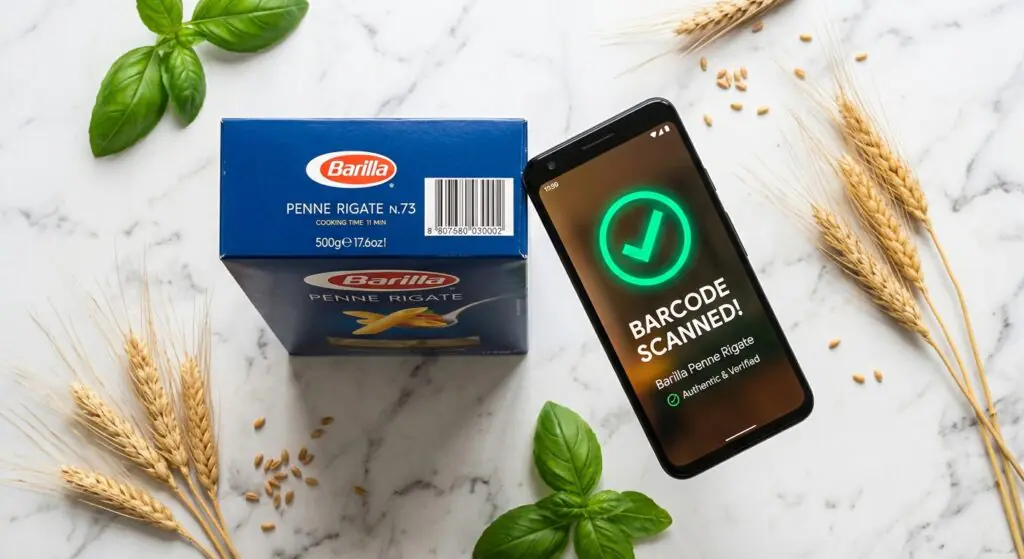
Food Scan Genius is an intuitive mobile app that allows you to scan product barcodes instantly, breaking down complex ingredient lists against your specific dietary needs, sensitivities, and health goals. Instead of guessing whether a pasta blend, sauce, or snack contains hidden fructans or allergens, the app provides instant, easy-to-read insights right on your smartphone screen.
What Real Users Are Saying
“Living with IBS made grocery shopping an absolute chore. I used to spend twenty minutes reading the back of every single pasta box and sauce jar. Since I downloaded Food Scan Genius, I just scan the barcode and instantly know if it fits my low FODMAP limits. It has given me total peace of mind at the store!”
— Sarah M., Verified App User
Ready to take the guesswork out of grocery shopping and protect your digestive health? Don’t let confusing labels dictate what you eat. Download Food Scan Genius today and make every meal safe, simple, and delicious.