Can Kids Safely Eat Barilla Pasta? A Comprehensive Parent’s Guide to Ingredients and Child Nutrition
When standing in the grocery store aisle looking for a quick, comforting meal that children will actually eat, pasta is almost always at the top of the list. Among the most widely recognized pantry staples worldwide is Barilla pasta. For busy parents, feeding kids a simple bowl of spaghetti or penne feels like a safe, foolproof choice. But as consumer awareness around food additives, processing standards, and hidden ingredients grows, many parents find themselves asking a deeper question: Can kids safely eat Barilla pasta, and what is truly inside the box?
Navigating modern grocery store shelves requires looking beyond bright packaging and comforting brand legacy. Whether you are managing picky eaters, checking for potential food sensitivities, or simply trying to provide a balanced diet, understanding everyday food components is essential. In this guide, we will break down what goes into Barilla pasta, evaluate its safety and nutritional profile for children, explore broader trends in food manufacturing safety, and show how tools like Food Scan Genius can transform how you evaluate everyday groceries.
Understanding Barilla Pasta Ingredients: What’s Really in the Box?
To determine if a food product is safe and healthy for children, the first step is always evaluating the ingredient list. Traditional dried pasta is deceptively simple, which is precisely why it has remained a staple across generations. According to product disclosures and independent consumer databases like EWG’s Food Scores for Barilla Pasta, standard Barilla semolina pasta contains minimal ingredients.
- Durum Wheat Semolina: The coarse flour ground from hard durum wheat, which gives pasta its structural integrity and firmness when cooked.
- Water: Combined with semolina during the extrusion and shaping process.
- Vitamin and Mineral Enrichments (in select regions): Iron, niacin, thiamine mononitrate, riboflavin, and folic acid added back to refined grain products to replace nutrients lost during milling.
Unlike highly processed ultra-convenience foods, standard dried Barilla pasta is free from artificial colors, added sugars, and chemical preservatives. However, parents must distinguish between standard dried pasta cuts (like spaghetti, penne, and fusilli) and specialty items such as filled pastas (tortellini or ravioli) or jarred sauces, which often contain dairy, oils, citric acid, or alternative thickeners.
Is Barilla Pasta Safe for Toddlers and Young Children?
From a purely toxicological and macro-nutrient perspective, standard Barilla pasta is safe for children over the age of one who have transitioned to solid foods and can chew safely. Pediatric nutrition guidelines generally endorse pasta as an excellent vehicle for complex carbohydrates, providing steady energy for growing bodies.
However, safety involves more than just the absence of toxins. Parents must account for several critical factors when serving pasta to children:
| Consideration | What Parents Should Know | Best Practice |
|---|---|---|
| Choking Hazards | Long strands of spaghetti or large rigid shapes can pose choking risks for younger toddlers. | Cut pasta into smaller, bite-sized pieces or choose child-friendly shapes like elbows, ditalini, or bowties. |
| Allergenic Profile | Standard Barilla pasta is made from wheat, which is one of the major food allergens regulated by the FDA. | Monitor children closely for signs of wheat allergy or non-celiac gluten sensitivity. |
| Glycemic Impact | Refined white pasta digests quickly, potentially causing blood sugar spikes and quick energy crashes. | Pair pasta with healthy fats (like olive oil) and proteins or opt for Barilla’s whole grain or legume-based alternatives. |
The Broader Context: Food Ingredient Transparency and Safety
The question of whether Barilla pasta is safe for kids highlights a much larger, systemic issue facing modern consumers: the overwhelming complexity of reading and verifying food labels. While a box of plain semolina pasta features a straightforward ingredient deck, shoppers frequently encounter products with ambiguous marketing terms, hidden additives, and complex supply chains.
Regulatory bodies such as the U.S. Food and Drug Administration (FDA) continuously review chemical safety, food additives, and manufacturing standards. Meanwhile, consumer advocacy groups regularly raise awareness regarding discrepancies between product marketing and actual formulation—such as class action lawsuits involving misleading origin labeling or preservative disclosures. Furthermore, periodic food safety recalls affecting the broader supply chain—ranging from bacterial contamination in ready-to-eat meals to foreign material alerts—reinforce that vigilance is required at every stage of food procurement.
For parents and health-conscious individuals, keeping up with these shifts can feel exhausting. How can you be certain that the food you put in your shopping cart aligns with your family’s nutritional standards and safety requirements?
How Food Scan Genius Solves Modern Dietary Challenges
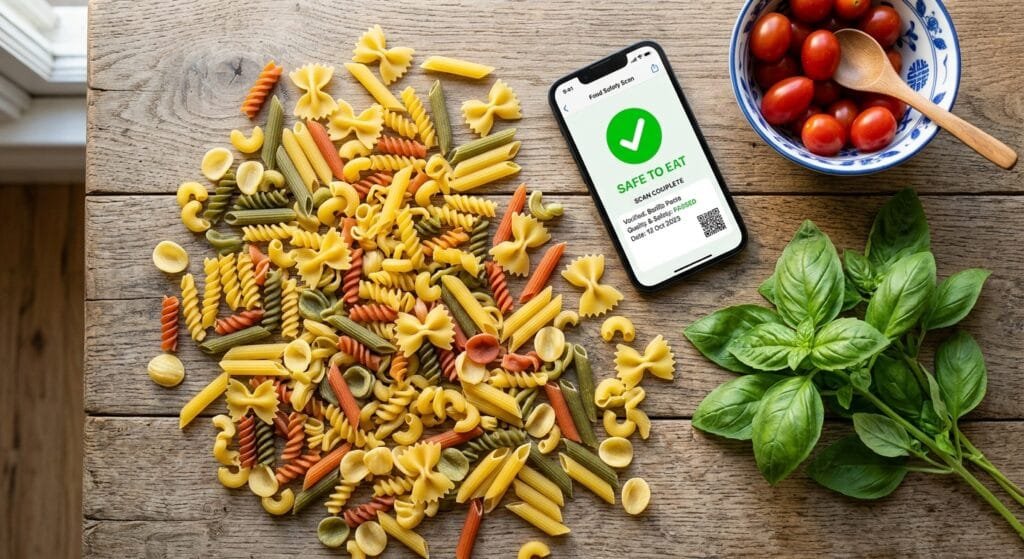
Understanding food labels shouldn’t require a degree in food chemistry. This is where advanced digital tools bridge the gap between complex packaging and consumer peace of mind. The Food Scan Genius app is designed to empower shoppers by instantly analyzing product barcodes and ingredient lists against individual health profiles, dietary restrictions, and safety databases.
Whether you are checking for hidden allergens, evaluating processing levels, or ensuring a product is free from ingredients you prefer to avoid, Food Scan Genius streamlines the decision-making process right in the grocery aisle. Instead of squinting at microscopic text on the back of a box, users can scan and receive clear, actionable insights in seconds.
Real User Experiences
“As a mother of three with one child sensitive to wheat and another with severe dairy restrictions, grocery shopping used to give me immense anxiety. I spent half my time in the store researching labels on my phone. Since downloading Food Scan Genius, I simply scan items while walking down the aisle. It has taken the guesswork out of feeding my family and gives me absolute confidence in what’s on our plates.” — Sarah M., Parent and App User
Frequently Asked Questions (FAQ)
1. Does Barilla pasta contain dairy or eggs?
Standard dried Barilla pasta (such as spaghetti, penne, and rigatoni) is made exclusively from durum wheat semolina and water, meaning it is naturally dairy-free and egg-free. However, Barilla’s filled pasta lines, like tortellini, do contain dairy. Always check the allergen advisory statement on the package.
2. Is whole grain Barilla pasta better for kids than regular pasta?
Barilla Whole Grain pasta provides significantly more dietary fiber and micronutrients than traditional refined semolina pasta, helping maintain steadier energy levels and supporting healthy digestion in children.
3. Can children with gluten sensitivities eat Barilla pasta?
Standard Barilla pasta contains wheat and is not safe for individuals with celiac disease or wheat allergies. However, Barilla offers a certified gluten-free pasta line made from a blend of corn and rice flour specifically formulated for those with gluten intolerances.
4. How can I check for hidden additives in packaged foods quickly?
Using a dedicated mobile tool like Food Scan Genius allows you to scan food barcodes instantly to decode complex ingredient labels and detect allergens or additives tailored to your family’s specific health needs.
Conclusion
Feeding children wholesome, safe food is one of a parent’s most fundamental responsibilities. Standard Barilla pasta remains a reliable, uncomplicated choice for family meals when chosen according to your child’s nutritional and developmental needs. Yet, as the broader food landscape grows increasingly complex, staying informed about ingredients, manufacturing standards, and potential allergens is more important than ever.
By combining mindful grocery shopping habits with powerful digital assistance, you can clear away the confusion of modern food labeling. Ready to take complete control of your family’s nutrition? Head over to Food Scan Genius today, download the app, and make every trip to the grocery store transparent, safe, and stress-free.