1. The Hidden Complexities of Buying Authentic Cheese from the Netherlands
Few culinary experiences rival the rich, buttery complexity of authentic cheese from the netherlands. From crystalline, aged Boerenkaas and creamy young Gouda to piquant Leyden studded with cumin seeds and waxy, spherical Edam, Dutch cheesemaking represents centuries of agricultural mastery. However, navigating the specialty cheese case or international supermarket aisle in 2026 presents unexpected landmines for health-conscious shoppers, pregnant women, and families managing strict dietary restrictions. The journey of traditional Dutch dairy from low-lying polder pastures to your family’s table involves a labyrinth of regulatory classifications, processing variations, and labeling shifts that can turn an innocent culinary indulgence into an acute health hazard.
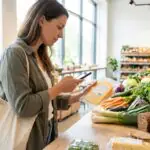
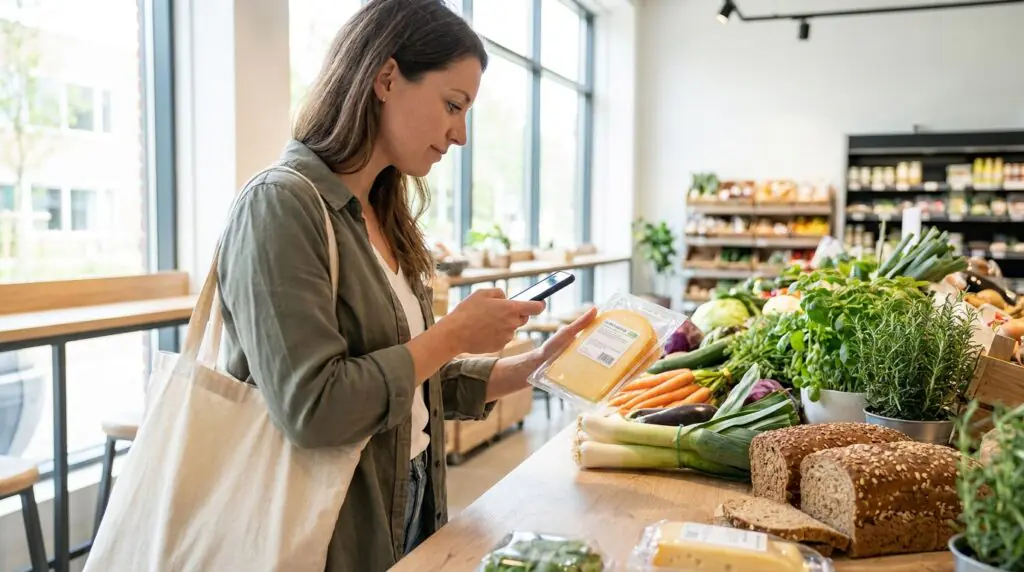
For consumers navigating food allergies, gut dysbiosis, histamine intolerance, or ethical dietary choices, purchasing imported cheese often feels like an exercise in high-stakes guesswork. While the FDA Food Allergen Labeling & Consumer Protection Act (FALCPA) mandates clear disclosure of primary allergens such as milk on domestic packaging, it frequently falls short when applied to secondary processing aids, preservative rinds, and complex microbial cultures found on European import labels. Many consumers pick up a wedge wrapped in clear plastic, confronted only by an untranslated EAN barcode, an abbreviated Dutch or French ingredient registry, or an ambiguous sticker applied hastily by a third-party distributor that strips away critical sub-ingredient details.
Furthermore, European production standards govern additive usage under distinct regional guidelines. While the European Food Safety Authority (EFSA) Additive Safety Regulations closely monitor substances permitted in conventional cheesemaking, the chemical realities of aging and shelf preservation do not always align with your household’s biological needs. When shoppers are forced to manually decipher foreign numbers, distinguish between artisan raw milk and factory-pasteurized wheels, or isolate animal-derived enzymes from vegetarian microbial cultures, the result is decision fatigue, anxiety, and all too frequently, adverse physical reactions.
Scan Any Label for Hidden Additives and Allergens — Free
Never second-guess confusing grocery labels again. Download Food Scan Genius to uncover hidden additives, toxic dyes, and allergens for the whole household before you buy.


2. The Science of Dutch Dairy: Sneaky Additives, Rind Treatments, and Labeling Loopholes
To the untrained eye, authentic Dutch cheese appears to consist of just four ingredients: milk, bacterial starter cultures, rennet, and salt. Yet industrial manufacturing and long-distance export requirements often introduce chemical additives, synthetic treatments, and fermentation anomalies that never appear prominently on front-of-package claims. Understanding what lies beneath the iconic wax rind requires examining the scientific realities of mass commercial production.
- Sodium Nitrate (E251) and Potassium Nitrate (E252): In large-scale Dutch curd production, nitrates are routinely added to milk to inhibit late blowing caused by anaerobic spore-forming bacteria (such as Clostridium tyrobutyricum). While nitrates prevent gaseous structural collapse during ripening, they convert into nitrites during fermentation, raising gastrointestinal sensitivities and inflammatory concerns for vulnerable shoppers.
- Natamycin (E235) Antifungal Rind Washes: Widely utilized across export-grade Gouda and Edam, natamycin is an antimycotic agent applied directly to the surface of cheese wheels to prevent surface mold. Although considered safe by industrial processors when rind guidelines are observed, home cooks regularly cross-contaminate cheese pastes when slicing through treated rinds, introducing synthetic antimicrobials that recent PubMed Research on Ultra-Processed Foods & Gut Microbiome Disruption associates with disturbances in delicate gut microflora.
- Inedible Polyvinyl Acetate Plastic Emulsion Rinds: Traditional Boerenkaas and industrial wheels are often coated in a breathable, non-edible plastic dispersion based on polyvinyl acetate. Importers frequently fail to translate warning warnings like “korst niet eetbaar” (rind not edible), leading consumers to accidentally ingest micro-doses of industrial polymers that should never enter the digestive tract.
- Traditional Animal Rennet (Chymosin) vs. Microbial Enzymes: Strict vegetarians, halal, and kosher consumers are regularly blindsided by authentic Dutch designations. A cheese labeled Boerenkaas (farmhouse cheese) legally requires the use of raw milk and traditional calf-stomach rennet, whereas supermarket varieties may use bio-engineered microbial coagulants. Standard import stickers rarely distinguish these enzyme sources transparently.
- Annatto (E160b) and Beta-Carotene Shade Variations: To achieve the iconic golden hue associated with grass-fed Dutch dairy, producers frequently integrate annatto seed extracts or synthetic carotenoids. Annatto is a well-documented trigger for non-IgE food hypersensitivities, pediatric skin flares, and idiopathic urticaria, yet it slips past general dairy labeling undetected.
- Saturated Fat Densities and Sodium Spikes: Traditional aged cheeses accumulate dense concentrations of sodium chloride and lipids during brining and extended aging. Without clear contextual tracking aligned with the World Health Organization Guidelines on Healthy Diets & Saturated Fats, consumers managing cardiovascular, renal, or hypertensive conditions can unknowingly exceed daily limits in a single small portion.
3. Food Scan Genius vs. Legacy Methods: Precision Dutch Dairy Auditing
| Feature / Capability | Food Scan Genius | Manual Label Reading | Simplistic Rating Apps (e.g. Yuka) | Paywalled Apps (e.g. Fig / Spoonful) |
|---|---|---|---|---|
| Global Barcode Database & AST Parsing | NutriGraph (5M+ barcodes, deep sub-ingredient recursive parsing) | None; vulnerable to foreign terminology & tiny print | Surface-level UPC parsing; frequently fails on imported Dutch EANs | Decent parsing, but blocked behind subscription paywalls |
| Core Platform Cost | 100% Free Core Power (Zero Paywalls) | Free, but costs immense time and elevated error risk | Freemium model with continuous paid upgrade nudges | $59/year or restricted to limited free scans per month |
| Custom Sensitivity Customization | 39 Dietary Profiles + Custom Sensitivities (natamycin, nitrates, rennet type) | Mental tracking prone to oversight | Static algorithms with rigid, non-customizable criteria | Preset tags, limited granular chemical custom entries |
| Multi-Household Screening | Simultaneous Multi-Profile Screening with named fail attribution | Impossible to cross-check efficiently for multiple people | Single-user evaluation only | Profiles locked behind expensive multi-tier subscription upgrades |
| Multilingual Translation | Real-time dynamic translation across 11 global languages | Requires external translation apps | Limited or absent localization for European EANs | Primarily localized to US domestic markets |
The technological architecture behind Food Scan Genius completely transforms how consumers evaluate artisanal and commercial imported goods. Powered by the enterprise-grade NutriGraph Database of over 5 million verified UPC and EAN barcodes, our scanner does not merely match text strings; it executes deep sub-ingredient recursive Abstract Syntax Tree (AST) parsing. When you scan an imported wedge of Gouda, Edam, or Maasdam, the system decompiles cryptic regulatory notations, identifying whether ‘preservative’ refers to naturally derived salt or surface-bound natamycin, and whether coagulants originate from vegetable sources or traditional veal calf rennet.
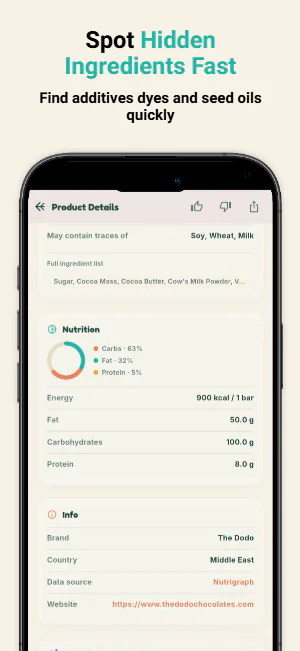
Rather than relying on simplistic, punitive scores that arbitrarily label an entire category ‘bad’ due to naturally occurring dairy fats, the proprietary ScanGenius AI Insight delivers transparent, nuanced context. It harmonizes internationally recognized frameworks—including the NOVA 1–4 food processing classification and official Nutri-Score standards—alongside personalized biometric rules. If you are scanning for a multi-generational dinner, our Multi-Household Family Profiles screen everyone simultaneously in a single two-second pass, providing clear, unmistakable attribution (such as “Safe for Sarah, Fails for Leo (Histamine/Aged Dairy), Fails for Sri (Animal Rennet)”). By pairing these enterprise diagnostics with 100% Free Core access and 11-language real-time translation, consumers can navigate European specialty markets with effortless clinical confidence.
4. Related Food Safety & Dietary Guides
- Best Food Allergy Scanner App – Scan Food Labels Instantly — Food Allergy & Sensitivity Scanner Hub
- The 7 Best Free Food Scanner Apps of 2026 — best free food scanner apps
- Choosing the Best Barcode Scan App for Your Health — guide to choosing a barcode scanner app
- Food Scan Genius: World’s #1 Food Ingredient Scanner App — Food Scan Genius scanner app
5. Scientific & Health Authority References
- FDA Food Allergen Labeling & Consumer Protection Act (FALCPA)
- European Food Safety Authority (EFSA) Additive Safety Regulations
- PubMed Research on Ultra-Processed Foods & Gut Microbiome Disruption
- World Health Organization Guidelines on Healthy Diets & Saturated Fats
6. How to Scan in 3 Simple Steps
- Step 1: Download the 100% free Food Scan Genius app on your iOS or Android device—no credit cards, paywalls, or scan limits.
- Step 2: Set up your household profiles, selecting from 39 clinical diets or entering custom sensitivities like ‘Natamycin’, ‘Sodium Nitrate’, or ‘Animal Rennet’.
- Step 3: Point your camera at any European EAN or imported UPC barcode on the cheese packaging to receive a comprehensive sub-ingredient audit in under 2 seconds.
Personalized Match & AI Insight
7. Frequently Asked Questions (FAQ)
Can Food Scan Genius detect whether cheese from the Netherlands is made with raw or pasteurized milk?
Yes. Food Scan Genius utilizes the NutriGraph Database and recursive sub-ingredient parsing to detect production qualifiers such as ‘Boerenkaas’ (farmhouse cheese, which legally mandates unpasteurized raw milk in the Netherlands) versus ‘Fabriekskaas’ (factory-made pasteurized cheese). If pregnancy or immunocompromised dietary profiles are active, the app flags unpasteurized milk formulations instantly.
How does Food Scan Genius identify non-vegetarian rennet in imported Dutch Gouda?
Traditional Dutch cheesemaking utilizes animal rennet derived from calf stomach mucosa, often labeled cryptically on imported packaging as ‘stremsel’, ‘rennet’, or ‘coagulating enzymes’. Food Scan Genius scans the sub-ingredient tree down to the enzyme level, determining whether the coagulant is microbial/vegetable or animal-based, ensuring strict adherence to vegetarian, halal, or kosher profiles.
Are the plastic rinds on Dutch cheeses dangerous, and does the app alert users to them?
Many imported wheels of Gouda, Edam, and Maasdam feature an inedible protective coating composed of polyvinyl acetate plastic emulsion, often combined with the antifungal agent natamycin (E235). Food Scan Genius parses European additive indicators and provides actionable ScanGenius AI Insight, alerting you when a product’s outer perimeter must be fully excised before consumption.
Why do some cheese wedges from the Netherlands lack standard US nutritional fact panels?
Cheeses imported directly from the EU or repackaged at specialty delis often carry European EAN-13 barcodes displaying Dutch, French, or German text rather than standard FDA nutrition tables. Food Scan Genius bridges this gap with built-in real-time translation across 11 global languages, cross-referencing European databases to deliver instantaneous ingredient audits and NOVA classifications.
Know What’s In Your Food Before You Buy — Scan Free Today
Never second-guess confusing grocery labels again. Download Food Scan Genius to uncover hidden additives, toxic dyes, and allergens for the whole household before you buy.