1. Why Choosing Gluten Free Noodles Is Harder Than It Looks in 2026
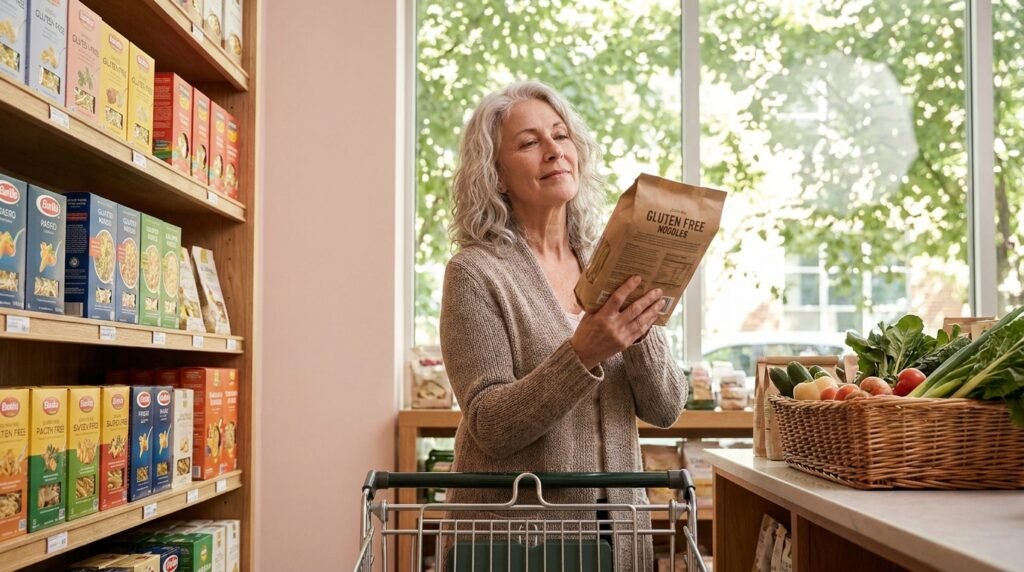
If you have ever stood in a pasta aisle holding three boxes of gluten free noodles, wondering which one won’t dissolve into mush, you are not alone. Noodles are one of the hardest foods to replace. Wheat gluten gives pasta its bite, its elasticity, and its ability to survive a pot of boiling water. Take it away and manufacturers must rebuild that structure from rice, corn, legumes, buckwheat, or starches. The results range from excellent to gluey, and the price gap between them can be surprising.
For people with celiac disease, the stakes are higher than a disappointing dinner. Even trace gluten can trigger an autoimmune response, so a noodle that tastes perfect but carries cross-contact risk is not a good noodle. The Celiac Disease Foundation Threshold Requirements reflect the widely recognized standard that products labeled gluten free should contain less than 20 parts per million of gluten. Knowing that number is useful, but it does not tell you how to judge a specific box at 6 p.m. with hungry people waiting.
Gluten free shoppers also face a quieter problem. Many gluten free noodles lean on refined starches, gums, and emulsifiers to mimic wheat’s texture, which puts them in the ultra-processed category. This is not a reason for panic, and it does not mean you should avoid them. It is a reason to read carefully. PubMed Research on Ultra-Processed Foods & Gut Microbiome Disruption is an active area of study, and many people with celiac disease or non-celiac gluten sensitivity are already managing gut health closely.
So the frustration is justified. You are balancing safety, flavor, texture, budget, and ingredient quality all at once, usually while squinting at tiny print. Below, we break down what to look for in each noodle type, which formats tend to deliver the best value, and how to confirm any product in seconds rather than gambling on the front-of-box claims.
Scan Any Label for Hidden Additives and Allergens — Free
Never second-guess confusing grocery labels again. Download Food Scan Genius to uncover hidden additives, toxic dyes, and allergens for the whole household before you buy.


2. Sneaky Ingredients and Labeling Gaps in Gluten Free Noodles
The best gluten free noodles depend on what you are cooking. Brown rice and corn-rice blend spaghetti, from brands such as Jovial, Tinkyada, and Barilla’s gluten free line, generally offer the most familiar wheat-like bite for the lowest price. Chickpea and lentil pastas, such as Banza, add protein and fiber but have a distinct flavor and usually cost more. For Asian dishes, rice vermicelli, flat rice noodles, and sweet potato glass noodles are naturally gluten free and inexpensive. Shirataki (konjac) is very low in calories and carbohydrates, but its texture is polarizing. Formulations change often, so treat every brand name here as a starting point and verify the current label.
Whatever you choose, these are the places where gluten free noodles most often go wrong:
- Soba that isn’t really buckwheat: Many soba noodles blend buckwheat with wheat flour for easier handling. Only noodles made from 100% buckwheat and processed in a gluten-safe facility are appropriate.
- Cross-contact in shared facilities: A noodle made from rice can still pick up gluten if it shares lines with wheat pasta. Look for third-party certification, not just a clean ingredient list.
- Oats and uncertified grains: Oat-containing noodle blends can carry cross-contact from fields and mills unless the oats are certified gluten free.
- Seasoning packets and sauces: Instant and ready-to-eat noodles often include soy sauce (typically brewed with wheat), hydrolyzed wheat protein, or malt extract in the flavor sachet, even when the noodle itself is rice-based.
- Wheat starch labeling differences: Some regions permit specially processed wheat starch in products labeled gluten free, provided the final product meets the threshold. Strict shoppers may want to avoid it altogether.
- Gums, emulsifiers, and frying oils: Xanthan gum, guar gum, and mono- and diglycerides help build texture, while instant noodles are often fried in palm oil. The European Food Safety Authority (EFSA) Additive Safety Regulations explain how these additives are evaluated. Fried formats also raise saturated fat considerations, which the World Health Organization Guidelines on Healthy Diets & Saturated Fats address.
None of these is a reason to give up noodles. They are reasons to check the actual product in your hand, including its sub-ingredients, because a short front-label claim rarely tells the whole story.
3. Food Scan Genius vs. Other Ways to Vet Gluten Free Noodles
| Feature | Food Scan Genius | Fig | Spoonful | Manual Label Reading |
|---|---|---|---|---|
| Cost | 100% free core features, no paywalls | $59/yr | Limited scans | Free, but time-consuming |
| Database and ingredient depth | NutriGraph: 5,000,000+ verified UPC/EAN barcodes with recursive sub-ingredient parsing | Varies by product | Varies by product | Only what you can read and interpret |
| Dietary profiles | 39 profiles plus custom sensitivities | Preset profiles | Preset profiles | Whatever you remember |
| Family screening | Multi-household profiles with named results, such as "Fails for Sri (Gluten)" | Not a core focus | Not a core focus | One person at a time |
| Languages | 11 languages with real-time in-app translation | Limited | Limited | Requires translating labels yourself |
Most gluten free noodle mistakes happen in the layers beneath the ingredient list. A seasoning sachet lists "flavor base," which breaks down into soy sauce, which breaks down into wheat. Food Scan Genius is powered by the NutriGraph Database, which uses recursive parsing to unpack compound ingredients into their sub-ingredients, so a hidden gluten source is surfaced rather than buried. Your profile is checked against that full structure in about two seconds, and the result is saved as an audit trail you can revisit.
We also avoid reducing food to a single good-or-bad score. ScanGenius AI Insight explains why a product matched or failed your profile, adds NOVA 1-4 classification and Nutri-Score, and gives context. A chickpea noodle might pass for gluten but be flagged as more processed than a plain rice noodle, and you decide what matters. If you want to avoid seed oils, a specific dye, or a particular gum, you can add it as a custom sensitivity, and every future scan will respect it.
4. Related Food Safety & Dietary Guides
- Best Food Allergy Scanner App – Scan Food Labels Instantly — Food Allergy & Sensitivity Scanner Hub
- The 7 Best Free Food Scanner Apps of 2026 — best free food scanner apps
- Choosing the Best Barcode Scan App for Your Health — guide to choosing a barcode scanner app
- Food Scan Genius: World’s #1 Food Ingredient Scanner App — Food Scan Genius scanner app
5. Scientific & Health Authority References
- Celiac Disease Foundation Threshold Requirements
- European Food Safety Authority (EFSA) Additive Safety Regulations
- PubMed Research on Ultra-Processed Foods & Gut Microbiome Disruption
- World Health Organization Guidelines on Healthy Diets & Saturated Fats
6. How to Scan in 3 Simple Steps
- Download Food Scan Genius free on iOS or Android. There are no paywalls on core features, and you can choose from 11 languages with real-time in-app translation.
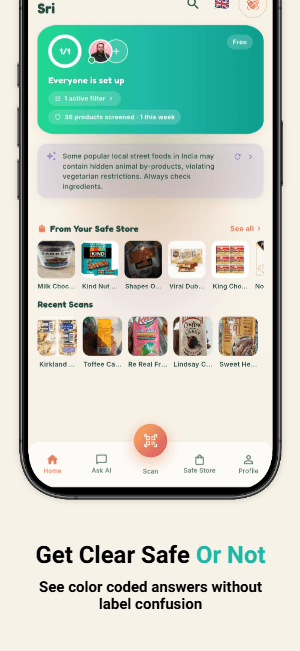
- Set up your profile: select Gluten-Free from the 39 supported dietary profiles, then add custom sensitivities such as oats, specific gums, or seed oils. Create named household profiles so one scan checks everyone at your table.
- Scan the barcode on any noodle box, instant cup, or sauce packet. In about two seconds you get an instant pass or fail with named attribution (for example, "Fails for Sri (Gluten)"), ScanGenius AI Insight, NOVA class, Nutri-Score, and a saved audit trail.
Instant Gluten-Free Audit Trail
7. Frequently Asked Questions (FAQ)
What are the best gluten free noodles for taste and texture?
For classic spaghetti-style dishes, brown rice and corn-rice blends are usually the closest to wheat pasta and tend to be the most affordable. Chickpea and lentil noodles offer more protein and fiber with a distinct flavor. For Asian recipes, rice vermicelli and sweet potato glass noodles work well. Recipes and formulations change, so scan each product with Food Scan Genius to confirm it matches your gluten free profile before buying.
Is soba a gluten free noodle?
Not necessarily. Despite the buckwheat name, many soba noodles contain wheat flour. Only soba made from 100% buckwheat and produced in a facility that prevents cross-contact is suitable for celiac disease. Food Scan Genius reads sub-ingredients from the barcode and will flag wheat content, helping you avoid a common mistake.
Are gluten free noodles more processed than regular pasta?
Often, yes. Many rely on starches, gums, and emulsifiers to replicate gluten’s structure, which can push them to a higher NOVA group. Simple rice noodles with only rice and water sit lower. Food Scan Genius shows the NOVA 1-4 classification and Nutri-Score for each product, plus ScanGenius AI Insight context, so you can compare options without moralizing or oversimplified grades.
Can I check my whole family’s dietary needs with one scan?
Yes. Food Scan Genius supports multi-household family profiles, so one scan screens a noodle product against everyone’s needs. If a household member with celiac disease is affected, the result names them, for example "Fails for Sri (Gluten)." That makes it easier to choose a single meal that works for all, and the core feature set is free with no paywalls.
Know What’s In Your Food Before You Buy — Scan Free Today
Never second-guess confusing grocery labels again. Download Food Scan Genius to uncover hidden additives, toxic dyes, and allergens for the whole household before you buy.