1. The Dairy Aisle Dilemma: Why Finding True High-Protein Greek Yogurt Is Exhausting
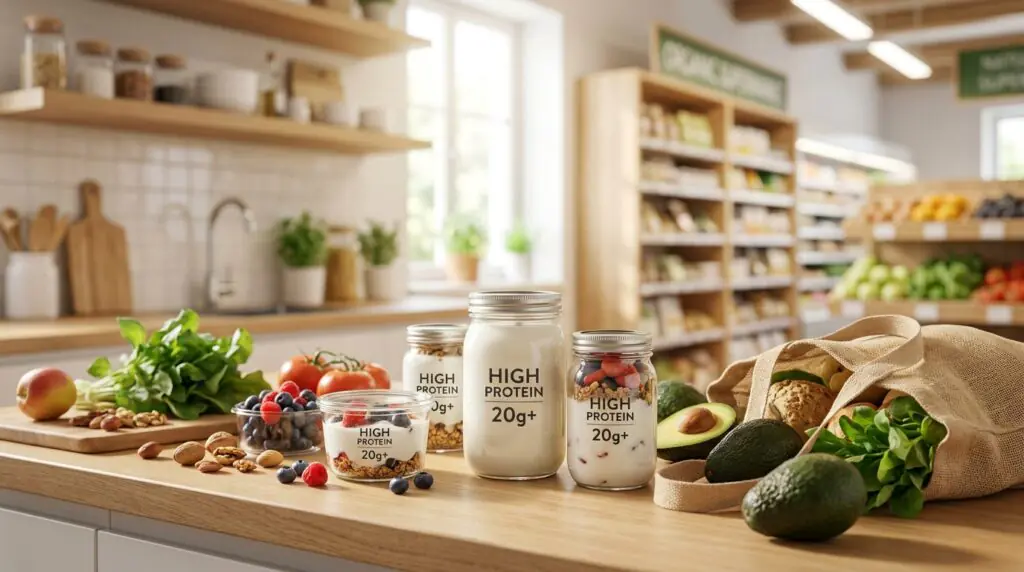
Standing in front of the refrigerated dairy case in modern supermarkets can feel like navigating an exercise in sensory overload. Dozens of brands brandish vivid banners of ‘Authentic Greek,’ ‘Triple Zero,’ ‘Probiotic Rich,’ and ‘High Protein,’ yet turning the tub around reveals an entirely different story. For fitness enthusiasts aiming for lean muscle synthesis, bariatric patients requiring high-density nutrition, or busy parents striving to fuel their families, pinpointing the greek yogurt with highest protein has transformed from a simple grocery trip into a forensic investigation. You are forced to juggle varying serving sizes—ranging from arbitrary 150-gram snack pots to standard 170-gram (6-ounce) or 227-gram (8-ounce) cups—making mental protein-density math nearly impossible under harsh fluorescent grocery store lights.
The frustration intensifies when you realize that not all protein grams are created equal, nor are the vehicles delivering them. Many commercial dairy processors take shortcuts to chase macro-conscious consumers, replacing the time-honored, expensive centrifugal straining process with cheap industrial shortcuts. When scanning for clean nutrition, health-conscious shoppers are frequently blind-sided by rogue saturated fat spikes or covert additions of artificial sweeteners that undermine metabolic health. According to the World Health Organization Guidelines on Healthy Diets & Saturated Fats, balancing nutrient density while minimizing harmful dietary components is essential to long-term cardiovascular resilience. When a dairy tub advertises 20 grams of protein but hides excessive saturated fat or synthetic texturizers, it betrays the fundamental health goals of the shopper.
Furthermore, food safety and allergen cross-contact add high-stakes friction to this hunt. Many flavored and high-protein yogurts are processed in co-manufacturing facilities where tree nuts, soy, or gluten-containing inclusions (like cookie crumbles or granola cups) are handled. Under the FDA Food Allergen Labeling & Consumer Protection Act (FALCPA), major food allergens like milk must be clearly declared, but subtle derivative additives or processing aids introduced during rapid formulation shifts often escape casual consumer observation. Shoppers deserve an empathetic, clinical-grade lens to instantly cut through the marketing noise, separate genuine concentrated dairy proteins from industrially patched impostors, and guarantee that their breakfast supports their wellness rather than sabotaging it.
Scan Any Label for Hidden Additives and Allergens — Free
Never second-guess confusing grocery labels again. Download Food Scan Genius to uncover hidden additives, toxic dyes, and allergens for the whole household before you buy.


2. The Science of Straining: Deceptive Labeling, Thickeners, and Protein Fortification Loopholes
Authentic Greek yogurt achieves its thick texture and soaring protein density through a mechanical straining process that expels the liquid acid whey. By removing this watery byproduct, traditional dairies concentrate the casein proteins and cultured milk solids, naturally yielding between 15 to 22 grams of protein per 170-gram serving. However, true straining is economically costly; it requires roughly three to four times the volume of raw milk to produce a single cup of authentic strained yogurt. To bypass this overhead, industrial processors manufacture what regulatory bodies classify as ‘Greek-style’ yogurt—an unstrained standard milk base artificially bulked up to mimic the viscosity and macronutrient profile of true strained curd.
This industrial short-circuiting introduces an array of additives, texturizers, and chemical modifiers that can provoke gastrointestinal distress and dilute biological protein quality. Clinical data spotlighted in PubMed Research on Ultra-Processed Foods & Gut Microbiome Disruption highlights how emulsifiers and synthetic thickeners can erode the protective intestinal mucosal barrier, exacerbating micro-inflammation and triggering symptoms in individuals with sensitive guts or Irritable Bowel Syndrome (IBS). Meanwhile, novel additives and non-nutritive sweeteners utilized to mask the off-flavors of dried dairy powders remain subject to ongoing safety reviews by the European Food Safety Authority (EFSA) Additive Safety Regulations.
When hunting for the pure greek yogurt with highest protein, watch out for these six deceptive tactics and industrial ingredients:
- Milk Protein Concentrate (MPC) & Whey Isolates: Rather than straining milk, manufacturers blend ultra-filtered dry powders directly into unstrained milk. While this inflates the protein gram count on the Nutrition Facts panel, it strips the product of traditional fermented mouthfeel and may cause digestive distress for those sensitive to concentrated dairy fractions.
- Modified Food Starch and Pectin: Used to artificially recreate the spoon-standing viscosity of real strained Greek yogurt without the actual concentrated milk solids. These added carbohydrates elevate total carbs and glycemic response.
- Hydrocolloid Gums (Guar Gum, Locust Bean Gum, Xanthan Gum): Stabilizing agents added to prevent syneresis (water separation) in unstrained, high-water yogurts. They can trigger bloating, gas, and gastrointestinal transit disturbances in sensitive consumers.
- Gelatin: A cheap animal-derived collagen byproduct utilized to induce artificial firmness in faux-Greek lines, instantly making the product unsuitable for vegetarians without explicit front-of-package notification.
- Industrial Non-Nutritive Sweeteners (Acesulfame Potassium, Sucralose, Aspartame): Frequently dumped into ‘zero sugar’ high-protein tubs to overpower the bitter, chalky aftertaste of powdered protein isolates, with potential consequences for gut microbiota homeostasis.
- Reconstituted Milk Solids & Skim Milk Powder: Re-hydrated dairy residues added to artificially meet minimum solids-not-fat thresholds, allowing manufacturers to cut fresh farm milk usage while technically marketing the product as cultured dairy.
3. Decoding the Dairy Aisle: Food Scan Genius vs. Legacy Methods
| Feature / Capability | Food Scan Genius | Fig App ($59/yr) | Spoonful | Manual Label Inspection |
|---|---|---|---|---|
| Pricing Model | 100% Free Core Access (Zero Paywalls) | Strict $59/year Subscription Wall | Freemium with Limited Monthly Scans | Free, but costs substantial time & cognitive fatigue |
| Database Architecture | NutriGraph (5M+ UPCs with AST sub-ingredient parsing) | Proprietary grocery dataset (crowdsourced updates) | Limited retail database focused on Low-FODMAP | Zero database; relies on human visual memory |
| Dietary Profiles & Custom Filters | 39 Profiles + Custom Sensitivities (Gums, Seed Oils) | Extensive diets, but locked behind subscription | Targeted mainly to Low-FODMAP and specific allergens | Prone to human error and skipped sub-ingredients |
| Multi-Person Household Scanning | Instant Multi-Family Screen with Named Attribution | Single-user profile focus; requires manual profile toggle | No multi-person attribution in 1 scan | Cross-referencing multiple family lists manually |
| Scientific Nuance & Context | ScanGenius AI Insight + NOVA 1-4 + Nutri-Score | Color-coded ingredient flags (Green/Yellow/Red) | FODMAP traffic light system | Requires clinical dietetics expertise to balance tradeoffs |
Navigating the dairy aisle no longer requires endless squinting at fine-print labels or paying exorbitant annual subscription fees just to protect your gut. While apps like Fig lock essential allergy and ingredient safety filters behind a $59-per-year paywall, Food Scan Genius believes that knowing what enters your body is a fundamental human right. Our platform delivers 100% free core power with zero paywalls. Powered by the enterprise NutriGraph Database—spanning over 5,000,000 verified UPC/EAN barcodes—our engine performs recursive Abstract Syntax Tree (AST) parsing. This means it doesn’t just read surface keywords; it disintegrates complex composite ingredient clauses down to parenthetical stabilizers, identifying whether that high-protein tub got its macros from pure strained milk or cheap milk protein concentrates bonded with xanthan gum.
Instead of relying on simplistic, moralizing ‘good vs. bad’ scores that stigmatize real food, our platform deploys ScanGenius AI Insight. You receive nuanced context combining international scientific standards: NOVA 1-4 ultra-processing classification alongside official Nutri-Score indices. Plus, shopping for your entire household is frictionless: our Multi-Household Family Profiles screen an item for everyone in a single, two-second scan. If a tub of high-protein Greek yogurt contains whey processed in a facility with wheat or traces of modified soy lecithin, your scan will instantly flag: ‘Fails for Sri (Gluten).’ With support for 39 dietary profiles, custom sensitivity trackers (allowing you to flag obscure thickeners, gums, or seed oils), and 11 real-time global languages, you can shop with unshakeable clinical confidence in any supermarket across the globe.
4. Related Food Safety & Dietary Guides
- Best Food Allergy Scanner App – Scan Food Labels Instantly — Food Allergy & Sensitivity Scanner Hub
- The 7 Best Free Food Scanner Apps of 2026 — best free food scanner apps
- Choosing the Best Barcode Scan App for Your Health — guide to choosing a barcode scanner app
- Food Scan Genius: World’s #1 Food Ingredient Scanner App — Food Scan Genius scanner app
5. Scientific & Health Authority References
- FDA Food Allergen Labeling & Consumer Protection Act (FALCPA)
- European Food Safety Authority (EFSA) Additive Safety Regulations
- PubMed Research on Ultra-Processed Foods & Gut Microbiome Disruption
- World Health Organization Guidelines on Healthy Diets & Saturated Fats
6. How to Scan in 3 Simple Steps
- Step 1: Download the Food Scan Genius app for free on iOS or Android—no credit card required and zero paywalled features.
- Step 2: Customize your dietary profiles across 39 supported health conditions or add custom sensitivity flags for specific gums, artificial sweeteners, or dairy protein concentrates.
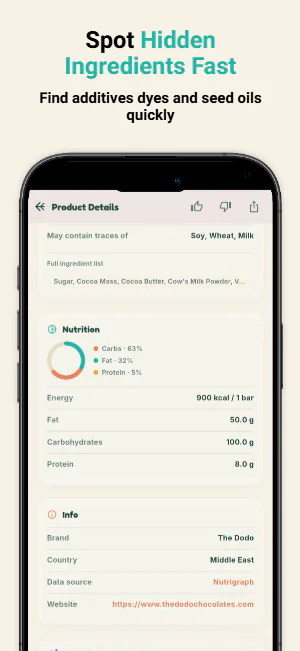
- Step 3: Scan any Greek yogurt barcode in the aisle for an instant 2-second audit trail showing protein-per-serving purity, true strained verification, NOVA classification, and family member safety alerts.
Personalized Match & AI Insight
7. Frequently Asked Questions (FAQ)
Which Greek yogurt brand genuinely has the highest protein per serving?
Among widely available brands, plain non-fat traditional strained Greek yogurts consistently lead the market. Authentic strained varieties like Fage Total 0% deliver approximately 18 grams of protein per 170g serving, while Icelandic Provisions Skyr (an ultra-concentrated cultured dairy closely related to Greek yogurt) can reach up to 19 to 21 grams of protein per serving without thickeners. Food Scan Genius helps you compare protein density per 100g across every brand instantly via barcode scan.
What is the difference between authentic strained Greek yogurt and ‘Greek-style’ yogurt?
Authentic Greek yogurt is naturally concentrated by physically separating and discarding liquid whey through micro-filtration or mechanical spinning, concentrating milk proteins to 15–20g+ per serving using only milk and live active cultures. ‘Greek-style’ yogurt is typically unstrained milk artificially thickened using milk protein concentrate (MPC), gelatin, modified food starch, or pectin. Food Scan Genius analyzes the AST ingredient tree to immediately expose artificial thickeners.
Can people with lactose intolerance safely eat high-protein Greek yogurt?
Generally, yes, but caution is warranted. Because the authentic straining process expels liquid whey, it also removes a significant portion of lactose (the natural milk sugar), leaving traditional Greek yogurt naturally low in lactose compared to standard yogurt. However, if a brand cuts corners by blending unstrained milk with dried milk solids or milk protein concentrates, lactose levels can spike. Using Food Scan Genius, you can screen specifically for lactose sensitivity and ensure the brand is verified safe.
Why do some high-protein yogurts cause digestive distress or bloating?
Digestive upset is often caused not by the dairy itself, but by the ultra-processed texturizers, thickeners, or non-nutritive sweeteners added to low-calorie, high-protein yogurts. Ingredients like guar gum, xanthan gum, chicory root fiber (inulin), and sugar alcohols (erythritol) or synthetic sweeteners (sucralose) can ferment rapidly in the colon, triggering gas, cramping, and bloating. Food Scan Genius flags these additives under its NOVA classification and custom sensitivity features so you can stick to pure, gut-friendly options.
Know What’s In Your Food Before You Buy — Scan Free Today
Never second-guess confusing grocery labels again. Download Food Scan Genius to uncover hidden additives, toxic dyes, and allergens for the whole household before you buy.