Is Cornstarch Gluten-Free? The Ultimate 2026 Safety Guide
The Quick Answer: Is cornstarch gluten-free? Yes. In its pure, natural state, cornstarch is 100% gluten-free. It is extracted exclusively from the endosperm of the corn kernel—a grain that contains zero wheat, barley, or rye. However, severe cross-contact risks frequently occur during industrial processing. Unless a brand explicitly verifies its manufacturing protocols, packaged cornstarch may not be entirely safe for those with celiac disease or severe non-celiac gluten sensitivity.
Let’s talk about trust.
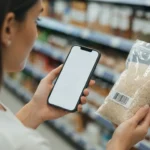
You are standing in the baking aisle, staring down a simple white box. The recipe calls for a thickener. The ingredient label lists a single, solitary item: cornstarch. It looks safe. It feels safe. But when your health—or the health of someone you love—is on the line, feelings aren’t enough. You need absolute certainty.
The grocery aisle isn’t just a marketplace anymore; it’s a minefield of omitted information. To understand whether cornstarch is truly safe, we have to look past the front of the box and examine how our food is actually made.
The Anatomy of a Corn Kernel
To understand why pure cornstarch is safe, you need to understand the grain itself.
Corn is a naturally gluten-free cereal grain. When manufacturers create cornstarch, they wash, steep, and mill the corn to separate the endosperm from the germ and the bran. The result is a fine, powdery carbohydrate. Because the protein structures that trigger autoimmune reactions in celiac patients—specifically gliadin and glutenin—are biologically absent in corn, the raw material is perfectly harmless.
Medical authorities, including the Mayo Clinic, correctly classify pure corn as a safe staple for a gluten-free diet. But there is a massive difference between a raw crop in a field and the boxed powder on your pantry shelf.
The Manufacturing Reality: When “Pure” Gets Contaminated
Here is the truth the food industry rarely advertises: a factory is not a sterile kitchen. It is an enormous, high-volume industrial environment where dust travels.
Many agricultural conglomerates process corn on the exact same milling equipment used for wheat, barley, and rye. A fine cloud of wheat flour lingering in the ventilation system or sitting on a shared conveyor belt is all it takes to contaminate a batch of supposedly pure cornstarch.
According to guidelines established by the FDA.gov, a product can only carry a “Gluten-Free” label if it contains less than 20 parts per million (ppm) of gluten. When a brand of cornstarch lacks this certification, you are gambling with supply chain cross-contact.
Clinical research highlighted in PubMed has repeatedly demonstrated that naturally gluten-free grains carry a remarkably high risk of trace gluten contamination if not grown, transported, and milled under strict dedicated protocols.
The Trap of “Modified Food Starch”
The question of whether cornstarch is gluten-free often gets tangled up with a much more dangerous ingredient: modified food starch.
Food manufacturers alter starches chemically or physically to extend shelf life or withstand extreme temperatures. If an ingredient list explicitly says “modified corn starch,” it adheres to the same safety rules as standard cornstarch.
However, if a label simply reads “modified food starch,” the primary source could easily be wheat. Advocacy groups like FARE (Food Allergy Research & Education) strongly advise consumers to treat ambiguous starch ingredients as hostile until proven otherwise.
How Food Scan Genius Eliminates the Guesswork
You shouldn’t need a degree in agricultural supply chain logistics to make a pot of gravy.
As the CMO of Food Scan Genius, I spend my days looking at the data most consumers never get to see. We didn’t build our app to just read the word “wheat” and give you a red light. That is 2010s technology.
In 2026, the risks are deeper. Food Scan Genius aggressively parses 200+ specific edge-case hidden labels. We analyze facility cross-contamination histories, parent-company sourcing habits, and ambiguous terminology. If a brand of cornstarch is processed in a shared facility that handles wheat flour, our engine instantly flags it. We don’t deal in assumptions. We deal in data, giving you the power of absolute dietary confidence right in your pocket.
Frequently Asked Questions (FAQ)
To leave nothing to chance, let’s explicitly address the most common variations of the question: is cornstarch gluten-free?
Is Argo cornstarch gluten-free?
Yes. Argo Cornstarch is one of the most widely available and trusted brands. It is naturally gluten-free and manufactured in a dedicated facility, making it entirely safe for individuals with celiac disease.
Can celiacs eat cornstarch?
Yes, celiacs can safely consume cornstarch, provided it is sourced from a certified gluten-free facility. Always look for the official certification badge on the packaging to ensure no cross-contact occurred during the milling process, as recommended by the Celiac Disease Foundation.
Does modified cornstarch contain gluten?
No. If the label explicitly specifies “modified corn starch,” the base ingredient is corn, meaning it does not contain gluten. However, if the label only says “modified food starch” without naming the source crop, it may be derived from wheat and should be strictly avoided or scanned for verification.
Is baking powder gluten-free?
Most commercial baking powders are gluten-free because they use cornstarch as the primary anti-caking agent alongside baking soda and cream of tartar. However, a minority of cheap generic brands occasionally use wheat starch. Always verify the label.