You’re in the kitchen, preparing a meal for your family. A stray piece of garlic falls to the floor, and before you can even move, your dog has darted in and swallowed it whole. Your heart seizes in your chest. In that single, terrifying moment of uncertainty, you feel a helplessness that is all too familiar to pet owners. That feeling is precisely why we created Pet Scan Genius. Before you read another word of this article, I want you to take a deep breath and know that clarity and control are coming. Our revolutionary mobile app, launching soon, is designed to eliminate this fear forever by instantly decoding pet food labels for you. The single most important thing you can do for your dog’s safety right now is to visit https://pet.scangeni.us/ and join the exclusive free trial. Secure your place, then come back and let’s unravel the truth about garlic.
The Simple Answer the Internet Tries to Complicate
Let’s cut through the noise, the forums, the well-meaning but dangerously misinformed advice from other pet owners. You came here for a straight answer, and you deserve one.
No, garlic is not safe for dogs.
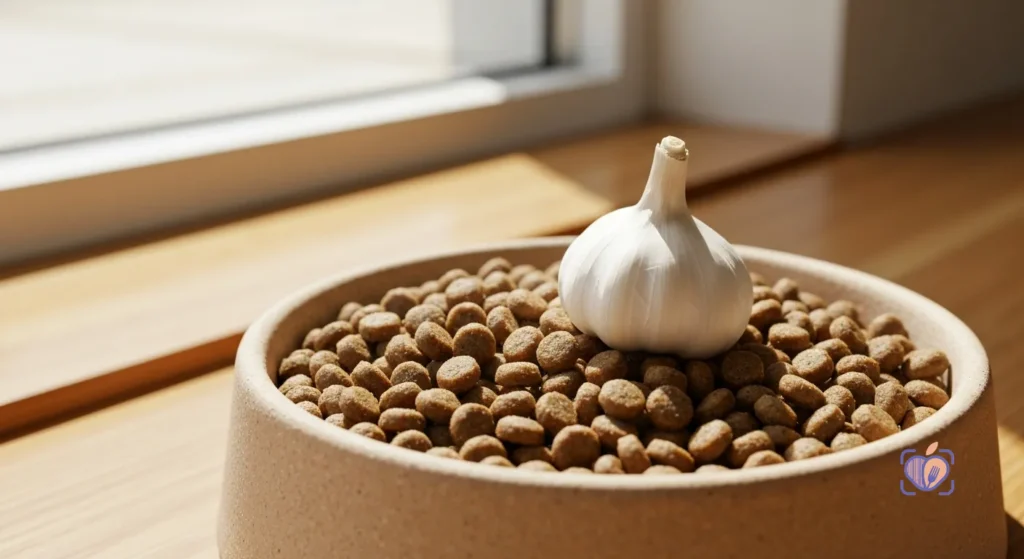
It belongs to the Allium family, alongside onions, leeks, and chives, all of which are poisonous to canines. This isn’t an opinion; it’s a scientific fact backed by the foremost authorities in animal welfare. The ASPCA Animal Poison Control Center explicitly lists garlic as a toxic food for dogs. Similarly, the American Veterinary Medical Association (AVMA) warns pet owners about the dangers of the entire Allium family, noting that it can cause serious damage to your dog’s red blood cells.
Some will argue that the dose makes the poison, that a tiny amount won’t hurt. But this is like saying a little bit of rust on a bridge’s support beam is acceptable. The damage is cumulative, insidious, and often invisible until it’s too late. Why would you ever take that gamble with a member of your family?
The confusion exists because the signs of toxicity aren’t always immediate. The damage can be a slow burn, a gradual weakening of your dog’s vital systems. This ambiguity is where danger thrives. You deserve certainty.
The Anatomy of a Poisoning: How Garlic Wages War on Your Dog’s Body
To truly understand the risk, you need to see what happens inside your dog’s body after they ingest garlic. It’s not a simple stomach ache; it’s a complex and destructive chain reaction at the cellular level. We need to look at this with the seriousness it deserves.
The Science of Toxicity: Thiosulfates and Oxidative Damage
The primary culprits in garlic are compounds called N-propyl disulfides and thiosulfates. While harmless to humans, a dog’s digestive system cannot properly break them down. When these compounds enter the bloodstream, they trigger a process called oxidative damage.
Think of your dog’s red blood cells as smooth, round discs, perfectly designed to carry oxygen from the lungs to every tissue and organ. The oxidants from garlic attack the hemoglobin within these cells—the very molecule responsible for binding to oxygen. This attack forms clumps on the cell membrane, which are now known as Heinz bodies.
The dog’s body, in its attempt to clean up, identifies these damaged cells as invaders. The spleen begins to aggressively destroy them in a process called hemolysis. The result? A catastrophic drop in your dog’s red blood cell count, leading to a life-threatening condition called Heinz body anemia, or hemolytic anemia. Your dog’s body is literally starved of oxygen from the inside out.
Symptoms of Garlic Poisoning: The Silent and The Sudden
The terrifying part of garlic toxicity is that symptoms may not appear for several days. You might think your dog is fine after snatching that clove off the floor, only to be faced with a medical emergency 3-5 days later. It’s crucial to be vigilant and recognize the warning signs, which can range from subtle to severe.
Immediate Gastrointestinal Signs (within hours to a day):
* Vomiting
* Diarrhea
* Abdominal pain and tenderness
* Loss of appetite
* Excessive drooling
* Dehydration
Delayed Signs of Anemia (2-5 days later):
* Lethargy and Weakness: Your once-playful dog may seem tired, depressed, and unwilling to move.
* Pale Gums: Check your dog’s gums. Instead of a healthy pink, they may appear pale, white, or even have a bluish tinge (cyanosis).
* Rapid Breathing (Tachypnea): The body tries to compensate for the lack of oxygen by breathing faster.
* Elevated Heart Rate (Tachycardia): The heart beats faster to try and circulate the diminished supply of oxygenated blood.
* Jaundice: A yellowing of the skin, gums, or whites of the eyes, indicating liver damage as it struggles to process the destroyed red blood cells.
* Red or Brown Urine: This is a sign of hemoglobin being passed through the kidneys, a clear indicator of hemolysis.
* Collapse: In severe cases, the oxygen deprivation can lead to collapse and fainting.
If you observe any of these signs after a known or suspected garlic ingestion, it is a medical emergency. Contact your veterinarian or an emergency animal hospital immediately.
The Dose Makes the Poison: A Dangerous Misconception
Advocates of garlic for dogs often claim it’s safe in small amounts, particularly for flea prevention (a myth we will debunk later). However, the toxic dose is dangerously small. Studies have shown that toxicity can occur with doses as low as 15 to 30 grams of garlic per kilogram of a dog’s body weight.
To put that in perspective, a single clove of store-bought garlic typically weighs between 3-7 grams. For a 10-pound (4.5 kg) dog, just two or three cloves could be enough to trigger a toxic event. Garlic powder is even more concentrated and therefore more dangerous.
Furthermore, some breeds are genetically predisposed to being more sensitive to this oxidative damage, particularly Japanese breeds like the Akita and Shiba Inu. But no dog is immune.
The most insidious danger is not the single large dose, but the cumulative effect of small, repeated exposures. Feeding your dog tiny bits of garlic-seasoned leftovers over weeks or months can lead to chronic, low-grade anemia that slowly degrades their health, leaving them weak, vulnerable, and shortening their precious lifespan.
Long-Term Health Risks: The Silent Damage of Small Doses
Chronic exposure to garlic, even in amounts that don’t cause immediate, dramatic symptoms, places immense strain on your dog’s vital organs. It’s a slow poison that chips away at their well-being.
- Kidney Damage: The kidneys are forced to work overtime to filter the byproducts of destroyed red blood cells from the bloodstream. This sustained stress can lead to chronic kidney disease and eventual failure.
- Liver Stress: The liver is responsible for processing toxins. Constantly metabolizing the harmful compounds in garlic can lead to inflammation and long-term liver damage.
- Compromised Immune System: A dog suffering from chronic anemia is perpetually weakened. Their body is in a constant state of emergency, diverting resources to produce new red blood cells, leaving their immune system less equipped to fight off other infections and diseases.
This is the hidden cost of the “just a little bit” mentality. It’s a slow, silent erosion of the vibrant health you want for your companion.
The Enemy Within: Where Garlic Hides in Your Dog’s Food
You would never intentionally feed your dog poison. But the pet food industry is a labyrinth of confusing labels, misleading marketing, and hidden ingredients. Garlic and other harmful additives are often lurking where you least expect them.
- “Natural Flavors” or “Broth”: This is a common loophole. In wet foods and gravies, vague terms like “chicken broth” or “natural flavor” can legally contain garlic or onion powder to make otherwise unpalatable, low-quality ingredients more appealing to your dog. They don’t have to disclose it.
- Human Leftovers: That piece of steak, the pasta sauce, the roasted chicken—they are almost always cooked with garlic and onions. These seemingly innocent table scraps are a primary source of accidental poisoning.
- “All-Natural” or “Gourmet” Dog Treats: Many boutique or homemade-style treats use human-grade ingredients, which often means they include garlic powder for flavor. The marketing says “healthy,” but the ingredient list tells a different story.
- Cheap Fillers and By-Products: Low-quality kibble often uses cheap, inflammatory fillers like corn and soy. To mask the poor quality, they rely on flavor enhancers, which can include garlic derivatives.
- Artificial Colors and Preservatives: Beyond garlic, labels hide other dangers. Artificial colors like Red 40, Blue 2, and Yellow 5 have been linked to allergic reactions and hyperactivity. Chemical preservatives like BHA, BHT, and ethoxyquin are controversial and have been studied for potential links to cancer.
They Don’t Want You to Understand the Label. We Do.
Let’s be honest. The pet food label is not designed for you. It’s designed for regulatory compliance and marketing. It’s intentionally confusing, filled with scientific jargon, vague descriptions, and ingredient-splitting tricks to make you think you’re buying a premium product. They count on your confusion. They profit from your uncertainty. You’re a busy person trying to do the best for your family, and navigating this world of nutritional science feels like a second job.
This is the problem we are obsessed with solving. That moment of doubt you feel in the pet food aisle, wondering if you’re making the right choice, is what drives us. That’s why we created the Pet Scan Genius mobile app. We believe that protecting your pet shouldn’t require a degree in veterinary nutrition. It should be as simple as pointing your phone. Our app uses advanced AI to scan any pet food or treat label and instantly analyzes it for over 500 toxic additives, allergens, and questionable ingredients specifically for your pet’s profile. It’s a lie detector for the pet food industry, and it fits in your pocket.
Your Peace of Mind is One Scan Away
Stop gambling with your dog’s health. Stop spending hours deciphering confusing labels. Stop the late-night panicked searches. The power to protect your pet is coming, and it will be effortless.
The Pet Scan Genius app is launching very soon. This is your opportunity to be among the first to experience this revolutionary technology. By joining our exclusive free trial, you’ll get premium access, special launch-day offers, and the profound peace of mind that comes from knowing you are making the safest possible choices for your beloved companion.
Don’t wait for a scare. Don’t wait for a tragedy. Take control of your pet’s health today. The decision is simple, the action is clear.
Visit https://pet.scangeni.us/ right now and register for the exclusive launch free trial. It’s the most important click you’ll ever make for your pet’s life.
Frequently Asked Questions
What is a safe dosage of garlic powder for dogs for flea prevention?
This is a persistent and dangerous myth. There is no scientifically proven safe or effective dosage of garlic or garlic powder for flea prevention in dogs. Any amount of garlic carries the risk of causing Heinz body anemia and other health complications. The perceived benefits are anecdotal and are vastly outweighed by the documented toxic risks. For effective and safe flea prevention, please consult your veterinarian about approved medications and treatments.
What are the specific symptoms of Heinz body anemia from garlic in dogs?
The symptoms are a direct result of the destruction of red blood cells and the resulting lack of oxygen in the body. Key signs to watch for, which may appear 2-5 days after ingestion, include extreme lethargy, weakness, pale or white gums, a rapid heart rate, fast and labored breathing, and reddish-brown or orange-tinged urine. In severe cases, a dog may collapse. If you see these symptoms, it is a critical emergency requiring immediate veterinary intervention.
Is garlic safe for dogs with a history of pancreatitis?
No, it is absolutely not safe. Dogs with a history of pancreatitis already have a sensitive and easily inflamed digestive system. Garlic is a known gastrointestinal irritant that can cause vomiting, diarrhea, and abdominal pain. For a dog prone to pancreatitis, ingesting garlic could easily trigger a painful and potentially fatal flare-up of the condition, in addition to the risk of anemia. These dogs require a carefully managed, low-fat diet prescribed by a veterinarian, and ingredients like garlic should always be avoided.
What is the risk of feeding dogs food cooked with garlic and onions?
The risk remains significant. Cooking does not eliminate the toxic thiosulfate compounds in garlic and onions. While the concentration might be slightly reduced, it is not rendered safe. Foods cooked in garlic and onion, such as pasta sauces, stews, or seasoned meats, allow the toxic compounds to leach out and saturate the entire dish. A dog lapping up sauce or eating a piece of meat from such a meal is still ingesting a dangerous amount of the poison, posing a serious risk for both immediate GI upset and long-term anemia.