Is Lays Safe for Lactose Intolerance? The Ultimate Guide to Dairy-Free Chips
Navigating the grocery store snack aisle can feel like walking through a minefield when you live with food sensitivities, dairy allergies, or lactose intolerance. Modern food manufacturing relies heavily on milk-derived additives—such as whey, lactose, skim milk powder, and butterfat—to enhance flavor profiles, even in foods you would never suspect. For anyone trying to buy or consume food safely, a simple craving for a crunchy snack requires a masterclass in reading fine print. Among the most popular snack brands worldwide, Lay’s potato chips often sit at the top of shopping lists. But a vital question remains for millions of consumers: Is Lays safe for lactose intolerance?
The short answer is: It depends entirely on the flavor you choose. While basic varieties are naturally free of milk, many popular and specialty options pack hidden dairy ingredients that can trigger uncomfortable digestive symptoms. Understanding how ingredients are processed, why dairy finds its way into unexpected places, and how to verify product safety can save you from unexpected discomfort.
Understanding Lactose Intolerance vs. Milk Allergies in Snack Foods
Before examining specific chip bags, it is essential to distinguish between a true milk allergy and lactose intolerance, as the distinction dictates how strictly you must avoid cross-contamination and ingredient variants:
- Lactose Intolerance: A digestive disorder where the small intestine does not produce enough lactase, the enzyme responsible for breaking down lactose (the sugar found in milk). Consuming lactose typically results in bloating, gas, cramps, and diarrhea, though small amounts or trace exposure may be tolerable depending on individual thresholds.
- Milk Allergy: An immune system reaction to milk proteins (such as casein or whey). This is a potentially life-threatening condition where even microscopic trace amounts or cross-contamination from shared manufacturing lines can cause severe anaphylaxis, hives, or swelling.
When evaluating snack foods like Lay’s, individuals with lactose intolerance can sometimes tolerate products bearing a “may contain milk” warning because trace cross-contact involves very small quantities of lactose. Conversely, those with a true milk allergy must avoid any product sharing equipment with dairy lines entirely.
Which Lay’s Potato Chip Flavors Are Safe?
The core philosophy of smart grocery shopping is never to assume a product is safe based on its brand name alone. Frito-Lay produces dozens of regional and global flavor variations, meaning ingredient lists shift depending on where you live and the specific product line.
Safe Choices (Typically Dairy-Free)
If you are looking for classic crunch without the risk of lactose distress, certain varieties are generally formulated without milk derivatives:
- Lay’s Classic Potato Chips: Made with just potatoes, vegetable oil, and salt, the classic variant is fundamentally dairy-free. However, consumers must always check labels for occasional manufacturing updates or regional processing shifts. (Note: Frito-Lay issued a limited recall on select Classic Lay’s due to undeclared milk from accidental cross-contact, proving that vigilance is always required).
- Lay’s Lightly Salted Potato Chips: Featuring a reduced sodium content, these maintain a simple potato-oil-salt ingredient profile.
- Lay’s Salt & Vinegar (Standard): Unlike many competing brands or even Frito-Lay’s own kettle-cooked line, standard Lay’s Salt & Vinegar chips in many regions rely on vinegar and sodium acetate rather than dairy powders for their tangy bite. Always double-check the back of the bag, as regional recipes vary.
Flavors That Contain Dairy and Lactose
Many favorite varieties incorporate milk solids, whey, or cultured cream to achieve rich, savory flavor profiles. If you have lactose intolerance, you should steer clear of these options:
- Lay’s Sour Cream & Onion: Packed with skim milk, sour cream, cultured cream, whey, and lactose. This flavor will reliably trigger symptoms for sensitive individuals.
- Lay’s Barbecue (BBQ): Traditional BBQ seasonings frequently utilize whey, buttermilk solids, or milk powder to smooth out the smoky tomato flavor.
- Lay’s Kettle Cooked Salt & Vinegar: While standard Lay’s Salt & Vinegar may be safe, the Kettle Cooked variant often incorporates dairy powders in its seasoning blend. Never interchange regular and kettle-cooked varieties under the assumption that the flavor profile is identical.
The Hidden Dangers: Manufacturing Shifts and Mislabeling
One of the largest systemic challenges in modern food consumption is the fluidity of corporate supply chains and manufacturing updates. Major food conglomerates frequently acquire independent snack brands or adjust production lines, altering the allergen status of beloved snacks overnight. For instance, when major snack companies absorb smaller, formerly vegan or allergen-friendly brands, shared facilities can introduce cross-contamination risks that are difficult to track.
Furthermore, regulatory bodies continually monitor accidental labeling oversights. A prominent example occurred when Frito-Lay issued a recall for select bags of Lay’s Classic Potato Chips due to undeclared milk stemming from manufacturing errors. Events like these highlight a broader consumer reality: trusting front-of-pack marketing claims is no substitute for scrutinizing ingredient labels on every single shopping trip.
How This Applies to Everyday Grocery Shopping and Related Food Issues
The confusion surrounding Lay’s chips mirrors a much larger issue in the packaged food industry. Dairy, soy, gluten, and hidden high-FODMAP additives are routinely tucked into processed items where consumers least expect them. From deli meats and mass-produced rotisserie chickens to supposedly simple vinegars, wines, and spice rubs, animal derivatives and allergens are ubiquitous.
Decoding ingredient labels requires navigating complex chemical terminology. Terms like casein, whey, lactate, sodium stearoyl lactylate, and natural flavors can obscure the true origin of food components. While “natural flavors” are heavily regulated, they can legally harbor complex proprietary mixtures that frustrate shoppers managing strict dietary restrictions. Relying solely on memory or traditional label reading leaves room for human error—especially when grocery shopping while tired, rushed, or browsing new store aisles.
Simplify Your Snack Choices with Food Scan Genius
When you are standing in a crowded grocery aisle trying to determine whether a bag of chips, crackers, or seasoning blend is safe for your digestive system, you need instant clarity. This is where advanced digital tools transform everyday shopping.
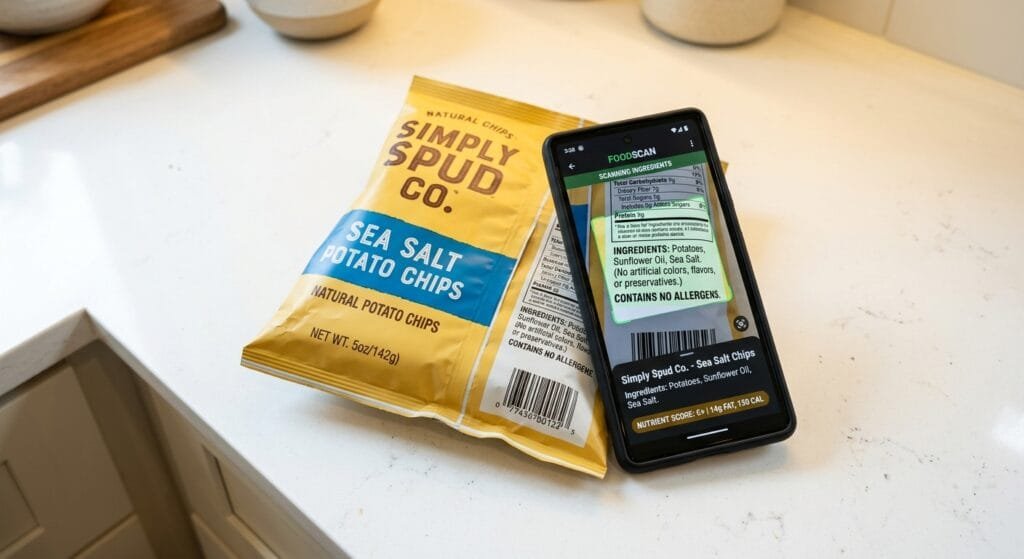
The Food Scan Genius app is designed precisely for individuals managing food sensitivities, allergies, and unique dietary preferences. Instead of squinting at tiny font sizes or guessing whether a cryptic ingredient code contains lactose, you can use the app to scan product barcodes instantly. The platform cross-references live ingredient databases against your specific health profile, providing an immediate, clear safety verdict.
“Living with severe lactose intolerance and food sensitivities used to mean spending twenty minutes reading the back of every single snack bag in the store—and I still made mistakes sometimes. Since I started using Food Scan Genius, grocery shopping is completely stress-free. I just scan the barcode, and the app tells me instantly if it’s safe. It has saved me from countless accidental reactions. I cannot recommend downloading Food Scan Genius enough!” — Sarah M., Verified App User
Frequently Asked Questions
Are all Lay’s potato chips dairy-free?
No. While simple flavors like Lay’s Classic are made without dairy ingredients, savory varieties like Sour Cream & Onion and many Barbecue flavors contain milk, whey, and lactose.
Can people with lactose intolerance eat Lay’s Classic chips?
Yes, standard Lay’s Classic potato chips contain only potatoes, vegetable oil, and salt, making them naturally free of lactose. However, always check the package for any regional formulation changes or rare recall notices regarding cross-contact.
Why do plain potato chips sometimes have milk allergy warnings?
Accidental cross-contamination can occur during large-scale manufacturing if a facility processes multiple flavored chip varieties on shared equipment. This can result in trace amounts of undeclared milk proteins ending up in batches of plain chips.
How can I quickly check if a snack contains hidden dairy?
Using a dedicated mobile tool like the Food Scan Genius app allows you to scan barcodes directly in the grocery aisle, instantly checking product ingredients against your personal dietary restrictions.