1. Why a Pescatarian Diet Meal Plan Is Harder to Shop for Than It Looks in 2026
On paper, a pescatarian diet looks simple: plants, eggs, dairy, and fish or shellfish, with no poultry, beef, or pork. In the grocery aisle, it rarely feels that way. You pick up a carton of vegetable soup and find chicken stock in the ingredient list. You grab a box of crackers, and the fat turns out to be lard. If this has happened to you, you are not careless. Modern labels are dense, and a pescatarian diet meal plan fails most often in the small print.
The emotional side matters too. People choose this way of eating for heart health, environmental values, religious practice, or because a doctor suggested more omega-3 fats. Many are also feeding a household with different needs, such as a teenager who is newly vegetarian, a partner with a shellfish allergy, or a parent managing sodium. Standing in an aisle squinting at 40 ingredients after a long workday is exhausting. That fatigue is a design problem with the food system, not a personal failing.
The clinical context supports the effort. The World Health Organization Guidelines on Healthy Diets & Saturated Fats encourage more vegetables, legumes, whole grains, and unsaturated fats, and fish fits that pattern well. But a pescatarian cart can still fill up with breaded fish sticks, flavored seafood salads, and packaged "meatless" meals that are heavily processed. Research indexed in PubMed Research on Ultra-Processed Foods & Gut Microbiome Disruption is one reason many dietitians now ask shoppers to look at how a food is made, not only whether it contains meat.
That is the gap Food Scan Genius was built to close. Instead of memorizing every animal-derived additive, you can plan your week first and then let a scanner audit each product against your rules. This guide walks through both steps: a practical seven-day structure, and a safer way to fill the cart.
Scan Any Label for Hidden Additives and Allergens — Free
Never second-guess confusing grocery labels again. Download Food Scan Genius to uncover hidden additives, toxic dyes, and allergens for the whole household before you buy.


2. Sneaky Ingredients and Labeling Loopholes That Derail a Pescatarian Diet Meal Plan
A pescatarian diet meal plan depends on knowing where land-animal ingredients hide and where fish and shellfish allergens are not always obvious. These are the most common trouble spots:
- Gelatin: Made from the bones and skin of cattle or pigs, it turns up in gummies, marshmallows, yogurts, some protein bars, and soft-gel capsules. It is not a fish product unless the label specifically says so.
- Lard and tallow: These animal fats can appear in pie crusts, flour tortillas, refried beans, biscuits, and some crackers. They are often listed simply as "shortening" or in a sub-ingredient line.
- Meat stocks and broths in "vegetable" products: Soups, rice mixes, bouillon cubes, and sauces may contain chicken or beef stock, or flavorings made from them. A front-of-pack claim like "garden fresh" tells you nothing about the base.
- Animal rennet in cheese: Some traditional cheeses are set with enzymes from calf stomach, and the label may only say "enzymes." Many pescatarians who eat dairy still want to avoid it.
- Surimi and imitation crab: These are usually made from pollock paste plus starches, sugar, sorbitol, and colorings. They may also carry shellfish extracts or egg white, so they are a risk for allergic households as well as an ultra-processed one.
- The mollusk gap: Under the FDA Food Allergen Labeling & Consumer Protection Act (FALCPA), fish and crustacean shellfish must be declared, but clams, oysters, mussels, and scallops are not on the major allergen list. Someone avoiding mollusks has to read beyond the "Contains" statement.
Additives deserve attention as well. Colorings, preservatives, and flavor enhancers common in smoked, canned, and breaded seafood are regulated differently around the world, and the European Food Safety Authority (EFSA) Additive Safety Regulations are a useful benchmark when a product sold in your country contains something restricted elsewhere. A label can be fully legal and still not match your personal standards.
A simple seven-day framework. Aim for fish or shellfish on three to four days, with legumes, eggs, and whole grains carrying the others:
- Monday: Lentil and vegetable soup with whole-grain bread (check the stock base).
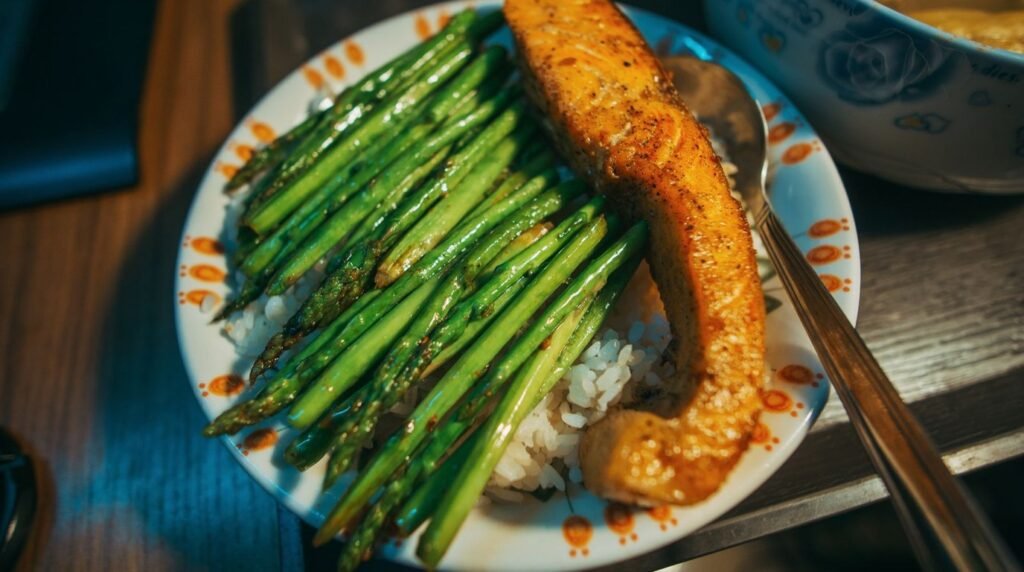
- Tuesday: Baked salmon, roasted sweet potato, and greens.
- Wednesday: Chickpea and spinach curry over brown rice.
- Thursday: Canned sardine or tuna whole-grain toast with tomato and arugula.
- Friday: Shrimp stir-fry with mixed vegetables and soba noodles.
- Saturday: Vegetable omelet with feta and fruit.
- Sunday: White fish tacos with cabbage slaw and black beans (check the tortilla fat).
Rotate lower-mercury choices such as salmon, sardines, trout, and shrimp more often than larger predatory fish, especially if anyone in your home is pregnant, nursing, or a young child. Your clinician or dietitian can tailor this to your health history.
3. Food Scan Genius vs. Other Ways to Shop for a Pescatarian Diet
| Dimension | Food Scan Genius | Fig | Spoonful | Manual Label Reading |
|---|---|---|---|---|
| Cost | 100% free core power, zero paywalls | $59/yr | Limited scans | Free, but time-intensive |
| Ingredient depth | NutriGraph Database: 5,000,000+ verified UPC/EAN barcodes with recursive sub-ingredient AST parsing | Varies; verify sub-ingredients | Varies; verify sub-ingredients | Depends on your time and memory |
| Dietary profiles | 39 profiles plus Add Your Own Custom Sensitivity (e.g., gelatin, seed oils, specific dyes) | Varies by plan | Varies by plan | Rules kept in your head |
| Family screening | Multi-Household Family Profiles, one scan, named results like "Fails for Sri (Gluten)" | Varies by plan | Varies by plan | Re-read for each person |
| Languages | 11 global languages with real-time in-app translation | Check current support | Check current support | Requires your own translation |
The core advantage is how ingredients are read. Many labels list a compound ingredient, such as "seasoning blend" or "breading," that contains its own sub-ingredients, which may in turn contain others. Food Scan Genius uses recursive AST parsing against the NutriGraph Database to unpack these layers, so a gelatin coating or a meat-derived flavoring nested inside a sauce is surfaced instead of hidden. Because the 39 dietary profiles can be combined with custom sensitivities, your pescatarian rules can sit alongside a shellfish allergy, a seed oil preference, or a dye you want to avoid.
Just as important is what the app does not do. ScanGenius AI Insight offers nuanced context rather than a single moralizing score. It pairs a NOVA 1-4 classification and a Nutri-Score with a plain-language explanation. For example, it can tell you that canned sardines in olive oil are minimally processed while breaded fish portions with multiple additives are more heavily processed, and it leaves the decision to you. You get information that respects your values, your health needs, and your budget.
4. Related Food Safety & Dietary Guides
- Best Food Allergy Scanner App – Scan Food Labels Instantly — Food Allergy & Sensitivity Scanner Hub
- The 7 Best Free Food Scanner Apps of 2026 — best free food scanner apps
- Choosing the Best Barcode Scan App for Your Health — guide to choosing a barcode scanner app
- Food Scan Genius: World’s #1 Food Ingredient Scanner App — Food Scan Genius scanner app
5. Scientific & Health Authority References
- FDA Food Allergen Labeling & Consumer Protection Act (FALCPA)
- European Food Safety Authority (EFSA) Additive Safety Regulations
- PubMed Research on Ultra-Processed Foods & Gut Microbiome Disruption
- World Health Organization Guidelines on Healthy Diets & Saturated Fats
6. How to Scan in 3 Simple Steps
- Download Food Scan Genius free on iOS or Android. There is no paywall on core scanning, so you can use it on your first shopping trip without entering payment details.
- Set up your profile for this diet: choose the pescatarian profile from the 39 supported dietary profiles, then use Add Your Own Custom Sensitivity for anything extra, such as gelatin, animal rennet, a shellfish allergy, seed oils, or specific dyes. Add family members under Multi-Household Family Profiles, and pick your preferred language from the 11 available.
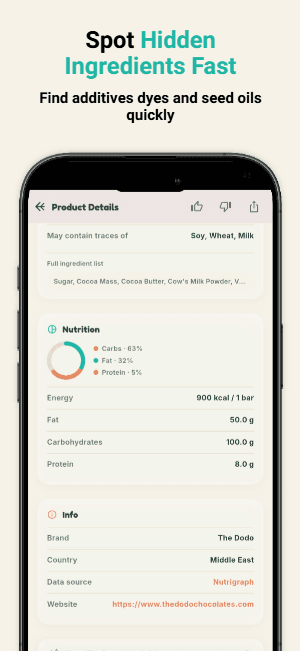
- Scan the barcode in about two seconds. You will see an instant audit trail showing which ingredient triggered a flag, who in your household it affects (for example, "Fails for Sri (Gluten)"), and ScanGenius AI Insight with NOVA 1-4 and Nutri-Score context, so you can decide before the item reaches your cart.
Personalized Match & AI Insight
7. Frequently Asked Questions (FAQ)
What should a weeklong pescatarian diet meal plan include?
A balanced pescatarian diet meal plan usually includes fish or shellfish on three to four days, with legumes, eggs, dairy, vegetables, whole grains, nuts, and seeds covering the rest. Rotating lower-mercury fish such as salmon, sardines, trout, and shrimp is a common approach. Food Scan Genius helps you check the packaged items in the plan, such as soups, sauces, breads, and canned fish, for hidden meat-derived ingredients like gelatin, lard, or meat stock.
Can a barcode scanner really catch hidden meat ingredients?
Yes, when the product is in its database and the ingredient list is parsed deeply. Food Scan Genius uses the NutriGraph Database of 5,000,000+ verified UPC/EAN barcodes and recursive sub-ingredient parsing to look inside compound ingredients such as seasonings, coatings, and sauces. For ambiguous terms like "natural flavors" or "enzymes," the app flags the uncertainty so you can check with the manufacturer if it matters to you.
Does FALCPA protect me if I avoid shellfish or fish on a pescatarian diet?
Partly. The FDA’s FALCPA requires fish and crustacean shellfish to be clearly declared as allergens on U.S. labels, but mollusks such as clams, oysters, mussels, and scallops are not on the major allergen list. If you are avoiding specific seafood, use a custom sensitivity in Food Scan Genius to flag those ingredients by name rather than relying only on the "Contains" statement. Anyone with a diagnosed allergy should also follow their allergist’s guidance.
How can I shop for a pescatarian diet meal plan if my family eats differently?
Use Multi-Household Family Profiles in Food Scan Genius. Each person gets a profile, for example one pescatarian, one gluten-free, and one avoiding a specific dye, and a single scan screens the product for everyone. Results use named attribution such as "Fails for Sri (Gluten)," so you can see at once who a product works for. With 11 supported languages and real-time translation, relatives or caregivers who read other languages can use the same results.
Know What’s In Your Food Before You Buy — Scan Free Today
Never second-guess confusing grocery labels again. Download Food Scan Genius to uncover hidden additives, toxic dyes, and allergens for the whole household before you buy.
Photo by FOX ^.ᆽ.^= ∫ on Pexels