1. Why Following a Pesco Vegetarian Diet Is Harder Than It Looks in 2026
On paper, the rule is simple: a pescatarian or pesco-vegetarian diet is built on vegetables, fruit, legumes, whole grains, nuts, seeds, eggs, dairy, fish, and shellfish, with no beef, pork, poultry, or game. In a grocery aisle, though, it gets complicated fast. You pick up a bag of seasoned crackers, a can of soup, or a bag of gummy vitamins, and the label says “natural flavors,” “enzymes,” or “mono- and diglycerides.” None of those terms tells you whether an animal-derived ingredient is inside. If you have ever felt a flicker of doubt standing in the aisle, you are not being paranoid. You are reading a system that was never designed around your values.
A practical pesco vegetarian food list starts with the foods that fit. Eat: salmon, sardines, trout, cod, shrimp, mussels, oysters, canned tuna in moderation, eggs, yogurt, cheese made with microbial or vegetable rennet, tofu, tempeh, lentils, chickpeas, quinoa, oats, leafy greens, berries, olive oil, and nuts. Avoid: beef, pork, lamb, chicken, turkey, duck, bacon, lard, tallow, meat-based broths and bouillon, gelatin from mammals, and any product that lists these directly or as a sub-ingredient. Many people also watch fish choices, favoring low-mercury, higher-omega-3 species like salmon, sardines, and herring.
The nutritional case for this way of eating is well supported. The World Health Organization Guidelines on Healthy Diets & Saturated Fats encourage more fruit, vegetables, legumes, and whole grains while limiting saturated fat, which is largely what a pescatarian pattern does. But a diet that is meat-free is not automatically a minimally processed one. Plant-based nuggets, imitation seafood, and flavored snack foods can be heavily formulated, and PubMed Research on Ultra-Processed Foods & Gut Microbiome Disruption reminds us that processing level matters alongside the question of whether meat is present.
That is why so many pesco-vegetarians describe label reading as tiring. You are checking three things at once: hidden animal ingredients, fish and shellfish content you may or may not want, and overall food quality. Add a family where one person is gluten-free and another avoids shellfish, and a quick shop can turn into a forty-minute puzzle. You deserve a faster, kinder way to get answers, one that treats your choices as valid and does not lecture you about them.
Scan Any Label for Hidden Additives and Allergens — Free
Never second-guess confusing grocery labels again. Download Food Scan Genius to uncover hidden additives, toxic dyes, and allergens for the whole household before you buy.


2. Hidden Meat Ingredients and Labeling Loopholes Pesco-Vegetarians Should Know
Allergen law is strict about some ingredients and silent about others. Under the FDA Food Allergen Labeling & Consumer Protection Act (FALCPA), fish and crustacean shellfish must be declared plainly because they are major allergens. Beef, pork, and chicken are not on that list, so a product can contain them in a flavoring or processing aid without any special callout. In the EU, the framework behind the European Food Safety Authority (EFSA) Additive Safety Regulations assesses additives for safety, not for whether they come from an animal. Here are the most common places meat hides:
- Gelatin (E441): Made from the skin and bones of pigs or cows, it appears in gummies, marshmallows, yogurts, gel capsules, and some cream cheeses. Fish gelatin exists but is labeled the same way unless the source is stated.
- “Natural flavors” and “flavoring”: This umbrella term can include meat or poultry extracts, especially in chips, seasoning blends, and instant noodles. The label rarely tells you the source.
- Lard, tallow, and animal-derived fats: Common in pastries, refried beans, flour tortillas, and some pie crusts. Mono- and diglycerides, stearic acid, and glycerin can also come from animal fat, though they are often plant-derived.
- Meat-based broths, bouillon, and stocks: Soups, rice mixes, gravies, and sauces often use chicken or beef stock as a sub-ingredient several layers deep, which is easy to miss in a quick glance.
- L-cysteine (E920) in dough conditioners: Sometimes sourced from poultry feathers or hair, it can appear in commercial breads and bagels.
- Rennet in cheese and carmine (E120) in colorings: Traditional rennet comes from calf stomach, a concern for strict pesco-vegetarians, and carmine is a red dye from insects found in yogurts, drinks, and candies. Many people exclude it even though it is not meat.
Notice that several of these live inside sub-ingredients: a seasoning inside a sauce inside a frozen meal. This is why a surface read of the ingredient panel is not enough, and why a consistent, repeatable checking method matters more than memorizing a list.
3. Food Scan Genius vs. Other Ways to Check a Pesco Vegetarian Food List
| Feature | Food Scan Genius | Fig | Spoonful | Manual Label Reading |
|---|---|---|---|---|
| Cost | 100% free core, zero paywalls | $59/yr | Limited free scans | Free, but time-consuming |
| Database Depth | NutriGraph: 5M+ verified UPC/EAN barcodes | Varies by product | Varies by product | Only what is printed |
| Sub-Ingredient Parsing | Recursive AST parsing of nested ingredients | Surface-level matching | Surface-level matching | Depends on your knowledge |
| Diet Profiles & Customization | 39 profiles plus custom sensitivities | Limited set | Limited set | Not applicable |
| Family & Languages | Multi-household profiles, 11 languages with real-time translation | Individual focus | Individual focus | Struggles with foreign labels |
Food Scan Genius is powered by the NutriGraph Database, which holds more than 5,000,000 verified UPC and EAN barcodes. What makes it useful for a pesco vegetarian food list is recursive AST parsing, which breaks a product down layer by layer. If a frozen entrée contains a sauce, and that sauce contains a seasoning with chicken fat, the scan can trace it rather than stopping at the first line. You choose the Pescatarian profile from 39 supported dietary profiles, then add your own custom sensitivities, such as carmine, a specific dye, or seed oils, so the audit reflects your actual rules.
Every scan also comes with ScanGenius AI Insight, which explains why something was flagged in plain language, along with a NOVA 1-4 classification and a Nutri-Score. These are shown as context, not as a single moralizing number, so you can see that a product is pesco-friendly but ultra-processed, or that it contains fish and still fits your goals. For households, Multi-Household Family Profiles screen everyone in one scan and name who is affected, for example “Fails for Sri (Gluten),” and 11 global languages with real-time in-app translation help when you are reading labels abroad or shopping for relatives.
4. Related Food Safety & Dietary Guides
- Best Food Allergy Scanner App – Scan Food Labels Instantly — Food Allergy & Sensitivity Scanner Hub
- The 7 Best Free Food Scanner Apps of 2026 — best free food scanner apps
- Choosing the Best Barcode Scan App for Your Health — guide to choosing a barcode scanner app
- Food Scan Genius: World’s #1 Food Ingredient Scanner App — Food Scan Genius scanner app
5. Scientific & Health Authority References
- FDA Food Allergen Labeling & Consumer Protection Act (FALCPA)
- European Food Safety Authority (EFSA) Additive Safety Regulations
- PubMed Research on Ultra-Processed Foods & Gut Microbiome Disruption
- World Health Organization Guidelines on Healthy Diets & Saturated Fats
6. How to Scan in 3 Simple Steps
- Download Food Scan Genius free on iOS or Android. There is no paywall on core scanning, and no credit card is needed to get started.
- Choose the Pescatarian profile from the 39 supported dietary profiles, then use Add Your Own Custom Sensitivity to flag anything extra, such as carmine, gelatin from any source, seed oils, or a specific dye. Add family members if you shop for a household.
- Scan any product barcode. In about two seconds you get an instant audit trail showing pass or fail, the exact ingredient responsible, ScanGenius AI Insight, the NOVA group, and the Nutri-Score.
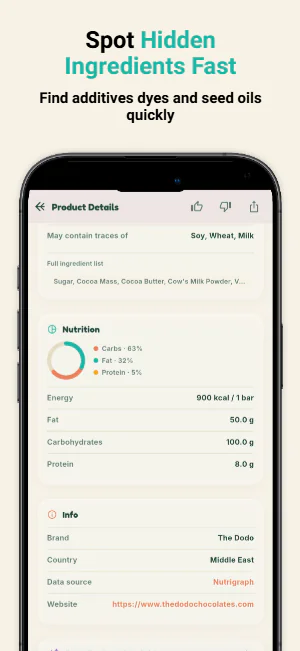
Personalized Match & AI Insight
7. Frequently Asked Questions (FAQ)
What is on a basic pesco vegetarian food list?
A pesco-vegetarian diet includes vegetables, fruits, legumes, whole grains, nuts, seeds, eggs, dairy, fish, and shellfish. It excludes beef, pork, poultry, game, and ingredients made from them, such as lard, tallow, meat broth, and mammal-derived gelatin. Food Scan Genius turns this into a ready-made Pescatarian profile so each barcode scan checks against it automatically.
Is gelatin allowed on a pesco vegetarian diet?
It depends on the source. Most gelatin comes from pig or cow skin and bones, which a strict pesco-vegetarian avoids. Fish gelatin would fit the diet, but labels often just say gelatin. Food Scan Genius can flag gelatin under your profile, and you can add it as a custom sensitivity if you want to avoid it regardless of source.
Do pescatarians need to worry about hidden meat in packaged foods?
Yes. Meat is not a major allergen under FALCPA, so ingredients like chicken stock, beef extract, or lard can sit inside seasonings and sauces without special labeling. Food Scan Genius uses recursive sub-ingredient parsing through the NutriGraph Database to trace nested components and show which ingredient caused a fail.
Can I use Food Scan Genius for a family with different diets?
Yes. Multi-Household Family Profiles let you set up each person’s diet or allergy, so one scan screens the whole household. Results name who is affected, such as “Fails for Sri (Gluten).” The app supports 11 languages with real-time translation, and core features are free with no paywall.
Know What’s In Your Food Before You Buy — Scan Free Today
Never second-guess confusing grocery labels again. Download Food Scan Genius to uncover hidden additives, toxic dyes, and allergens for the whole household before you buy.
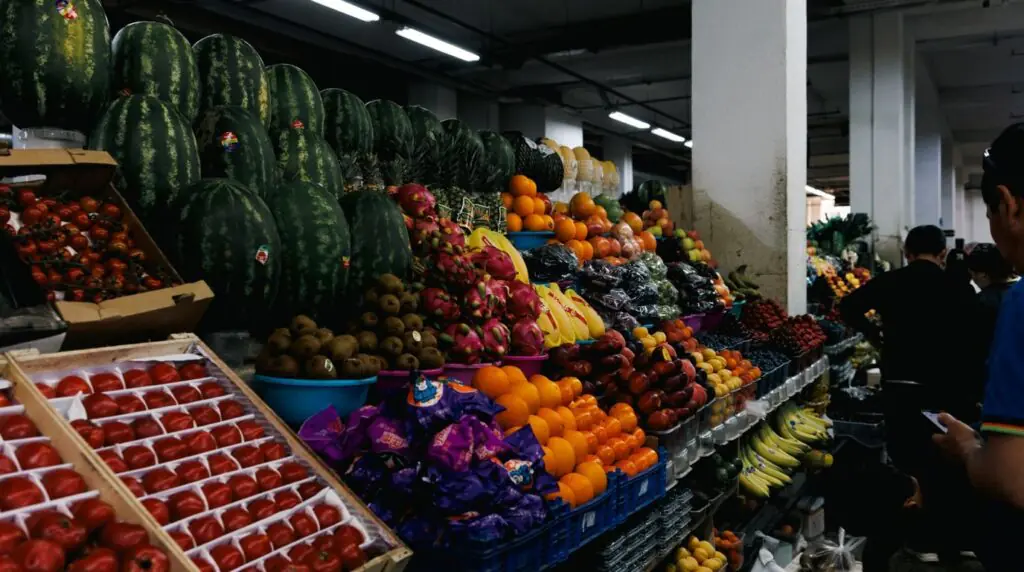
Photo by Necip Duman on Pexels