
1. Why Choosing Plant Based Food Protein Is Harder Than It Looks in 2026
If you have stood in a grocery aisle holding two protein-packed products and wondering which one is actually good for you, you are not alone. Plant based food protein has gone from a niche interest to a mainstream priority. People are exploring it for heart health, budgets, ethics, digestion, or simply a wish to eat more variety. But the shelves have become crowded and confusing. A package that shouts ’20g plant protein’ may be a bean-based snack with three ingredients, or an engineered bar with a long list you cannot pronounce. Feeling overwhelmed by that gap is completely reasonable.
The foundation is simpler than the marketing suggests. Lentils, chickpeas, black beans, edamame, tofu, tempeh, peas, quinoa, hemp seeds, pumpkin seeds, peanuts, and nut butters all deliver meaningful protein alongside fiber, which is a large part of why they keep you full. As a rough guide, a cup of cooked lentils provides around 18g of protein, a cup of shelled edamame is similar, and tempeh offers roughly 18 to 20g per 100g. Fiber slows digestion, and protein supports satiety, so a lentil soup tends to satisfy for longer than a refined snack with the same calories. The World Health Organization Guidelines on Healthy Diets & Saturated Fats encourage legumes, nuts, and whole grains as everyday staples and recommend keeping saturated fat in check. That is a useful lens for evaluating plant proteins.
The challenge is that the convenient end of the category, including burgers, nuggets, shakes, bars, and ‘high-protein’ pastas, is often heavily processed. Researchers continue to study how ultra-processed eating patterns affect appetite, metabolism, and digestion. A good starting point is this collection of PubMed Research on Ultra-Processed Foods & Gut Microbiome Disruption. Processing alone does not make a food ‘bad’, and many people rely on fortified or convenient options for good reasons. But it does mean the ingredient list deserves a closer read than the front of the box.
For many households there is an extra layer. Soy, wheat, peanuts, tree nuts, and sesame are all common plant protein sources, and they are also major allergens. Under the FDA Food Allergen Labeling & Consumer Protection Act (FALCPA), major allergens must be declared in plain language. Even so, a family member with a gluten sensitivity, a child with a peanut allergy, and a parent avoiding seed oils can all want different things from one shared pantry. Choosing a protein source is rarely just about grams. If you manage a diagnosed condition, a registered dietitian can help you personalize your targets.
Scan Any Label for Hidden Additives and Allergens — Free
Never second-guess confusing grocery labels again. Download Food Scan Genius to uncover hidden additives, toxic dyes, and allergens for the whole household before you buy.


2. Sneaky Ingredients and Label Loopholes Hiding in Plant Protein Products
Whole foods like lentils or tofu rarely hide much. The surprises tend to appear in packaged and engineered plant protein products. Here are the most common places a label can mislead you, or at least leave you with unanswered questions:
- ‘Natural flavors’: This broad term can cover many flavor compounds, and in meat alternatives it often rounds out the savory taste. It does not tell you what the source is, which matters if you are avoiding specific additives or following a custom diet.
- Protein isolates and hydrolyzed proteins: Soy protein isolate, pea protein isolate, and hydrolyzed soy or wheat protein boost the protein number on the front of the pack. They are also markers of a more processed product. For someone who wants mostly whole-food protein, spotting them quickly is valuable.
- Binders and gums: Methylcellulose, xanthan gum, and similar texturizers help plant burgers hold together. They are generally permitted, and the European Food Safety Authority (EFSA) Additive Safety Regulations show how additives are evaluated and re-evaluated. Still, some people with sensitive digestion prefer to limit them, and that is a valid personal choice.
- Added fats and refined oils: Many plant-based products use coconut oil, palm oil, or refined seed oils for juiciness. Coconut and palm oils raise the saturated fat content, and some shoppers specifically avoid seed oils. Neither is visible from the protein claim.
- Hidden sugars in ‘protein’ bars, shakes, and plant milks: Brown rice syrup, tapioca syrup, date paste, and cane juice solids can quietly add up. A bar with 15g of protein can still be a dessert in disguise.
- Voluntary ‘may contain’ warnings: Allergen declarations for ingredients are regulated, but precautionary statements about shared equipment are generally voluntary. Seitan and many veggie burgers also rely on wheat gluten, which is declared as wheat but may not be obvious to someone avoiding gluten.
None of these are reasons for panic. They are reasons for context. A shopper cannot realistically research dozens of sub-ingredients in every aisle, especially with a hungry child nearby. That is exactly where a smarter tool earns its place, and why we built Food Scan Genius around transparency instead of fear.
3. Head-to-Head: How Food Scan Genius Compares for Plant Protein Shopping
| Feature | Food Scan Genius | Fig | Spoonful | Manual Label Reading |
|---|---|---|---|---|
| Cost | 100% free core features, zero paywalls | Premium plan at $59/yr | Limited scans | Free, but time-intensive |
| Database & Ingredient Depth | NutriGraph: 5,000,000+ verified UPC/EAN barcodes with recursive sub-ingredient parsing | Ingredient-focused screening | Barcode lookup | Depends on your own knowledge |
| Dietary Profiles | 39 profiles plus custom sensitivities (seed oils, dyes, additives) | Preset profiles | Preset profiles | Fully manual |
| Family Screening | Multi-household profiles; one scan with named results | Individual-oriented | Individual-oriented | Repeat the process per person |
| Languages & Context | 11 languages with real-time translation; AI Insight, NOVA 1-4, Nutri-Score | Limited language support | Limited language support | Only the language on the pack |
Plant based food protein products often have layered ingredient lists: a ‘seasoning blend’ made of sub-ingredients, or a ‘protein crisp’ that contains its own isolates and binders. Food Scan Genius is powered by the NutriGraph Database, which holds more than 5,000,000 verified UPC/EAN barcodes and uses recursive AST parsing to open those nested ingredients and examine what is inside. If a veggie burger contains a flavor blend that includes wheat, or a bar contains a sweetener under an unfamiliar name, the audit trail shows it. You can choose from 39 dietary profiles, then add your own custom sensitivity for seed oils, specific dyes, or an additive your doctor suggested you limit.
Where Food Scan Genius differs most is in how it communicates. Instead of a single moralizing score, ScanGenius AI Insight explains the nuance. It might note that a tempeh product is minimally processed and high in protein, or that a ‘high-protein’ snack is NOVA 4 with a lot of added sugar, and it pairs that with NOVA 1-4 classification and Nutri-Score so you can decide for yourself. For families, multi-household profiles screen everyone in one scan with named fail attribution such as ‘Fails for Sri (Gluten)’. With 11 global languages and real-time in-app translation, labels from imported products become readable too.
4. Related Food Safety & Dietary Guides
- Best Food Allergy Scanner App – Scan Food Labels Instantly — Food Allergy & Sensitivity Scanner Hub
- The 7 Best Free Food Scanner Apps of 2026 — best free food scanner apps
- Choosing the Best Barcode Scan App for Your Health — guide to choosing a barcode scanner app
- Food Scan Genius: World’s #1 Food Ingredient Scanner App — Food Scan Genius scanner app
5. Scientific & Health Authority References
- FDA Food Allergen Labeling & Consumer Protection Act (FALCPA)
- European Food Safety Authority (EFSA) Additive Safety Regulations
- PubMed Research on Ultra-Processed Foods & Gut Microbiome Disruption
- World Health Organization Guidelines on Healthy Diets & Saturated Fats
6. How to Scan in 3 Simple Steps
- Download Food Scan Genius free on iOS or Android. There are no paywalls on the core features, so you can scan as many protein products as you like.
- Set up your profile: choose from 39 dietary profiles (such as vegan, vegetarian, gluten-free, or soy-free), add family members to your household, and enter any custom sensitivity like seed oils, specific dyes, or additives you want flagged.
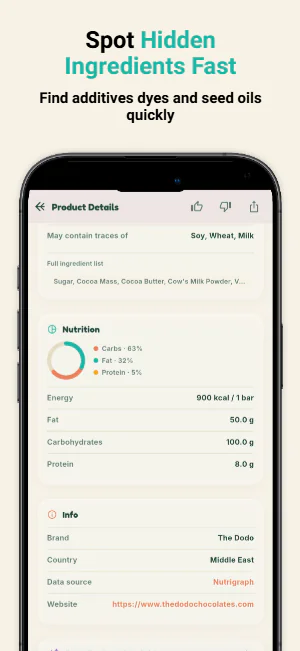
- Scan the barcode on any plant-based protein product and see results in about 2 seconds, including an instant audit trail of sub-ingredients, named family fail attribution, NOVA 1-4, Nutri-Score, and ScanGenius AI Insight.
Personalized Match & AI Insight
7. Frequently Asked Questions (FAQ)
What are the best plant based food protein sources for staying full?
Foods that combine protein with fiber tend to be the most satisfying. Lentils, chickpeas, black beans, edamame, split peas, tempeh, and tofu are strong options, as are quinoa, hemp seeds, pumpkin seeds, and nut butters in moderate portions. Cooked lentils provide roughly 18g of protein per cup, with plenty of fiber. Individual needs vary, so a registered dietitian can help you set targets. Food Scan Genius can help you compare packaged versions of these foods, such as canned beans, tofu, or tempeh, and spot added sugars or additives.
Are processed plant protein products like veggie burgers and protein bars unhealthy?
Not necessarily. They can be a convenient and useful part of a plant-forward diet, but they vary widely. Some are short-ingredient products, while others contain isolates, gums, refined oils, and added sugars. Food Scan Genius shows NOVA 1-4 classification and Nutri-Score, and ScanGenius AI Insight adds context without simplistic moralizing, so you can judge whether a product fits your own goals.
How can I avoid allergens when choosing plant based food protein?
Many popular plant proteins are major allergens, including soy, peanuts, tree nuts, wheat, and sesame. Under FALCPA, these must be declared in plain language on US labels, but ‘may contain’ statements about shared equipment are generally voluntary. With Food Scan Genius you can select the relevant dietary profile, and recursive sub-ingredient parsing checks nested ingredients. If a product fails, the app names who it fails for, such as ‘Fails for Sri (Gluten)’. Always confirm with the manufacturer and your healthcare provider if an allergy is serious.
Does Food Scan Genius cost anything to scan plant protein products?
No. The core features are 100% free with zero paywalls. That includes barcode scanning against the NutriGraph Database of 5,000,000+ verified UPC/EAN barcodes, the 39 dietary profiles, custom sensitivities, multi-household family profiles, and 11 languages with real-time translation. You can scan protein bars, plant milks, tofu, and meat alternatives as often as you like without a subscription.
Know What’s In Your Food Before You Buy — Scan Free Today
Never second-guess confusing grocery labels again. Download Food Scan Genius to uncover hidden additives, toxic dyes, and allergens for the whole household before you buy.