Is Pringles Safe for Lactose Intolerance? Comprehensive Ingredient Breakdown
Navigating the snack aisle when you have a food sensitivity often feels like solving a complex puzzle. Whether you are managing lactose intolerance, a milk allergy, or general digestive discomfort, finding out what is truly inside your favorite packaged foods requires patience. Among the most popular snack foods worldwide, Pringles occupy a unique cultural space. Their iconic stackable shape, light crispiness, and wide array of seasonings make them a go-to choice for movie nights, road trips, and parties. But for anyone avoiding dairy, a pressing question remains: Are Pringles safe for lactose intolerance?
The short answer is: It depends entirely on the flavor you choose. While a few varieties are free from dairy, many popular Pringles flavors contain hidden milk derivatives that can trigger unpleasant symptoms for sensitive individuals. This comprehensive guide explores the ingredient profiles of Pringles, how food manufacturing changes impact dietary safety, and how you can seamlessly protect your gut health using modern tools like the Food Scan Genius app.
Understanding Lactose Intolerance vs. Milk Allergies in Snacks
Before diving into specific Pringles formulations, it is essential to distinguish between lactose intolerance and a true milk allergy. While both involve adverse reactions to dairy products, their underlying mechanisms and severity differ significantly:
- Lactose Intolerance: This is a digestive system issue. People with lactose intolerance lack enough lactase, the enzyme responsible for breaking down lactose (the natural sugar found in milk). When unabsorbed lactose reaches the large intestine, it ferments due to gut bacteria, leading to bloating, gas, cramps, and diarrhea.
- Milk Allergy: This is an immune system response directed against milk proteins (such as casein and whey). Even microscopic traces can trigger severe, potentially life-threatening allergic reactions, unlike lactose intolerance, which typically follows a threshold effect based on the quantity consumed.
Many processed snacks utilize milk-derived components like whey, buttermilk, and lactose powder not just for distinct flavors, but also for texture, browning, and manufacturing consistency. Understanding how these ingredients appear on food labels is the first step toward safe snacking.
Are Original Pringles Safe for Dairy-Free Diets?
For decades, snackers looking for an “accidentally vegan” or dairy-free potato crisp gravitated toward Pringles Original. In North America and many other regions, the standard ingredient list for Pringles Original typically includes:
- Dried potatoes
- Vegetable oil (corn, cottonseed, soybean, and/or sunflower oil)
- Degerminated yellow corn flour
- Cornstarch
- Rice flour
- Maltodextrin
- Mono- and diglycerides
- Salt
- Wheat starch
Because the standard formulation of Pringles Original leaves out cheese powders, whey, and milk solids, it is generally considered safe for people with lactose intolerance in the United States and Canada. However, global manufacturing practices vary. In some international markets—such as parts of Europe—companies occasionally adjust recipes to standardize production lines or streamline allergen controls, sometimes introducing “may contain milk” cross-contamination warnings or direct dairy inclusions. Always check the specific back-of-pack label in your region.
Which Pringles Flavors Contain Lactose and Dairy?
The moment you step away from the Original flavor, the landscape changes drastically. Most flavored Pringles varieties rely heavily on dairy components to achieve their savory, tangy, or rich profiles. If you are lactose intolerant, you should exercise caution or avoid the following flavor categories:
| Pringles Flavor Category | Common Dairy Ingredients Found | Lactose Intolerance Safety Status |
|---|---|---|
| Original | None (Standard regional formulas) | Generally Safe (Check local labels) |
| Sour Cream & Onion | Whey, Cultured Nonfat Milk, Sour Cream, Lactose | Unsafe (Contains high dairy) |
| Cheddar Cheese / Various Cheeses | Cheddar Cheese, Blue Cheese, Whey, Buttermilk, Nonfat Milk | Unsafe (Contains high dairy) |
| BBQ Flavors (Region Dependent) | Whey, Milk Powder, Honey (varies) | Unsafe in many regions (Read ingredient statement) |
| Salt & Vinegar | Lactose, Maltodextrin, Salt | Unsafe (Frequently utilizes lactose powder as a flavor carrier) |
The inclusion of lactose in unexpected places—such as Salt & Vinegar crisps—catches many consumers off guard. Food manufacturers often use lactose or whey permeate as a base carrier for powdered acids and seasonings because it binds flavor evenly to the surface of the crisp while enhancing mouthfeel.
The Broader Challenge: Hidden Ingredients in Processed Foods
The ambiguity surrounding Pringles highlights a much larger issue within the modern food supply chain. Food formulations are constantly evolving. Driven by supply chain optimization, cost-efficiency, and standardization, global food brands frequently update recipes across different manufacturing plants. An item that was dairy-free last year might suddenly incorporate milk powder or whey solids today to improve shelf stability or streamline allergen processing on shared lines.
For consumers dealing with food sensitivities, celiac disease, veganism, or religious dietary restrictions, this dynamic environment creates constant friction. Relying on memory or outdated blog posts can lead to unexpected digestive flare-ups. True dietary safety requires scrutinizing ingredient labels on every single shopping trip.
Simplify Safe Snacking with Food Scan Genius
Deciphering fine-print allergen disclosures and complex chemical names while standing in a busy supermarket aisle is exhausting. This is where advanced food scanner technology transforms everyday grocery shopping. Food Scan Genius is an intuitive mobile application designed to eliminate the guesswork of reading ingredient labels.
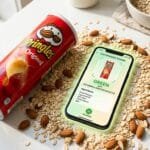
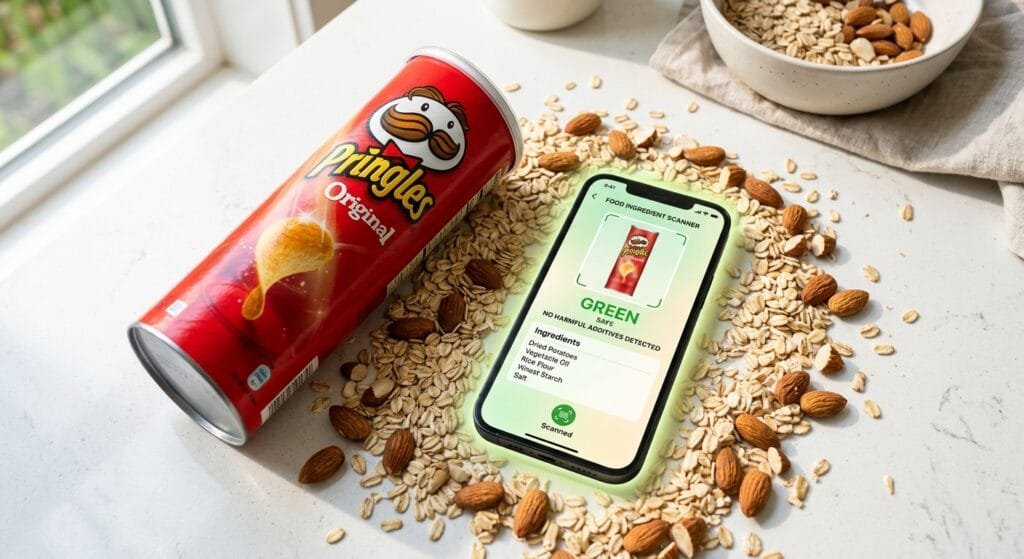
By simply pointing your smartphone camera at a product’s barcode, Food Scan Genius instantly cross-references the item’s live formulation against your unique dietary profile—whether you are avoiding lactose, gluten, nuts, or specific artificial additives. The app instantly flags hidden problem ingredients like whey, buttermilk solids, and lactose carriers, providing clear, real-time safety guidance.
“Managing severe lactose intolerance used to mean spending ten agonizing minutes reading the tiny text on every snack tube, and I still made mistakes that ruined my evenings. Since I started using Food Scan Genius, I just scan the barcode before it goes into my cart. It instantly tells me if a snack is safe or if it contains hidden dairy derivatives. It has completely taken the stress out of grocery shopping!”
Ready to take complete control of your dietary health and eliminate label-reading fatigue? Experience seamless, instant ingredient analysis by downloading the app today at scangeni.us.
Frequently Asked Questions (FAQ)
1. Are all Pringles flavors unsafe for lactose intolerance?
No. While most flavored varieties incorporate dairy derivatives like whey, buttermilk, or lactose powder, Pringles Original is generally formulated without dairy ingredients in major markets like North America. Always check the packaging label to confirm.
2. Why do Salt & Vinegar Pringles contain dairy?
Lactose is frequently utilized as a dry powder base or flavor carrier in vinegar-seasoned snacks. It helps bind the sharp acidic seasoning evenly to the surface of the potato crisp.
3. Can food manufacturers change Pringles ingredients without warning?
Yes. Food companies regularly update recipes for manufacturing efficiency or supply chain adjustments. An ingredient profile that is dairy-free today may incorporate milk solids in a future production run.
4. How can I quickly check if a snack contains hidden lactose?
Using a dedicated mobile tool like the Food Scan Genius app allows you to scan product barcodes instantly to detect hidden dairy, whey, and lactose components before you buy.