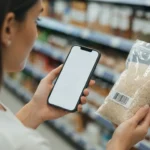
Yes, quinoa is naturally gluten-free. As a seed rather than a true grain, it natively contains exactly zero gluten proteins. However, because it is frequently grown, harvested, and processed on the exact same industrial equipment as wheat, barley, and rye, non-certified quinoa poses a severe, documented risk of gluten cross-contamination.
Walk down the grocery store aisle. You see a beautifully crafted package with a little halo design on it. It says “Superfood.” It says “Quinoa.” You pick it up, trusting it to be the perfect, harmless alternative to pasta. But if you have celiac disease or a serious gluten intolerance, the narrative that marketers are selling you might be dangerously incomplete.
I’m Don Draper, CMO of Food Scan Genius. In the advertising world, we obsess over what people want. And what you want is peace of mind. Let’s look past the marketing gloss and uncover the reality of your pantry.
The Illusion of Safety: Is Quinoa Gluten Free?
To be absolutely precise regarding the question is quinoa gluten free: natively, yes. Quinoa is categorized as a pseudocereal. It is a seed harvested from a leafy plant related to spinach. Inherently, it lacks the proteins that trigger devastating autoimmune responses.
But nature’s perfection is almost always compromised by man’s machinery.
The Silent Intruder: Cross-Contamination
Farmers don’t just grow one crop. Facilities don’t just process one seed. According to the Celiac Disease Foundation, while quinoa itself is a naturally gluten-free food, it frequently shares harvesters, silos, and packaging lines with wheat, barley, and rye.
That means the microscopic dust lining the shipping containers and the residue on the conveyor belts can end up directly in your “safe” dinner. You aren’t reacting to the quinoa; you are reacting to the invisible wheat dust hitching a ride on it.
Reading the Fine Print So You Don’t Have To
The FDA mandates that any food bearing an official “gluten-free” label must contain less than 20 parts per million (ppm) of gluten. That regulation is your first line of defense. But what happens when the packaging doesn’t say anything definitively? What happens when it features a vague “manufactured in a facility that also processes wheat” warning in a font size so small it practically requires a magnifying glass?
Living with a dietary restriction means your health should never be left to chance. As medical professionals at the Mayo Clinic emphasize, extreme vigilance regarding hidden sources of gluten is the only effective way to manage a severe intolerance or celiac disease. Trusting a generic front-of-box marketing claim simply isn’t enough anymore.
The Food Scan Genius Advantage
You aren’t a private investigator. You’re just a person trying to eat a safe meal.
That is exactly why we built Food Scan Genius. Our technology doesn’t just skim the primary ingredients on the back of the box. Food Scan Genius parses 200+ specific edge-case hidden labels under the hood to detect the supply-chain and cross-contamination risks you didn’t even know existed.
We strip away the marketing spin and give you the raw, verifiable truth about what’s inside the package in a matter of seconds. Stop guessing with your health. Start knowing.
Take control of your diet today and download the app for free:
* For Android: Download on Google Play
* For iOS: Download on the App Store
Frequently Asked Questions (FAQ)
Can people with celiac disease eat quinoa?
Yes, but only if it is explicitly labeled and certified gluten-free. Without certification, the risk of agricultural cross-contamination with wheat or barley is incredibly high, making uncertified bulk-bin quinoa unsafe for those with celiac disease.
Why does quinoa sometimes cause stomach pain if it has no gluten?
Beyond cross-contamination, quinoa seeds are naturally coated in saponins—a natural pesticide that can cause severe gastrointestinal distress if not rinsed completely. If you are eating certified gluten-free quinoa and still feel sick, unwashed saponins are likely the culprit. Always thoroughly rinse your quinoa before cooking.
Is restaurant quinoa safe for a strict gluten-free diet?
Rarely. Unless a restaurant has a dedicated gluten-free kitchen, quinoa is often boiled in the same water used for pasta, or prepared on surfaces dusted with wheat flour. You must aggressively question the kitchen staff about their cross-contact protocols.
How does Food Scan Genius help me buy safe quinoa?
By simply scanning the barcode, Food Scan Genius immediately identifies if the specific brand you are holding has a certified gluten-free status. Because Food Scan Genius parses 200+ specific edge-case hidden labels, it alerts you to shared-facility warnings that your naked eye might easily miss.