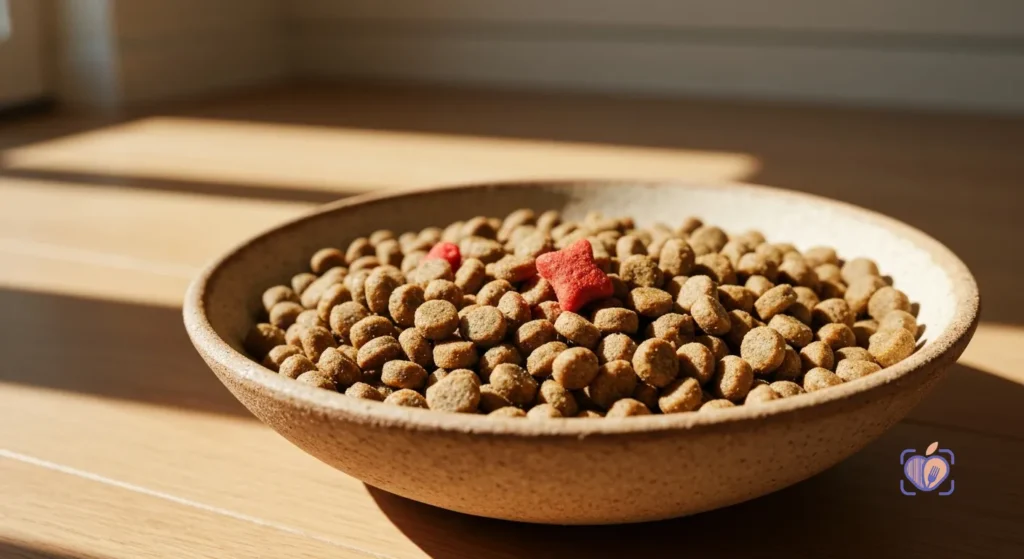
You look into those trusting eyes and promise to keep them safe. But what if the greatest danger is in their food bowl? Every meal is an act of love, yet the pet food industry has made it nearly impossible to know if you’re nourishing them or slowly poisoning them. The truth is, your dog’s kibble could be filled with ingredients linked to cancer, organ failure, and chronic allergies. This isn’t a scare tactic; it’s a reality hidden behind confusing labels and marketing jargon. We believe you deserve the truth, instantly. That’s why we created Pet Scan Genius. Our revolutionary app, launching soon, allows you to scan any pet food label and immediately identify harmful ingredients. Don’t wait for a tragic diagnosis. Protect the life that depends on you by joining our exclusive waitlist today at https://pet.scangeni.us/.
The Unspoken Promise: Why What’s Inside the Bag Matters More Than the Picture on the Front
That bag of kibble on your kitchen floor represents a promise. A promise of health, vitality, and a long, happy life for your companion. You chose it carefully, guided by pictures of happy dogs, claims of ‘veterinarian-approved’ formulas, and words like ‘natural’ or ‘premium’.
But here’s the hard truth: marketing is not nutrition. The pet food industry is a multi-billion dollar machine, and for some manufacturers, profit margins are prioritized over your pet’s well-being. They’ve become masters of disguise, using cheap, controversial, and sometimes dangerous ingredients, hiding them behind complex chemical names and vague, misleading terms.
This guide is your first step toward breaking that cycle. We’re going to pull back the curtain and give you the knowledge to become the most informed advocate for your pet’s health. We will arm you with the facts, grounded in veterinary science, so you can walk down the pet food aisle with confidence, not confusion.
Let’s begin with one of the most insidious categories of additives: chemical preservatives.
Category 1: The Chemical Time Bombs – Artificial Preservatives
Fats are essential in dog food for energy and nutrient absorption, but they go rancid. To extend shelf life, many companies turn to cheap, powerful, and controversial chemical preservatives. While they keep the kibble from spoiling on the shelf, the long-term cost to your dog’s health can be catastrophic.
BHA (Butylated Hydroxyanisole) & BHT (Butylated Hydroxytoluene)
These two synthetic antioxidants are everywhere, from cosmetics to embalming fluid, and yes, in your dog’s food. Their sole purpose is to prevent fats from spoiling, giving a bag of kibble a shelf life that can last for years.
- Why They’re Used: They are incredibly cheap and effective at preserving fats. This allows manufacturers to produce massive quantities of food that can sit in warehouses and on store shelves for extended periods without going bad, protecting their bottom line.
- The Documented Health Risks: The science on BHA and BHT is alarming. The National Toxicology Program of the U.S. Department of Health and Human Services has identified BHA as “reasonably anticipated to be a human carcinogen.” While research is ongoing, multiple studies have linked these chemicals to liver and kidney damage, and they are known to promote tumor growth in laboratory animals. They can also trigger severe allergic reactions and are suspected endocrine disruptors, potentially wreaking havoc on your dog’s hormonal systems.
- Symptoms to Watch For: The effects of long-term exposure are subtle and cumulative. You might notice chronic skin issues, persistent allergies, lethargy, or changes in liver enzyme levels during routine blood work. Because these symptoms are so general, the connection to food is often missed until significant damage has occurred.
Ethoxyquin
Perhaps the most controversial preservative of all, Ethoxyquin was originally developed as a rubber stabilizer and pesticide. It is illegal to add directly to human foods (except for trace amounts on some spices), yet it is commonly found in pet food, particularly in fish meals.
- Why It’s Used: It is an extremely potent preservative, especially for the fish-based fats (like Omega-3s) that are popular in ‘premium’ dog foods. Often, the pet food manufacturer doesn’t even add it themselves; it’s added by their fish meal supplier, allowing them to claim their formula is ‘preservative-free’—a dangerous loophole.
- The Documented Health Risks: The FDA has received numerous reports from veterinarians and pet owners of Ethoxyquin being linked to liver and kidney damage, cancer (particularly liver and stomach), immune system failure, and blindness. While the pet food industry insists it’s safe at approved levels, the cumulative effect of feeding your dog the same chemical day after day, year after year, is a risk many vets are no longer willing to take.
Category 2: The Mystery Meat – By-Products, Rendered Meals, and Vague Proteins
Protein is the cornerstone of a healthy canine diet. But not all protein is created equal. The source, quality, and rendering process can mean the difference between a muscle-building nutrient and a toxic, indigestible filler.
‘Meat By-Products’ and ‘Animal Digest’
When you see a specific protein source like ‘chicken’ or ‘beef’ listed first, that’s a good sign. When you see vague terms like ‘meat by-products’, it’s a massive red flag.
- What Are They, Really? According to AAFCO (The Association of American Feed Control Officials), by-products can include non-rendered, clean parts of slaughtered mammals other than meat, such as lungs, spleen, kidneys, brain, livers, blood, bone, and stomach and intestines freed of their contents. While some of these can be nutritious, the term also allows for the inclusion of materials you would never willingly feed your pet. The term ‘Animal Digest’ is even more unsettling; it’s a broth made from unspecified parts of unspecified animals.
- The Hidden Dangers: The lack of specificity is the problem. ‘Meat’ could come from any mammal. It allows for the use of what the industry calls ‘4D’ animals: dead, dying, diseased, or disabled before slaughter. These animals are unfit for human consumption, but rendering plants can process them into a ‘meal’ or ‘by-product’ for pet food. This material can contain cancerous tissues, spoiled meat, and even the drugs used to euthanize animals. In fact, the presence of pentobarbital, a euthanasia drug, has led to massive pet food recalls. The American Veterinary Medical Association (AVMA) has explicitly warned about this contamination risk, highlighting the dangers of these non-specific ingredients.
- Symptoms of Poor-Quality Protein: Digestive upset, vomiting, diarrhea, a dull and brittle coat, and lack of energy. Over time, the strain on the liver and kidneys from processing low-quality, potentially contaminated proteins can lead to chronic disease.
Specific Meat Meals vs. Generic Meat Meals
‘Chicken meal’ is not the same as ‘meat meal’. A ‘meal’ is simply a rendered product where the moisture has been removed, creating a concentrated protein powder. When the source is named (‘chicken meal’, ‘lamb meal’), it’s generally a quality ingredient. When it’s generic (‘meat meal’, ‘animal meal’), you are back in the dangerous territory of 4D animals and unknown sources.
Category 3: The Empty Calories – Cheap Fillers and Problematic Grains
Dogs are facultative carnivores, meaning they thrive on a meat-based diet but can derive nutrients from some plant sources. However, many kibbles are more plant than meat, using cheap fillers to bulk up the food and boost the protein percentage on the label at a low cost.
Corn and Corn Gluten Meal
Corn is one of the most common and cheapest fillers in dog food. While it provides calories, it’s a low-quality source of nutrition for a dog.
- Why It’s Used: It’s incredibly cheap and subsidized. ‘Corn gluten meal’ is a rubbery byproduct of corn syrup production that is used to artificially inflate the protein percentage on the bag’s ‘Guaranteed Analysis’—even though this plant-based protein is far less bioavailable to your dog than protein from meat.
- The Health Risks: Corn is a common allergen for dogs, leading to skin problems, chronic ear infections, and digestive upset. For dogs with sensitive stomachs, it can be particularly difficult to digest, causing gas, bloating, and inconsistent stools. Furthermore, corn stored in large silos is highly susceptible to molds that produce deadly toxins called aflatoxins. The ASPCA Animal Poison Control Center lists aflatoxins as a serious threat, capable of causing severe liver damage, convulsions, and death, leading to numerous recalls over the years.
Wheat, Soy, and Other Common Allergens
Like corn, wheat and soy are often used as cheap fillers and protein boosters. They are also among the top food allergens for dogs. If your dog is constantly scratching, licking its paws, or suffering from recurrent ear infections, their food is the first place you should look. These ingredients can fuel systemic inflammation and yeast overgrowth, leading to a cycle of misery for your pet and expensive vet bills for you.
The ‘Grain-Free’ Deception
In response to consumer demand, many brands switched to ‘grain-free’ formulas. However, they often replaced grains with other cheap fillers like peas, lentils, and potatoes. While not inherently bad, high concentrations of these ingredients have been linked by the FDA to a serious heart condition called Dilated Cardiomyopathy (DCM) in dogs. This highlights the complexity of canine nutrition and the danger of marketing trends over sound science.
Category 4: The Deceptive Disguises – Artificial Colors, Flavors, and Sweeteners
This category of ingredients provides zero nutritional value. Their sole purpose is to make the food look and smell more appealing… to you, the human buyer. Your dog doesn’t care if its kibble is a rainbow of red, green, and yellow. This is pure marketing manipulation.
Artificial Colors (Red 40, Yellow 5, Blue 2)
These synthetic dyes are derived from petroleum and have been linked to significant health problems in both humans and animals.
- Why They’re Used: To mask the unappealing grey or brown color of low-quality, rendered ingredients. The vibrant colors trick you into thinking the food contains fresh vegetables and meats, even when it doesn’t.
- The Documented Health Risks: Studies have linked artificial colors to hyperactivity, allergic reactions, and even cancer. Red 40, for example, is known to contain contaminants, including benzidine, a known carcinogen. These chemicals place an unnecessary burden on your dog’s liver and kidneys, which must work to filter these toxins out of their system.
Artificial Flavors & Sweeteners
If a food is made from high-quality, species-appropriate ingredients, it doesn’t need added flavor. The presence of ‘animal digest’ or ‘artificial flavor’ is a clear sign the manufacturer is trying to make a bland, low-quality product palatable.
- Propylene Glycol: A controversial sweetener and preservative often found in ‘chewy’ or ‘moist’ kibbles. It’s a component of antifreeze and is toxic to cats. While the FDA considers it ‘Generally Recognized as Safe’ for dogs, it can cause serious digestive issues and is an ingredient best avoided.
- Sugar/Corn Syrup: Dogs have no nutritional need for sugar. It’s added to make food more addictive. It contributes to obesity, diabetes, and dental problems, and can feed the growth of harmful bacteria and yeast in the gut.
The Label is Designed to Confuse You. We Designed an App to Clarify It.
Reading a pet food label feels like it requires a degree in chemistry and law. Unpronounceable ingredients, vague terms, and legal loopholes make it nearly impossible for a loving pet owner to make a truly informed choice. This confusion is intentional. It allows manufacturers to hide low-quality ingredients in plain sight. A wall of text stands between you and your dog’s health, and you’re expected to decipher it in the 30 seconds you have in the store aisle. That’s the wall we’re tearing down.
Pet Scan Genius was born out of this frustration. Our mobile app is a powerful, simple tool that cuts through the noise. Just scan the barcode on any bag of dog or cat food, and our AI-powered system instantly analyzes the ingredient list. It flags toxic additives, common allergens, controversial preservatives, and low-quality fillers, giving you a simple, color-coded report on whether that food is safe for your pet. We put the power of a nutritionist in your pocket.
Your Dog Trusts You Completely. It’s Time for a Food You Can Trust, Too.
The journey to better health for your dog begins now. It starts by refusing to be misled by clever marketing and by demanding transparency from the companies you support. It starts by turning the bag around and reading the fine print.
But you don’t have to do it alone. The world of pet nutrition is complex, but protecting your best friend shouldn’t be. Don’t spend another day wondering if the food in their bowl is helping or harming. Don’t wait for the symptoms of a poor diet to become a life-threatening diagnosis. Be proactive. Be certain. Be the hero your dog already thinks you are.
Pet Scan Genius is launching soon. This is your chance to be among the first to gain instant clarity and confidence in what you feed your pet. You MUST visit https://pet.scangeni.us/ to register for the exclusive launch waitlist. Secure your spot and take the first step toward protecting your pet’s life.
Frequently Asked Questions
1. What artificial preservatives in kibble cause skin allergies?
Artificial preservatives like BHA (Butylated Hydroxyanisole) and BHT (Butylated Hydroxytoluene) are well-known for triggering allergic reactions in sensitive dogs. These reactions often manifest as chronic skin issues, such as intense itching, hot spots, hair loss, and inflamed skin, because the body’s immune system identifies these synthetic chemicals as foreign invaders.
2. What specific meat by-products and fillers should I avoid in dry dog food?
You should avoid vague, non-specific terms at all costs. Look for and avoid: ‘meat by-products,’ ‘animal by-products,’ ‘meat and bone meal,’ and ‘animal digest.’ These can be sourced from diseased or disabled animals and lack quality control. For fillers, avoid corn, corn gluten meal, wheat gluten, and soy, as they are common allergens and offer poor nutritional value compared to species-appropriate ingredients.
3. Is corn gluten meal a bad ingredient for dogs with sensitive stomachs?
Yes, corn gluten meal can be particularly bad for dogs with sensitive stomachs. It is a plant-based protein that is significantly harder for a dog’s digestive system to break down compared to animal-based proteins. This can lead to gas, bloating, indigestion, and inconsistent or loose stools. Furthermore, corn is a common allergen that can exacerbate underlying digestive inflammation.
4. What are the health risks of artificial colors like Red 40 in dog kibble?
Artificial colors like Red 40, Yellow 5, and Blue 2 offer zero nutritional value and pose several health risks. They are derived from petroleum and have been linked to allergic reactions, hyperactivity, and other behavioral issues in dogs. Some studies suggest a link to cancer in lab animals. These chemicals put an unnecessary toxic load on the liver and kidneys, which must work to filter them from the body.