1. The Breakfast Dilemma: Decoding Trader Joe’s Protein Pancakes
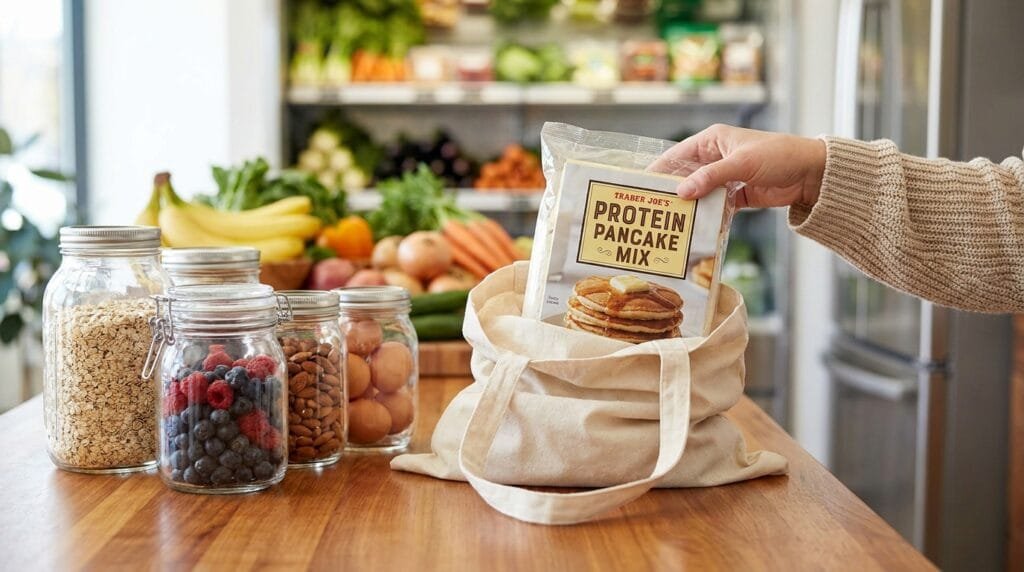
Standing in the crowded aisles of your neighborhood grocer, box in hand, the appeal of quick morning fuel is undeniable. The promise emblazoned across the front of trader joe’s protein pancakes—clean macro counts, high protein, and effortless morning convenience—sounds like an athlete’s and busy parent’s dream. Yet, for households managing celiac disease, complex IgE-mediated food allergies, or severe food intolerances, this familiar cardboard box can represent a high-stakes puzzle. Between ambiguous phrasing and shared facility warnings, modern grocery shopping often feels more like a clinical minefield than a simple pantry restock.
Understanding what is truly inside high-protein baking mixes requires looking beyond marketing banners. Manufacturers often isolate protein fractions using industrial processing, which alters digestion dynamics and concentrates potential allergens. Under the FDA Food Allergen Labeling & Consumer Protection Act (FALCPA), major food allergens like wheat and milk must be clearly declared. However, standard statutory compliance does not always illuminate the nuances of ultra-processed emulsifiers, processing aids, or the physiological burden placed on compromised digestive tracts.
Furthermore, evaluating this staple requires recognizing broader health contexts. While protein is critical for satiety and metabolic repair, how it is delivered matters just as much. As documented in PubMed Research on Ultra-Processed Foods & Gut Microbiome Disruption, synthetic additive matrices and heavily processed protein fractions can induce subtle gut dysbiosis in sensitive individuals. Before flipping your next batch, a thorough inspection of the formulation’s structural makeup is essential for your family’s metabolic safety.
Scan Any Label for Hidden Additives and Allergens — Free
Never second-guess confusing grocery labels again. Download Food Scan Genius to uncover hidden additives, toxic dyes, and allergens for the whole household before you buy.


2. Deconstructive Science: Sneaky Ingredients and Hidden Allergen Loopholes
When examining a batch of trader joe’s protein pancakes, the ingredient statement reveals a complex blend of whole grains, concentrated dairy isolates, leavening agents, and flavor carriers. While formulated to deliver an impressive 10 to 15 grams of protein per serving, the synergy of these individual components presents unique metabolic and immunological considerations:
- Whey Protein Isolate & Milk Protein Concentrate: While excellent for muscle protein synthesis, these concentrated dairy fractions can trigger reactions in individuals with casein sensitivities or lactose intolerance. Although isolates have lower lactose than concentrates, they pose high risks for non-IgE dairy hypersensitivities.
- Whole Wheat Flour vs. Added Gluten: The base provides structural carbohydrates, but the gluten density is often reinforced to maintain fluffy volume against heavy protein powders. This makes it unsafe for those with celiac disease or non-celiac gluten sensitivity.
- ‘Natural Flavors’ Ambiguity: Permitted under broad regulatory definitions, proprietary natural flavoring blends can obscure trace corn derivatives, carrier solvents, or processing adjuncts without violating disclosure mandates, raising questions under European Food Safety Authority (EFSA) Additive Safety Regulations.
- Sodium and Chemical Leavening Density: Monocalcium phosphate and sodium bicarbonate provide lift, but dramatically increase overall sodium content per serving. When paired with maple syrup and breakfast meats, sodium counts can quickly outpace recommended daily allowances outlined in the World Health Organization Guidelines on Healthy Diets & Saturated Fats.
- Precautionary Allergen Labeling (PAL) Gaps: Statements like ‘may contain traces of soy, egg, or tree nuts’ are voluntary under US law. A consumer navigating multiple household food allergies cannot rely solely on the visible allergen panel without verifying supply-chain integrity.
3. Food Scan Genius vs. Outdated Ingredient Checking
| Feature / Capability | Food Scan Genius | Fig (Subscription) | Manual Label Reading |
|---|---|---|---|
| Core Access & Pricing | 100% Free Core (No Paywall) | $59/year Paywall | Free, High Mental Load |
| Database Depth & AST Parsing | NutriGraph (5M+ UPCs, Deep Sub-Ingredients) | Proprietary / Semi-automated | None (Human Error Prone) |
| Multi-Household Screening | Unified 1-Scan (e.g., ‘Fails for Sri (Gluten)’) | Single Profile Only | Mental juggling per child |
| Dietary Profiling Flexibility | 39 Profiles + Custom Sensitivities | Fixed Diets Only | Self-Managed |
| Objective Nutritional Analytics | ScanGenius AI + NOVA 1-4 + Nutri-Score | Green/Yellow/Red Flags | Subjective Guesswork |
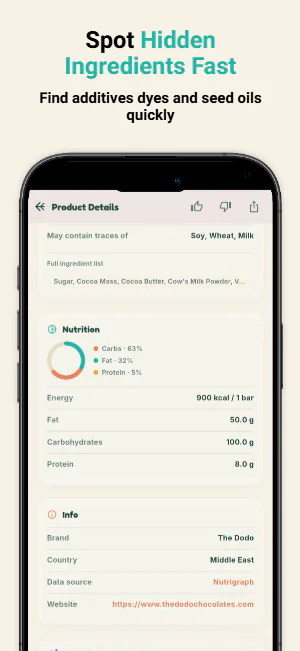
Relying on naked-eye inspection while juggling a shopping basket leads to cognitive fatigue and missed red flags. Food Scan Genius solves this through the enterprise NutriGraph Database, mapping more than 5,000,000 verified barcodes with deep recursive AST parsing. Instead of simply checking the surface text, the algorithm examines nested parenthetical sub-ingredients, cross-referencing processing aids and hidden allergens against 39 clinical dietary profiles plus your own custom sensitivities, such as seed oils or synthetic colorings.
Furthermore, Food Scan Genius avoids arbitrary moralistic food scoring. By combining the scientifically recognized NOVA 1-4 classification with transparent Nutri-Score standards, the ScanGenius AI Insight gives you nuanced nutritional context rather than a simple ‘good’ or ‘bad’ grade. For families balancing diverse needs—such as one child with dairy intolerance and a partner avoiding refined wheat—a single scan immediately parses the box and highlights explicit attribution (e.g., ‘Fails for Sri (Gluten), Safe for Maya’), all completely free and supported across 11 global languages.
4. Related Food Safety & Dietary Guides
- Best Food Allergy Scanner App – Scan Food Labels Instantly — Food Allergy & Sensitivity Scanner Hub
- The 7 Best Free Food Scanner Apps of 2026 — best free food scanner apps
- Choosing the Best Barcode Scan App for Your Health — guide to choosing a barcode scanner app
- Food Scan Genius: World’s #1 Food Ingredient Scanner App — Food Scan Genius scanner app
5. Scientific & Health Authority References
- FDA Food Allergen Labeling & Consumer Protection Act (FALCPA)
- European Food Safety Authority (EFSA) Additive Safety Regulations
- PubMed Research on Ultra-Processed Foods & Gut Microbiome Disruption
- World Health Organization Guidelines on Healthy Diets & Saturated Fats
6. How to Scan in 3 Simple Steps
- Download Food Scan Genius for free on iOS or Android with zero locked features or paywalled scans.
- Configure your Multi-Household Family Profiles, choosing from 39 built-in dietary conditions or inputting custom triggers like specific leaveners, gums, or seed oils.
- Scan the barcode on Trader Joe’s protein pancakes to generate an instant, 2-second audit trail showing sub-ingredient AST matches, allergen risks, and NOVA classification.
Personalized Match & AI Insight
7. Frequently Asked Questions (FAQ)
Are Trader Joe’s protein pancakes gluten-free?
No, standard Trader Joe’s protein pancakes contain whole wheat flour and wheat protein fractions. They are unsafe for those with celiac disease or non-celiac gluten sensitivity. Always run the barcode through Food Scan Genius to check for certified gluten-free alternatives in their product line.
What protein sources are used in Trader Joe’s protein pancakes?
The primary protein boost comes from dairy concentrates, specifically whey protein isolate and milk protein concentrate, alongside the natural proteins found in whole wheat flour. Those with dairy allergies or severe lactose intolerance should exercise caution.
Can I eat Trader Joe’s protein pancakes on a low-FODMAP diet?
They may present challenges. Whole wheat contains fructans, and milk protein concentrates can contain residual lactose. Scanning the package with Food Scan Genius will cross-reference the exact sub-ingredients against clinical low-FODMAP thresholds instantly.
How does Food Scan Genius identify unlisted cross-contamination risks?
Powered by the NutriGraph Database, Food Scan Genius analyzes manufacturer facility disclosures, shared line statements, and AST-parsed ingredient linkages, alerting you immediately if a batch carries hidden risks for your family’s customized sensitivities.
Know What’s In Your Food Before You Buy — Scan Free Today
Never second-guess confusing grocery labels again. Download Food Scan Genius to uncover hidden additives, toxic dyes, and allergens for the whole household before you buy.