Swap the Processed: 9 Whole-Food Vegetarian Protein Swaps to Replace Vegan Meats
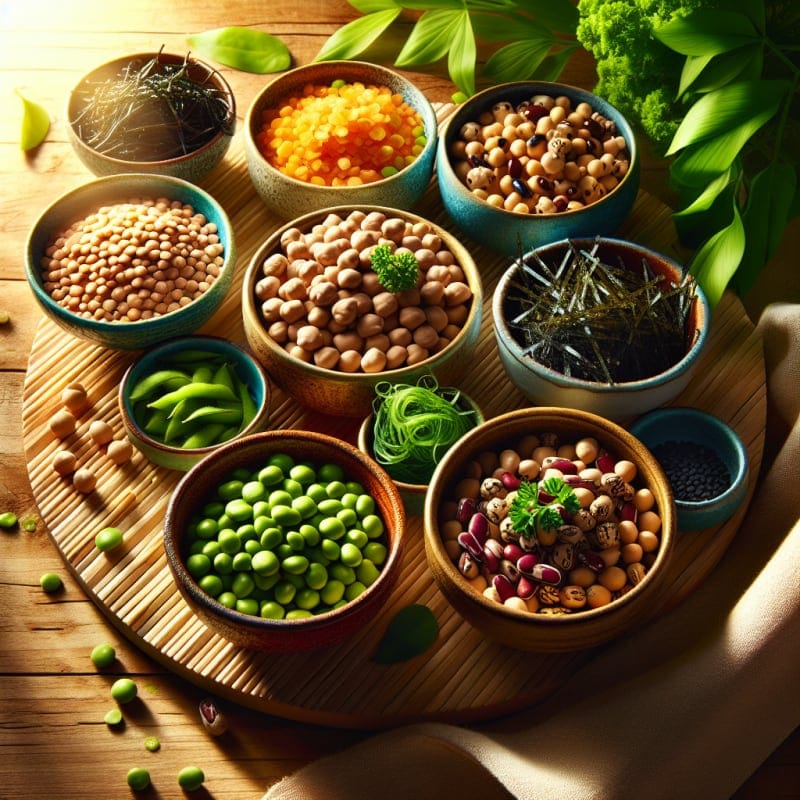
As plant-based eating continues to surge, a new wave of consumers is moving beyond ultra-processed vegan meats toward whole-food vegetarian protein swaps. Instead of relying on soy isolates and additives, people are rediscovering the power of legumes, lentils, fava beans, and sea vegetables — nutrient-dense, minimally processed foods that offer real flavor, texture, and nourishment.
According to TriplePundit and VegNews, 2025’s biggest plant-based trend is the shift from “fake meat” to “real plants.” Consumers are demanding transparency, fewer additives, and more recognizable ingredients. This aligns with data from the U.S. Food and Drug Administration (FDA) and the World Health Organization (WHO), which emphasize the importance of whole-food nutrition for long-term health.
Why Whole-Food Protein Swaps Matter
Many processed vegan meats mimic the taste and texture of animal products but often contain high sodium, added oils, and isolated proteins. In contrast, whole-food plant proteins provide fiber, essential minerals, and antioxidants that support gut health and reduce chronic disease risk (PubMed).
| Protein Source | Protein (per 100g) | Fiber (g) | Sodium (mg) | Processing Level |
|---|---|---|---|---|
| Pea Protein Burger (processed) | 18g | 2g | 390mg | Ultra-processed |
| Lentils (whole) | 9g | 8g | 5mg | Whole food |
| Fava Beans | 8g | 7g | 10mg | Whole food |
| Seaweed (Dulse, Nori) | 6g | 5g | 60mg | Whole food |
1. Lentils: The Classic Whole-Food Protein Hero
Lentils are among the most affordable and versatile legume protein alternatives. They’re rich in folate, iron, and plant-based protein, and they cook quickly without soaking. Research from PubMed highlights lentils’ role in improving gut microbiota and reducing LDL cholesterol.
Quick Lentil “Meat” Recipe
- 1 cup cooked green or brown lentils
- 1 tbsp olive oil
- 1 tsp smoked paprika
- 1 clove garlic, minced
- Salt and pepper to taste
How to make: Sauté garlic in olive oil, add lentils and spices, and mash lightly. Use as taco filling or burger base.
2. Fava Beans: Creamy, Protein-Rich, and Sustainable
Fava beans (broad beans) are gaining traction as a legume protein alternative in 2025 product launches (Whole30). They’re high in protein, fiber, and micronutrients like magnesium and potassium. Fava-based burgers and dips are trending across TikTok according to PETA’s Vegan Food Trends 2025.
Fava Bean “Burger” Patties
- 1 cup cooked fava beans
- ½ cup oats
- 1 tbsp tahini
- 1 tsp cumin
- Salt and lemon juice to taste
How to make: Blend all ingredients until coarse. Form into patties and pan-sear until golden. Serve with whole-grain buns and fresh greens.
3. Sea Vegetables: The Ocean’s Protein and Mineral Source
Sea vegetables like dulse, nori, and kelp are rich in plant-based protein, iodine, and antioxidants. They’re especially valuable for vegetarians who may lack iodine in their diets (PubMed).
Seaweed “Tuna” Salad
- ½ cup chopped dulse or nori
- 1 cup mashed chickpeas
- 2 tbsp vegan mayo or tahini
- 1 tbsp lemon juice
- 1 tsp Dijon mustard
How to make: Mix all ingredients in a bowl. Serve on whole-grain toast or lettuce wraps for a mineral-rich lunch.
4. Chickpeas: The All-Purpose Protein Swap
Chickpeas are a staple in vegetarian diets. They provide complete amino acids when paired with whole grains and are a great replacement for processed vegan nuggets or sausages.
Chickpea “Chicken” Bites
- 1 can chickpeas, drained
- 2 tbsp nutritional yeast
- 1 tsp garlic powder
- 1 tbsp olive oil
How to make: Mash chickpeas, mix with seasonings, form into small bites, and bake at 375°F for 20 minutes.
5. Edamame and Peas: Fresh Green Protein
Edamame and green peas are mild, high-protein legumes that work well in patties, stir-fries, and soups. They’re also rich in antioxidants and fiber, supporting heart health and digestion (PubMed).
6. Tempeh (Minimally Processed Soy)
Unlike ultra-processed soy isolates, tempeh is a fermented whole soybean product. It’s high in protein, probiotics, and calcium. Fermentation enhances digestibility and nutrient absorption.
7. Lentil-Walnut Crumbles
A popular social trend in 2025 is replacing ground vegan meat with lentil-walnut crumbles — a mix of cooked lentils and chopped walnuts sautéed with spices. It’s nutrient-dense and perfect for tacos or pasta sauces.
8. Seaweed-Based Alt-Seafood
“Vegetable-forward alt-seafood” is one of 2025’s fastest-growing categories, according to TriplePundit. Startups are using kelp and sea lettuce to create tuna-style salads and crab-free cakes that deliver authentic flavor with fewer additives.
9. Lentil and Fava Protein Bowls
Combine lentils, fava beans, roasted vegetables, and tahini dressing for a complete meal rich in plant protein, fiber, and minerals. This simple bowl offers balanced macronutrients and supports sustainable eating habits.
Nutritional Comparison: Processed vs. Whole-Food Plant Proteins
| Category | Processed Vegan Meat | Whole-Food Alternative | Key Nutritional Advantage |
|---|---|---|---|
| Protein Quality | Isolated protein | Complete amino acids with fiber | Better digestion and satiety |
| Fiber | Low | High | Supports gut health |
| Sodium | High | Low | Heart-friendly |
| Processing | Ultra-processed | Minimal | Fewer additives |
How the Food Scan Genius App Helps
With so many new plant-based products hitting the shelves, ingredient transparency is more important than ever. The Food Scan Genius app helps users instantly scan packaged foods to identify processing levels, allergens, and hidden additives. It’s especially useful for those transitioning from processed vegan meats to whole-food alternatives.
“I used Food Scan Genius to compare my old vegan burger with a lentil-based mix — the difference in sodium and additives was eye-opening!” — Jenna, Food Scan Genius user
FAQs About Whole-Food Vegetarian Protein Swaps
1. Are legumes better than processed vegan meats?
Yes. Legumes like lentils and chickpeas are rich in fiber, minerals, and natural protein, while processed vegan meats often contain high sodium and additives.
2. How can sea vegetables replace seafood?
Seaweed varieties like dulse and nori offer a natural umami flavor and provide iodine, making them excellent replacements for tuna or crab in vegetarian dishes.
3. What’s the healthiest way to cook legumes?
Boil or pressure-cook legumes until tender, then season with herbs and olive oil. Avoid frying or adding excessive salt.
4. Are fava beans safe for everyone?
Most people can enjoy fava beans, but those with G6PD deficiency should avoid them. Always consult a healthcare provider if unsure.
5. What are the top 2025 vegetarian protein trends?
According to Google Trends data and VegNews, the biggest trends include lentil-based burgers, seaweed alt-seafood, and fava bean protein bowls.
Final Takeaway
Transitioning from processed vegan meats to whole-food vegetarian protein swaps is more than a diet choice — it’s a movement toward sustainable, transparent, and nutrient-rich eating. By embracing legumes, fava beans, lentils, and sea vegetables, you nourish your body and support a cleaner food system. Use tools like Food Scan Genius to make smarter, more informed choices every time you shop.